Grilling: Setting Up a Three-Zone Fire
Master the art of grilling with precision by setting up a three-zone fire. This technique allows you to sear, smoke, and warm your food all on one grill, giving you chef-level control over your cookout. Whether you're grilling a steak to perfection or roasting a whole chicken, understanding how to manage heat zones is crucial. A three-zone fire setup divides your grill into direct high heat, direct medium heat, and indirect low heat zones. This setup is versatile for different grilling methods and ensures even cooking. It minimizes flare-ups and allows you to move food around based on its cooking needs. Dive into the details of this method to elevate your grilling game and impress your guests with perfectly cooked dishes every time.
Notes
The science behind a three-zone fire lies in heat management and airflow control. By creating distinct zones, you can move food around to avoid overcooking or charring. Common mistakes include overcrowding the high heat zone and not monitoring the temperature of each zone. Always keep a spray bottle with water handy to manage flare-ups safely. For make-ahead, prepare your grill setup just before cooking to ensure optimal temperatures. Store any leftover charcoal in a dry place for future use.
Steps
- 1 Clear your grill grate and ensure it's clean and oiled to prevent sticking.
- 2 Arrange charcoal briquettes or wood chunks in one side of the grill for the high heat zone.
- 3 Place a smaller mound of briquettes or wood on the opposite side for the medium heat zone.
- 4 Leave the center of the grill empty to create the indirect, low heat zone.
- 5 Light the charcoal using a chimney starter or electric igniter for a consistent burn.
- 6 Wait until the briquettes are covered with ash, indicating they're ready for grilling.
- 7 Spread the coals into your designated zones using a pair of heat-resistant gloves.
- 8 Close the grill lid and let the temperatures stabilize for about 5-10 minutes.
- 9 Use an infrared thermometer to check that the high zone is around 450°F to 550°F.
- 10 Ensure the medium zone is approximately 350°F to 450°F.
- 11 The indirect zone should maintain a temperature around 250°F to 350°F.
- 12 Adjust vents to manage airflow and maintain consistent temperatures across zones.
- 13 Place your food on the appropriate zone based on your cooking needs.
Ingredients to explore
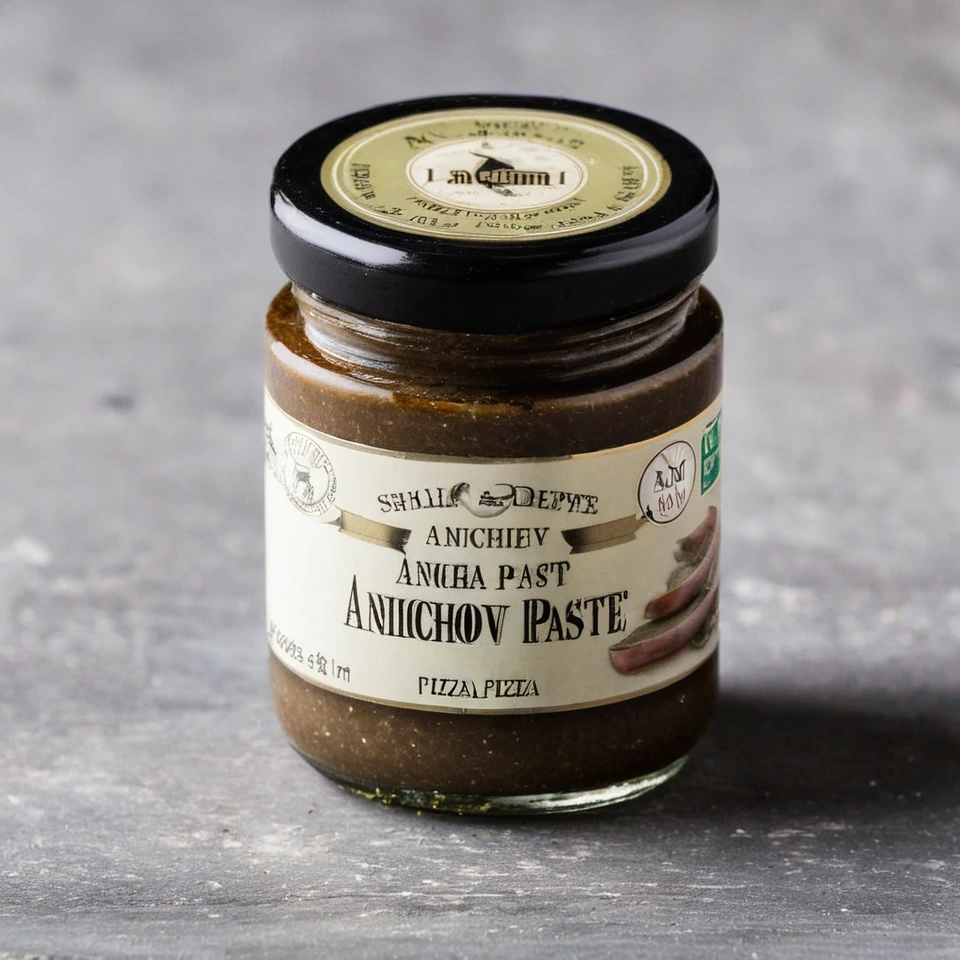
Anchovy Paste
Anchovy paste is a rich, salty spread made from finely ground anchovies, salt, and sometimes olive oil. It offers a deep umami flavor that enhances a variety of dishes.

Anaheim Peppers
Anaheim peppers are a mild chili pepper variety named after Anaheim, California, where they were first cultivated commercially. Originating from the New Mexico region, these peppers are celebrated for their versatility and gentle heat. They possess a flavor that is mildly sweet with a subtle tang, and a pleasant vegetal note reminiscent of green bell peppers, but with a hint of spice. Their texture is firm and crisp when fresh, becoming tender and slightly smoky when roasted or cooked. In cooking, Anaheim peppers behave well across a range of techniques, from grilling and roasting to stuffing and sautéing, contributing a nuanced depth without overwhelming other ingredients with heat.
Recipes to try
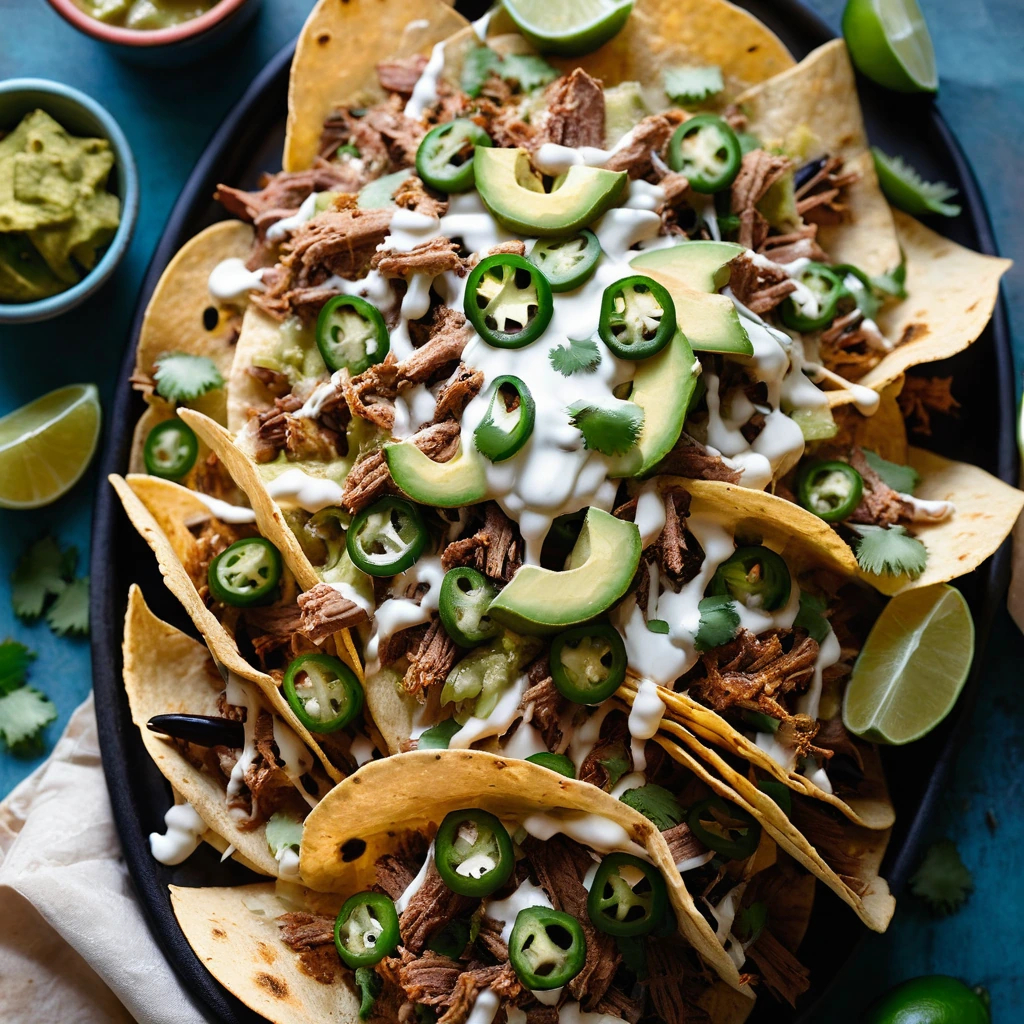
Pork Carnitas Nachos with Queso and Jalapeños
Crispy tortilla chips smothered in tender pork carnitas, melty queso, and zesty jalapeños for a fiesta in your mouth.
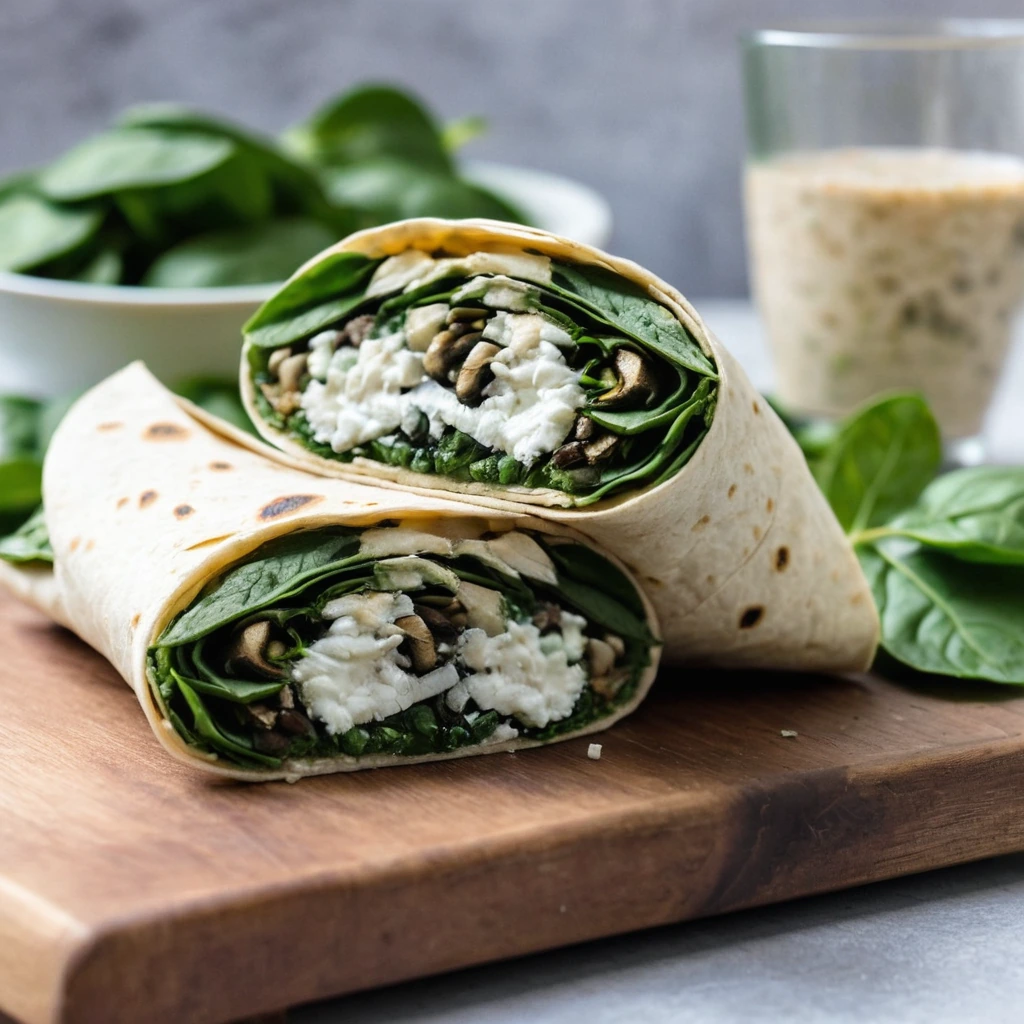
Spinach, Mushroom, and Feta Breakfast Wraps
These wraps are a cozy morning hug in a tortilla—creamy feta, earthy mushrooms, and vibrant spinach meld into a hearty breakfast.