Grilling: Oil-on-Food vs Oil-on-Grates Debate
Grilling is an art that requires finesse, and one of the most hotly debated topics among grill masters is whether to oil the food or the grates. Each method has its proponents, and understanding the nuances can elevate your grilling game. Oiling the food ensures a flavorful crust and prevents sticking, while oiling the grates can lead to those coveted grill marks and ease of flipping. However, both techniques come with their own set of considerations. When oiling the food, you have more control over how much oil is used, and you avoid the risk of flare-ups caused by oil dripping onto the heat source. On the other hand, oiling the grates creates a non-stick surface and can help maintain the integrity of delicate foods like fish fillets. The debate also extends to the type of oil used, with high smoke point options like canola or vegetable oil being preferred to prevent burning. Ultimately, the choice between oiling food or grates depends on your grilling goals, the type of food you're cooking, and personal preference. Let's dive into the details of each method to help you decide which works best for your next backyard barbecue.
Notes
The choice between oiling the food or the grates boils down to science and practicality. Oiling food creates a protective layer that enhances browning through the Maillard reaction, while oiling grates reduces friction and prevents food from sticking. Be cautious of flare-ups when oiling grates, as excess oil can ignite. A common mistake is using an oil with a low smoke point, which can lead to unpleasant flavors and potentially hazardous fumes. Safety is paramount; never use a spray bottle to oil hot grates due to the risk of fire. For make-ahead convenience, oil and season your food ahead of time, storing it in the fridge for up to a day. Leftover grilled food can be stored in an airtight container in the fridge for up to 3 days.
Steps
- 1 Preheat your grill to the desired temperature, typically between 375°F and 450°F for most grilling.
- 2 If oiling the grates, use a high smoke point oil and apply it with a folded paper towel using tongs while the grill is hot.
- 3 Alternatively, if oiling the food, pat your ingredients dry with a paper towel first to ensure even browning.
- 4 Brush a thin, even layer of oil onto the surface of the food using a pastry brush or your hands.
- 5 Season the food immediately after oiling to help the spices stick.
- 6 Place the food onto the preheated grill grates gently to avoid splattering.
- 7 Monitor the food closely, flipping only when it releases easily from the grates, usually after 3-5 minutes.
- 8 Adjust the heat as necessary to prevent burning and ensure even cooking.
- 9 Remove the food from the grill when it reaches the desired level of doneness.
- 10 Rest the food for a few minutes before serving to allow juices to redistribute.
Ingredients to explore
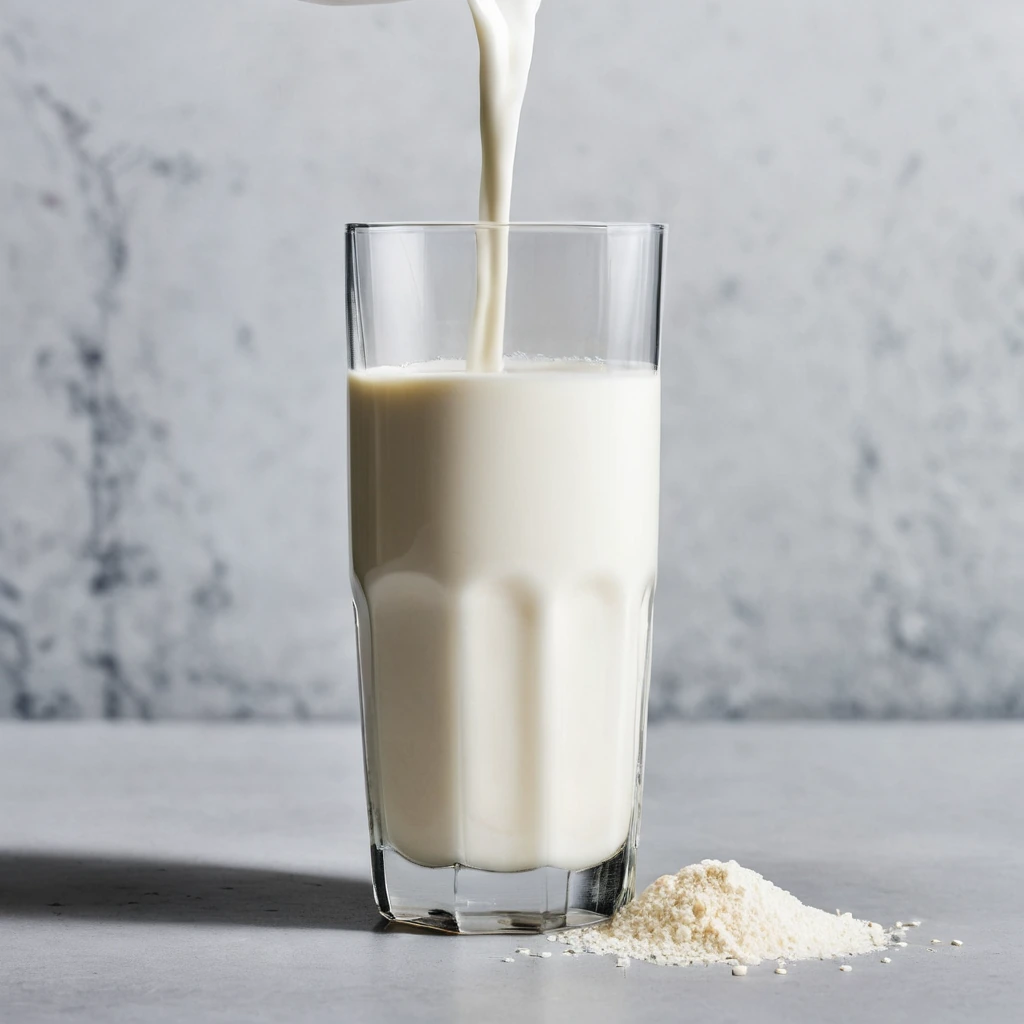
2% Milk
Creamy and just a touch lighter than whole milk, 2% milk offers a perfect balance of richness and reduced fat. Its smooth texture and subtle sweetness make it a delightful choice for sipping or cooking.
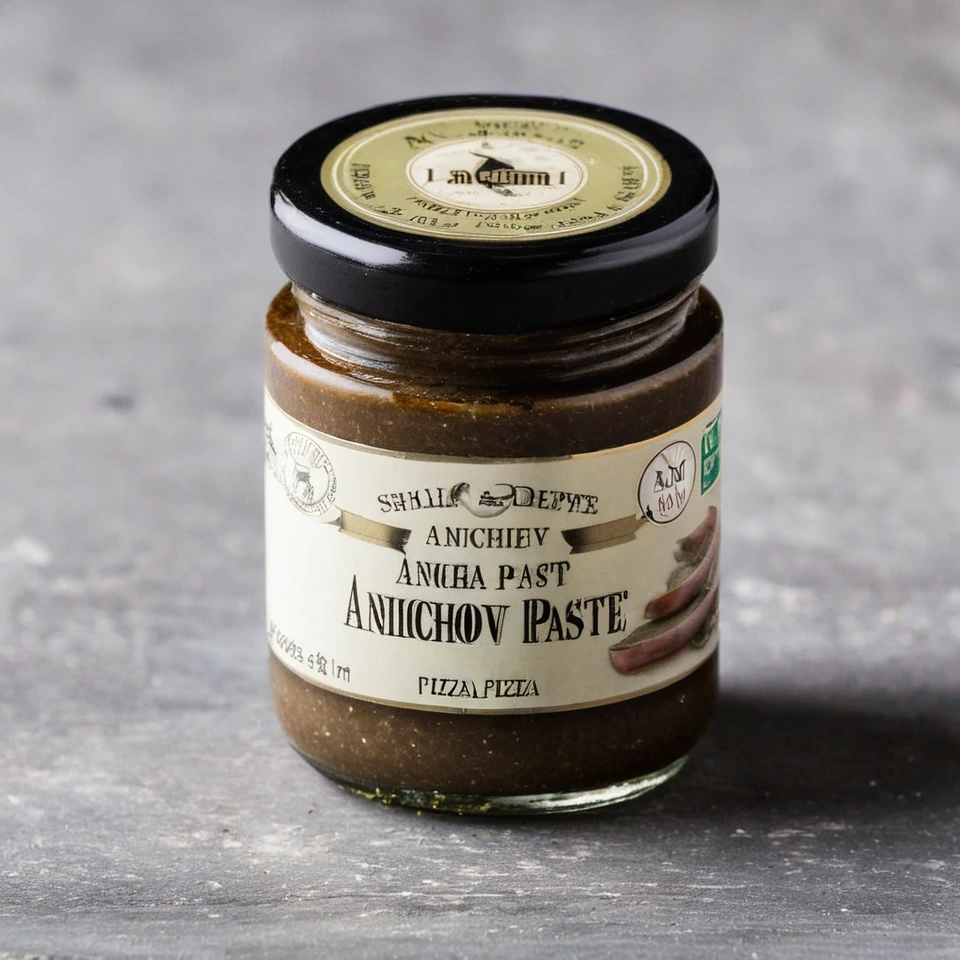
Anchovy Paste
Anchovy paste is a rich, salty spread made from finely ground anchovies, salt, and sometimes olive oil. It offers a deep umami flavor that enhances a variety of dishes.
Recipes to try
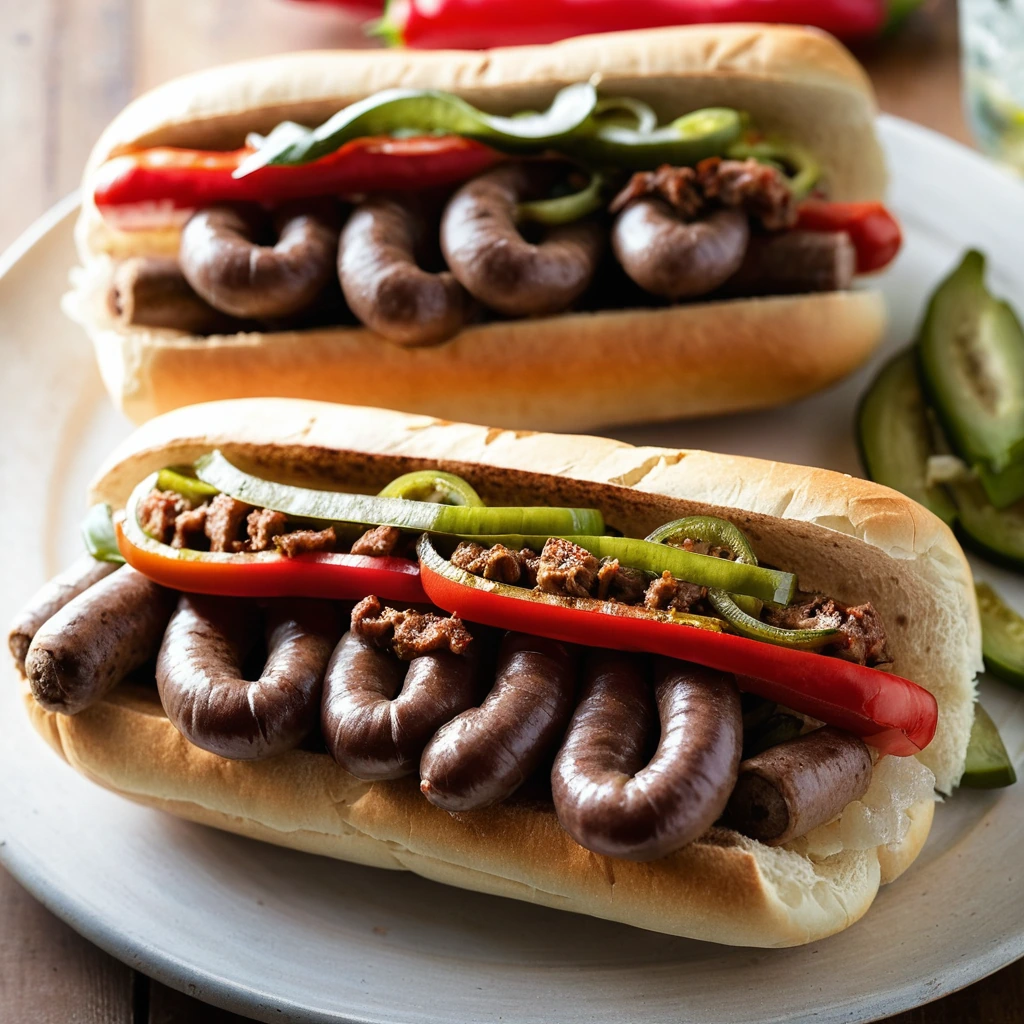
Sausage, Pepper, and Onion Hoagies
Juicy Italian sausages nestled in soft hoagie rolls with a sweet and smoky medley of peppers and onions.
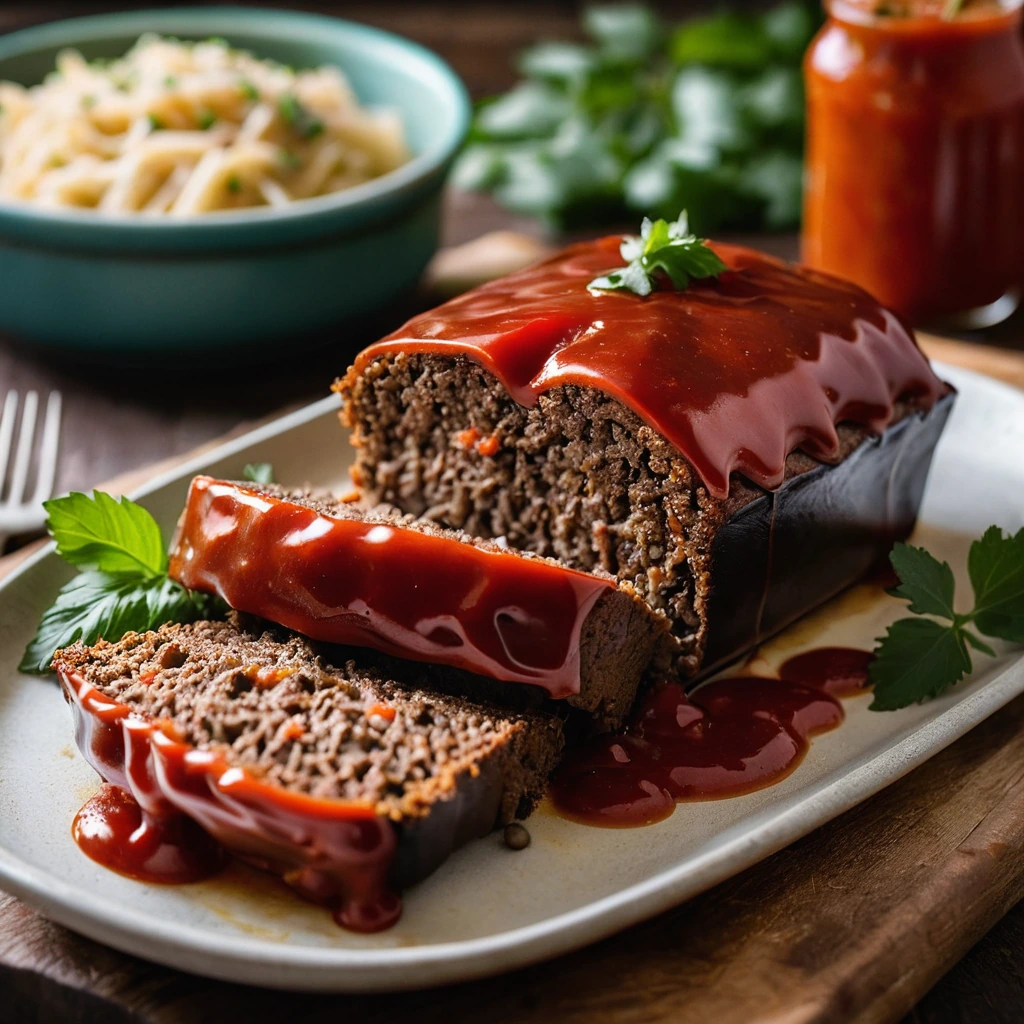
Pepper Jack Stuffed Meatloaf with Salsa Glaze
A savory meatloaf stuffed with gooey pepper jack cheese and topped with a tangy, zesty salsa glaze that'll have your taste buds doing a happy dance.