Grill: Managing Flare Ups and Hot Spots
Grilling is an art that requires skill, patience, and a good understanding of your equipment. One of the most challenging aspects of grilling is managing flare-ups and hot spots. Flare-ups occur when fat or grease from your food drips onto the heat source, causing a burst of flame. Hot spots are areas on the grill that are significantly hotter than others, often due to uneven heat distribution. Both can lead to unevenly cooked food or even burnt disasters. This technique will guide you through understanding why these phenomena occur and how to control them effectively. First, it's important to recognize the signs of a flare-up: sudden flames and intense heat. Hot spots can be identified by observing the grill grates for areas that are glowing brighter than others. Managing these issues involves a combination of preparation, technique, and quick thinking. By employing strategies like trimming excess fat, preheating your grill properly, and understanding how to adjust your grill's vents, you can maintain control over your cooking environment. Additionally, learning how to use indirect heat and rearranging your food on the grill can prevent disasters and ensure evenly cooked meals. This guide will provide you with practical steps to identify and manage flare-ups and hot spots, turning potential hazards into opportunities for culinary success.
Notes
Understanding the science behind flare-ups and hot spots is crucial for successful grilling. Flare-ups are essentially uncontrolled combustion caused by grease igniting over the heat source. By reducing the amount of grease that reaches the heat source, you minimize this risk. Hot spots are a natural consequence of heat distribution in grills, especially with charcoal. Adjusting vents and rearranging coals can mitigate this issue. Common mistakes include overcrowding the grill, which can exacerbate flare-ups, and ignoring hot spots, leading to uneven cooking. Always prioritize safety by having a fire extinguisher nearby and never leaving your grill unattended. For make-ahead convenience, you can prepare and trim your meats in advance, storing them in the fridge until ready to grill. After cooking, allow your grill to cool completely before covering it to prevent rusting.
Steps
- 1 Trim excess fat from your meats to reduce potential flare-ups.
- 2 Preheat your grill to the desired temperature, ensuring even heat distribution.
- 3 Observe your grill grates for hot spots, identified by brighter glowing areas.
- 4 For gas grills, adjust the burners to balance the heat across the grill surface.
- 5 For charcoal grills, spread the coals evenly or create zones for direct and indirect heat.
- 6 Keep a spray bottle of water nearby to quickly extinguish small flare-ups.
- 7 Move food away from flare-ups to a cooler part of the grill to prevent burning.
- 8 Use a lid to control airflow and reduce oxygen supply to flare-ups.
- 9 Employ indirect grilling techniques for larger cuts of meat to avoid constant flare-ups.
- 10 Monitor your grill regularly to catch flare-ups early and adjust food positioning.
- 11 Use a drip pan to catch grease and reduce the likelihood of flare-ups.
- 12 Close the grill lid when not actively cooking to maintain consistent temperatures.
- 13 After cooking, clean your grill grates to remove grease buildup that can cause future flare-ups.
Ingredients to explore
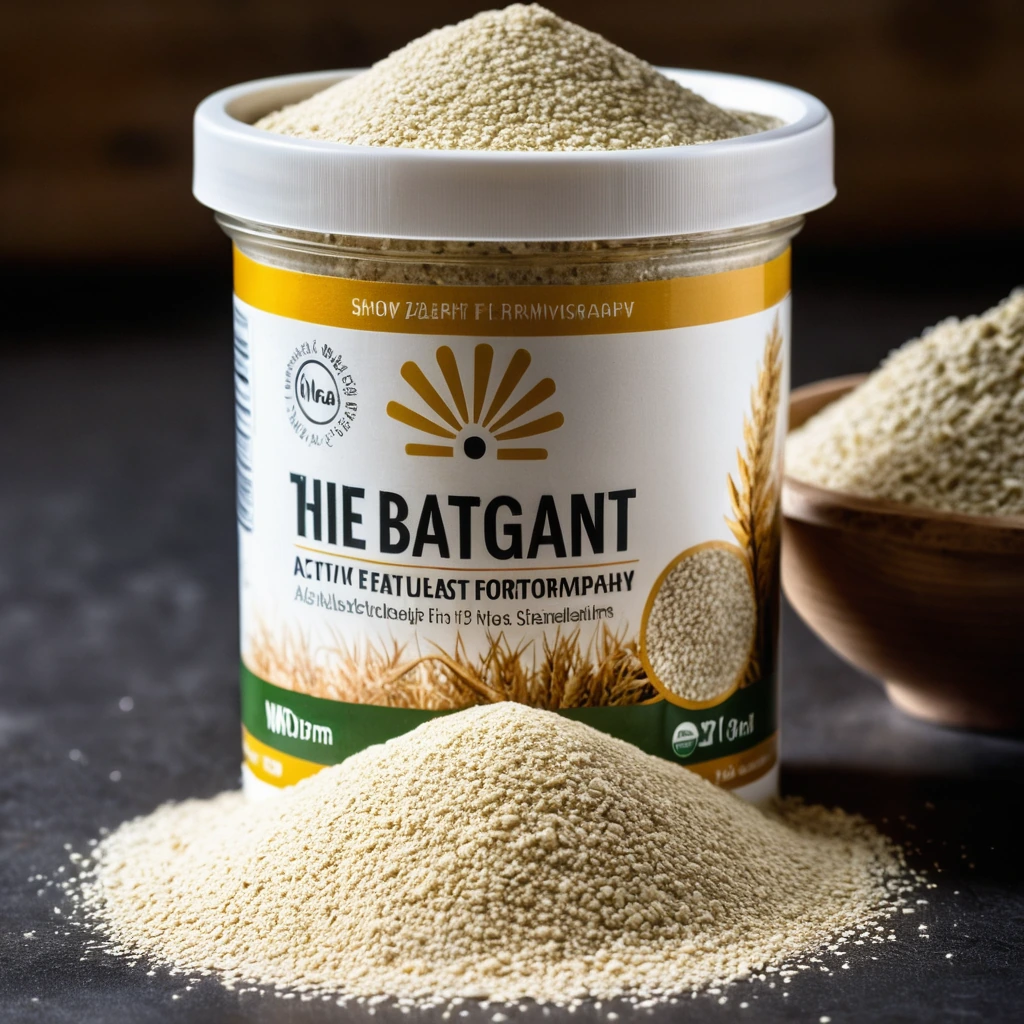
Active Dry Yeast
A fine, granulated leavening agent that brings baked goods to life with its gentle fermentation magic.
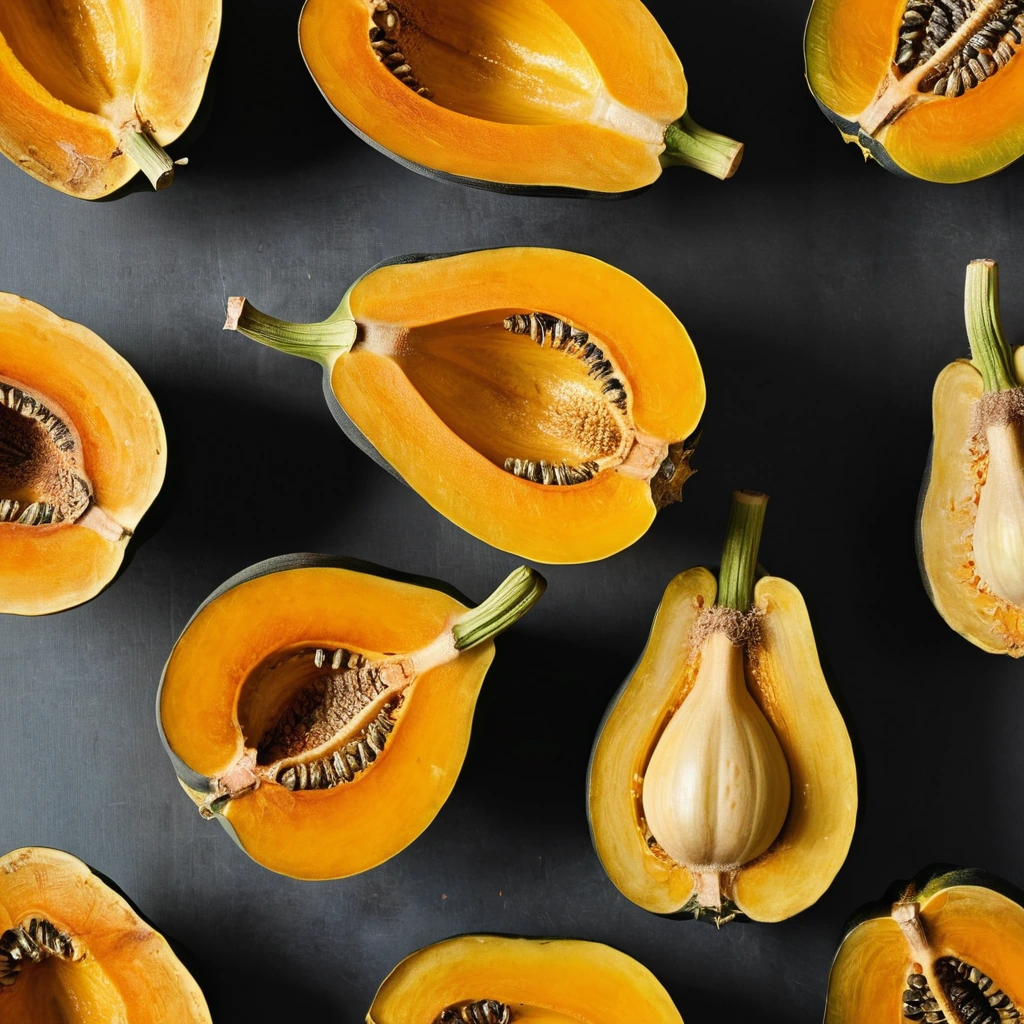
Acorn Squash
Acorn squash is a winter squash variety known for its distinctive teardrop shape and deep ridges resembling the texture of an acorn shell. Originating in the Americas, it has been cultivated for centuries and is a staple in autumn cuisine. The flesh is sweet and nutty with a hint of earthiness, offering a delightful contrast to savory dishes. Its texture is dense yet tender when cooked, making it ideal for roasting or pureeing. In cooking, acorn squash holds its shape well and absorbs flavors from herbs and spices, enhancing both its taste and versatility in recipes.