Grill: Creating a Two Zone Fire with Charcoal
Creating a two-zone fire on a charcoal grill is a fundamental technique that allows you to cook food with both direct and indirect heat. This method is perfect for grilling a variety of dishes, from searing steaks to slow-roasting whole chickens. The direct zone provides high heat for searing and quick cooking, while the indirect zone offers a gentler heat for slower cooking and preventing flare-ups. Mastering this technique requires understanding how to arrange your charcoal, control airflow, and maintain consistent temperatures. The setup might seem daunting at first, but with practice, it becomes second nature. It's a versatile approach that accommodates different types of food and cooking styles, enhancing your grilling repertoire. The key to success lies in patience and attention to detail. Learning to create and manage a two-zone fire will elevate your grilling game, providing you with the flexibility to cook almost anything outdoors.
Notes
The two-zone fire technique works by dividing your grill into areas of different heat intensities, giving you flexibility in cooking methods. The science behind it lies in controlling airflow and heat distribution. Common mistakes include overcrowding the direct zone, which can lead to uneven cooking and flare-ups. Ensure proper ventilation to maintain consistent temperatures. For safety, always use heat-resistant gloves when handling hot charcoal and keep a fire extinguisher nearby. To make ahead, you can preheat your grill and let it stabilize before cooking. For storage, allow the grill to cool completely before covering to prevent rusting.
Steps
- 1 Open the vents on your charcoal grill to allow air flow.
- 2 Arrange approximately 40-50 briquettes in a single layer on one side of the charcoal grate.
- 3 Light the briquettes using a chimney starter for consistent ignition.
- 4 Once the coals are ashed over and glowing orange, pour them carefully into the arranged pile.
- 5 Leave the other side of the grill empty to create the indirect heat zone.
- 6 Place the cooking grate back onto the grill.
- 7 Use a grill thermometer to monitor the temperature in both zones.
- 8 Adjust the vents to maintain a consistent temperature, typically 350°F to 450°F for direct and 250°F to 350°F for indirect.
- 9 Place your food in the direct zone for searing or the indirect zone for slower cooking.
- 10 Flip food cooked in the direct zone frequently to avoid burning.
- 11 Move food to the indirect zone if it starts to char too quickly.
- 12 Close the lid to maintain consistent temperatures and cook evenly.
- 13 Check and adjust vents as needed throughout the cooking process.
- 14 Use a meat thermometer to ensure your food reaches the correct internal temperature.
Ingredients to explore
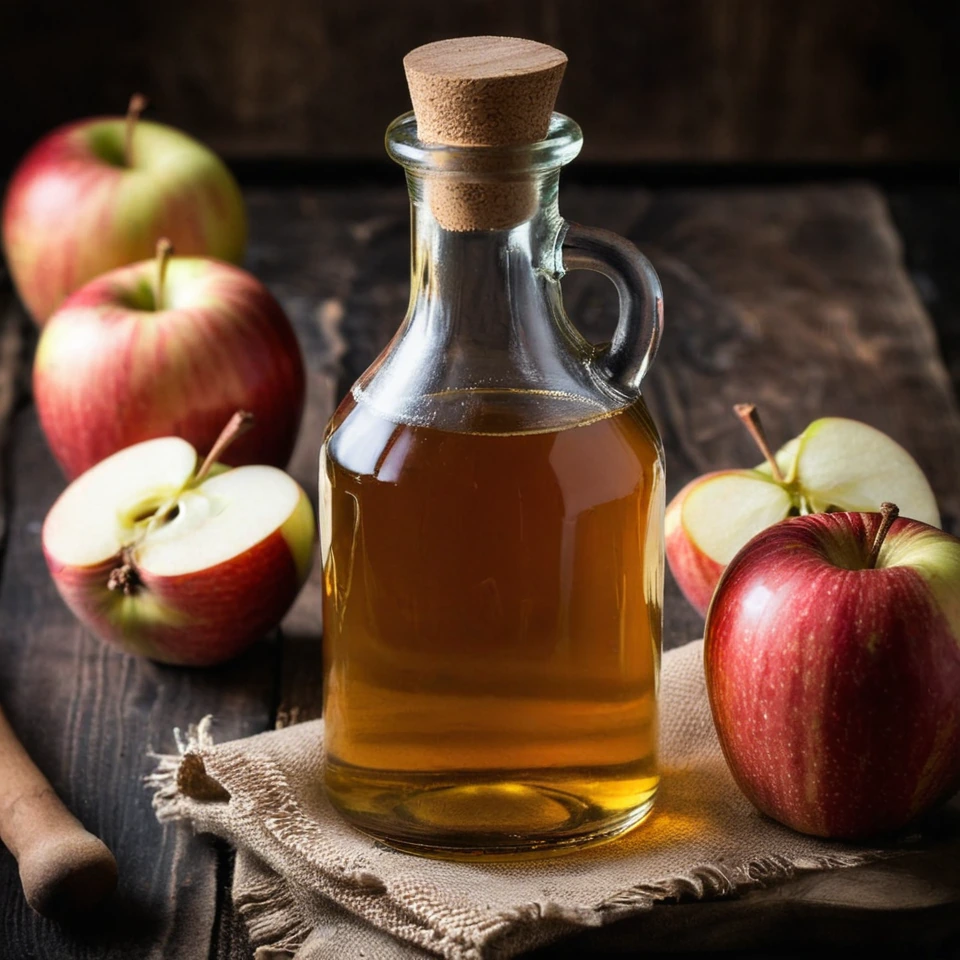
Apple Cider Vinegar
Apple cider vinegar is a type of vinegar made through the fermentation of apple cider, resulting in a tangy, slightly sweet liquid with a pale to medium amber color.
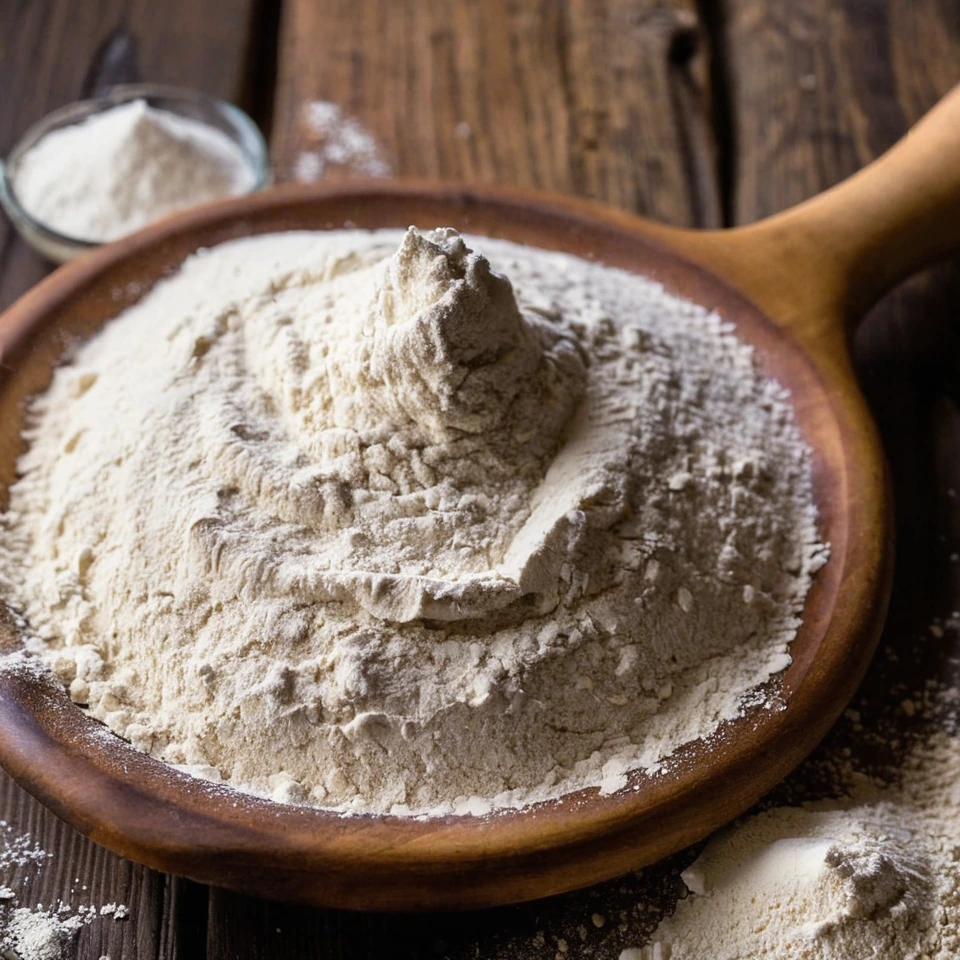
All-Purpose Flour
All-purpose flour is a versatile wheat flour that contains a moderate level of protein and gluten, making it suitable for a wide range of baking and cooking needs.
Recipes to try
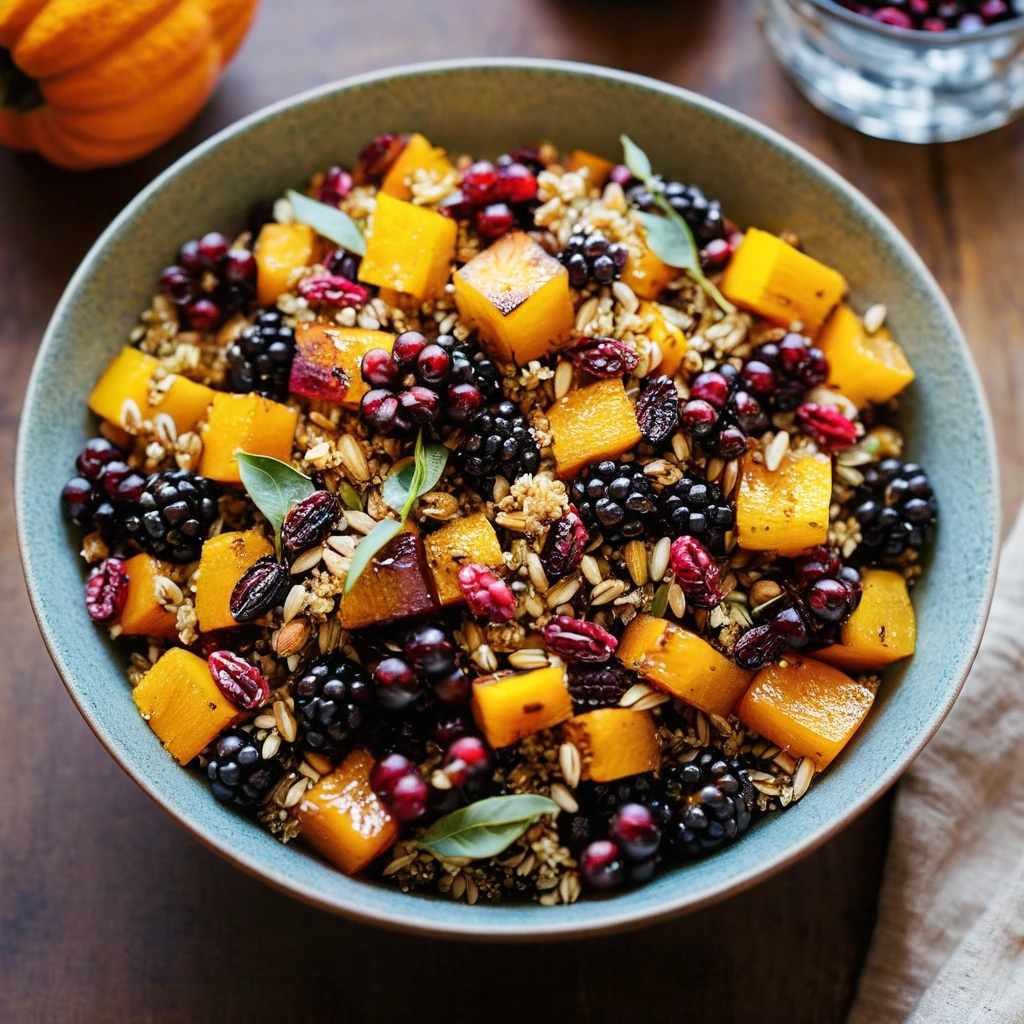
Warm Quinoa Salad with Roasted Squash and Cranberries
A cozy mix of nutty quinoa, tender roasted squash, and sweet cranberries makes this salad a fall favorite.
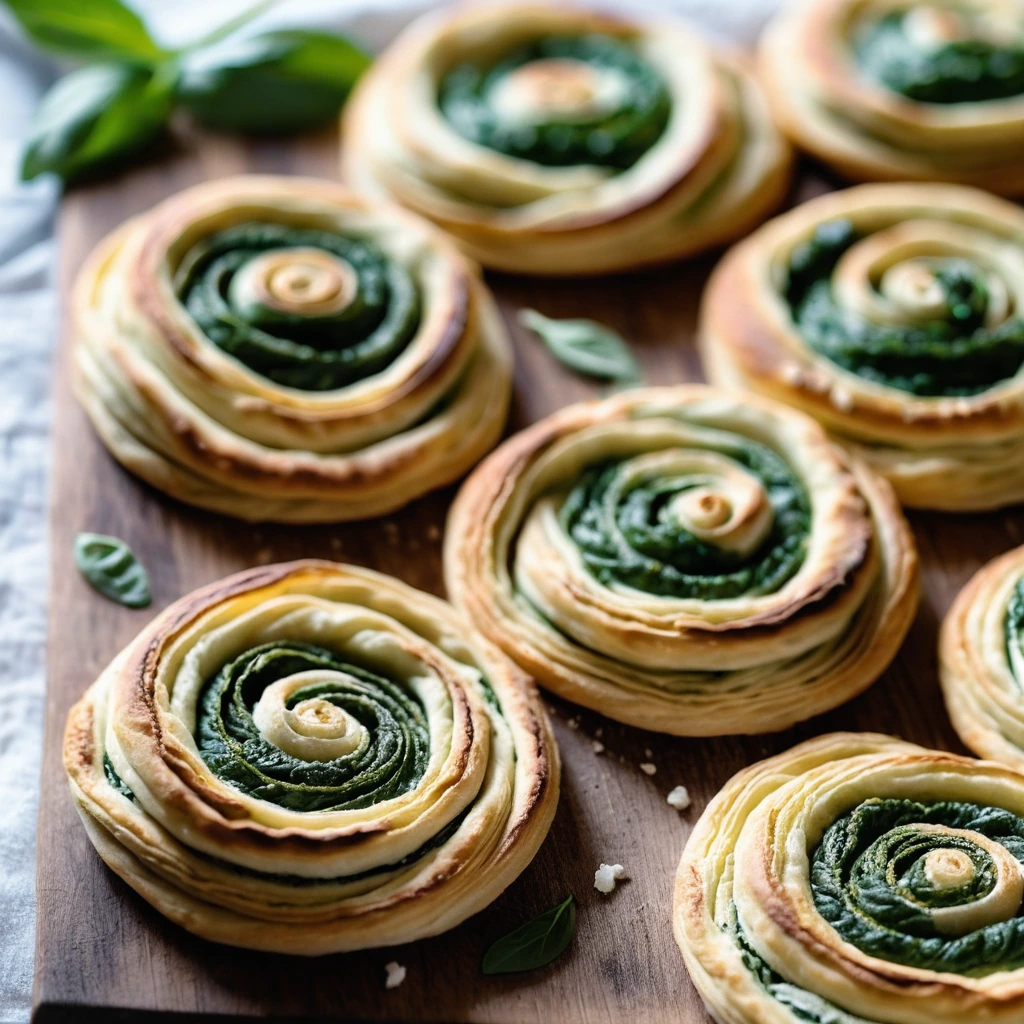
Spinach and Feta Puff Pastry Swirls
Golden, flaky layers of puff pastry embrace a savory mix of spinach and tangy feta in these irresistible swirls.