Grain Technique: Simmering Barley Until Chewy, Not Mushy
Simmering barley is an art that transforms this humble grain into a chewy, satisfying component of countless dishes. The secret lies in understanding barley's unique structure and how heat interacts with its tough bran layer. Unlike rice or quinoa, barley requires a longer cooking time to break down without turning into a paste. This technique is crucial for dishes like soups, stews, salads, and pilafs where texture matters as much as flavor. The key is to maintain a gentle simmer, allowing the grains to absorb water evenly while retaining their integrity. Too high a heat can lead to a mushy disaster, while too low might leave the barley undercooked and hard. By carefully controlling the heat and timing, you can achieve perfectly chewy barley every time. This method works for both pearl and hulled barley, though cooking times will vary. Pearl barley is polished and cooks faster, while hulled barley retains more of its bran layer and requires a bit more patience. Understanding these nuances will elevate your culinary creations and provide a hearty, nutritious base that complements a wide range of ingredients. Whether you're a seasoned cook or just starting out, mastering this technique will add depth and texture to your meals, making them more enjoyable and wholesome.
Notes
The science behind perfectly chewy barley lies in the balance between hydration and heat. Barley's bran layer is tough, and a gentle simmer allows water to penetrate slowly without breaking down the grain entirely. Overcooking is the most common mistake, leading to a mushy texture. To avoid this, monitor the heat carefully and resist the temptation to peek too often, as this can release heat and extend cooking time. Safety is straightforward with this technique, but ensure the lid is slightly ajar to prevent pressure buildup. For make-ahead meals, cook the barley and store it in an airtight container in the refrigerator for up to 5 days, or freeze for longer storage. Reheat with a splash of water or broth to maintain texture.
Steps
- 1 Rinse 1 cup of barley under cold water until the water runs clear.
- 2 In a medium saucepan, combine the barley with 3 cups of water or broth.
- 3 Add a generous pinch of salt to enhance flavor.
- 4 Bring the mixture to a gentle boil over medium heat.
- 5 Once boiling, reduce the heat to low, ensuring a gentle simmer.
- 6 Cover the saucepan with a tight-fitting lid, leaving it slightly ajar to allow steam to escape.
- 7 Simmer pearl barley for 25-30 minutes or hulled barley for 45-60 minutes.
- 8 Check the barley periodically, stirring gently to prevent sticking.
- 9 If the liquid evaporates too quickly, add a splash more water or broth as needed.
- 10 The barley is done when it is tender but still chewy, with a visible grain structure.
- 11 Drain any excess liquid if desired, or let it absorb fully for a creamier texture.
- 12 Remove from heat and let it rest, covered, for 5 minutes.
- 13 Fluff with a fork before serving to separate the grains.
Ingredients to explore
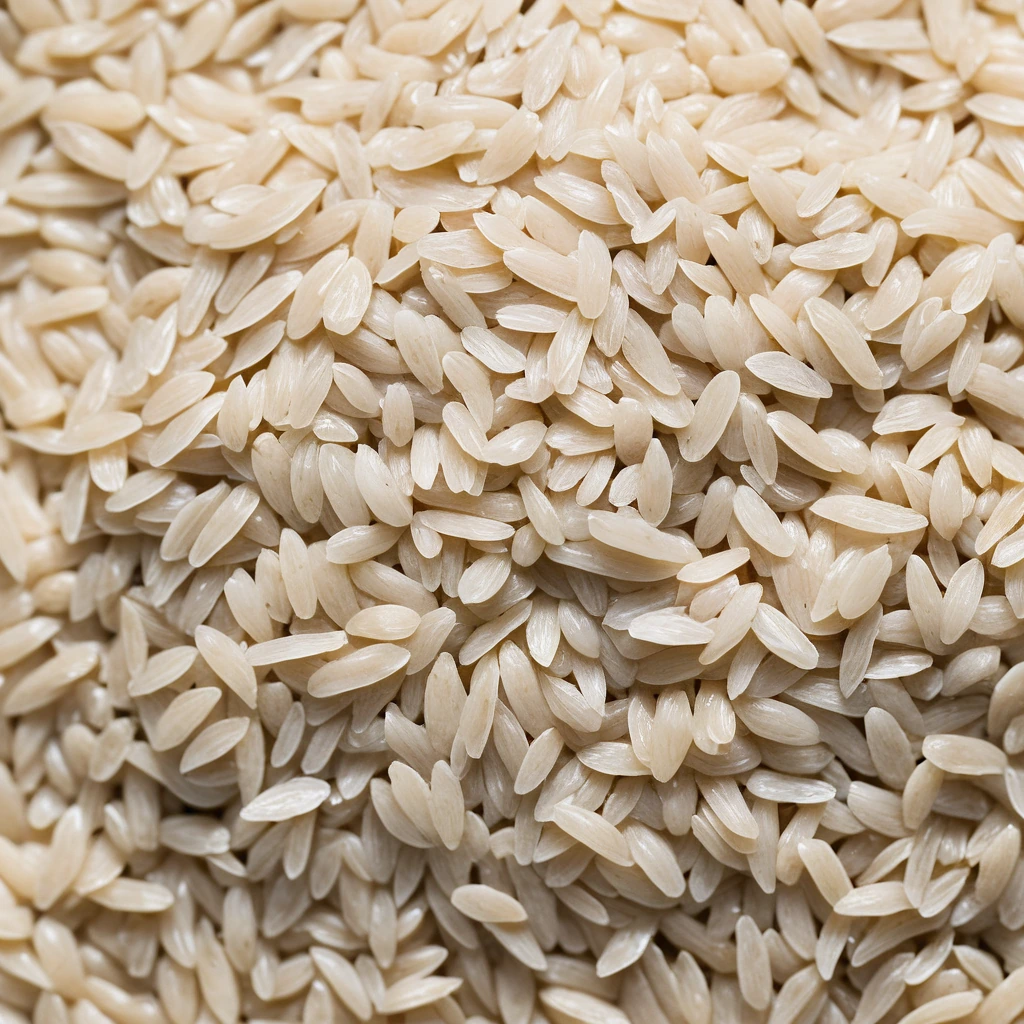
Arborio Rice
Arborio rice is a short-grain Italian rice variety renowned for its use in risotto. Originating from the Po Valley in Northern Italy, it is a staple in Italian cuisine. Its flavor is mild and nutty, with a pleasant creamy texture when cooked due to its high amylopectin content, which releases starch and creates a velvety consistency. The grains remain plump and firm to the bite, offering a satisfying chewiness. In cooking, Arborio rice excels at absorbing flavors from broths and seasonings while maintaining its shape, making it ideal for dishes that require both creaminess and structure.
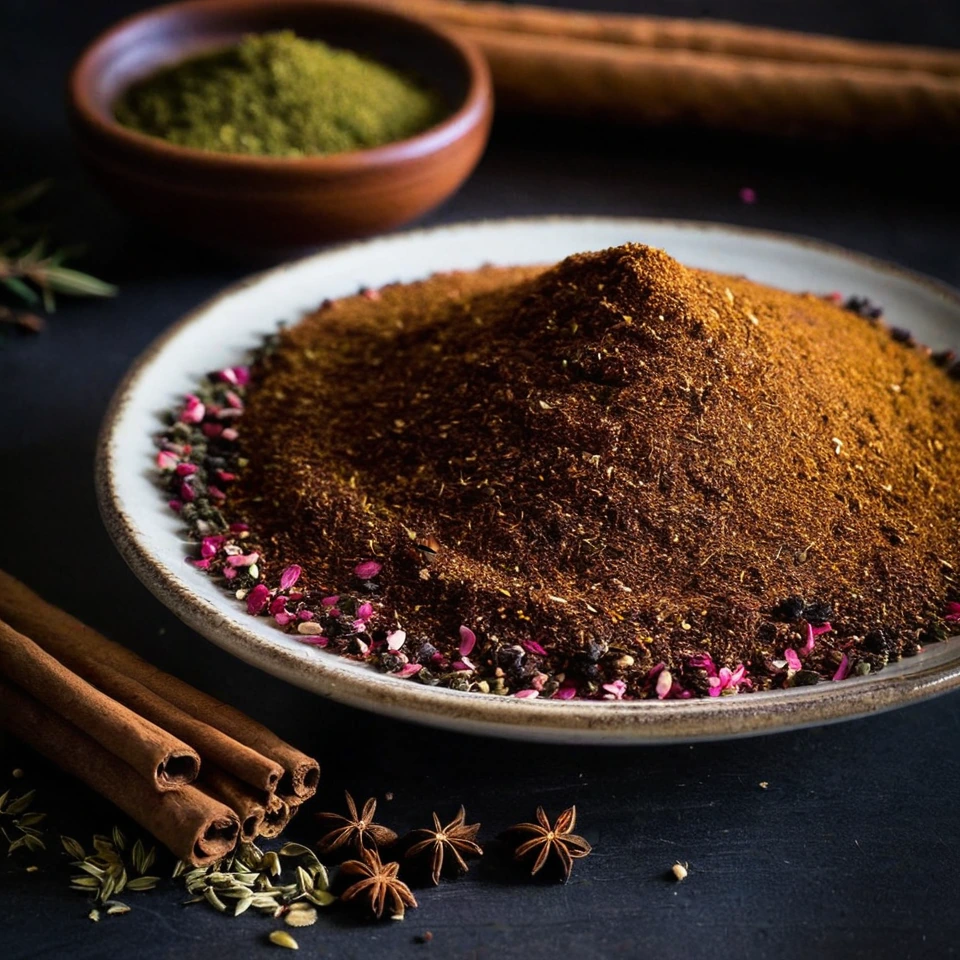
Advieh (Persian Spice Blend)
Advieh is a fragrant Persian spice blend that boasts a complex aroma of warm cinnamon, earthy cumin, and floral hints of rose and saffron. Its texture is finely ground, making it easy to incorporate into dishes. Originating from the rich culinary traditions of Iran, advieh adds depth and sophistication to both savory and sweet recipes. Its unique combination of spices reflects the historical spice trade routes that influenced Persian cuisine.
Recipes to try
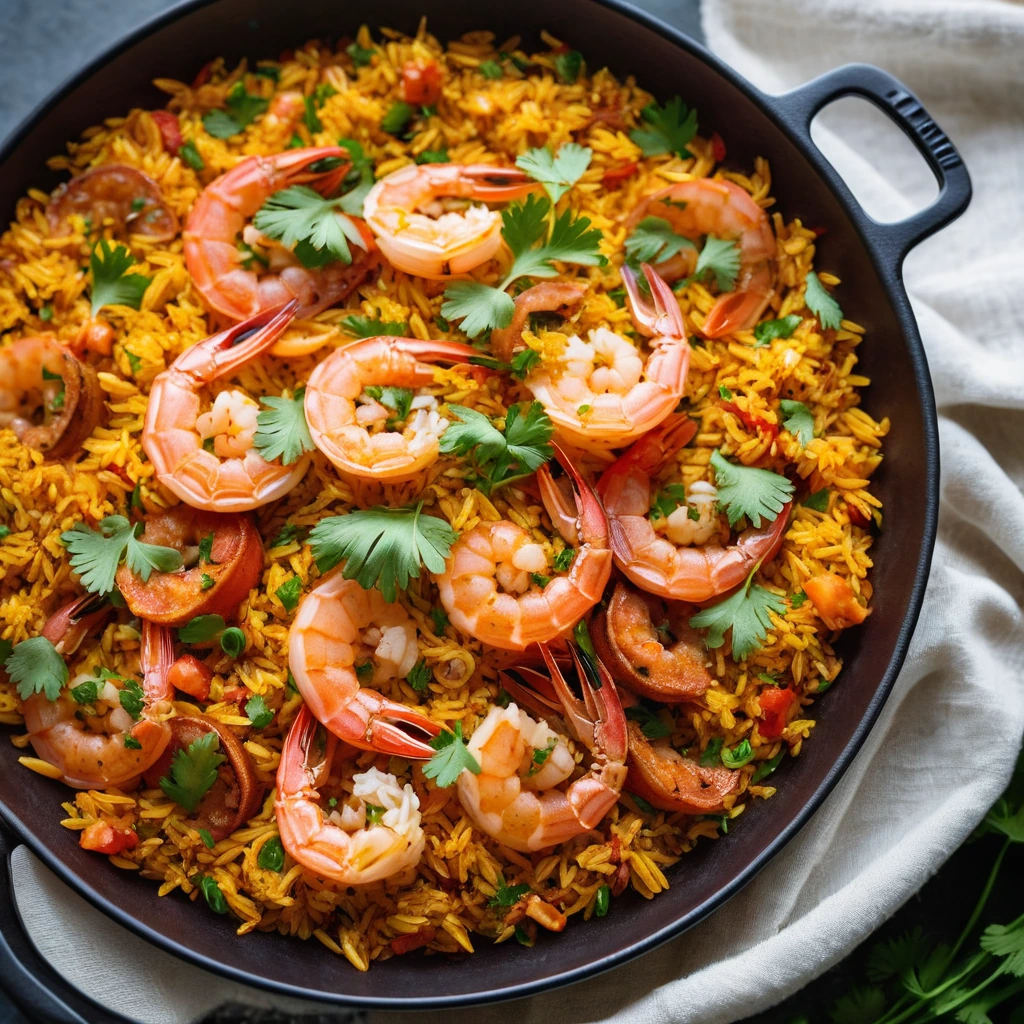
Shrimp and Chorizo Rice Skillet
A zesty, one-pan wonder where plump shrimp and smoky chorizo mingle with fragrant rice, creating a fiesta in every bite.
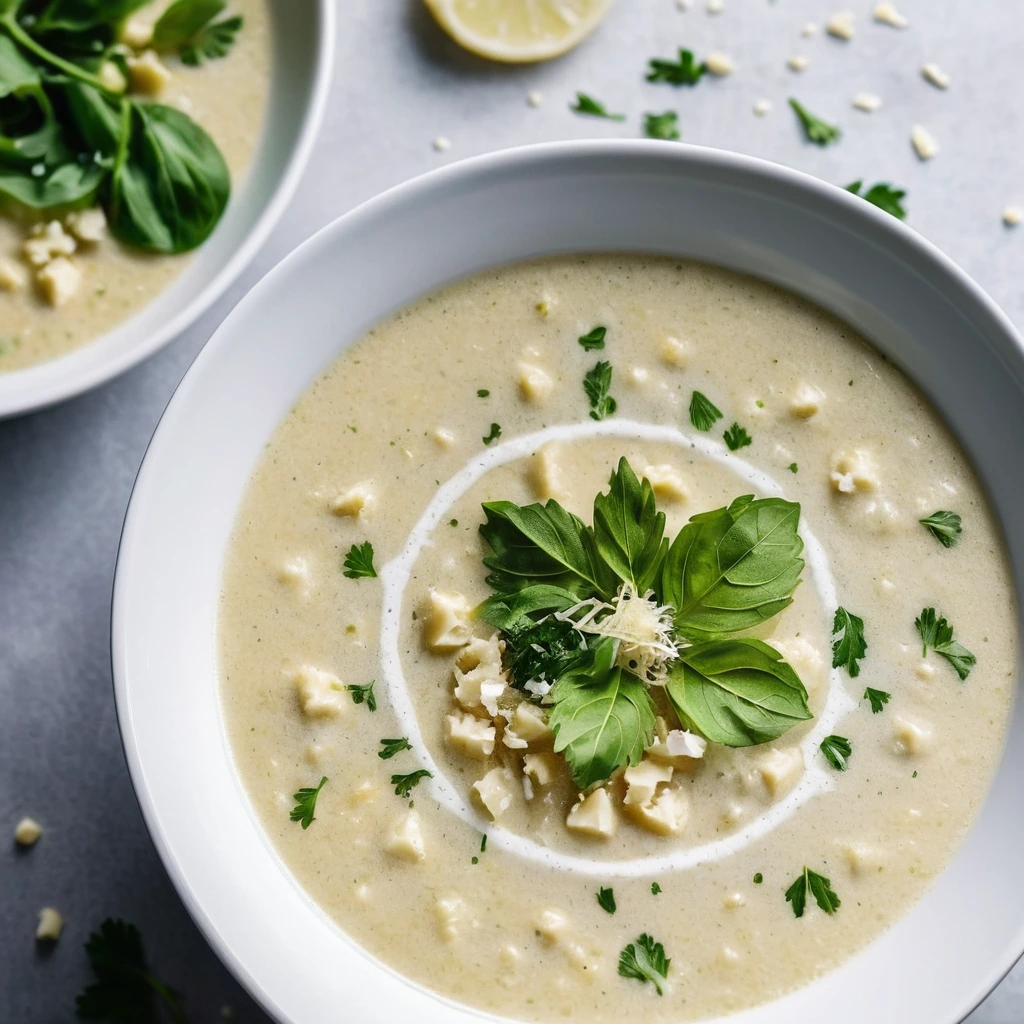
Roasted Cauliflower and Garlic Soup with Parmesan
This velvety soup is a symphony of roasted cauliflower and garlic, kissed with nutty Parmesan for a cozy, crave-worthy bowl.