Grain Technique: Crisping Cooked Pasta in a Skillet for Texture
Achieving perfectly crisped pasta might sound like a feat reserved for professional chefs, but with the right technique, you can turn your leftovers into a delightful dish with a satisfying crunch. This method transforms ordinary cooked pasta into a textural masterpiece by employing high heat and minimal moisture. The key to this technique is to use a skillet to create a golden, crispy exterior while maintaining the pasta's tender interior. It's perfect for dishes like pasta frittatas, crispy pasta salads, or simply as a crunchy topping for soups. Understanding the science behind crisping pasta can elevate your cooking game, making your dishes stand out with just a few simple steps. First, you'll need to ensure your pasta is properly cooked and cooled, as residual moisture can hinder crisping. Second, selecting the right skillet is crucial; a well-seasoned cast iron skillet works best due to its heat retention and distribution. Finally, mastering the balance between oil quantity and heat control will give you that sought-after crunch without overcooking. Let's dive into the specifics of this technique to bring your pasta dishes to life.
Notes
The science behind crisping pasta lies in the Maillard reaction, which occurs when amino acids and reducing sugars react under heat, creating complex flavors and brown colors. Ensuring your pasta is dry before hitting the skillet is crucial, as moisture can lower the oil's temperature and lead to steaming rather than crisping. A common mistake is overcrowding the skillet, which drops the temperature and leads to soggy pasta instead of crispy. For safety, always handle the hot skillet with oven mitts and avoid flipping pasta too soon to prevent sticking. This technique is ideal for day-old pasta, as fresh pasta holds more moisture. Store any leftovers in an airtight container for up to two days, though they're best enjoyed immediately for maximum crispiness.
Steps
- 1 Cook your pasta until al dente according to package instructions, then drain and rinse under cold water to cool completely.
- 2 Pat the pasta dry with paper towels to remove any excess moisture.
- 3 Heat 2 tablespoons of olive oil in a cast iron skillet over medium-high heat until shimmering.
- 4 Add a single layer of pasta to the skillet, ensuring pieces do not overlap.
- 5 Cook for 2-3 minutes until the bottom is golden brown, adjusting heat to maintain consistent browning.
- 6 Use a spatula to flip each piece of pasta, cooking for another 2-3 minutes until the other side is crisp.
- 7 Transfer the crisped pasta to a paper towel-lined plate to drain any excess oil.
- 8 Repeat with remaining pasta, adding more oil as needed.
- 9 Season the crisped pasta with salt immediately after cooking to enhance flavor.
- 10 Optional: Toss the crisped pasta with grated Parmesan or your favorite herbs for extra flavor.
Ingredients to explore
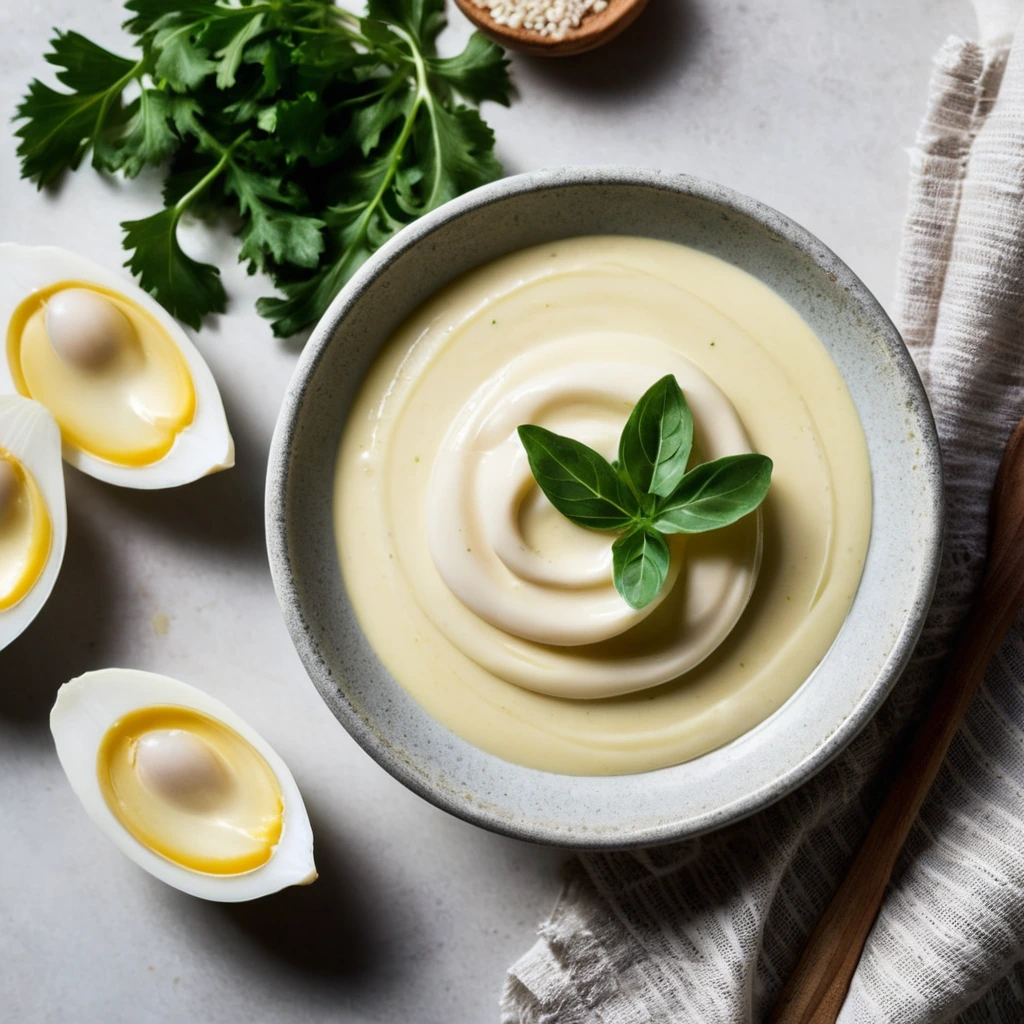
Aioli
A luscious, velvety emulsion of garlic and olive oil, aioli is a rich and aromatic sauce that dances on the palate with its creamy texture and bold, pungent flavor.
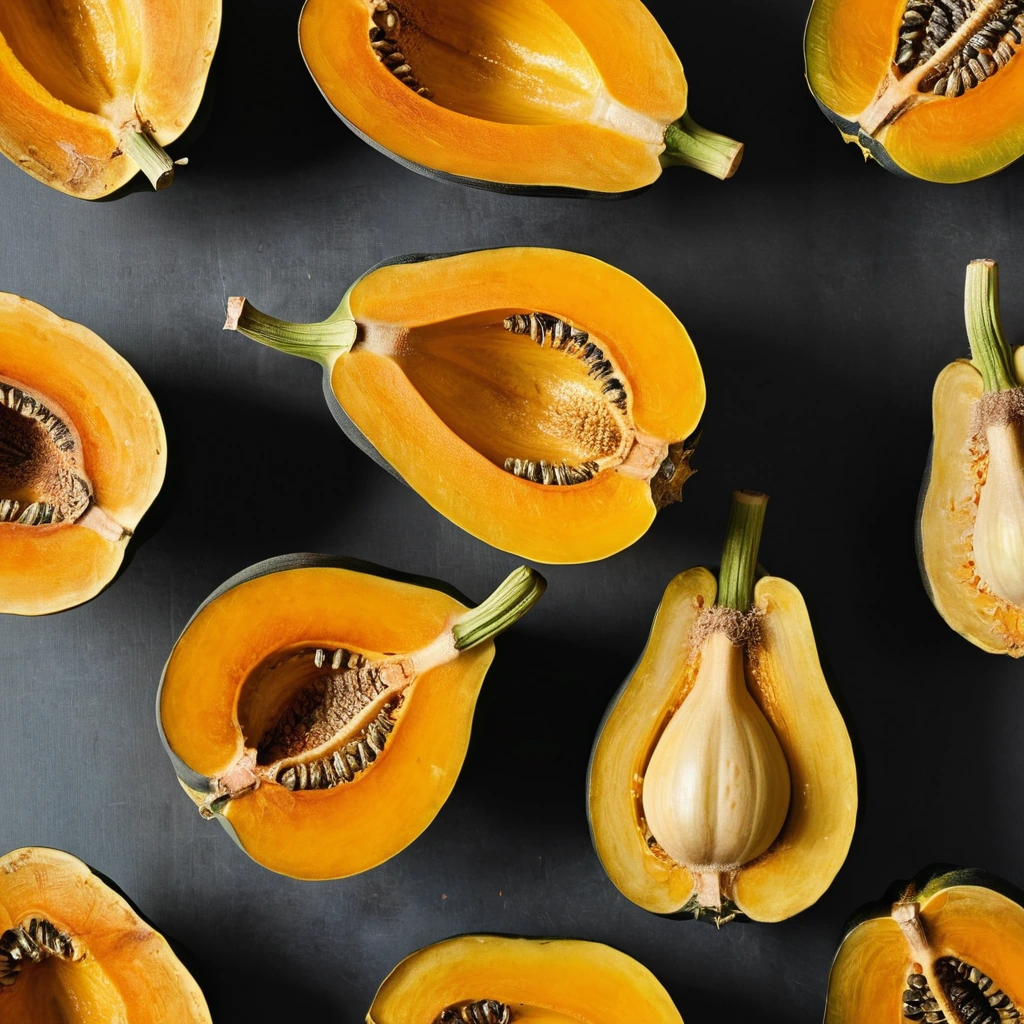
Acorn Squash
Acorn squash is a winter squash variety known for its distinctive teardrop shape and deep ridges resembling the texture of an acorn shell. Originating in the Americas, it has been cultivated for centuries and is a staple in autumn cuisine. The flesh is sweet and nutty with a hint of earthiness, offering a delightful contrast to savory dishes. Its texture is dense yet tender when cooked, making it ideal for roasting or pureeing. In cooking, acorn squash holds its shape well and absorbs flavors from herbs and spices, enhancing both its taste and versatility in recipes.
Recipes to try
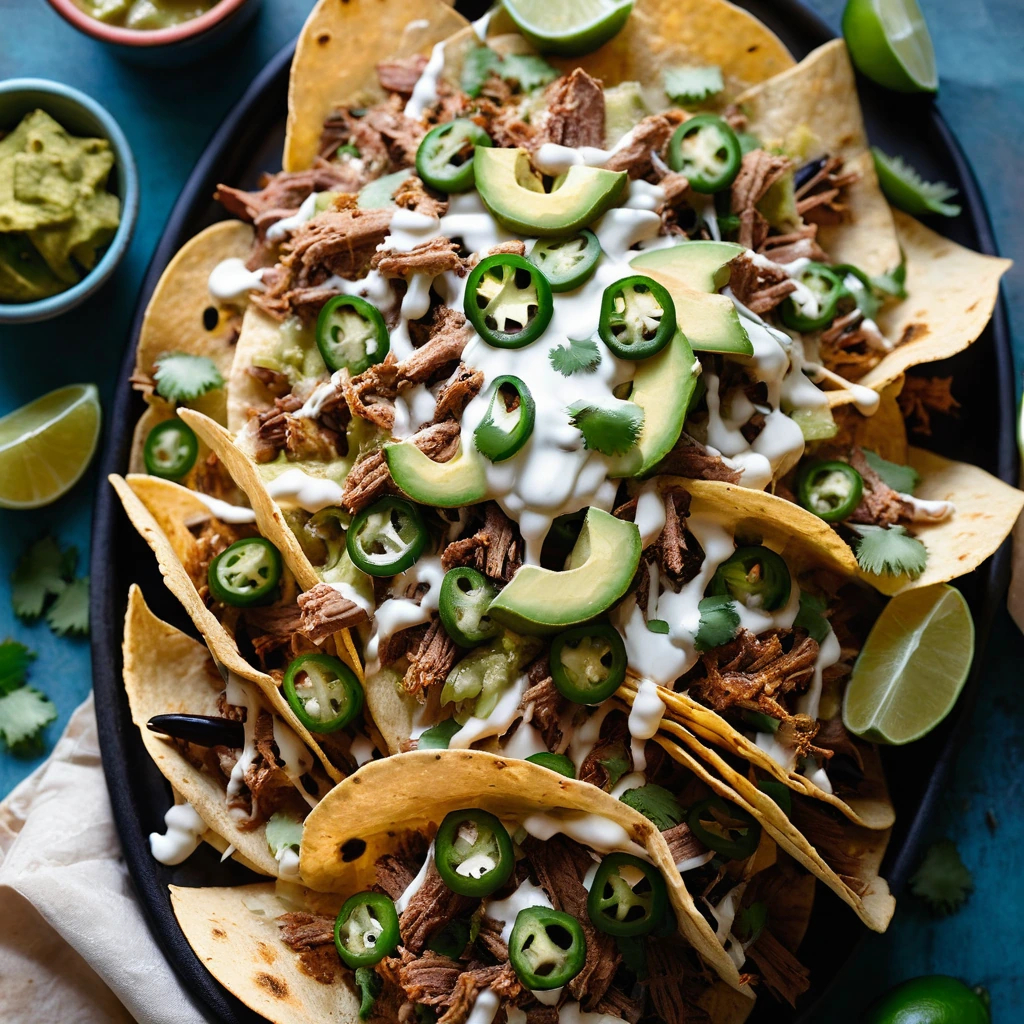
Pork Carnitas Nachos with Queso and Jalapeños
Crispy tortilla chips smothered in tender pork carnitas, melty queso, and zesty jalapeños for a fiesta in your mouth.
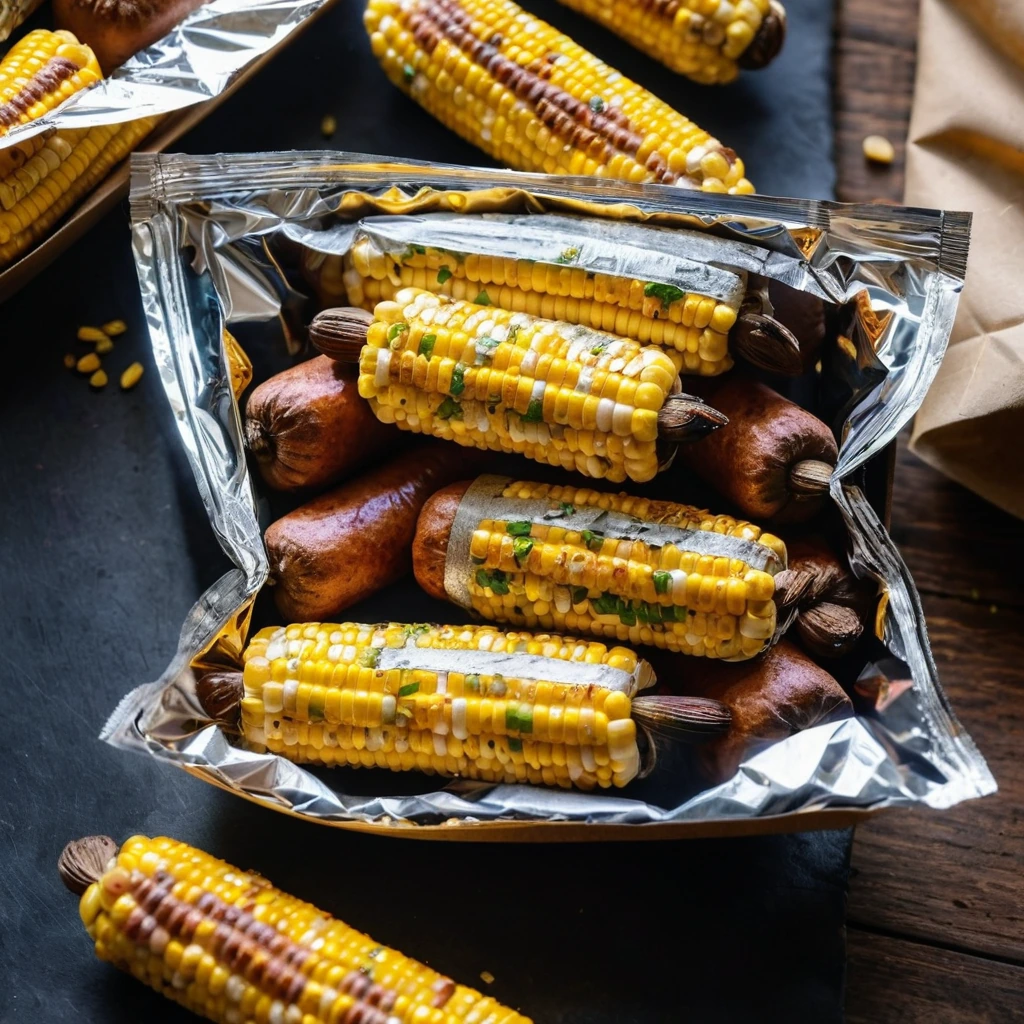
Smoky Sausage, Corn, and Potato Foil Packets
Imagine the smoky aroma of grilled sausage mingling with sweet corn and tender potatoes, all wrapped up in a neat foil packet.