Grain Technique: Choosing the Right Potato for Mash, Roast, or Fry
Potatoes are the unsung heroes of countless dishes, and selecting the right type is crucial for culinary success. Not all potatoes are created equal—they vary in starch content, moisture, and texture. Understanding these differences can transform your mashed potatoes from lumpy to luxurious, your roasted spuds from soggy to crispy, and your fries from greasy to golden perfection. Starchy potatoes like Russets are ideal for mashing because they break down easily, creating a fluffy texture. Waxy potatoes such as Red Bliss hold their shape, making them perfect for roasting or frying when you want firm, crispy results. All-purpose potatoes like Yukon Golds offer a balance of starch and moisture, yielding creamy mashed potatoes or evenly cooked roasted wedges. This guide dives into the science behind potato varieties and helps you choose the right spud for your cooking needs. Learn how starch content affects texture, why moisture matters, and how cell structure impacts the final dish. Armed with this knowledge, you'll be able to navigate the produce aisle with confidence, selecting the perfect potato for your culinary creation. Whether you're planning a comforting bowl of mash, a tray of crispy roasted potatoes, or a batch of crunchy fries, understanding potato types is your first step to success.
Notes
The starch content in potatoes is key to their behavior when cooked. High-starch potatoes break down more easily, leading to a fluffy mash, while lower-starch, waxy potatoes maintain their shape, ideal for roasting or frying. Avoid overboiling potatoes for mashing to prevent a gluey texture. When frying, ensure your oil is at the correct temperature to avoid greasy fries. Store raw potatoes in a cool, dark place, but once cooked, refrigerate mashed potatoes for up to 3 days or freeze for longer storage. Roasted potatoes can be stored in an airtight container in the fridge for up to 4 days. Always check for proper doneness to avoid undercooked centers, which can be a safety risk.
Steps
- 1 Identify your dish's requirements: mash, roast, or fry.
- 2 For mashing, choose high-starch potatoes like Russets.
- 3 For roasting, select waxy potatoes such as Red Bliss or fingerlings.
- 4 For frying, opt for starchy potatoes like Russets or Yukon Golds.
- 5 Check potatoes for firmness and avoid any with green spots or sprouts.
- 6 Scrub potatoes thoroughly under cold water, especially if you plan to leave the skin on.
- 7 Cut potatoes into evenly-sized pieces to ensure uniform cooking.
- 8 Boil starchy potatoes whole for mash to prevent them from absorbing excess water.
- 9 Roast potatoes at 425°F for a crispy exterior and fluffy interior.
- 10 Fry potatoes in oil heated to 350°F for golden, crispy fries.
- 11 Drain mashed potatoes well to avoid a gluey texture.
- 12 Toss roasted potatoes with olive oil, salt, and pepper before roasting.
- 13 Double fry your fries: first at 325°F, then at 375°F for ultimate crispiness.
- 14 Season your potatoes immediately after cooking to enhance flavor.
Ingredients to explore
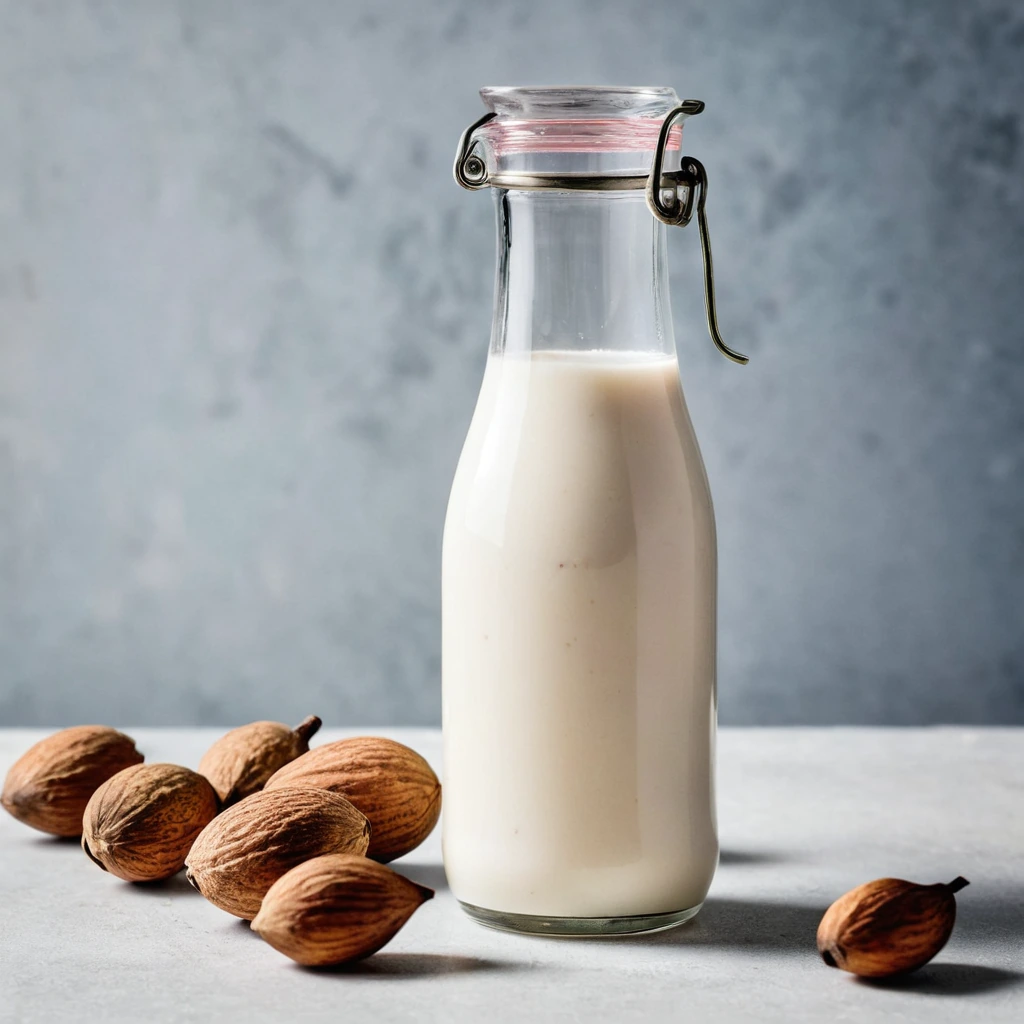
Almond Milk
Almond milk is a plant-based milk alternative made from ground almonds and water. Originating from traditional recipes in medieval Europe and the Middle East, it has gained widespread popularity in modern times as a dairy-free option. Almond milk has a subtly nutty flavor with a mild sweetness, and its aroma is reminiscent of fresh almonds. Its texture is smooth and creamy, though typically lighter than dairy milk. In cooking, almond milk behaves well in both savory and sweet applications, though it does not brown or caramelize like dairy milk. It is often used in cereals, smoothies, and baking, where its delicate flavor complements rather than overpowers other ingredients.
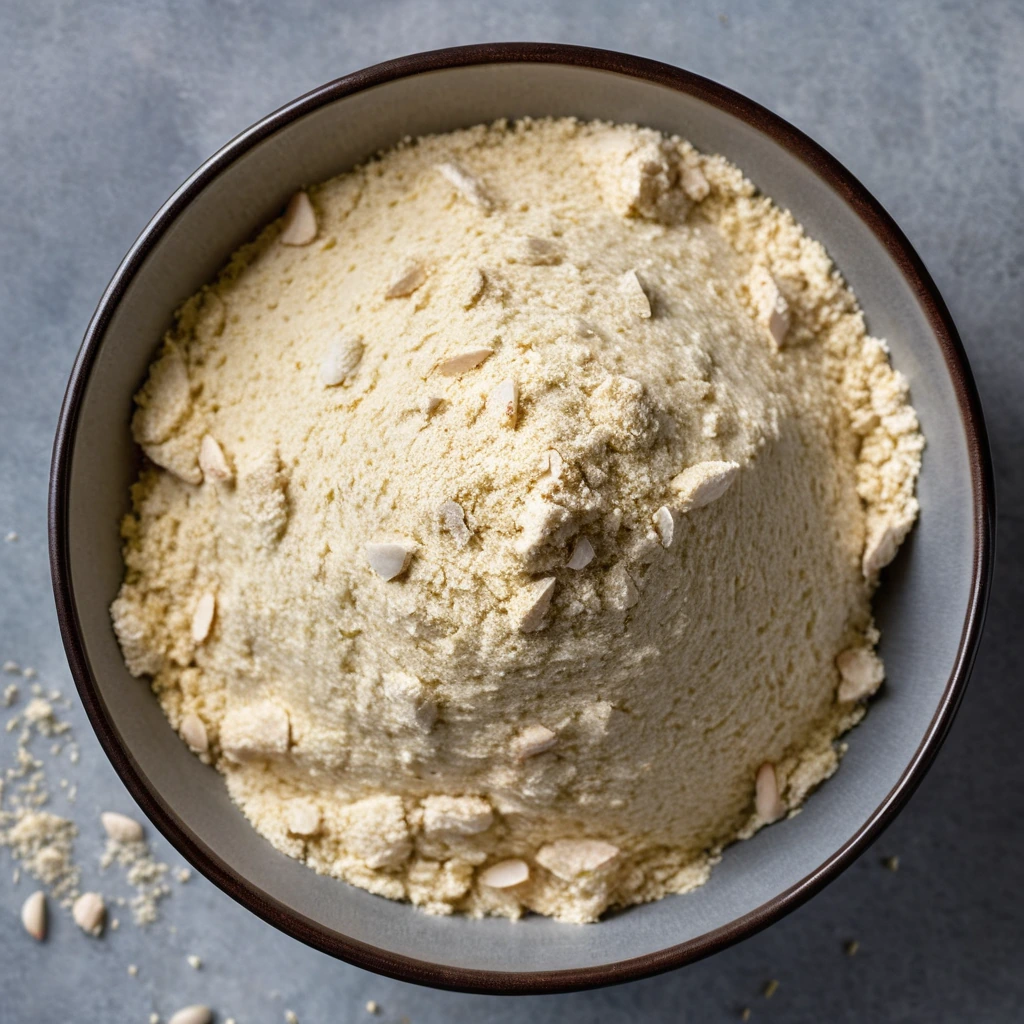
Almond Flour
A finely ground flour made from blanched almonds, offering a delicate nutty aroma and a tender crumb to your baked goods.
Recipes to try
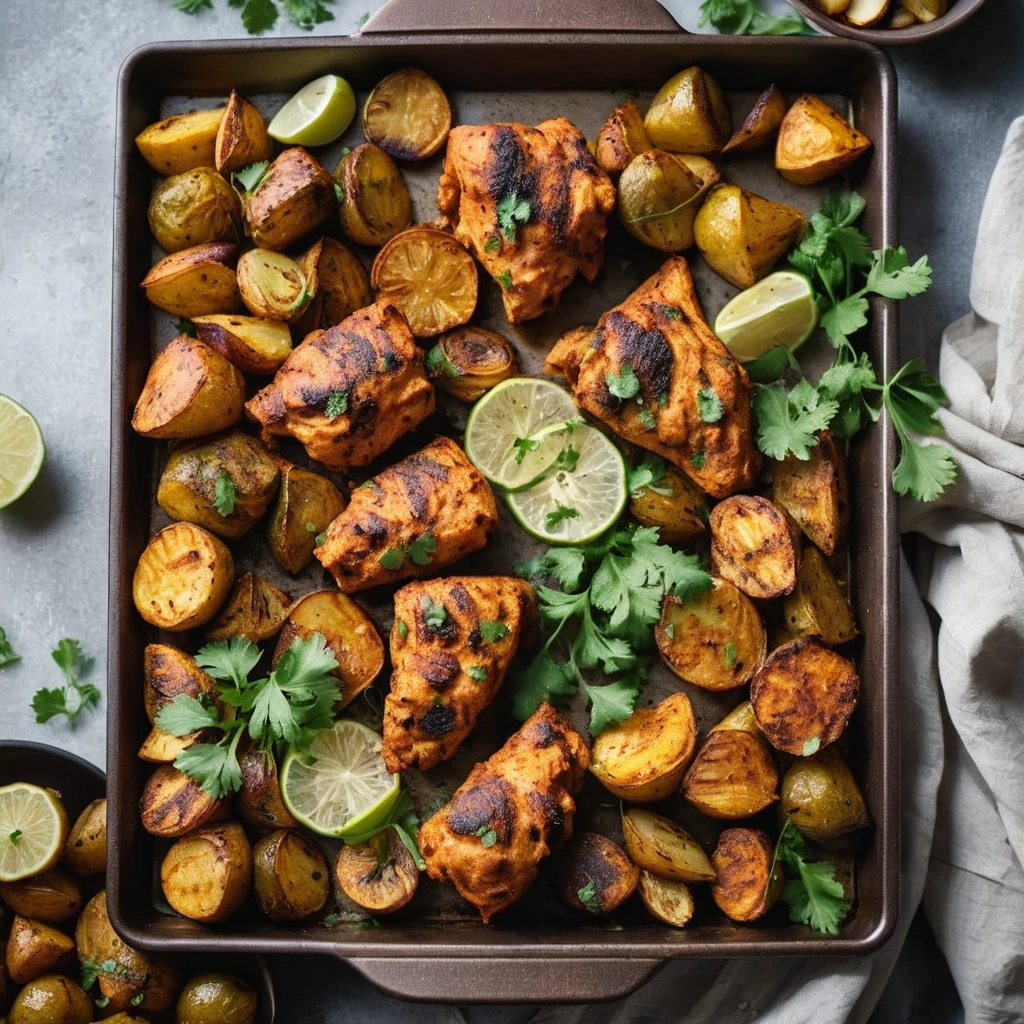
Sheet Pan Chicken Tikka with Garlic Potatoes
Juicy chicken and golden potatoes roasted to perfection on one sheet pan, infused with smoky tikka spices and garlicky goodness.
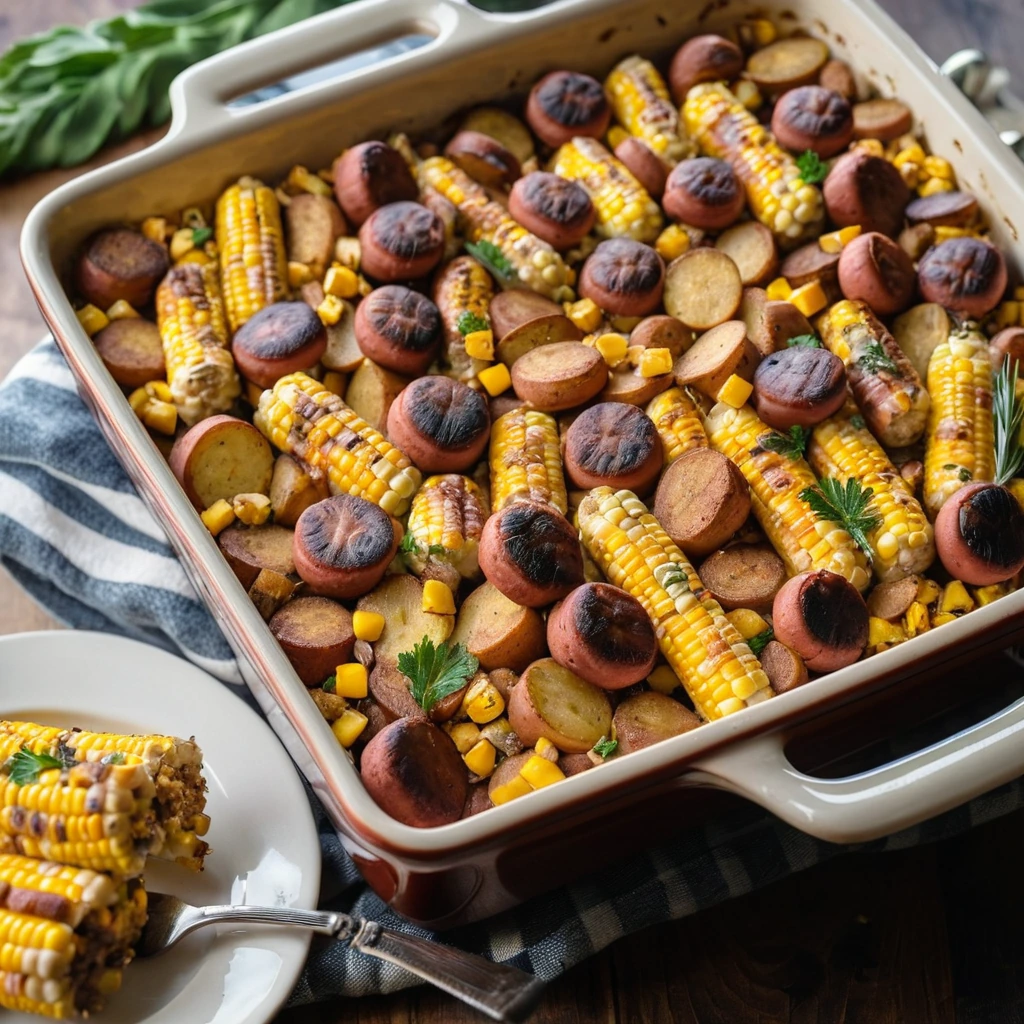
Smoked Sausage, Corn, and Potato Casserole
A hearty, golden-brown casserole bursting with smoky sausage, sweet corn, and tender potatoes.