Global: Toasting Whole Spices for Curry
Toasting whole spices is an essential technique in creating vibrant, aromatic curry bases. This method unlocks the full potential of spices like cumin, coriander, cardamom, and cloves by enhancing their natural oils and flavors. When spices are toasted, their volatile compounds are activated, resulting in a more intense aroma and taste that can elevate your curry from ordinary to extraordinary. The gentle heat coaxes out these nuanced flavors without burning the spices, which can turn them bitter. Understanding the science behind toasting spices can transform your curry-making game, offering a depth of flavor that pre-ground spices simply can't match. The key is to monitor the spices closely, as the process is quick and easy to overdo. Achieving the perfect toast requires patience and attention, but the reward is a fragrant spice blend that will infuse your curry with irresistible warmth and complexity. This technique is particularly important in Indian, Middle Eastern, and Southeast Asian cuisines, where spices are the soul of many dishes. By mastering this skill, you'll be able to create curry bases that are rich, layered, and full of character.
Notes
The science behind toasting spices lies in the Maillard reaction, where amino acids and sugars react under heat to create complex flavors. To avoid burning, keep the heat low and watch closely; burnt spices will ruin your curry with bitterness. A common mistake is overheating, so use medium-low heat and toast in small batches if necessary. For safety, be cautious of steam and hot oil when working with a skillet. Toasted spices can be stored in an airtight container for up to a month, maintaining their enhanced flavor. Preparing spices ahead of time can streamline the cooking process, but grind them just before use for maximum freshness.
Steps
- 1 Gather your whole spices and measure out the quantities needed for your curry recipe.
- 2 Heat a dry skillet over medium-low heat.
- 3 Add the spices to the skillet in a single layer, ensuring they aren't overcrowded.
- 4 Toast the spices, stirring frequently, for 1-2 minutes.
- 5 Listen for a gentle sizzle and watch for color changes, indicating the release of essential oils.
- 6 Remove the spices immediately once they become fragrant and slightly darker in color.
- 7 Transfer the toasted spices to a cool plate to stop the cooking process.
- 8 Allow the spices to cool completely before grinding them into a powder.
- 9 Grind the spices using a spice grinder or mortar and pestle until fine.
Ingredients to explore
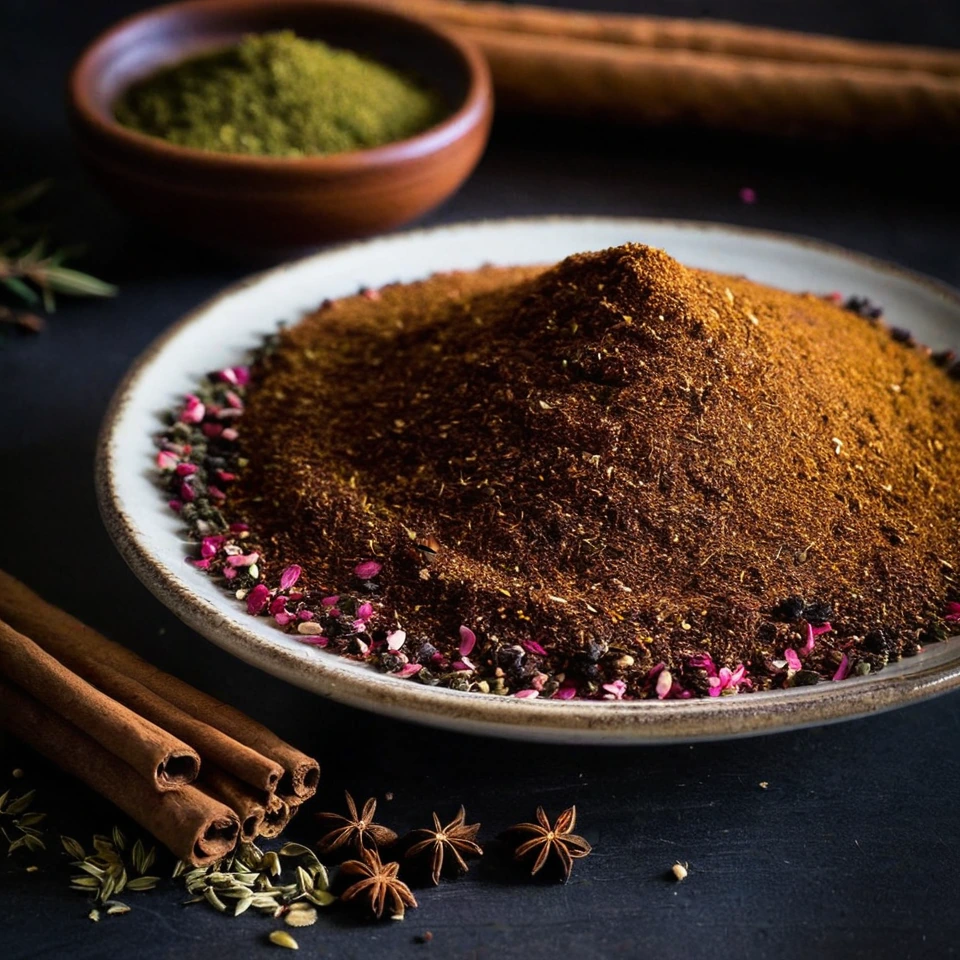
Advieh (Persian Spice Blend)
Advieh is a fragrant Persian spice blend that boasts a complex aroma of warm cinnamon, earthy cumin, and floral hints of rose and saffron. Its texture is finely ground, making it easy to incorporate into dishes. Originating from the rich culinary traditions of Iran, advieh adds depth and sophistication to both savory and sweet recipes. Its unique combination of spices reflects the historical spice trade routes that influenced Persian cuisine.

Anaheim Peppers
Anaheim peppers are a mild chili pepper variety named after Anaheim, California, where they were first cultivated commercially. Originating from the New Mexico region, these peppers are celebrated for their versatility and gentle heat. They possess a flavor that is mildly sweet with a subtle tang, and a pleasant vegetal note reminiscent of green bell peppers, but with a hint of spice. Their texture is firm and crisp when fresh, becoming tender and slightly smoky when roasted or cooked. In cooking, Anaheim peppers behave well across a range of techniques, from grilling and roasting to stuffing and sautéing, contributing a nuanced depth without overwhelming other ingredients with heat.
Recipes to try

Smoky BBQ Ground Beef and Cornbread Skillet
Imagine the rich smokiness of BBQ sauce mingling with tender ground beef atop golden, crumbly cornbread in a skillet.
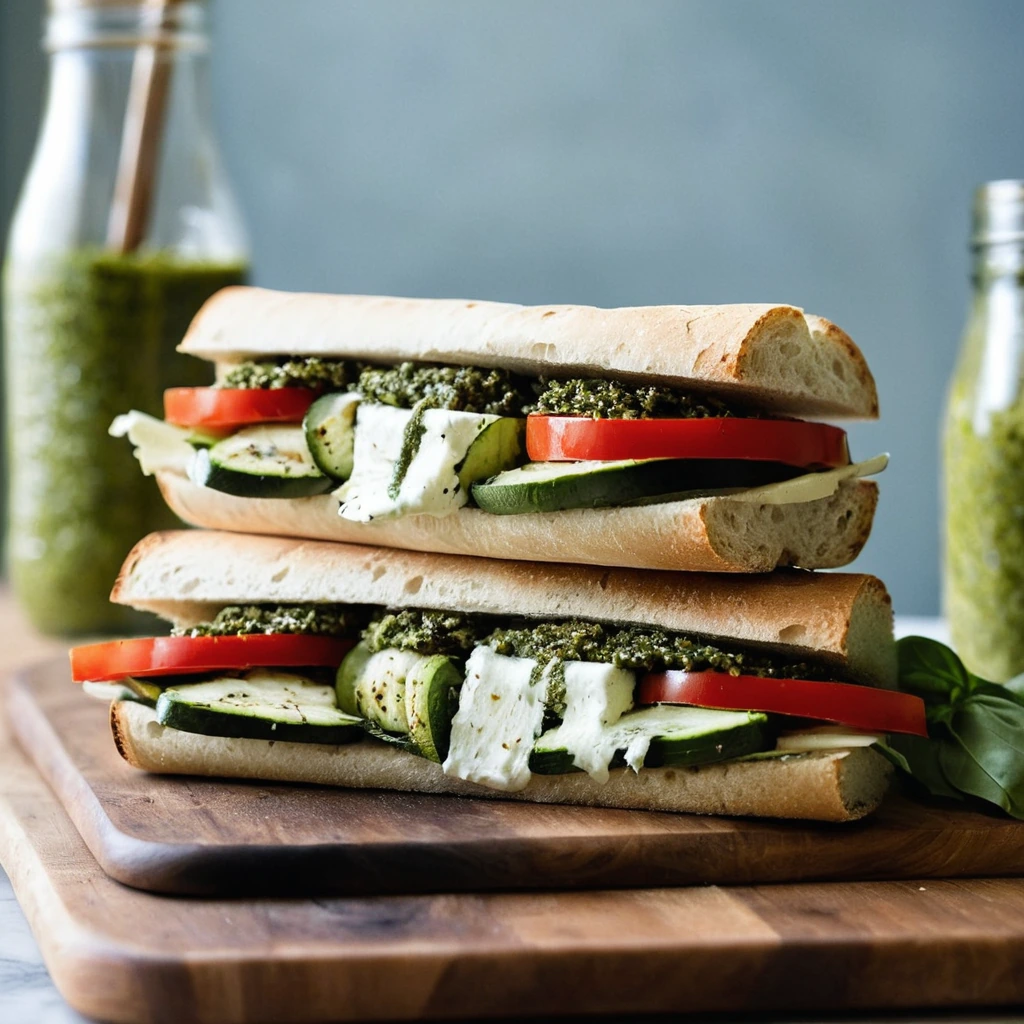
Pesto Roasted Veggie Sandwiches with Mozzarella
Warm, toasty ciabatta cradles a medley of roasted veggies, vibrant pesto, and melty mozzarella for a sandwich that's as hearty as it is fresh.