Global: Making Peanut Noodles for Weeknights
Peanut noodles are a versatile dish that can transport your taste buds across the globe in just one bowl. This technique will guide you through creating a creamy, flavorful peanut sauce that clings beautifully to noodles, making it a perfect weeknight meal. We'll explore the balance of savory, sweet, and tangy flavors that define this dish. First, we'll toast the nuts to bring out their natural oils and nutty flavor, a crucial step for depth. Next, we'll whisk together a sauce that's both smooth and vibrant, using pantry staples like peanut butter, soy sauce, and rice vinegar. The noodles themselves can be any type you prefer, but traditional Chinese egg noodles or rice noodles work wonderfully. This dish is customizable, allowing you to add proteins like chicken or tofu and fresh veggies for a complete meal. Cooking peanut noodles is not just about throwing ingredients together; it's about understanding how each component interacts to create a harmonious dish. With this guide, you'll learn to layer flavors and textures efficiently, ensuring that even on the busiest evenings, you can serve up a restaurant-quality meal at home.
Notes
The science behind toasting peanuts lies in the Maillard reaction, which enhances flavor by creating complex compounds when heat is applied. For troubleshooting, ensure your sauce is not too thick or thin; adjust with water or additional peanut butter. Store leftover sauce in an airtight container in the fridge for up to a week. To prevent noodles from becoming soggy when making ahead, store sauce and noodles separately, tossing them together just before serving. This technique ensures that your peanut noodles remain fresh and delicious, even when prepared in advance.
Steps
- 1 Toast 1/2 cup unsalted peanuts in a dry skillet over medium heat until golden brown, about 5 minutes.
- 2 Transfer toasted peanuts to a blender along with 1/4 cup peanut butter, 2 tablespoons soy sauce, 2 tablespoons rice vinegar, 1 tablespoon honey, and 2 cloves garlic.
- 3 Add 2 tablespoons water and 1 teaspoon sesame oil to the blender.
- 4 Blend until smooth, scraping down the sides as needed; add more water 1 teaspoon at a time for desired consistency.
- 5 Cook 8 ounces of noodles according to package instructions until al dente, then rinse under cold water to stop cooking.
- 6 Toss the noodles with half of the peanut sauce in a large bowl, reserving the rest for serving.
- 7 Optional: Add cooked protein like sliced chicken or cubed tofu, and fresh vegetables like shredded carrots or chopped scallions.
- 8 Serve noodles garnished with additional peanuts, sesame seeds, and a drizzle of remaining sauce.
Ingredients to explore
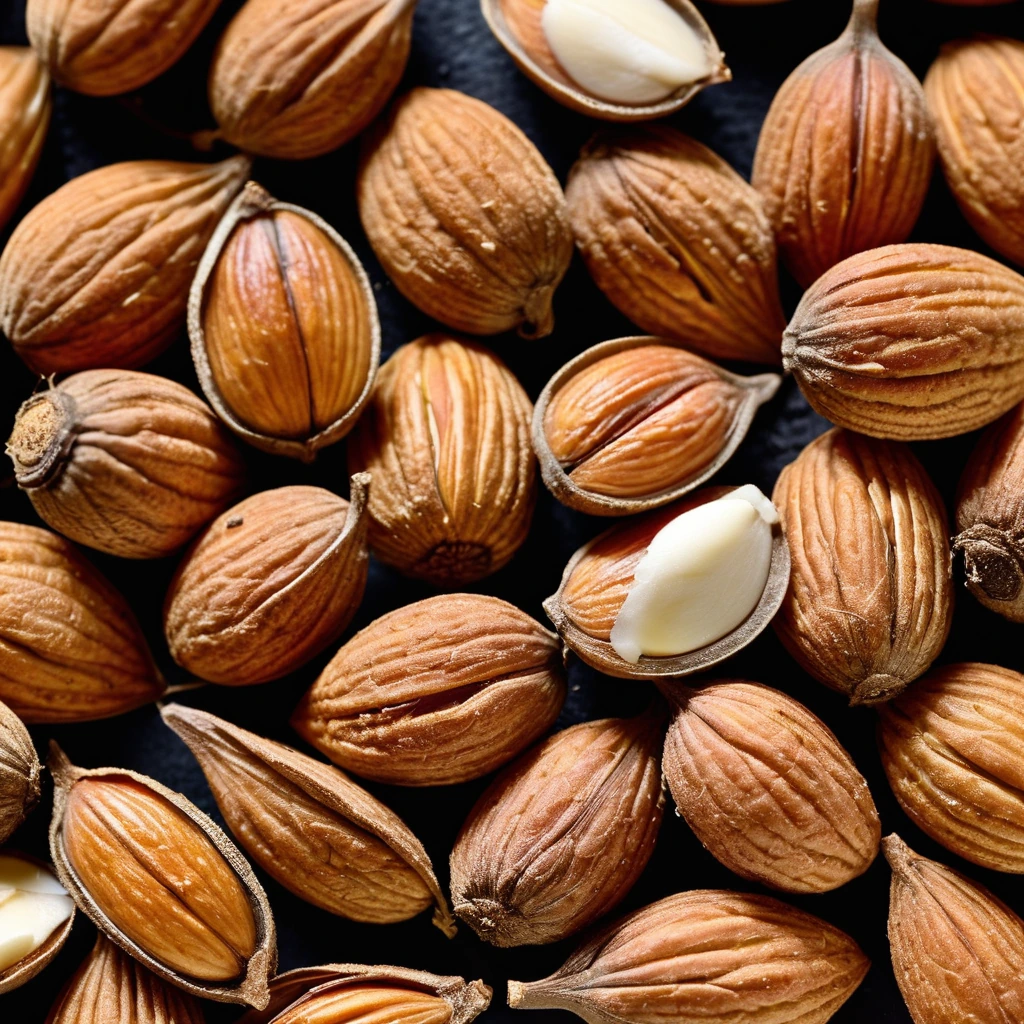
Almond Extract
A fragrant, golden elixir that captures the essence of freshly ground almonds, almond extract is a pantry staple that brings a rich, nutty aroma to your culinary creations.
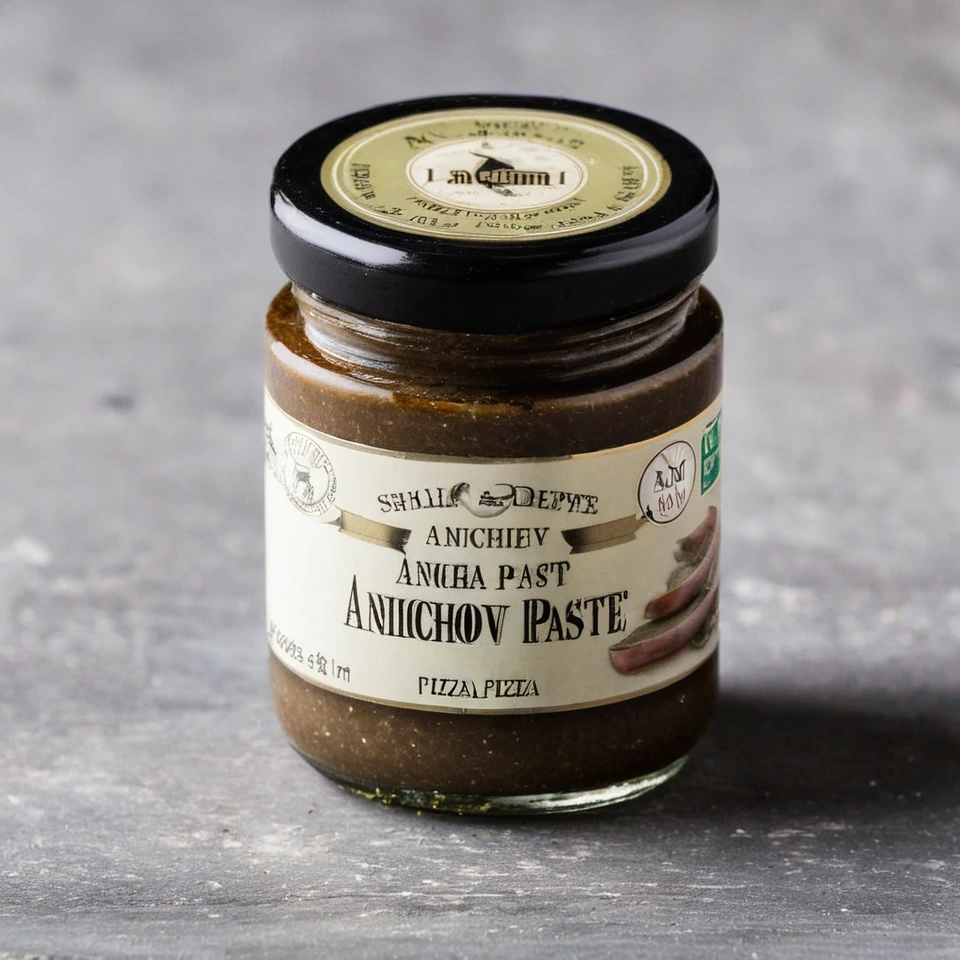
Anchovy Paste
Anchovy paste is a rich, salty spread made from finely ground anchovies, salt, and sometimes olive oil. It offers a deep umami flavor that enhances a variety of dishes.
Recipes to try
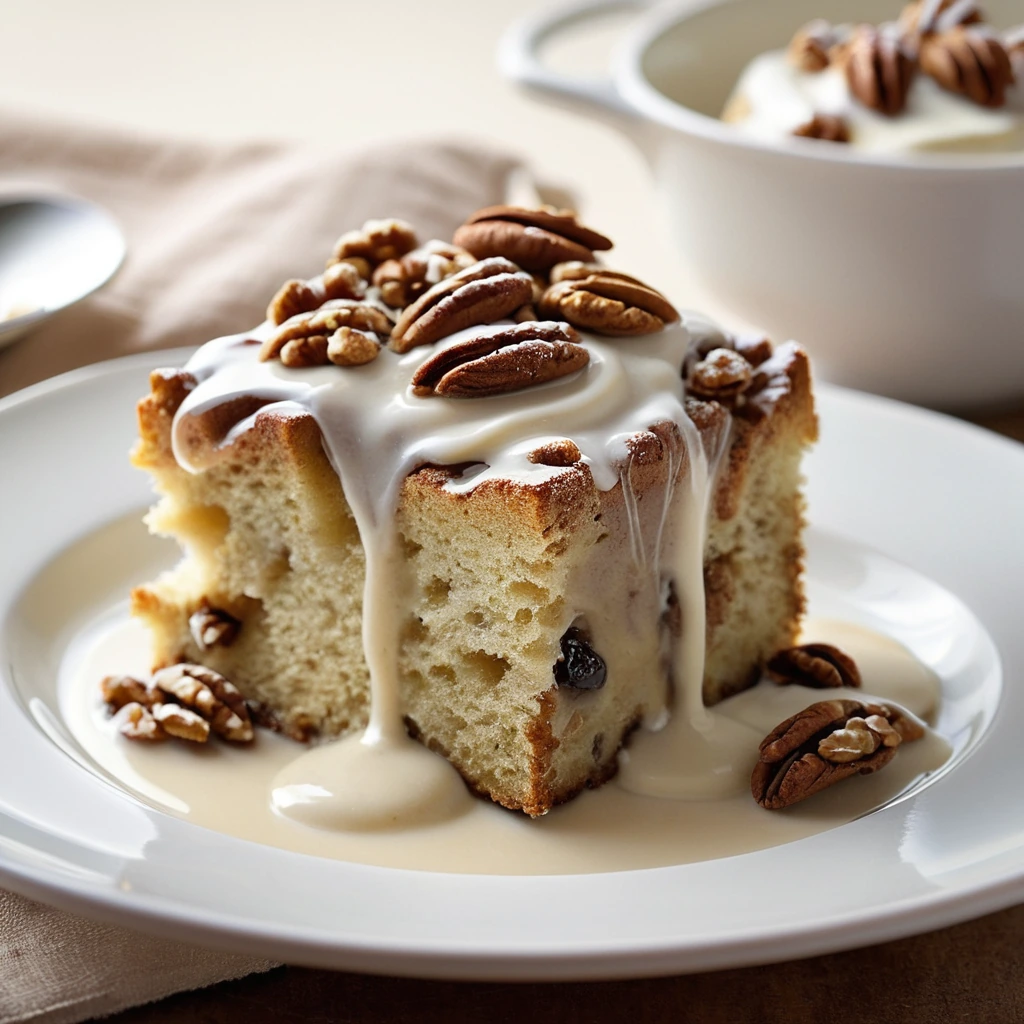
Maple Pecan Bread Pudding with Vanilla Sauce
Warm, spiced bread pudding drizzled with maple syrup and crunchy pecans, served with a silky vanilla sauce.
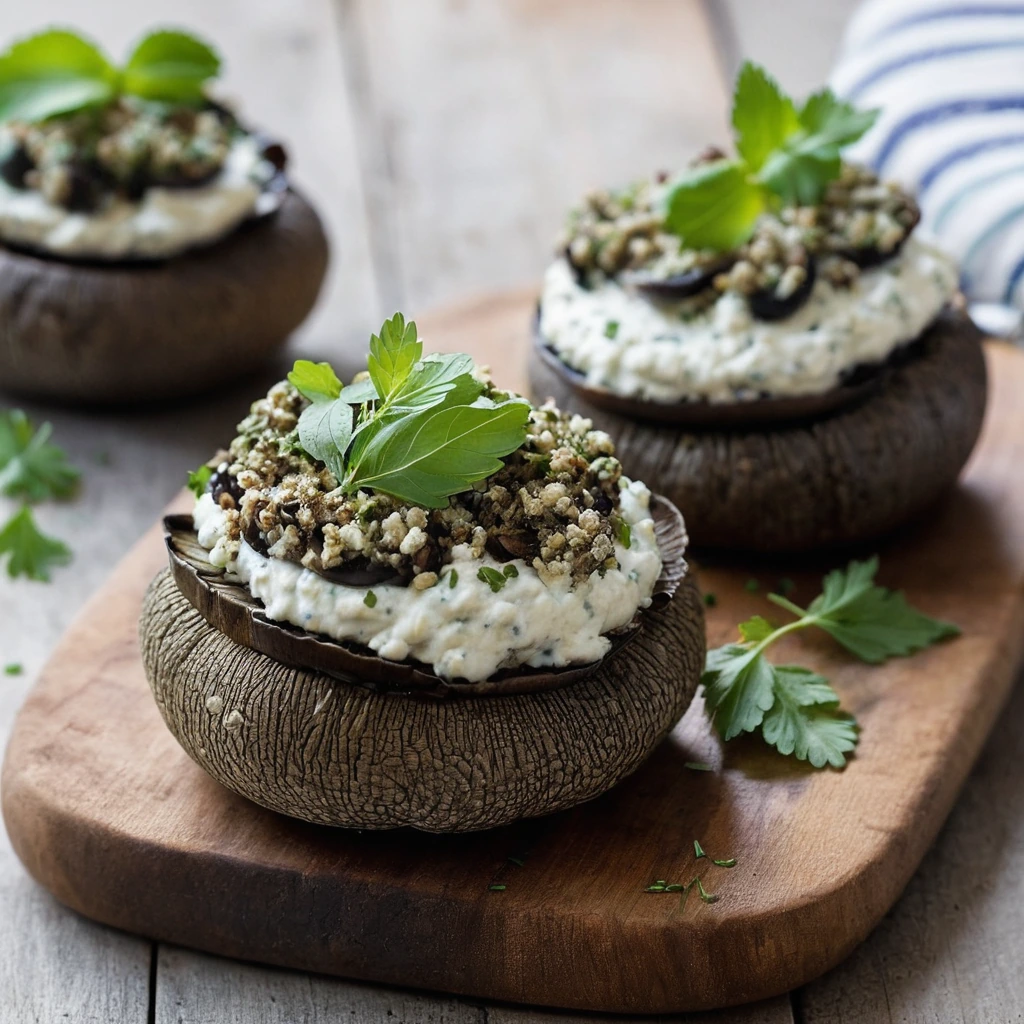
Stuffed Portobello Mushrooms with Herbed Ricotta
These earthy portobello mushrooms are stuffed with a creamy, herbed ricotta mixture, offering a satisfying vegetarian delight that's both elegant and easy.