Flavor: Using Citrus Zest vs Juice
Understanding the nuances between using citrus zest and juice can elevate your cooking to new heights. Citrus zest, the colorful outer layer of the peel, is packed with essential oils that burst with flavor. When grated finely, it can add a vibrant, aromatic kick to dishes. On the other hand, citrus juice offers a tangy, acidic component that can brighten flavors and balance richness. Knowing when to use one over the other, or how to use them together, is key to mastering flavor profiles in your kitchen. Zest is often preferred for its concentrated, aromatic oils, which are perfect for infusing dishes with a fresh citrus note without the bitterness that can come from the white pith beneath. Juice, however, is ideal for adding moisture, acidity, and a more subtle citrus flavor. Both elements have their unique roles and can transform a dish from mundane to magnificent. This guide dives into the technique of using citrus zest versus juice, explaining how to maximize their potential and integrate them seamlessly into your recipes.
Notes
The science behind using citrus zest lies in its essential oils, which are highly aromatic and potent. These oils are found in the colorful part of the peel and can lose their potency when exposed to heat for too long, so use zest early in cooking for infusion or as a garnish for immediate impact. When juicing, remember that room temperature citrus yields more juice than cold fruit. A common mistake is grating too deep into the peel, which introduces bitterness from the pith. To avoid this, use a fine grater and stop as soon as the white pith is visible. For storage, zest can be kept in the freezer to preserve its flavor, while juice can be frozen in ice cube trays for easy portioning. Always ensure your tools are clean to avoid contaminating your dishes.
Steps
- 1 Select fresh, firm citrus fruits for zesting or juicing.
- 2 Wash the citrus thoroughly to remove any wax or residue.
- 3 Use a fine grater or microplane to zest the fruit, avoiding the bitter white pith.
- 4 Collect the zest in a small bowl and set aside for immediate use or storage.
- 5 Roll the fruit on a countertop before juicing to break down the membranes.
- 6 Cut the citrus in half and extract juice using a manual or electric juicer.
- 7 Strain the juice through a fine mesh sieve to remove any seeds or pulp.
- 8 Measure the zest or juice required for your recipe.
- 9 Add zest early in cooking to infuse oils, or sprinkle it at the end for a fresh burst.
- 10 Incorporate juice into dressings, marinades, or sauces for acidity and brightness.
- 11 Adjust seasoning after adding citrus to balance the flavors.
- 12 Store unused zest in an airtight container in the freezer for up to 3 months.
- 13 Keep fresh juice refrigerated and use within a few days, or freeze for longer storage.
Ingredients to explore
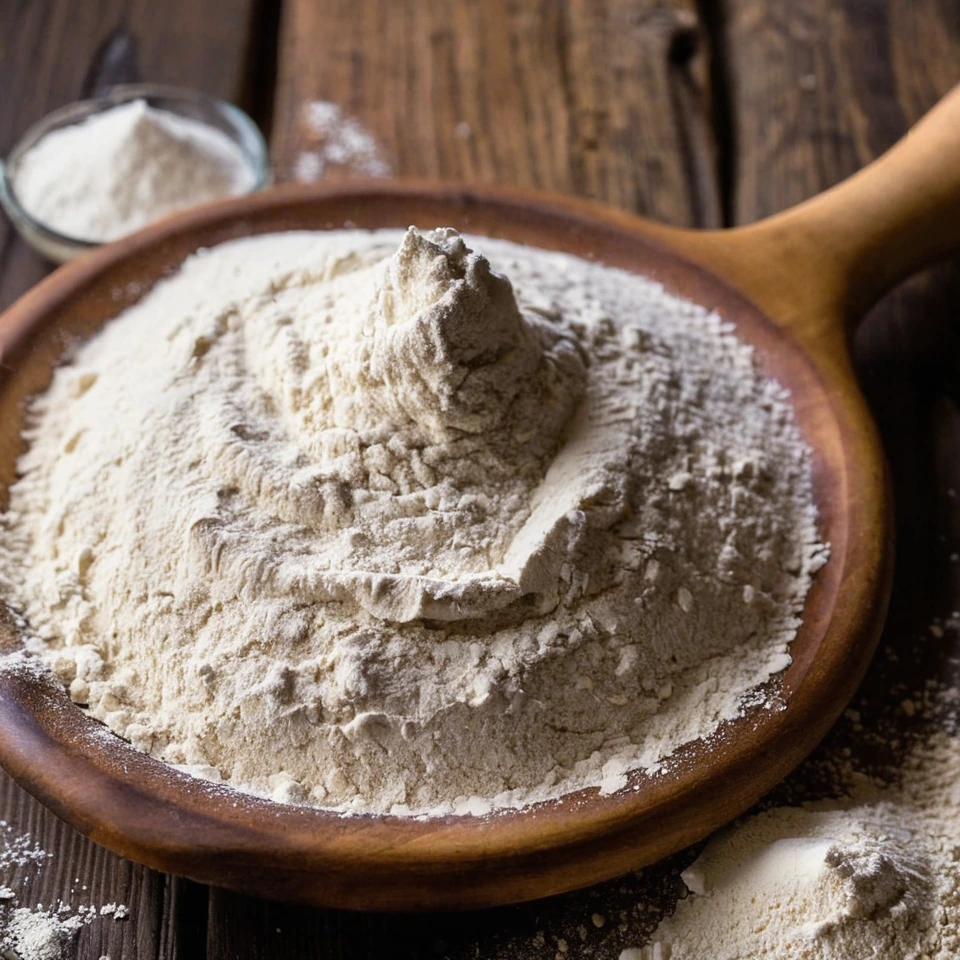
All-Purpose Flour
All-purpose flour is a versatile wheat flour that contains a moderate level of protein and gluten, making it suitable for a wide range of baking and cooking needs.
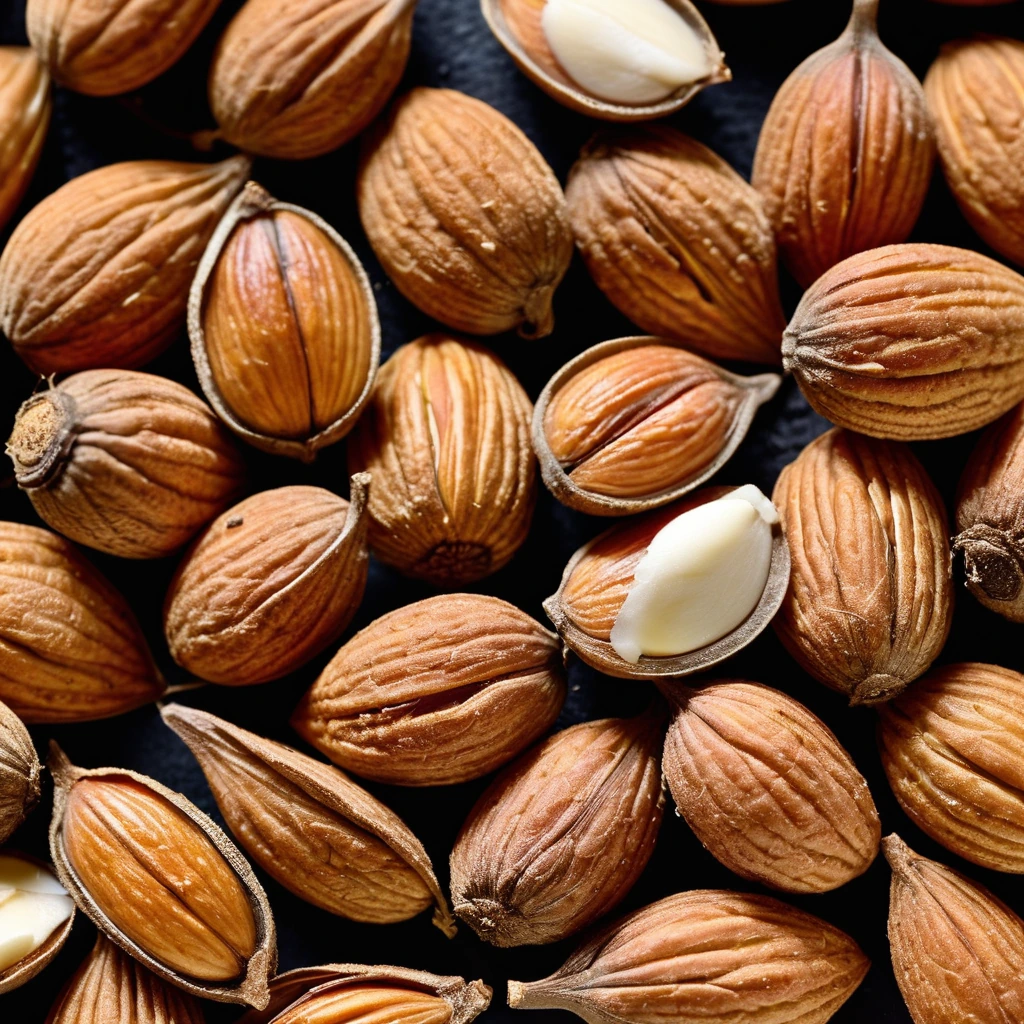
Almond Extract
A fragrant, golden elixir that captures the essence of freshly ground almonds, almond extract is a pantry staple that brings a rich, nutty aroma to your culinary creations.
Recipes to try
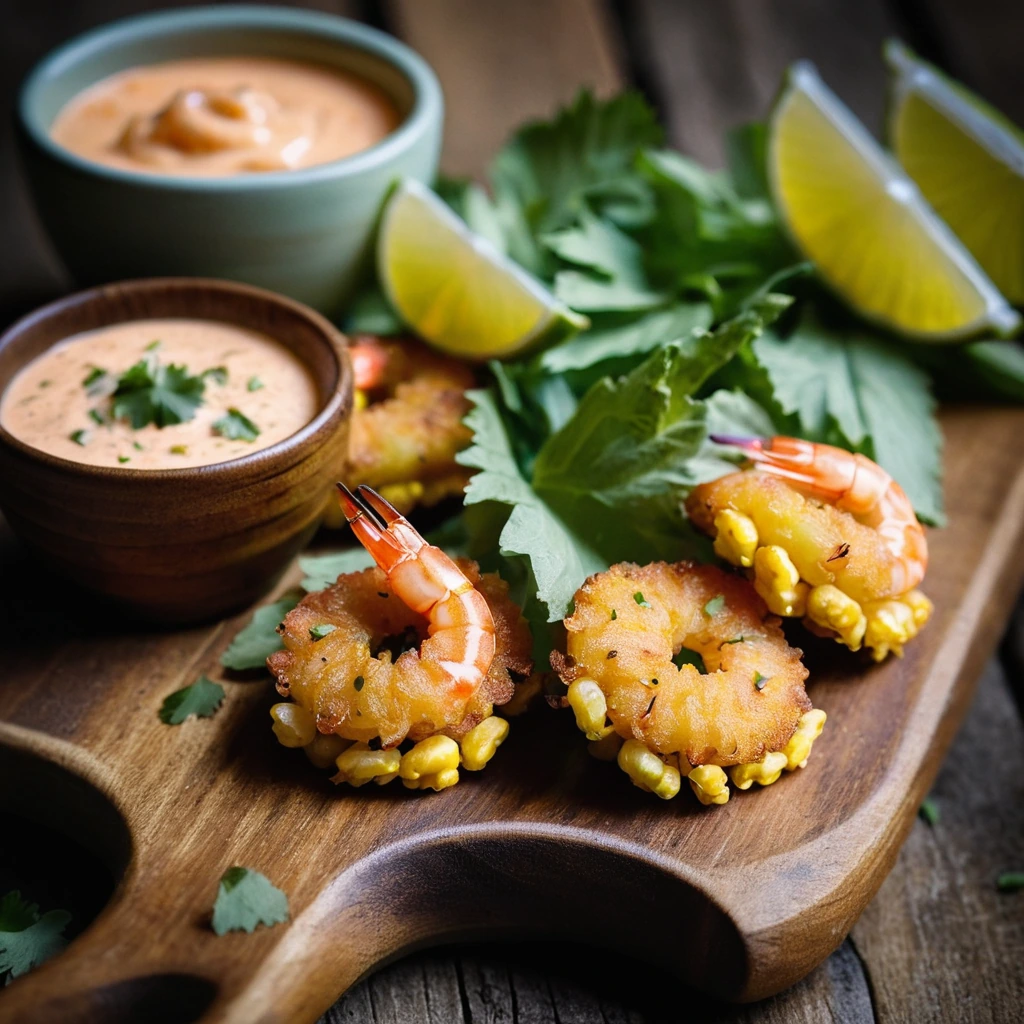
Shrimp and Corn Fritters with Chili Aioli
Crispy on the outside, tender on the inside, these golden fritters pack a punch with juicy shrimp and sweet corn, all topped with a zesty chili aioli.
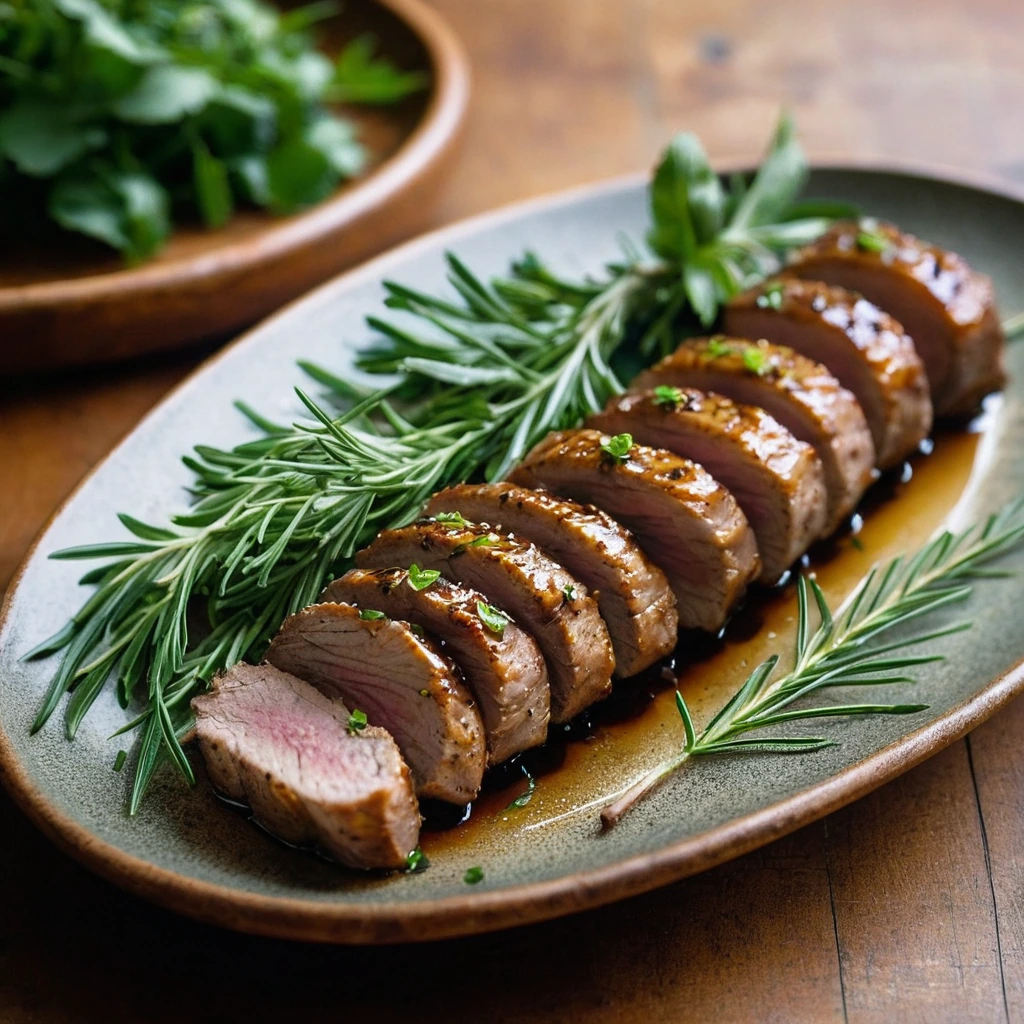
Pork Tenderloin with Garlic Honey Glaze
Succulent pork tenderloin kissed with a sweet, sticky glaze of garlic and honey for a flavor punch that'll have everyone coming back for seconds.