Flavor & Seasoning: Using Acid to Brighten Rich Dishes
When you're whipping up a decadent meal, richness is key, but balance is essential. Enter acid, your secret weapon for cutting through heavy, fatty dishes to lift their flavor profile. Think of acid as the sparkle in your culinary crown jewel, providing a refreshing counterpoint to richness. Citrus juices, vinegars, and even fermented foods like kimchi or pickles can introduce that zesty zing. The right acidity can transform a dish from leaden to lively, enhancing natural flavors and making them sing. Acid works by cutting fat, cleansing the palate, and enhancing aromatic compounds. However, it’s an art that requires a delicate touch—too much and you'll turn your masterpiece into a sour symphony. This technique is all about finding that perfect equilibrium. Understanding the role of pH levels and how different acids interact with ingredients will elevate your cooking to new heights. Let’s dive into the world of acids and discover how to use them effectively to brighten your dishes.
Notes
Acids work by interacting with proteins and fats to cut through richness, creating a more dynamic eating experience. The science lies in pH balance—most foods taste best when their pH is slightly acidic. Common mistakes include adding too much acid all at once or failing to consider how cooking will affect its potency. To troubleshoot, always add acid incrementally and taste as you go. Safety-wise, be mindful of foodborne illnesses when using fresh citrus juices and ensure they are properly handled. For make-ahead dishes, consider adding acid just before serving to maintain its potency. Store dishes with acid in airtight containers to preserve freshness and flavor.
Steps
- 1 Taste your rich dish before adding any acid to assess its current flavor profile.
- 2 Select your acid based on the dish's flavor profile; lemon juice for seafood, balsamic vinegar for roasted meats.
- 3 Start with a small amount, like 1 teaspoon of lemon juice or vinegar, to avoid overpowering the dish.
- 4 Mix the acid into the dish gently to distribute it evenly.
- 5 Taste again and adjust, adding more acid in small increments until balanced.
- 6 Consider the impact of cooking on acidity; prolonged heat can mellow the tang.
- 7 Add the acid at the end of cooking to preserve its brightness.
- 8 Pair your chosen acid with complementary aromatics like fresh herbs or garlic for added depth.
- 9 Remember that acids can interact with metals, so use non-reactive cookware.
- 10 Balance the acid with sweetness if needed; a pinch of sugar can counteract excessive sourness.
Ingredients to explore
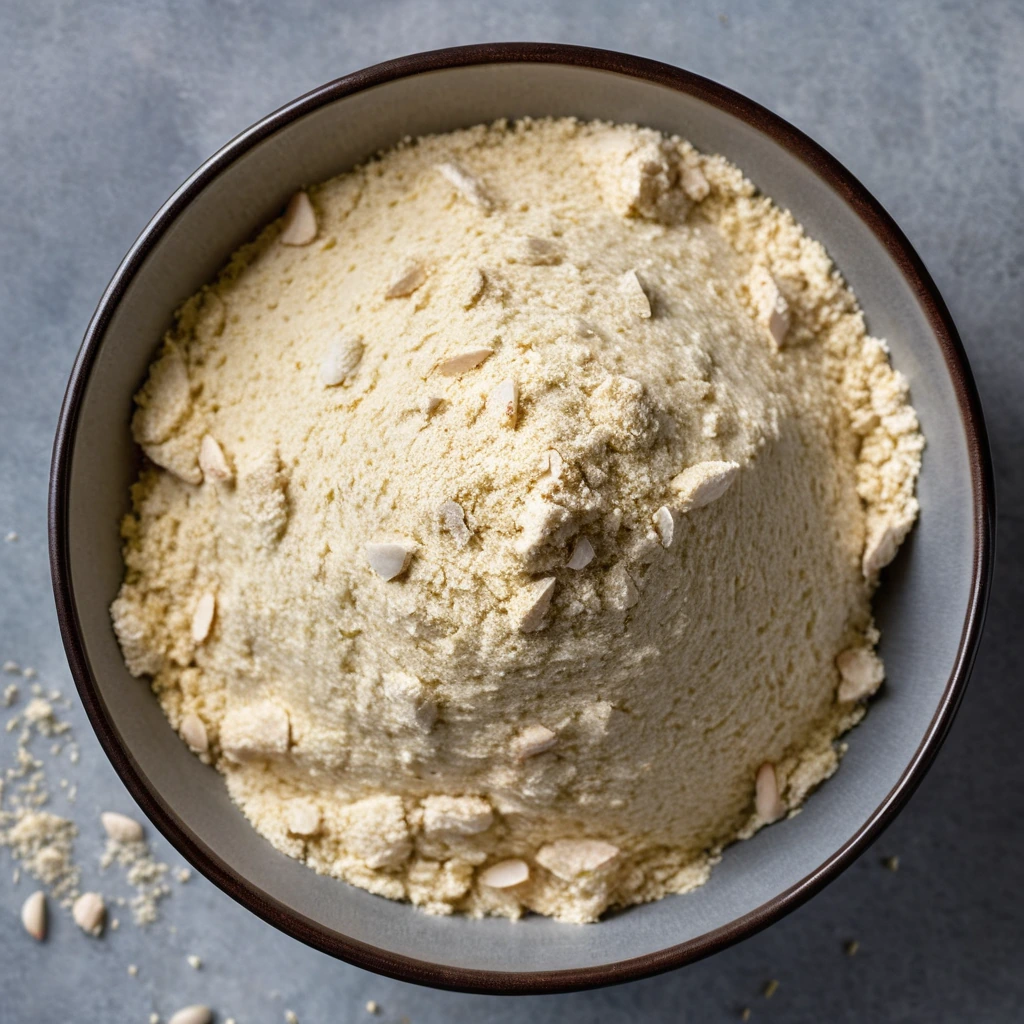
Almond Flour
A finely ground flour made from blanched almonds, offering a delicate nutty aroma and a tender crumb to your baked goods.
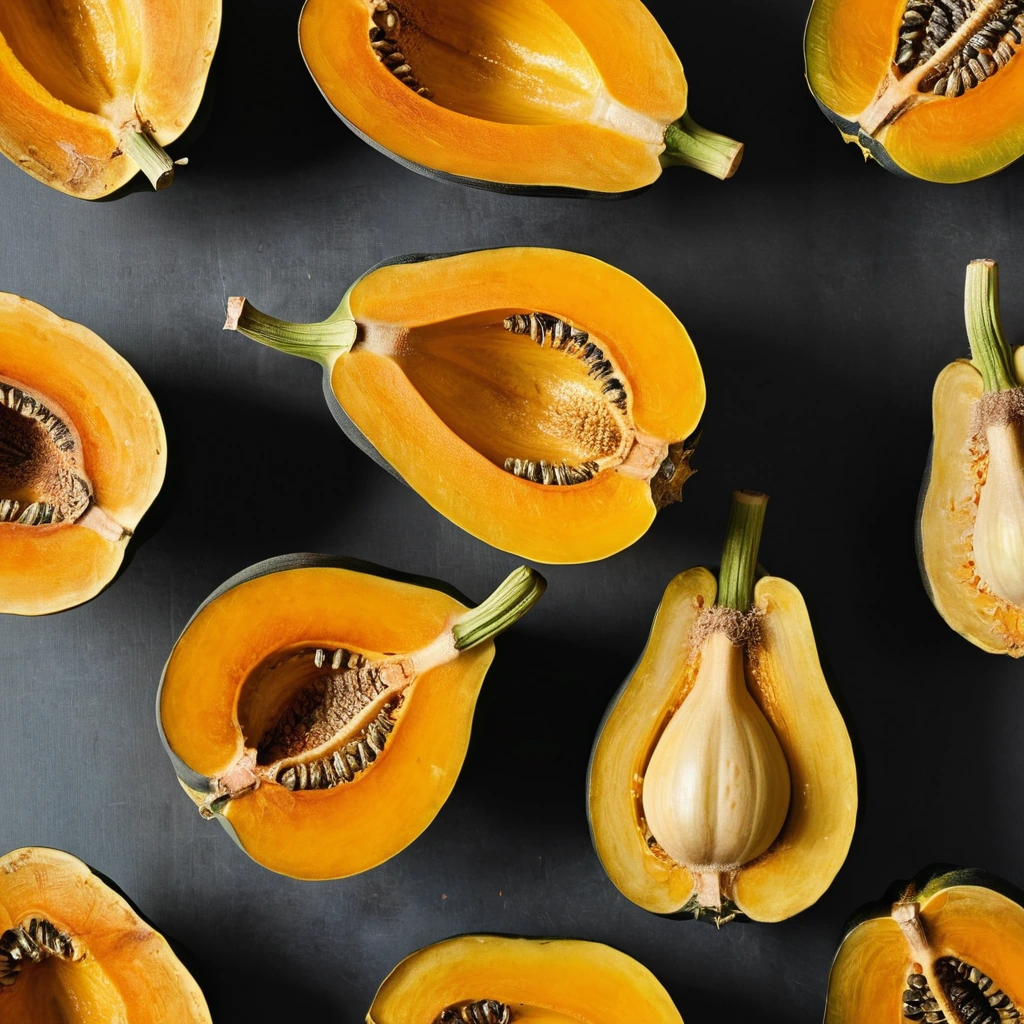
Acorn Squash
Acorn squash is a winter squash variety known for its distinctive teardrop shape and deep ridges resembling the texture of an acorn shell. Originating in the Americas, it has been cultivated for centuries and is a staple in autumn cuisine. The flesh is sweet and nutty with a hint of earthiness, offering a delightful contrast to savory dishes. Its texture is dense yet tender when cooked, making it ideal for roasting or pureeing. In cooking, acorn squash holds its shape well and absorbs flavors from herbs and spices, enhancing both its taste and versatility in recipes.
Recipes to try

Spicy Sausage and Roasted Red Pepper Rigatoni
A zesty dance of spicy sausage and smoky roasted red peppers twirled in al dente rigatoni.
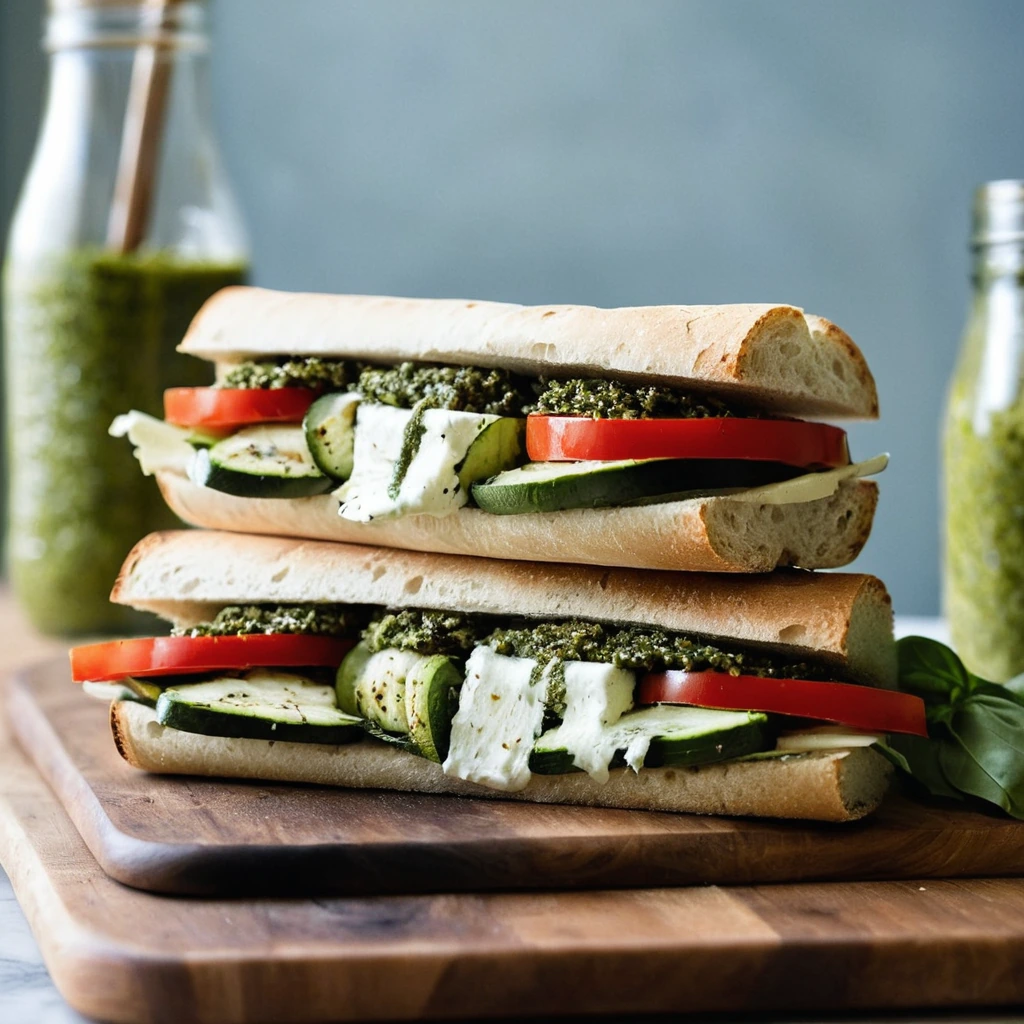
Pesto Roasted Veggie Sandwiches with Mozzarella
Warm, toasty ciabatta cradles a medley of roasted veggies, vibrant pesto, and melty mozzarella for a sandwich that's as hearty as it is fresh.