Flavor & Seasoning: Layering Aromatics for Depth of Flavor
Layering aromatics is a fundamental technique that unlocks complex flavors in your cooking. It involves adding ingredients like onions, garlic, ginger, and herbs in a strategic order to build a robust flavor base. Each aromatic contributes its unique essence, creating a symphony of taste that elevates your dishes. Start with hard vegetables like onions, which provide a sturdy base and sweetness when caramelized. Next, introduce softer aromatics like garlic and ginger, which release their potent flavors quickly. Finally, incorporate delicate herbs and spices to infuse subtle nuances. This technique is versatile, applicable to soups, stews, curries, and stir-fries. Understanding the order and timing of layering aromatics can transform a simple dish into a gourmet experience. The key is patience and attentiveness to the subtle changes in aroma and color as each ingredient cooks. By mastering this technique, you'll develop a deeper appreciation for how flavors interact and meld together, ensuring your dishes are anything but ordinary.
Notes
The science behind layering aromatics lies in the Maillard reaction, where amino acids and sugars in the vegetables caramelize, creating complex flavors. To avoid burning, keep the heat at a medium level and stir frequently. Common mistakes include adding garlic too early, which can result in bitterness, or overcrowding the pan, which leads to steaming rather than sautéing. For safety, always be cautious of splattering oil. To make ahead, sautéed aromatics can be stored in an airtight container in the fridge for up to 3 days or frozen for longer storage.
Steps
- 1 Prepare your aromatics by peeling and finely chopping onions, garlic, ginger, and any other aromatics you plan to use.
- 2 Heat a drizzle of oil in a pan over medium heat until shimmering.
- 3 Add the onions first, stirring occasionally, and cook until translucent and golden, about 8-10 minutes.
- 4 Stir in the garlic and ginger, cooking for an additional 1-2 minutes until fragrant but not browned.
- 5 Next, add any root vegetables like carrots or celery, cooking for another 3-4 minutes until softened.
- 6 Incorporate your spices at this stage, toasting them gently in the pan for about 30 seconds to release their aroma.
- 7 Add any herbs like thyme, bay leaves, or cilantro stems, allowing them to wilt into the mixture.
- 8 Deglaze the pan with a splash of broth, wine, or water to scrape up any flavorful browned bits.
- 9 Taste and adjust seasoning with salt and pepper, remembering that additional layers will follow.
Ingredients to explore
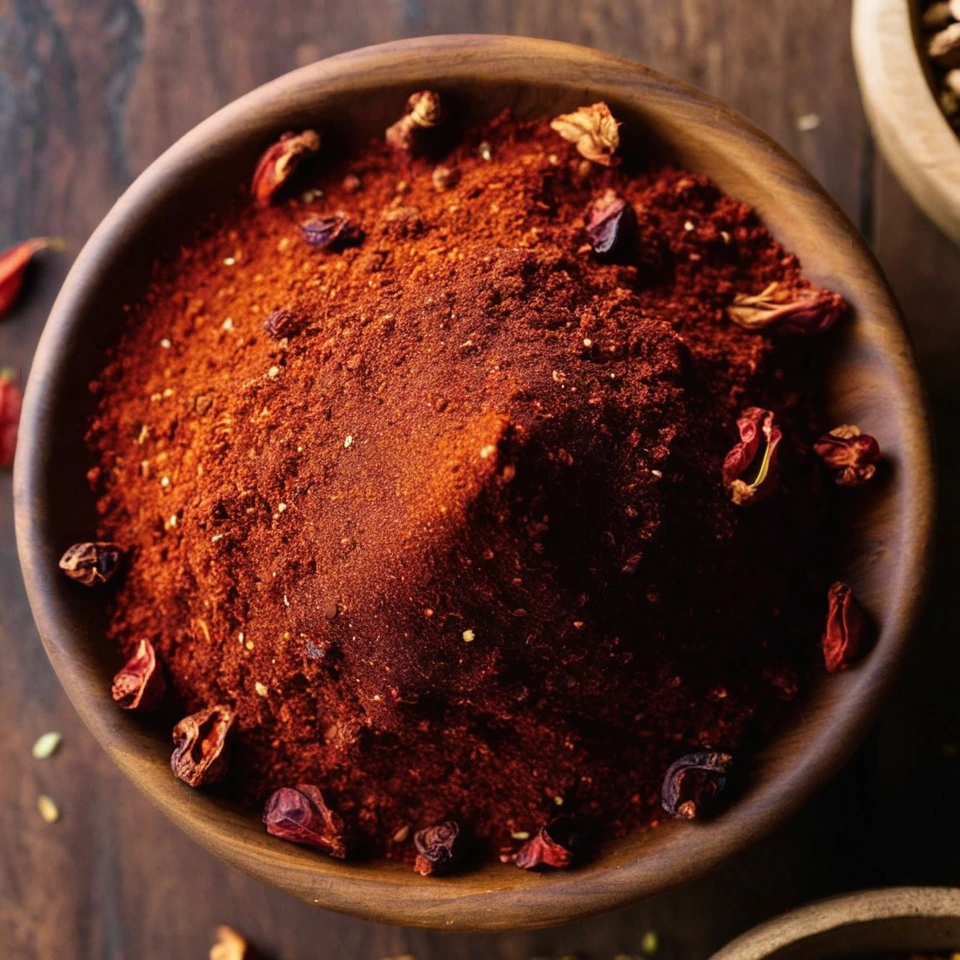
Aleppo Pepper
Aleppo pepper offers a harmonious balance of heat and sweetness, with a subtle fruity aroma reminiscent of sun-dried tomatoes and currants. Originating from the region around Aleppo, Syria, it has a fine, slightly coarse texture that shatters easily between fingers. Its mild yet complex flavor profile makes it a prized seasoning for enhancing dishes without overwhelming them. Valued for its versatility, it bridges the gap between spice and seasoning, bringing a touch of warmth and depth to a variety of cuisines.
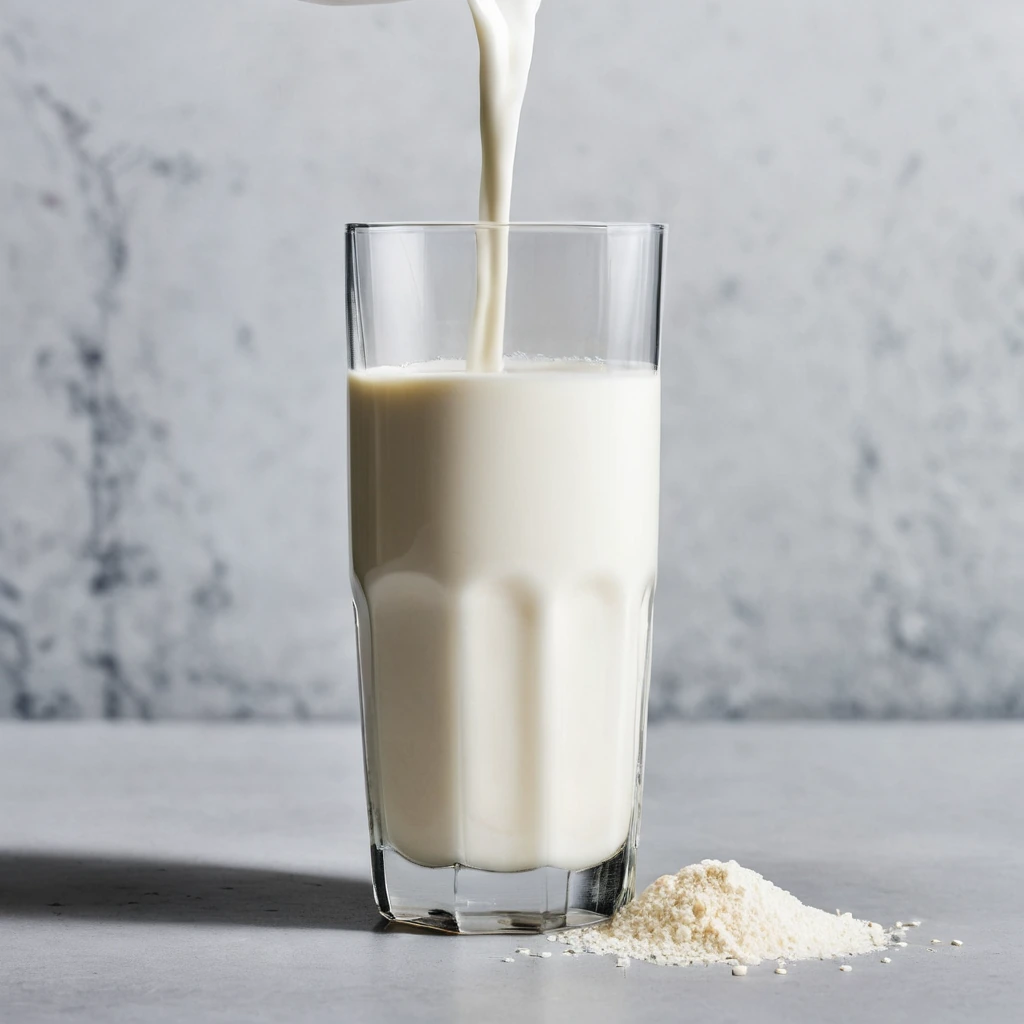
2% Milk
Creamy and just a touch lighter than whole milk, 2% milk offers a perfect balance of richness and reduced fat. Its smooth texture and subtle sweetness make it a delightful choice for sipping or cooking.