Flavor & Seasoning: Choosing the Right Cooking Oil for Flavor
Selecting the right cooking oil is crucial for enhancing the flavor profile of your dishes. Different oils impart unique tastes and aromas, making them suitable for specific culinary applications. Understanding the nuances of each oil allows home cooks to elevate their meals from ordinary to extraordinary. Factors like smoke point, flavor intensity, and fat composition play a pivotal role in choosing the ideal oil for your recipe. Olive oil, with its robust and fruity notes, is perfect for Mediterranean dishes, while sesame oil adds a nutty depth to Asian cuisine. Avocado oil, with its high smoke point, is excellent for searing and frying without sacrificing flavor. Meanwhile, butter, though technically not an oil, offers a rich, creamy taste that's ideal for sautéing delicate vegetables or finishing a sauce. This guide will walk you through the intricacies of cooking oils, helping you make informed decisions to maximize flavor in your cooking adventures.
Notes
The science behind flavor in cooking oils lies in their chemical composition, including fatty acids and aromatic compounds. Each oil has a unique balance that affects its taste and smoke point. A common mistake is using an oil with a low smoke point for high-heat cooking, which can result in a bitter taste and potential carcinogens. To avoid this, always match the oil to the cooking temperature. Additionally, oils should be stored in a cool, dark place to prevent oxidation and rancidity. For make-ahead meals, consider the oil's stability and shelf life to ensure the best flavor upon reheating.
Steps
- 1 Identify the flavor profile of your dish.
- 2 Choose an oil with complementary flavors.
- 3 Consider the oil's smoke point for your cooking method.
- 4 For low-heat cooking, select oils with mild flavors like grapeseed.
- 5 Use robust oils like extra-virgin olive oil for dressings and drizzling.
- 6 Select high smoke point oils like avocado oil for frying and searing.
- 7 Experiment with nut oils like walnut or hazelnut for a distinctive taste.
- 8 Store oils properly to maintain their flavor integrity.
- 9 Taste a small amount of oil before cooking to assess its freshness.
- 10 Avoid using oils past their expiration date to prevent off-flavors.
Ingredients to explore
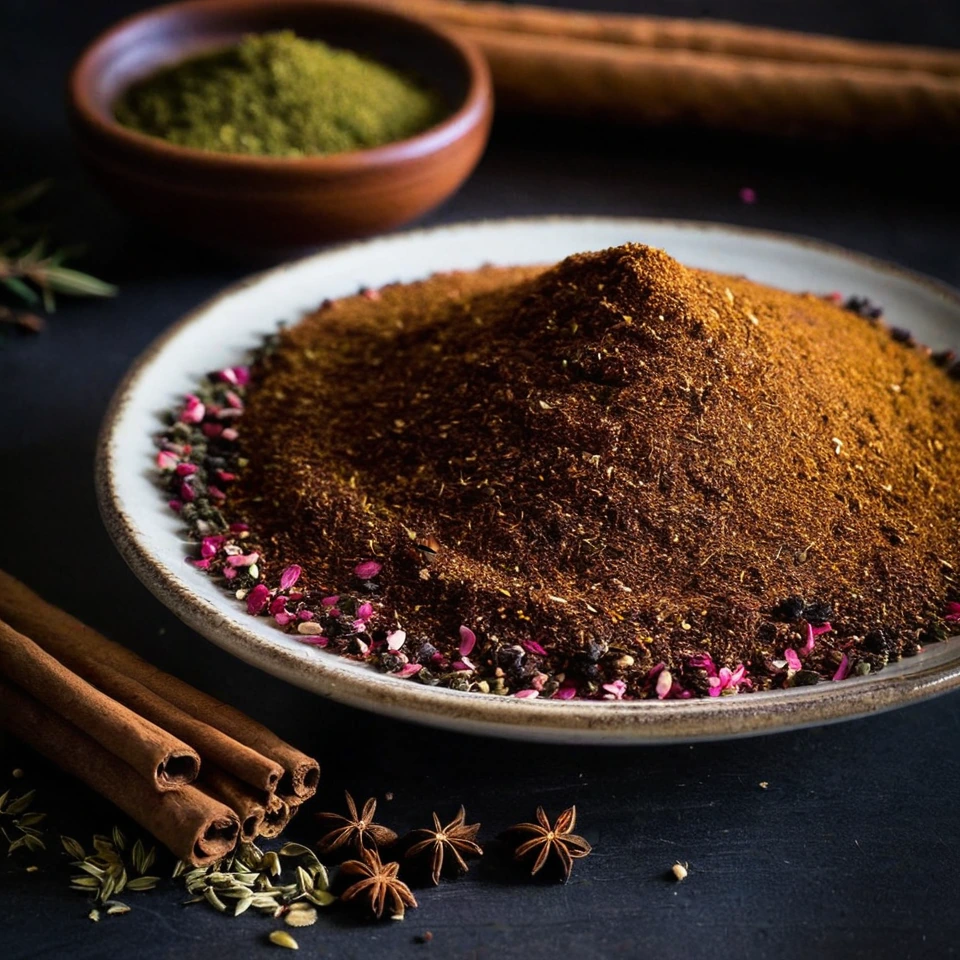
Advieh (Persian Spice Blend)
Advieh is a fragrant Persian spice blend that boasts a complex aroma of warm cinnamon, earthy cumin, and floral hints of rose and saffron. Its texture is finely ground, making it easy to incorporate into dishes. Originating from the rich culinary traditions of Iran, advieh adds depth and sophistication to both savory and sweet recipes. Its unique combination of spices reflects the historical spice trade routes that influenced Persian cuisine.

Acorn Squash
Acorn squash is a winter squash variety known for its distinctive teardrop shape and deep ridges resembling the texture of an acorn shell. Originating in the Americas, it has been cultivated for centuries and is a staple in autumn cuisine. The flesh is sweet and nutty with a hint of earthiness, offering a delightful contrast to savory dishes. Its texture is dense yet tender when cooked, making it ideal for roasting or pureeing. In cooking, acorn squash holds its shape well and absorbs flavors from herbs and spices, enhancing both its taste and versatility in recipes.
Recipes to try
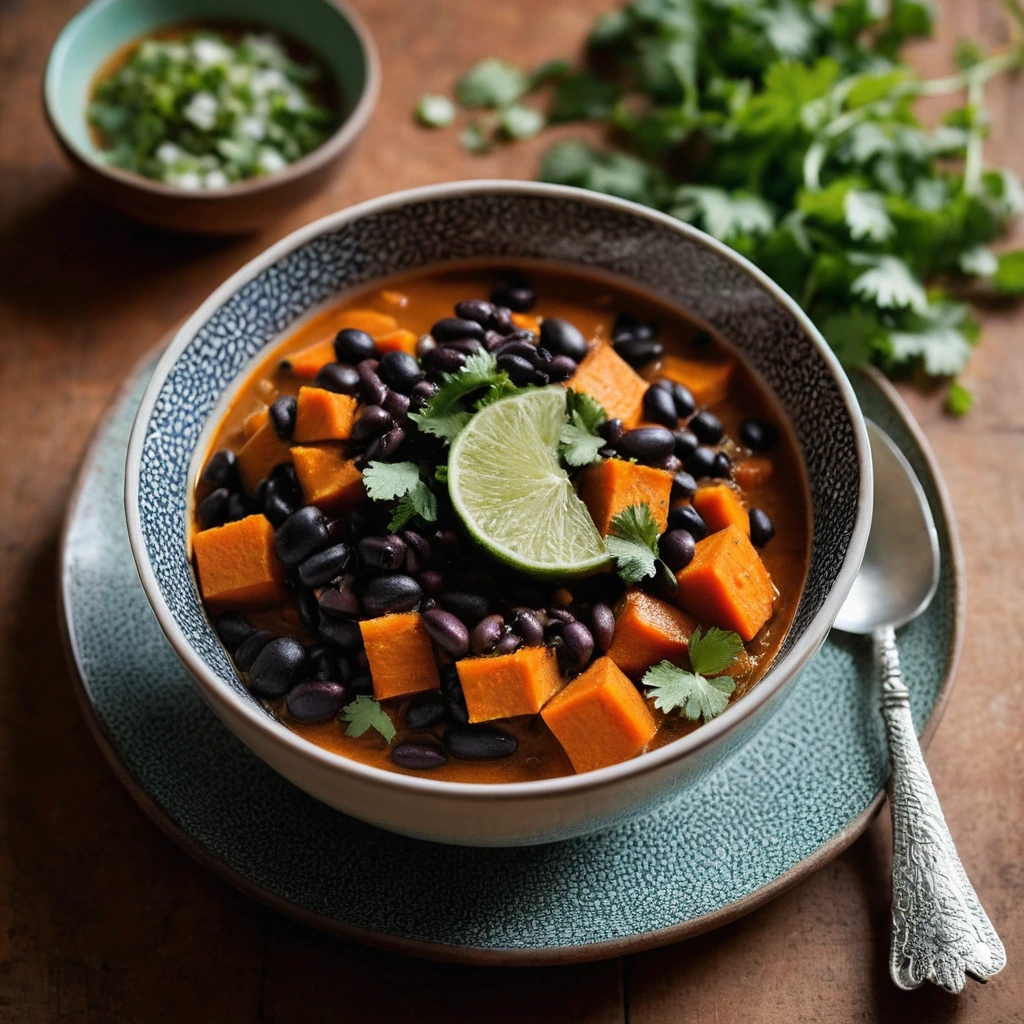
Smoky Sweet Potato and Black Bean Stew
Hearty and deeply flavorful, this stew is a comforting hug in a bowl with smoky spices and tender sweet potatoes.

Sausage, Egg, and Cheese Croissant Pockets
Buttery croissants envelop a warm, savory trio of sausage, fluffy scrambled eggs, and melty cheese for a breakfast pocket that's pure bliss.