Fermentation: Simple Sauerkraut at Home
Fermentation is an ancient technique that preserves food while enhancing its flavor and nutritional profile. Sauerkraut, a beloved fermented food, is essentially shredded cabbage transformed by lactic acid bacteria into a tangy, probiotic-rich delicacy. The process is straightforward and requires minimal equipment, making it perfect for home cooks. The key to successful sauerkraut lies in creating the right environment for beneficial bacteria to thrive while inhibiting harmful ones. This involves ensuring the cabbage is submerged in its own brine, maintaining cleanliness to avoid contamination, and allowing enough time for fermentation to occur. The result is a crunchy, flavorful condiment that can elevate sandwiches, hot dogs, and even hearty stews. Understanding the science behind fermentation helps troubleshoot common issues like mold or overly soft cabbage, ensuring a successful batch every time. By mastering this technique, you not only create a delicious addition to your meals but also unlock the benefits of probiotics for your gut health. Let's dive into the art of making sauerkraut at home, where patience and precision yield delightful results.
Notes
The science behind sauerkraut is fascinating. Lactic acid bacteria naturally present on cabbage metabolize sugars into lactic acid, creating an environment where harmful bacteria cannot survive. This acidification process preserves the cabbage and imparts its signature tang. Troubleshooting common issues: If mold appears, it's often due to insufficient submersion of the cabbage in brine or unclean equipment. To avoid this, ensure cleanliness and keep the cabbage submerged. Temperature control is crucial—too warm and the cabbage may become mushy, too cold and fermentation slows. For storage, sauerkraut can be kept in the refrigerator for several months, and fermentation will continue slowly, deepening the flavor over time. Always use clean utensils to prevent contamination.
Steps
- 1 Select 2 medium heads of firm, fresh cabbage and remove any damaged outer leaves.
- 2 Quarter the cabbage heads and remove the cores, then thinly slice or shred the cabbage.
- 3 In a large bowl, sprinkle 3 tablespoons of non-iodized salt over the cabbage as you shred it.
- 4 Massage and squeeze the cabbage with clean hands for about 10 minutes until it releases juices.
- 5 Transfer the cabbage to a clean fermentation vessel, pressing down firmly to submerge it in its own brine.
- 6 Cover the cabbage with a clean cabbage leaf or fermentation weight to keep it below the brine.
- 7 Cover the vessel with a clean cloth or loose lid to allow airflow while keeping out contaminants.
- 8 Let the sauerkraut ferment at room temperature, around 65-75°F, for 1-4 weeks.
- 9 Check daily for any mold, skimming off any white or clear foam that forms.
- 10 After 1 week, taste the sauerkraut; if it's tangy and bubbly, it's ready. If not, continue fermenting.
- 11 Once fermented to your liking, transfer the sauerkraut to airtight jars, pressing down to maintain submersion.
- 12 Store the jars in the refrigerator to slow fermentation and enjoy within several months.
Ingredients to explore

Anaheim Peppers
Anaheim peppers are a mild chili pepper variety named after Anaheim, California, where they were first cultivated commercially. Originating from the New Mexico region, these peppers are celebrated for their versatility and gentle heat. They possess a flavor that is mildly sweet with a subtle tang, and a pleasant vegetal note reminiscent of green bell peppers, but with a hint of spice. Their texture is firm and crisp when fresh, becoming tender and slightly smoky when roasted or cooked. In cooking, Anaheim peppers behave well across a range of techniques, from grilling and roasting to stuffing and sautéing, contributing a nuanced depth without overwhelming other ingredients with heat.
00 Pizza Flour
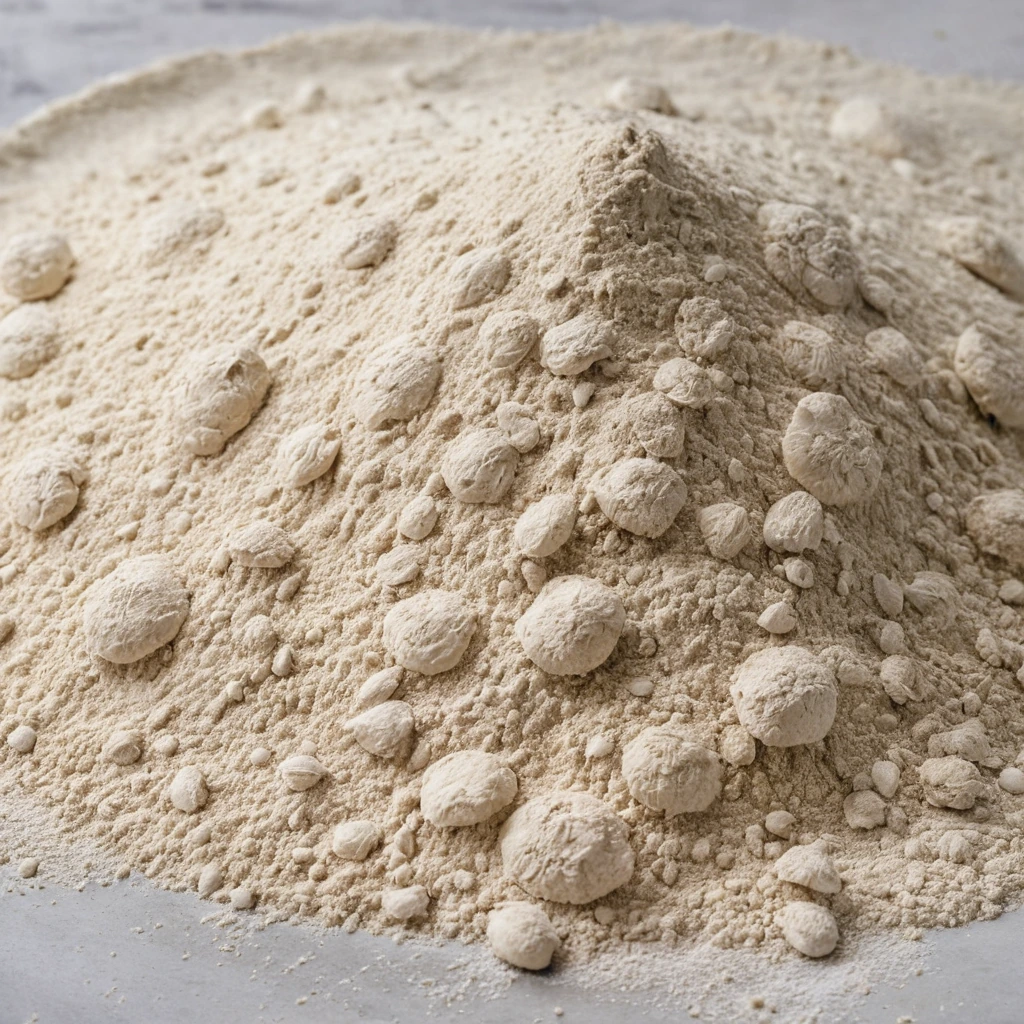
00 pizza flour is a finely milled Italian flour prized for its versatility in creating authentic Neapolitan-style pizza crusts. Originating from Italy, it is milled to a very fine consistency, which is reflected in its name, 'doppio zero,' indicating its fine grind. This flour has a balanced flavor profile, offering a mild, slightly sweet taste with a subtle nuttiness. Its texture is silky and smooth, contributing to a tender yet chewy crust when used in pizza making. In cooking, 00 pizza flour is known for its ability to hydrate quickly and develop a desirable gluten structure, resulting in a light and airy crust that can withstand high-heat cooking without becoming overly crispy or hard.