Fermentation: Mixing and Packing Cabbage for Kimchi
Fermenting cabbage into kimchi is an art that transforms humble ingredients into a vibrant, tangy condiment. The process begins with selecting the right cabbage, typically Napa, which is sturdy enough to hold its shape yet porous enough to absorb flavors. Before mixing, the cabbage is often brined to soften and remove some of the water, allowing it to better absorb the kimchi paste. The paste, a blend of chili powder, garlic, ginger, and other seasonings, is what gives kimchi its signature kick. Mixing the paste with the cabbage is a tactile process that requires massaging the leaves to ensure even distribution. Once mixed, packing the cabbage into a jar or crock is where fermentation truly begins. The cabbage must be densely packed to exclude air, creating an anaerobic environment where beneficial lactic acid bacteria thrive. This environment not only preserves the cabbage but also develops those complex, tangy flavors we love. Over time, the kimchi ferments, transforming in flavor and texture. The key is patience and attentiveness; checking for signs of spoilage and ensuring the cabbage remains submerged in its juices is crucial for success. Understanding this technique unlocks the door to creating a variety of kimchi, each with its unique flavor profile.
Notes
The science behind kimchi fermentation lies in lactic acid bacteria, which convert sugars into lactic acid, preserving the cabbage and creating tangy flavors. Troubleshooting common mistakes includes ensuring the cabbage is fully submerged to prevent mold and adjusting the room temperature if fermentation is too slow or too rapid. Safety is paramount: discard kimchi if you notice any off-smells, mold, or an overly soft texture. Kimchi can be made ahead and stored in the refrigerator for several weeks, allowing the flavors to deepen over time.
Steps
- 1 Slice the Napa cabbage lengthwise into quarters.
- 2 Remove the core and separate the leaves.
- 3 Prepare a brine of 1/4 cup non-iodized salt dissolved in 4 cups water.
- 4 Submerge the cabbage leaves in the brine for 6 to 8 hours.
- 5 Drain and rinse the cabbage thoroughly under cold water.
- 6 Mix kimchi paste using 1/4 cup chili powder, 1 tablespoon minced garlic, 1 tablespoon grated ginger, 1 teaspoon sugar, and 2 tablespoons fish sauce.
- 7 Massage the paste into each cabbage leaf, ensuring even coverage.
- 8 Layer the coated leaves tightly into a clean, wide-mouth jar.
- 9 Press down firmly to expel air and submerge cabbage in its juices.
- 10 Cover with a fermentation weight or a smaller jar filled with brine.
- 11 Seal the jar loosely with a lid or use an airlock.
- 12 Let sit at room temperature (65°F to 75°F) for 1 to 7 days, checking daily.
- 13 Once fermentation is to your liking, store in the refrigerator.
Ingredients to explore
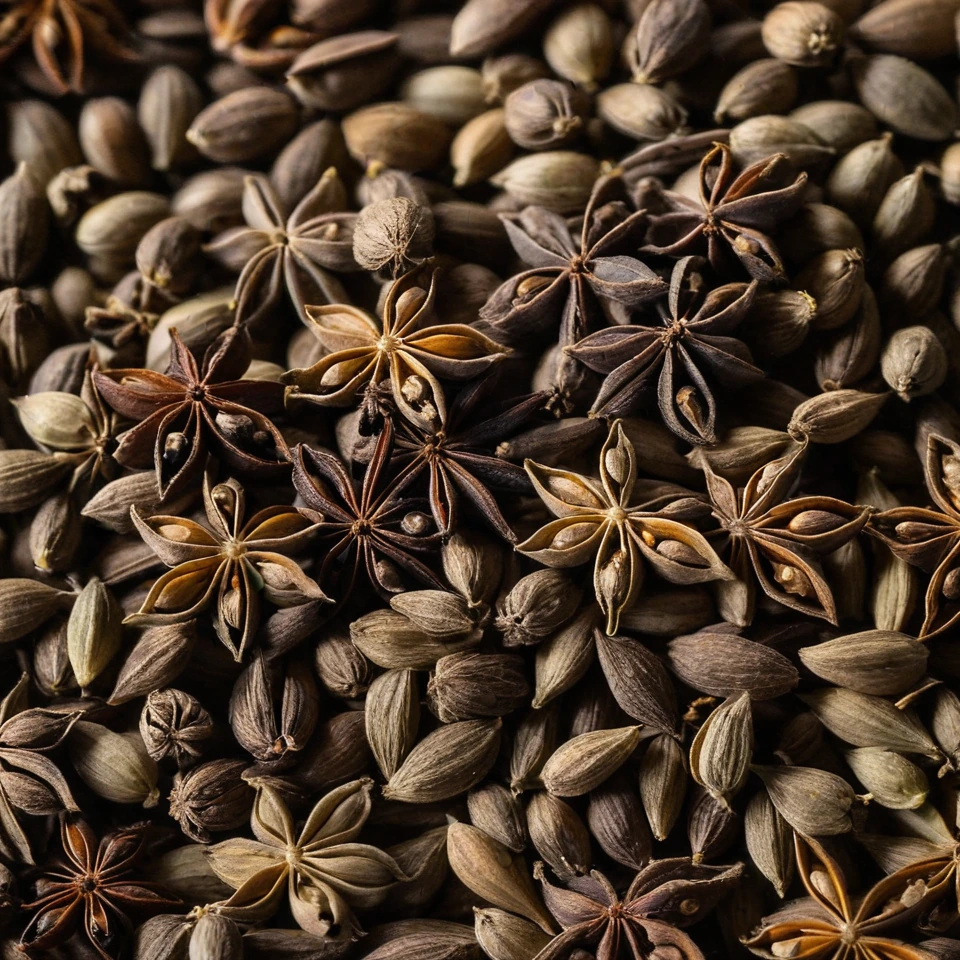
Anise Seeds
Anise seeds are small, oval seeds with a sweet, licorice-like flavor. They are commonly used in both sweet and savory dishes, offering a warm, aromatic taste.
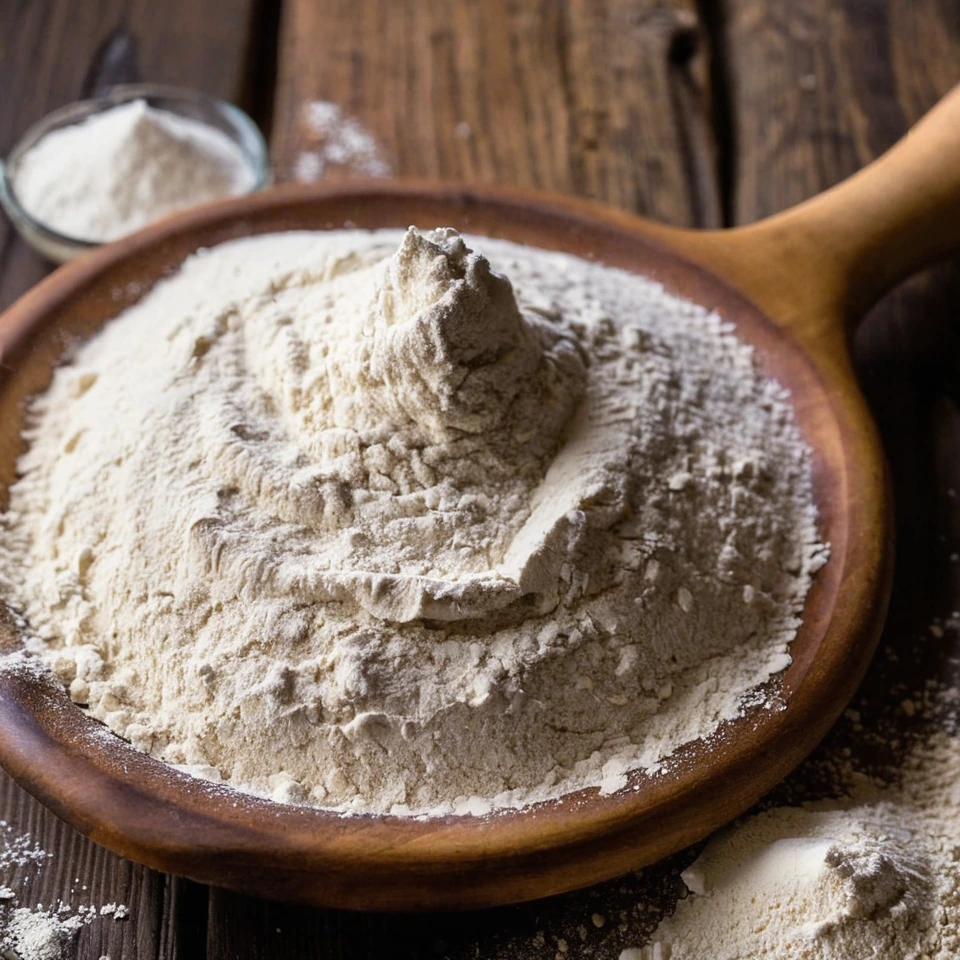
All-Purpose Flour
All-purpose flour is a versatile wheat flour that contains a moderate level of protein and gluten, making it suitable for a wide range of baking and cooking needs.
Recipes to try
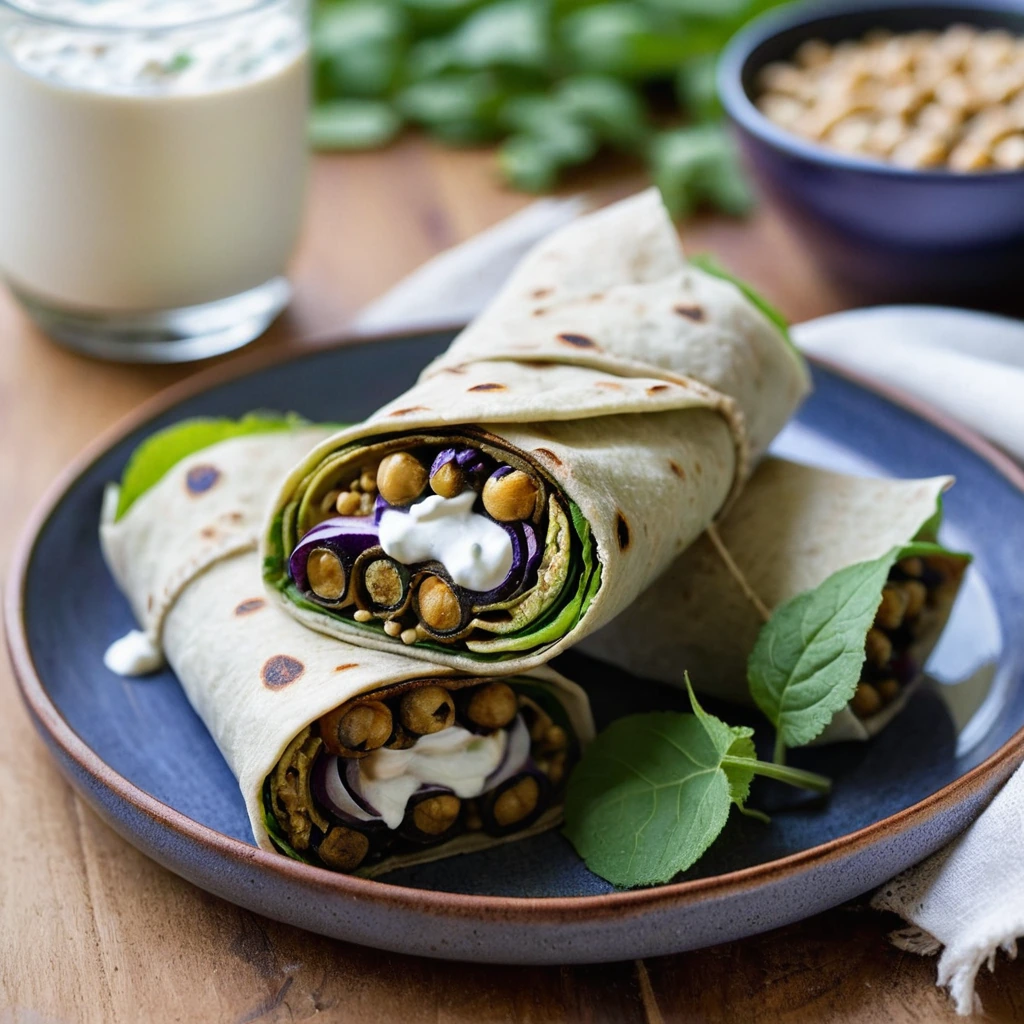
Roasted Eggplant and Chickpea Wraps with Yogurt
Creamy yogurt swirls with smoky roasted eggplant and hearty chickpeas, all wrapped in a warm tortilla for a veggie-packed meal.
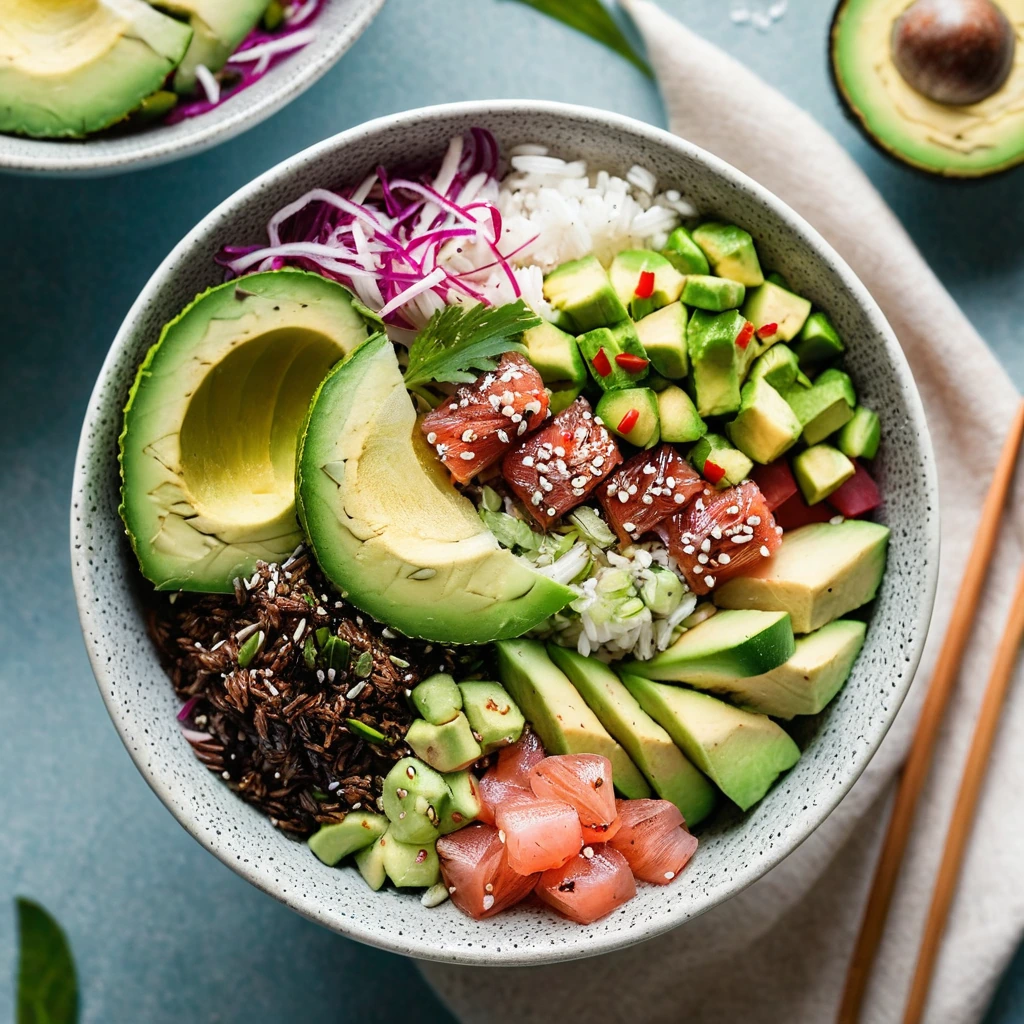
Spicy Tuna and Avocado Poke Bowls
Bright and zesty, these poke bowls are a fiesta of flavors with spicy tuna and creamy avocado.