Everyday Baking: Using Pan Spray and Parchment Together
Baking can be a delightful yet tricky endeavor, especially when it comes to ensuring your creations don't stick to the pan. The technique of using pan spray and parchment paper together is a game-changer for home bakers. It combines the non-stick benefits of both methods, providing a reliable shield against stubborn residues. This approach is particularly useful for delicate baked goods like cookies, pastries, and cakes. The pan spray acts as an adhesive for the parchment, preventing it from shifting during the baking process, while the parchment provides a non-stick surface that's easy to clean. Together, they create a nearly foolproof system for releasing your baked goods intact. Understanding how to properly apply this technique can elevate your baking game, ensuring consistent results with minimal effort. It’s a simple yet effective method that saves time, reduces waste, and enhances the overall baking experience. By mastering this technique, you’ll gain confidence in tackling a variety of recipes, knowing your treats will come out perfectly every time. Let’s dive into the details and discover how to seamlessly integrate pan spray and parchment into your baking routine.
Notes
The science behind using pan spray and parchment paper together lies in their complementary functions. The pan spray creates a barrier that prevents the parchment from sliding around, while the parchment offers a non-stick surface that’s easy to clean. This method is particularly effective because it minimizes the risk of baked goods sticking, which can be a common issue when using parchment alone or relying solely on greasing. Troubleshooting: Ensure you don’t over-spray the pan or parchment, as this can cause sogginess or affect the browning of your baked goods. Safety is key—always use oven mitts when handling hot pans and parchment. For make-ahead preparation, you can line your pans and spray them in advance, storing them covered with plastic wrap until ready to use. This saves time and ensures you’re ready to bake whenever inspiration strikes.
Steps
- 1 Preheat your oven to the required temperature for your recipe.
- 2 Select the appropriate pan size for your baked goods.
- 3 Give the pan a light coat of pan spray, ensuring even coverage.
- 4 Place a sheet of parchment paper into the sprayed pan, pressing it gently to adhere.
- 5 Trim any excess parchment paper that extends beyond the pan edges.
- 6 Lightly spray the parchment paper if your recipe calls for it, especially for sticky batters.
- 7 Pour or scoop your batter or dough onto the prepared pan.
- 8 Bake according to your recipe’s instructions, checking for doneness with visual cues.
- 9 Remove the pan from the oven and let it cool for a few minutes.
- 10 Use a spatula to gently lift the edges of the parchment.
- 11 Transfer the parchment with the baked goods onto a wire rack to cool completely.
- 12 Once cooled, remove the baked goods from the parchment for serving or storage.
- 13 Clean the pan immediately with warm soapy water to maintain its condition.
- 14 Store any leftover parchment paper in a dry, flat place for future use.
Ingredients to explore
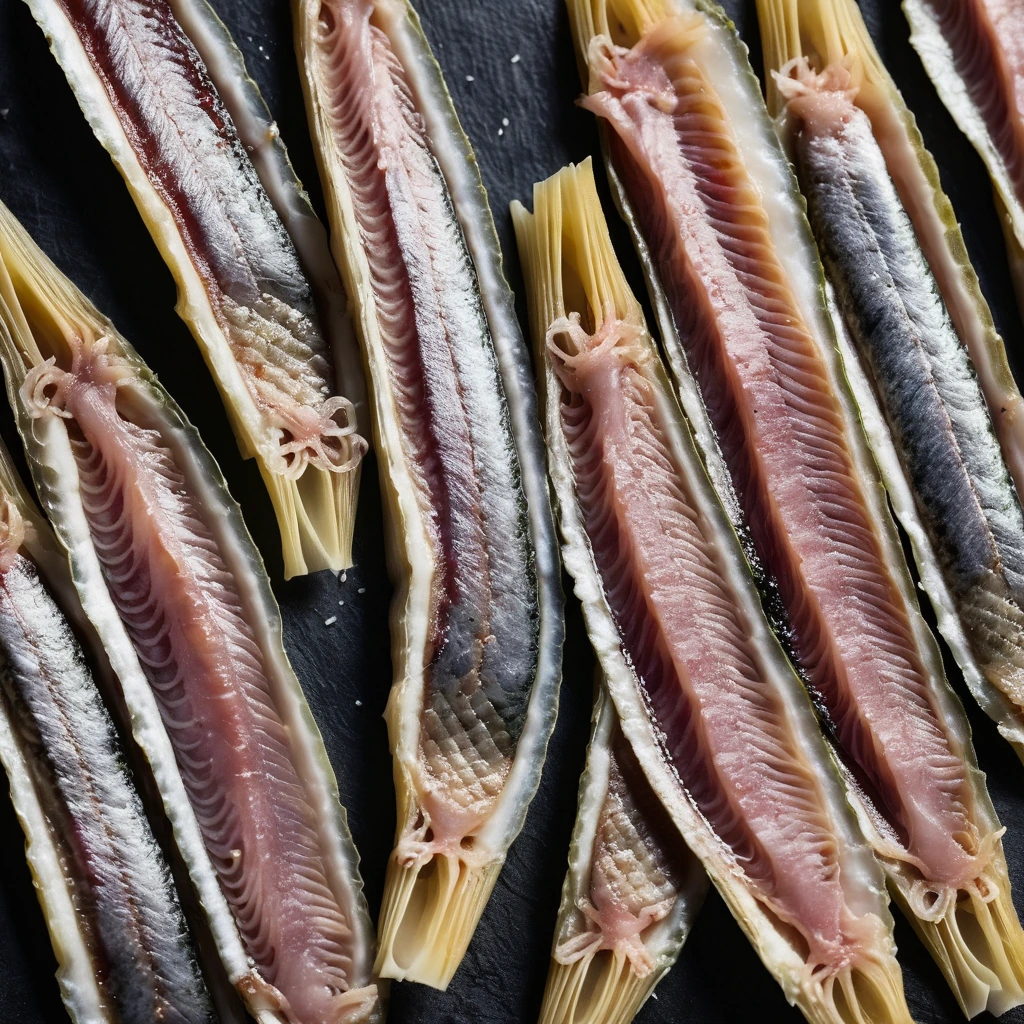
Anchovy Fillets
Silvery and succulent, anchovy fillets are a briny treasure from the sea. Their rich, umami flavor adds depth to dishes, making them a beloved ingredient in kitchens worldwide.
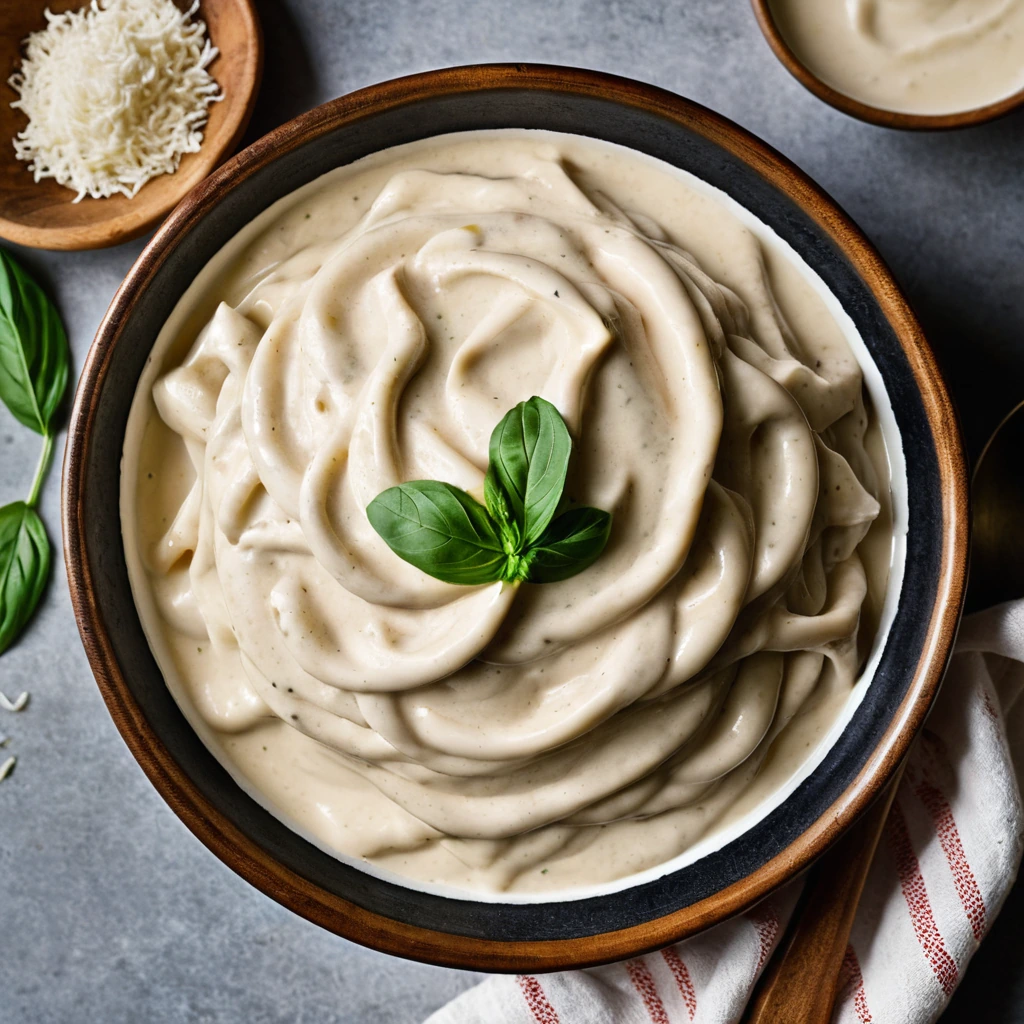
Alfredo Sauce
Creamy, rich, and utterly indulgent, Alfredo sauce is a dreamy blend of butter, heavy cream, and Parmesan cheese. Its velvety texture and savory depth make it a beloved staple in Italian-American cuisine.
Recipes to try
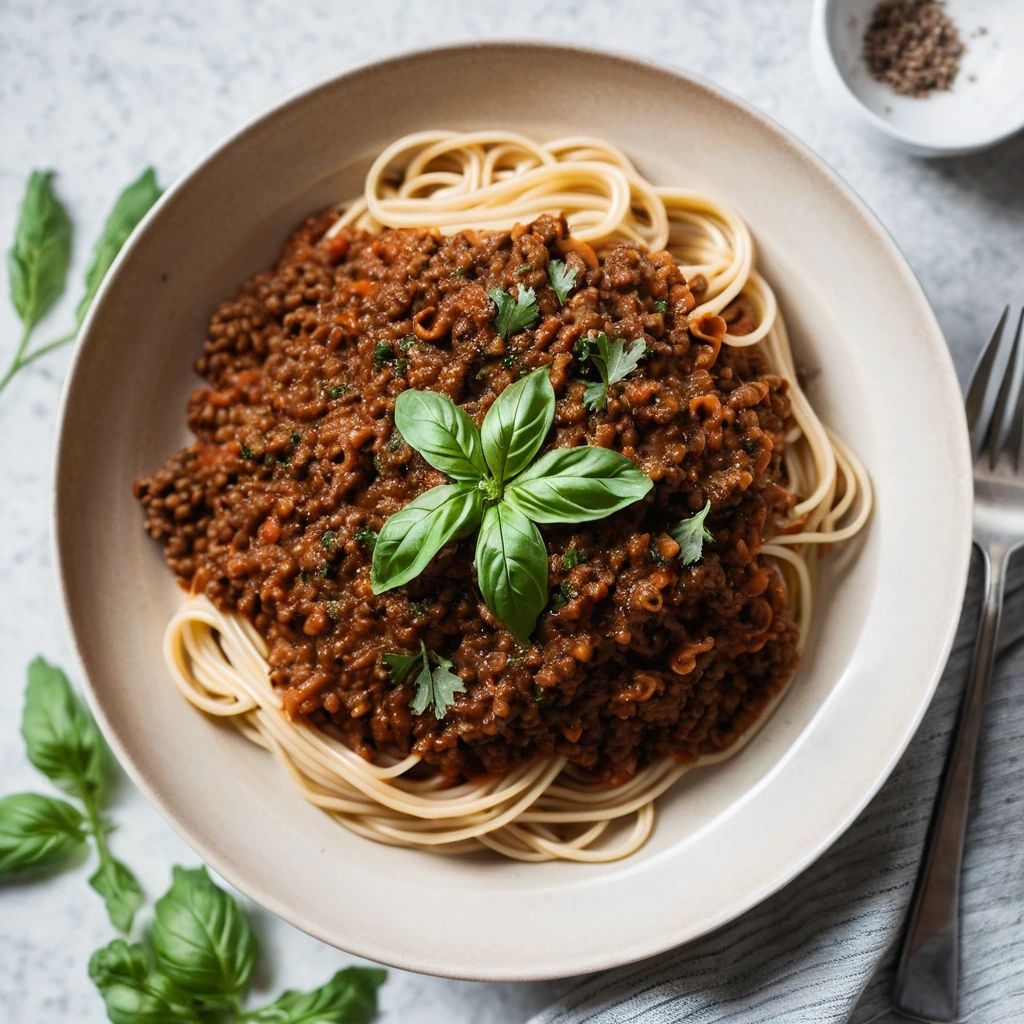
Mushroom and Lentil Bolognese over Spaghetti
A hearty, savory Bolognese packed with earthy mushrooms and protein-rich lentils, served over perfectly al dente spaghetti.
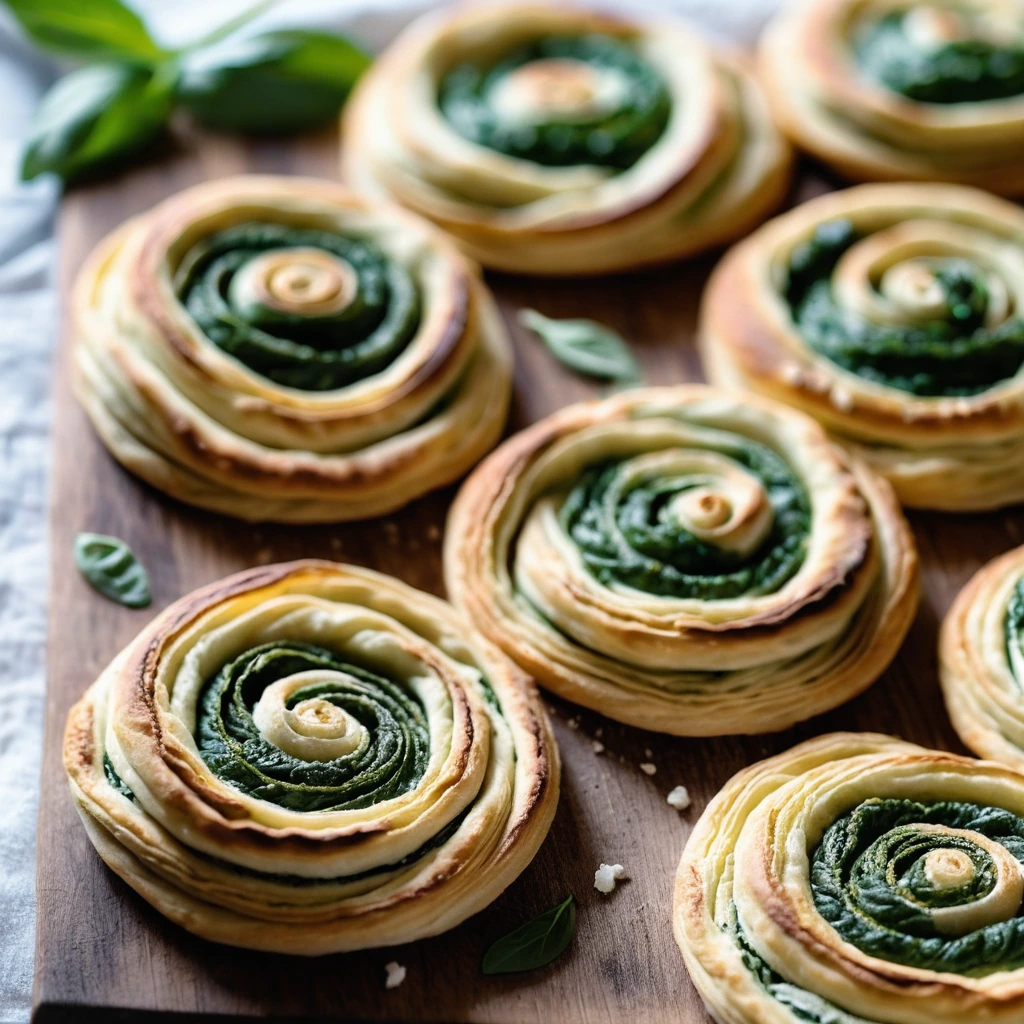
Spinach and Feta Puff Pastry Swirls
Golden, flaky layers of puff pastry embrace a savory mix of spinach and tangy feta in these irresistible swirls.