Everyday Baking: Rotating Pans for Even Baking
Achieving perfectly baked goods at home can sometimes feel like a game of culinary roulette. One of the most overlooked yet effective techniques to ensure even baking is simply rotating your pans. This seemingly minor adjustment can make a world of difference in how your cakes, cookies, and breads turn out. Ovens, despite their advanced technology, often have hot spots that can lead to uneven cooking. By understanding and employing the rotation method, home bakers can achieve consistent results with golden-brown edges and perfectly risen centers. This technique is particularly crucial for delicate pastries or when baking multiple trays at once. We'll dive into why ovens have hot spots, how rotation counteracts this issue, and how to integrate this simple yet transformative method into your baking routine.
Notes
Understanding oven dynamics is key to successful baking. Heat distribution can vary due to oven design, age, and even the materials used in construction. Rotating pans helps counteract these inconsistencies by exposing all parts of your baked goods to the oven's hot spots and cooler areas. A common mistake is not preheating the oven properly, which can exacerbate uneven baking. Always ensure your oven is fully preheated before inserting your pans. For safety, use oven mitts when handling hot pans and be cautious of steam when opening the oven door. As for make-ahead and storage, most baked goods can be stored at room temperature for a day or two, but for longer storage, consider airtight containers or refrigeration to maintain freshness.
Steps
- 1 Preheat your oven to the desired temperature as specified in your recipe.
- 2 Place your pans on the designated oven rack(s) based on the recipe instructions.
- 3 Set a timer for half the total baking time.
- 4 When the timer goes off, open the oven door and use oven mitts to carefully remove the pans.
- 5 Rotate the pans 180 degrees if using one rack, or switch their positions if using multiple racks.
- 6 Return the pans to the oven and reset the timer for the remaining baking time.
- 7 Keep an eye on the baked goods through the oven window to monitor progress.
- 8 Check for doneness 5 minutes before the expected completion time using a toothpick or cake tester.
- 9 Remove the pans from the oven once done, and transfer to wire racks to cool.
Ingredients to explore

Andouille Sausage
Andouille sausage is a coarse-grained, smoked pork sausage with a rich history rooted in French cuisine, particularly from the Alsace region. It was adapted in Louisiana, where it became a staple in Cajun and Creole cooking. The sausage is known for its robust, smoky flavor with hints of garlic, pepper, and other spices, creating a spicy and savory profile. Its texture is firm yet slightly chewy, making it a hearty addition to dishes. When cooked, andouille sausage maintains its shape well and infuses dishes with its distinctive smoky essence, enhancing stews, soups, and rice dishes.
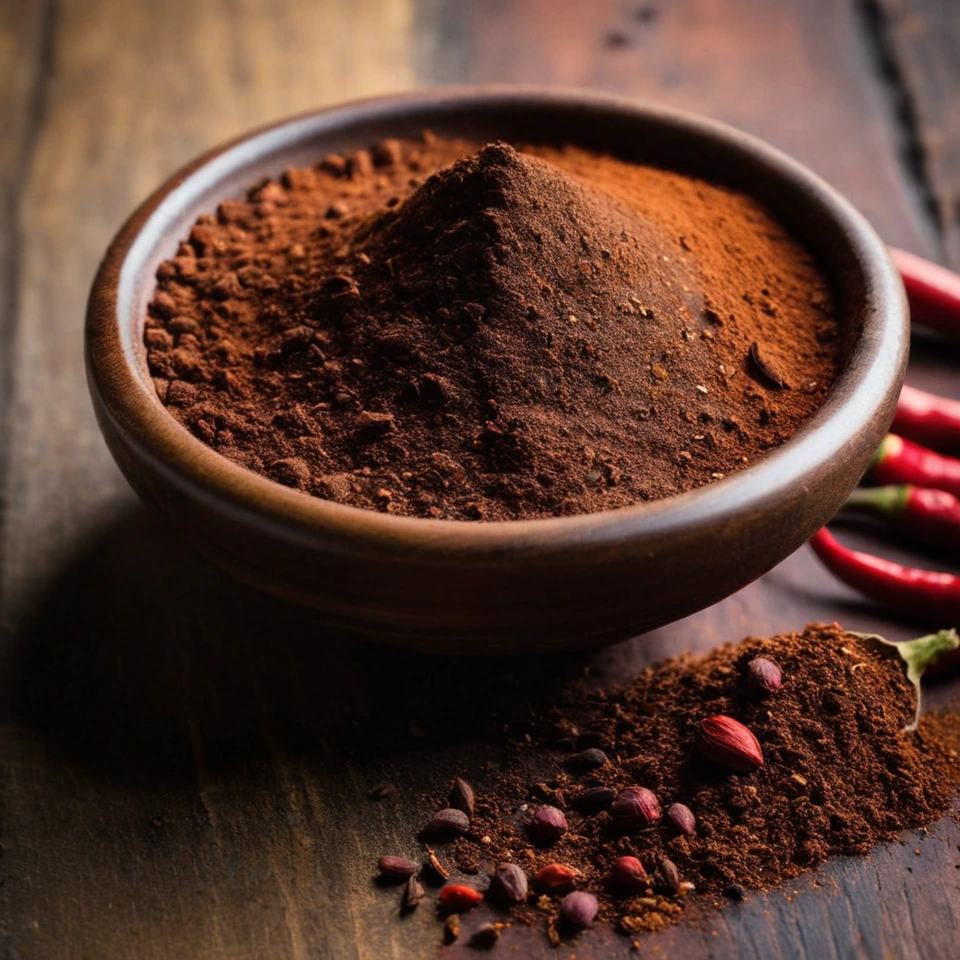
Ancho Chili Powder
Ancho chili powder offers a deep, smoky sweetness with hints of dried fruit and cocoa, reminiscent of its origin as dried poblano peppers from Mexico. Its aroma is warm and inviting, with a mild heat that lingers gently. The texture is fine and velvety, making it easy to incorporate into a variety of dishes. This powder is prized for its ability to add complexity without overwhelming spice, ideal for enriching both traditional Mexican moles and contemporary global cuisines.
Recipes to try
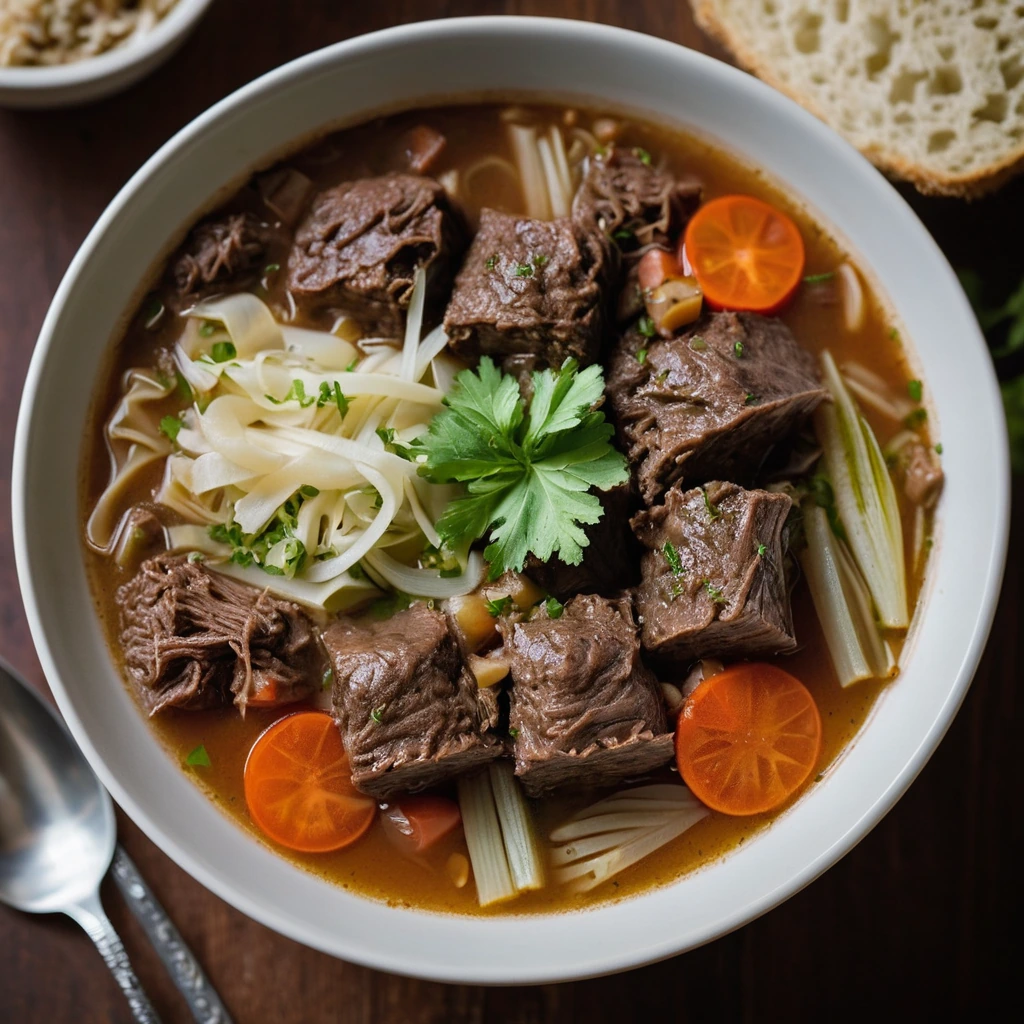
Stuffed Cabbage Roll Inspired Beef Soup
Warm up with this hearty soup that nods to classic stuffed cabbage rolls, brimming with tender beef and savory broth.
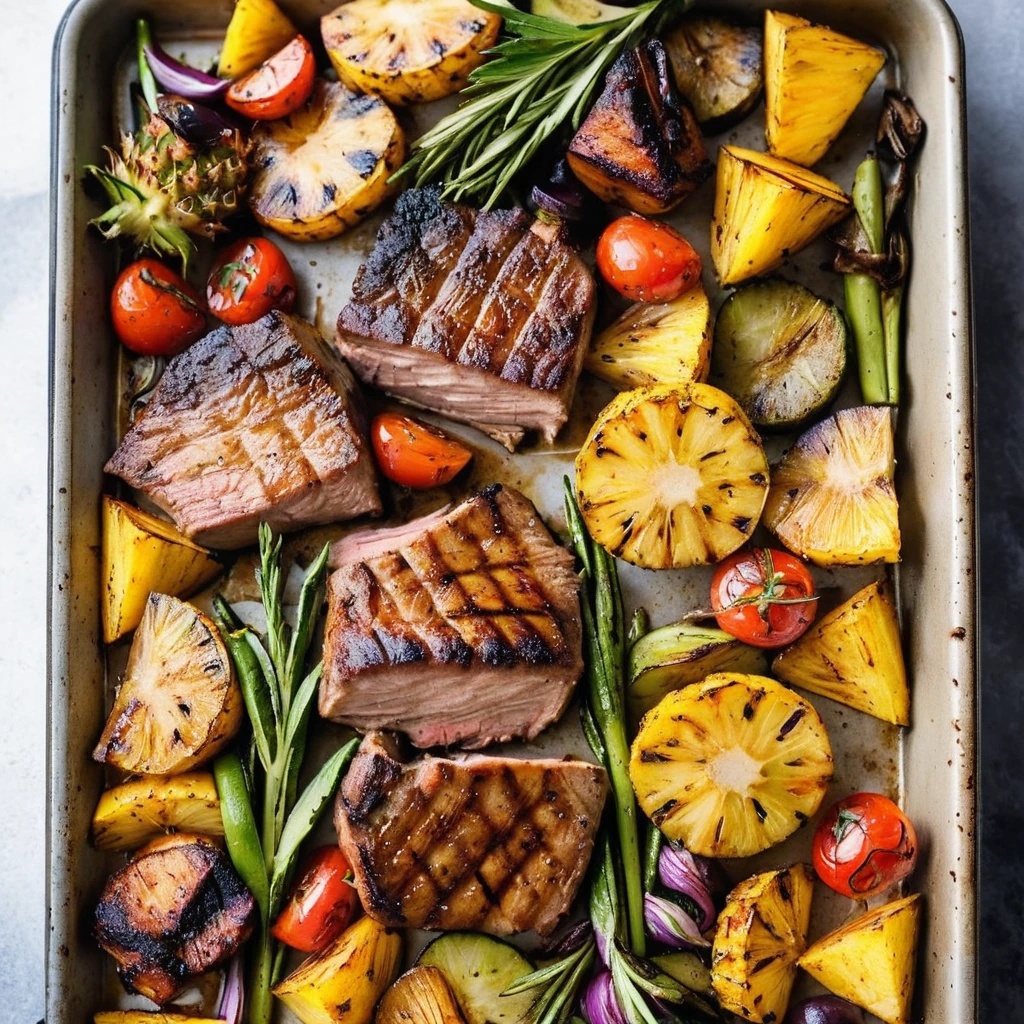
Pork and Pineapple BBQ Sheet Pan Supper
Sweet, tangy, and smoky flavors mingle in this fuss-free sheet pan supper that'll have you licking your plate clean.