Everyday Baking: Checking Cake Doneness Without Guessing
Baking a cake is part science, part art, and part intuition. But when it comes to checking if your cake is done, intuition can only take you so far. Achieving the perfect cake requires precision and a few reliable techniques. This method will guide you through checking cake doneness with confidence, ensuring your creation is neither underbaked nor overbaked. First, understanding the visual cues is crucial. A done cake will typically pull away slightly from the sides of the pan and have a firm yet springy surface. The color should be golden and even, without any wet, shiny patches. Next, consider the structural integrity. A properly baked cake will hold its shape when gently nudged. However, the most reliable method is the toothpick test. Inserting a toothpick into the center of the cake should yield a clean or nearly clean result. Let's delve deeper into these techniques and refine your cake-baking prowess. Beyond visual cues, there are tactile and olfactory signs to consider. A cake that's ready will have a rich aroma emanating from the oven, signaling that the internal chemical reactions have completed. The surface should resist the touch, springing back when pressed gently with a fingertip. Another useful technique is listening for the sound of the cake as it bakes. A fully baked cake emits a muted, hollow sound when tapped gently on the top. It's important to remember that oven temperatures and individual recipes can vary, so always rely on a combination of methods rather than a single indicator. Finally, understanding the role of ingredients like flour, sugar, and leavening agents can help predict how your cake will bake. Flour provides structure, sugar affects browning and moisture, and leavening agents determine rise and texture. By mastering these techniques, you'll be able to determine cake doneness with precision, eliminating guesswork and ensuring consistent results.
Notes
The science behind checking cake doneness lies in understanding the Maillard reaction and starch gelatinization. These processes ensure structure and flavor development. Common mistakes include pulling the cake too early, which can lead to a fallen center, or baking too long, resulting in a dry cake. To avoid these pitfalls, always use an oven thermometer to ensure accuracy and adjust your oven racks to promote even baking. For safety, use oven mitts when handling hot pans. If you need to make ahead, let the cake cool completely, wrap it in plastic wrap, and store it at room temperature for up to 2 days or refrigerate for up to 5 days.
Steps
- 1 Preheat your oven according to your recipe's instructions.
- 2 Bake the cake as directed, setting a timer for the minimum time indicated.
- 3 After the minimum baking time, check the cake visually for signs of doneness.
- 4 Gently touch the center of the cake; it should spring back.
- 5 Insert a toothpick into the center of the cake; it should come out clean or with a few crumbs.
- 6 If using, tap the top of the cake gently; it should sound hollow.
- 7 Inspect the sides of the cake; they should pull away slightly from the pan.
- 8 Check the color of the cake; it should be golden and even.
- 9 If the toothpick test fails, continue baking in 5-minute increments, rechecking each time.
- 10 Once done, turn off the oven and let the cake rest inside for 5 minutes.
- 11 Remove the cake from the oven and let it cool in the pan for 10 minutes.
- 12 Transfer the cake to a wire rack to cool completely before frosting or serving.
Ingredients to explore
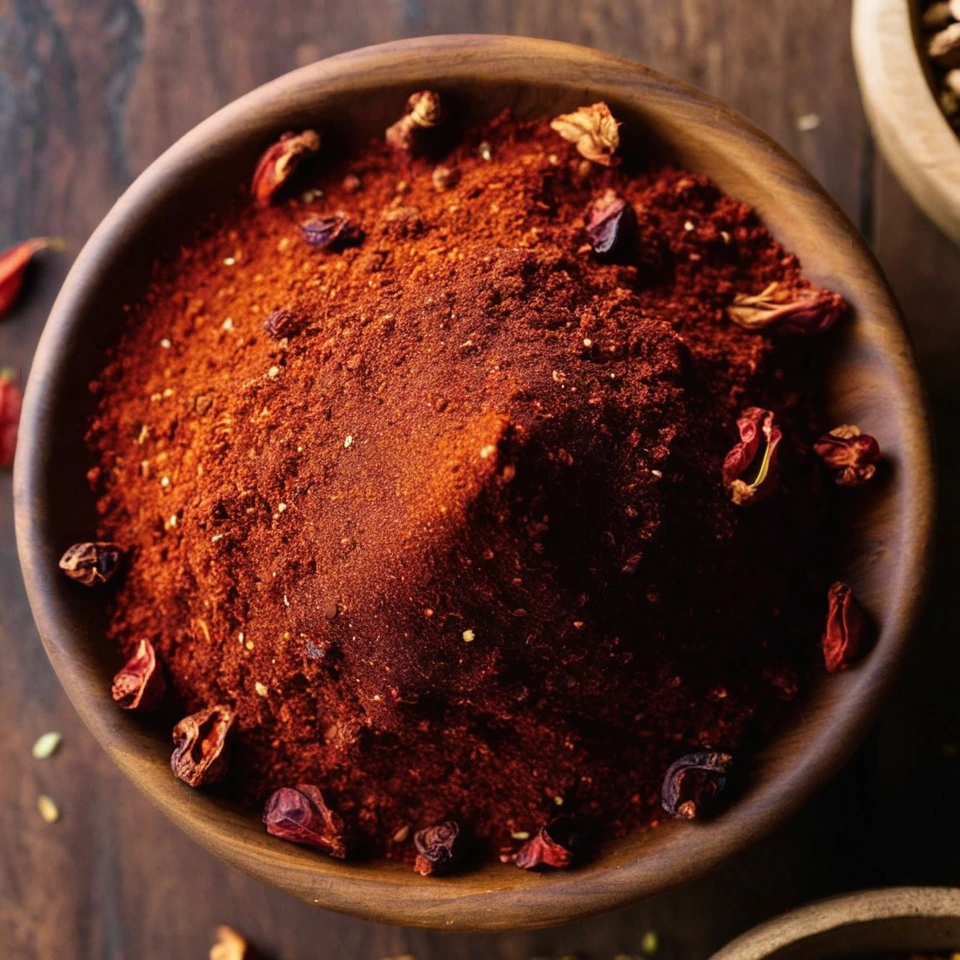
Aleppo Pepper
Aleppo pepper offers a harmonious balance of heat and sweetness, with a subtle fruity aroma reminiscent of sun-dried tomatoes and currants. Originating from the region around Aleppo, Syria, it has a fine, slightly coarse texture that shatters easily between fingers. Its mild yet complex flavor profile makes it a prized seasoning for enhancing dishes without overwhelming them. Valued for its versatility, it bridges the gap between spice and seasoning, bringing a touch of warmth and depth to a variety of cuisines.
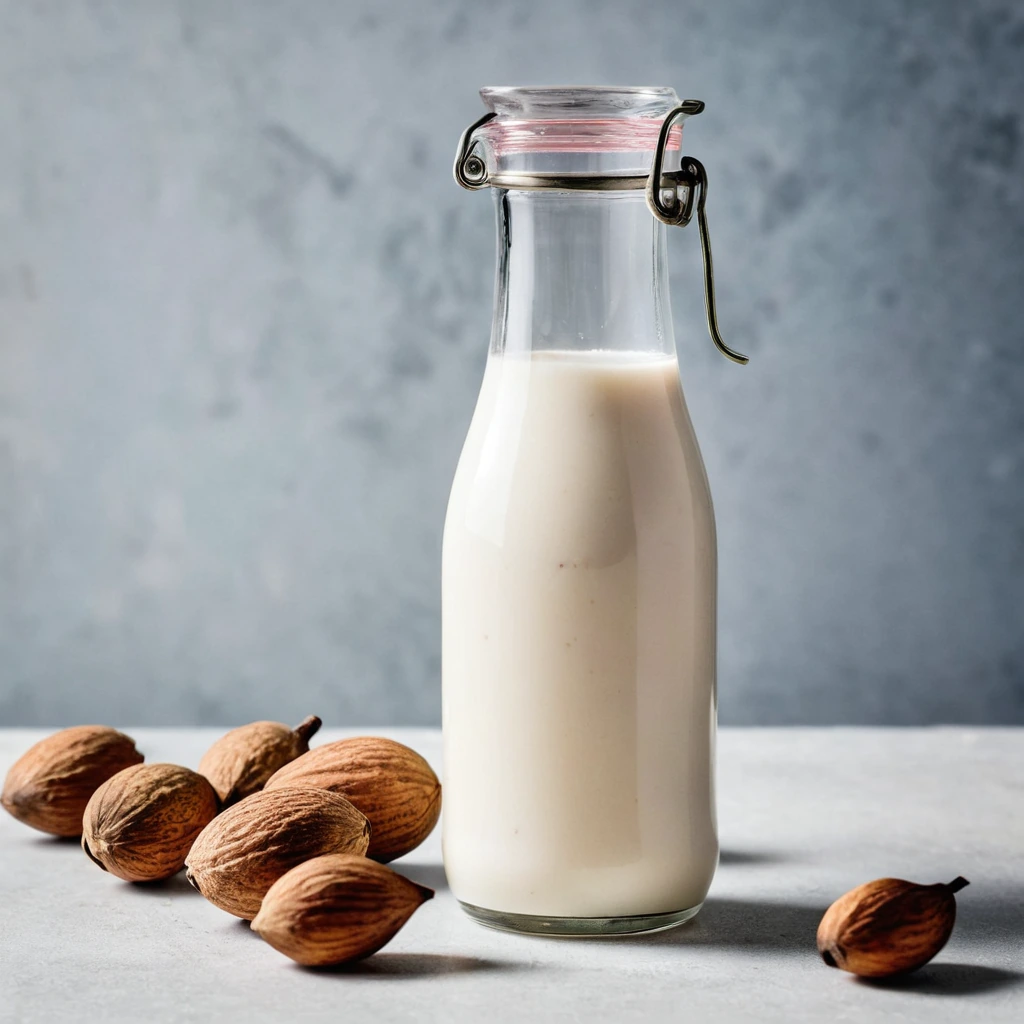
Almond Milk
Almond milk is a plant-based milk alternative made from ground almonds and water. Originating from traditional recipes in medieval Europe and the Middle East, it has gained widespread popularity in modern times as a dairy-free option. Almond milk has a subtly nutty flavor with a mild sweetness, and its aroma is reminiscent of fresh almonds. Its texture is smooth and creamy, though typically lighter than dairy milk. In cooking, almond milk behaves well in both savory and sweet applications, though it does not brown or caramelize like dairy milk. It is often used in cereals, smoothies, and baking, where its delicate flavor complements rather than overpowers other ingredients.
Recipes to try

Sesame Chicken Fried Rice with Veggies
Savory fried rice packed with tender chicken, colorful veggies, and toasted sesame seeds for an irresistible nutty crunch.
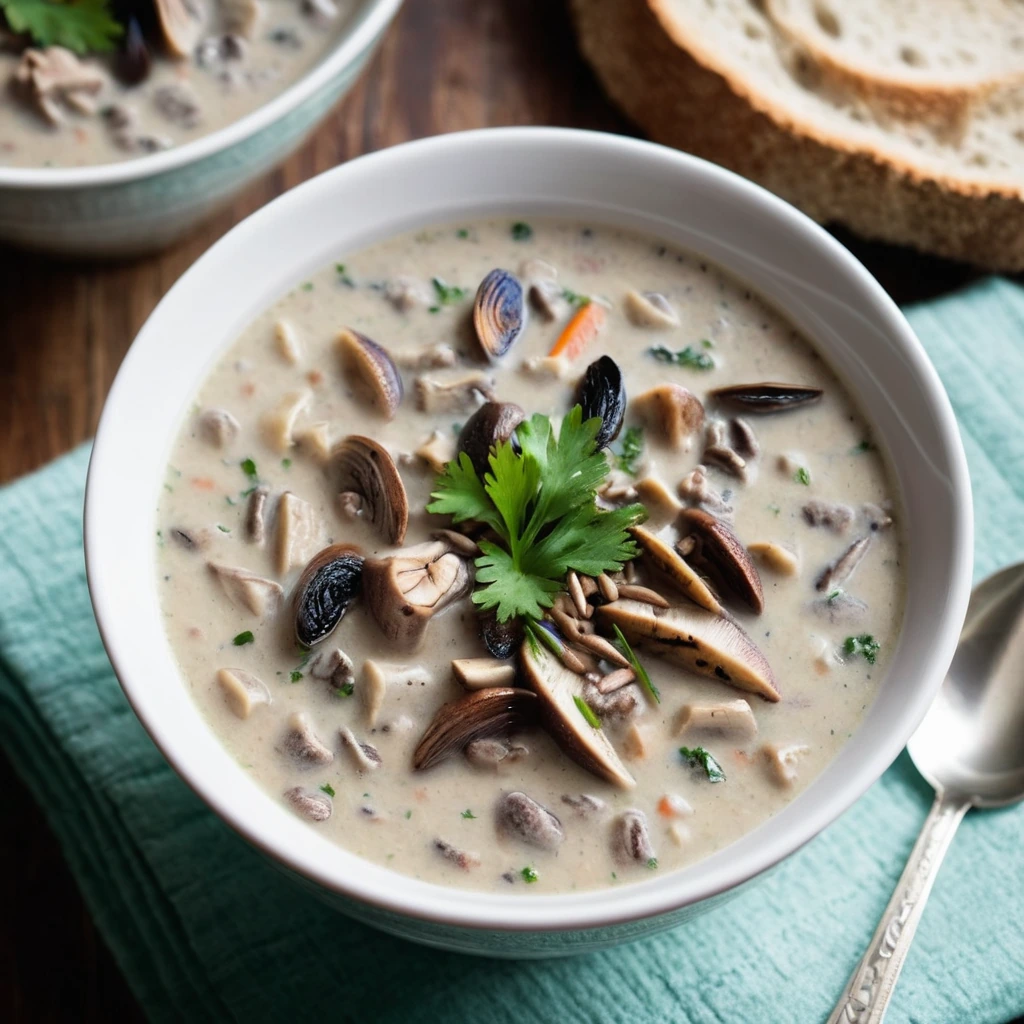
Turkey and Wild Rice Mushroom Soup
Warm up with this hearty soup, brimming with tender turkey, earthy wild rice, and a medley of savory mushrooms in a rich, comforting broth.