Entertaining: Timing a Multi-Course Meal
Timing a multi-course meal is an art that can elevate your home entertaining to a professional level. It requires careful planning, precise execution, and a touch of creativity to ensure each course is served at its peak. The goal is to create a seamless dining experience where each dish complements the next, both in flavor and timing. The first step is to understand the structure of your meal, typically starting with lighter fare like appetizers and progressing to heartier mains, ending with a palate-cleansing dessert. Next, consider the cooking times for each dish—some can be made ahead, while others require last-minute preparation. Utilize tools like timers and thermometers to maintain consistency and precision. Don't forget to account for resting times, which are crucial for meats and starches to achieve optimal texture and flavor. A well-timed meal is also about pacing; guests should linger over each course without feeling rushed or overly full. It's essential to rehearse your timeline before the event to iron out any kinks and ensure a smooth flow. Finally, embrace flexibility. Unexpected delays can occur, so having buffer times built into your schedule can be a lifesaver. Mastering the timing of a multi-course meal is about marrying meticulous planning with graceful adaptability, resulting in an unforgettable dining experience for your guests.
Notes
The science behind timing lies in understanding how different foods cook and rest. Proteins, for example, continue to cook from residual heat even after they're removed from the heat source, a phenomenon called carryover cooking. This is why resting is crucial; it allows for even distribution of juices and prevents dryness. Common mistakes include underestimating prep time and overcomplicating dishes. Keep your menu manageable and practice the recipes beforehand. Safety is key; always use timers and thermometers to ensure food is cooked to safe temperatures. For make-ahead dishes, consider storage methods that preserve texture and flavor, like refrigeration in airtight containers or flash-freezing individual components.
Steps
- 1 Plan your menu with dishes that complement each other and consider their preparation times.
- 2 Identify which dishes can be made ahead and which require last-minute attention.
- 3 Create a detailed timeline starting from the earliest prep work to serving the last course.
- 4 Set timers for each critical cooking step to ensure dishes are completed on schedule.
- 5 Prepare components of dishes that can be made ahead and stored properly.
- 6 Rehearse your timeline at least once to identify potential bottlenecks.
- 7 Allocate buffer times between courses to account for unexpected delays.
- 8 Use a thermometer to check internal temperatures of meats for safety and doneness.
- 9 Rest proteins and starches after cooking to enhance texture and flavor.
- 10 Set the table and ensure all serving dishes are ready before guests arrive.
- 11 Begin cooking according to your timeline, adjusting as necessary based on actual cooking times.
- 12 Serve each course promptly and ensure they are at the correct temperature.
- 13 Communicate with guests if there are slight delays, keeping them engaged with conversation or palate cleansers.
- 14 After serving, enjoy the meal with your guests and be present in the moment.
Ingredients to explore
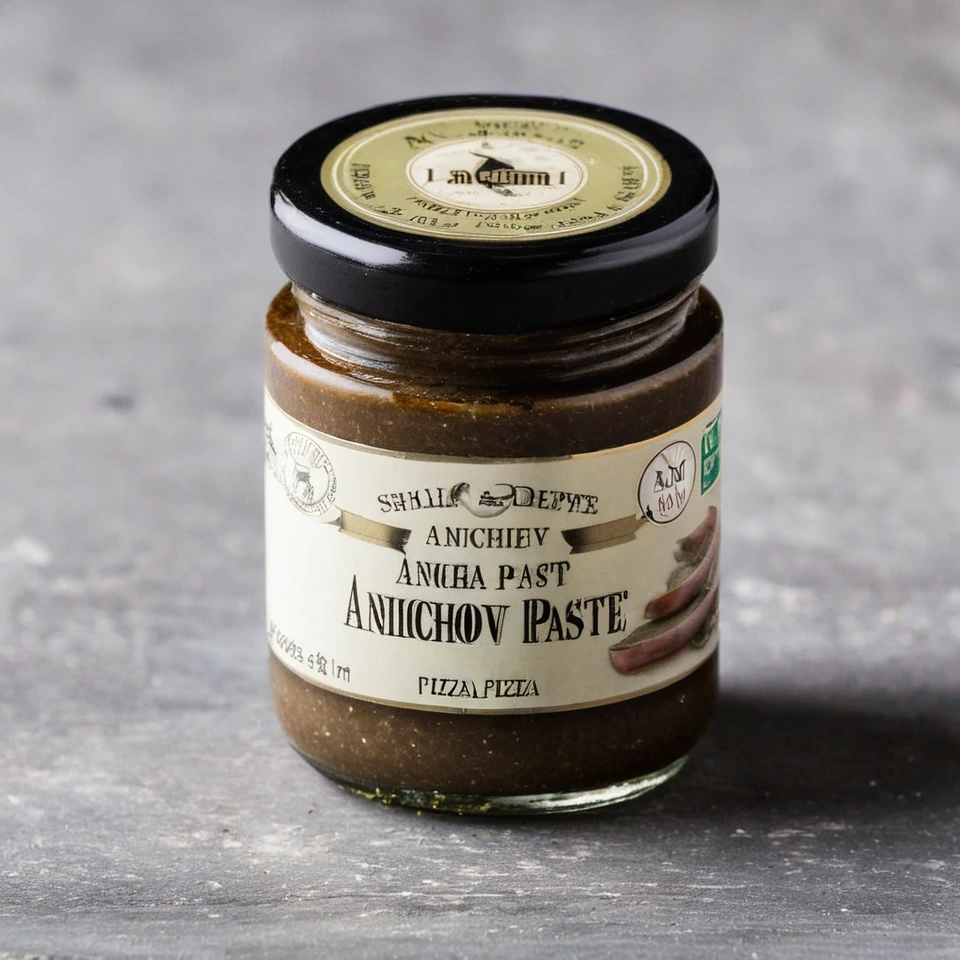
Anchovy Paste
Anchovy paste is a rich, salty spread made from finely ground anchovies, salt, and sometimes olive oil. It offers a deep umami flavor that enhances a variety of dishes.
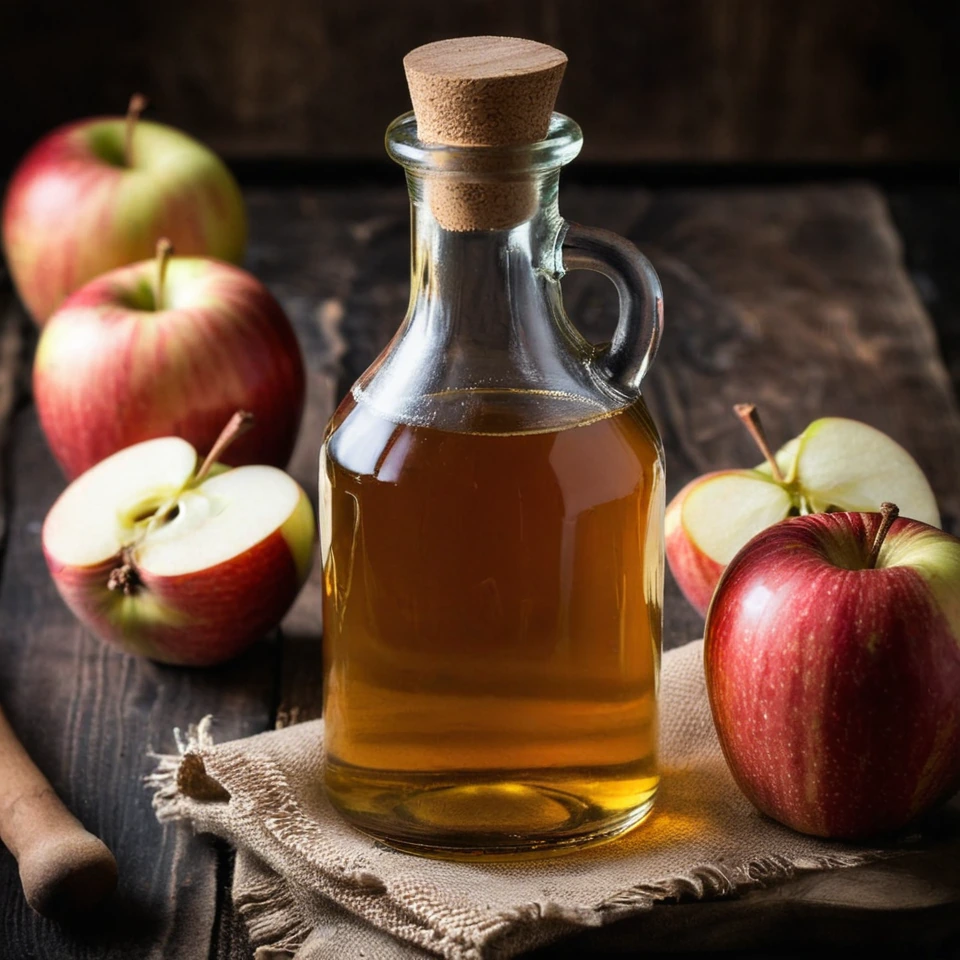
Apple Cider Vinegar
Apple cider vinegar is a type of vinegar made through the fermentation of apple cider, resulting in a tangy, slightly sweet liquid with a pale to medium amber color.
Recipes to try
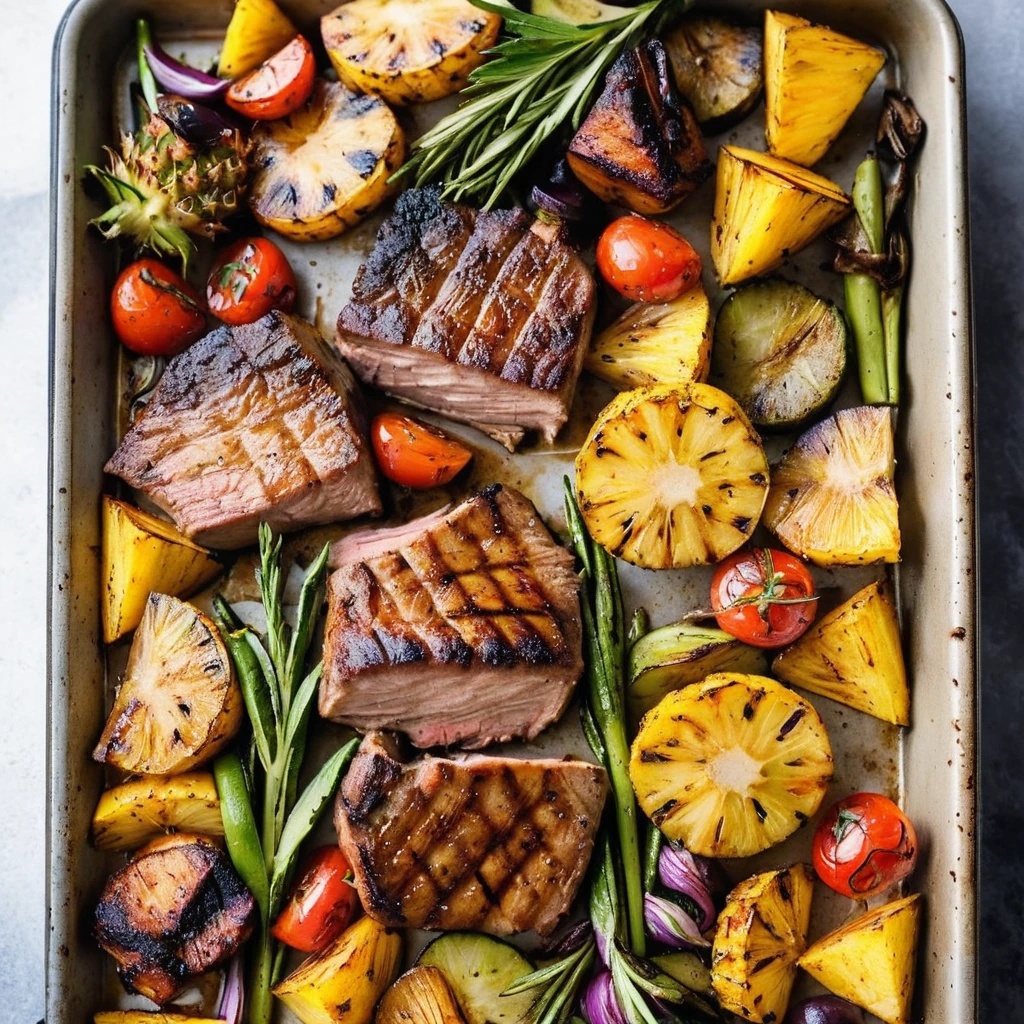
Pork and Pineapple BBQ Sheet Pan Supper
Sweet, tangy, and smoky flavors mingle in this fuss-free sheet pan supper that'll have you licking your plate clean.
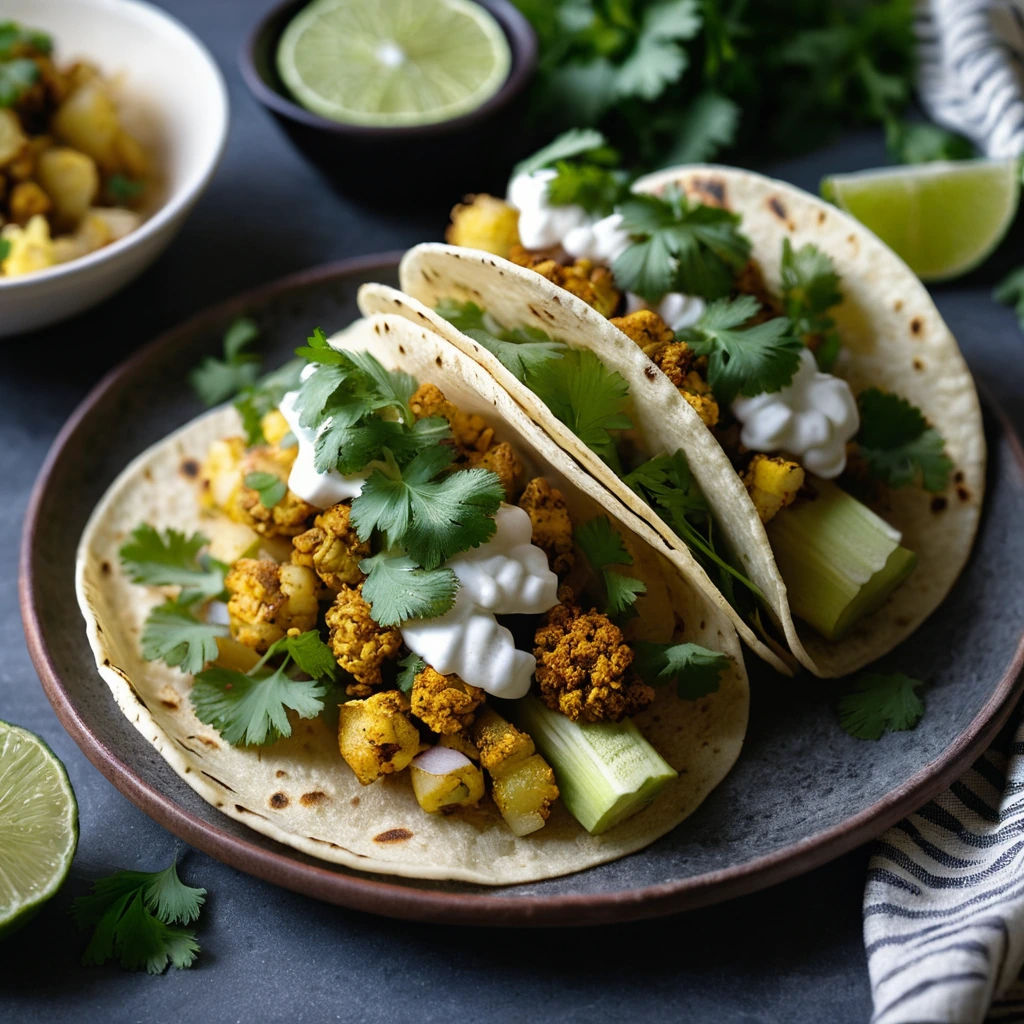
Spiced Cauliflower and Potato Street Tacos
Crispy spiced cauliflower and tender potatoes packed into warm tortillas for a veggie-packed taco night.