Entertaining: Holding Mashed Potatoes Warm for Guests
When entertaining, keeping mashed potatoes warm and creamy until serving time can be a challenge. Fear not, home cooks! This technique will guide you through the art of holding mashed potatoes at the perfect temperature, ensuring they remain fluffy and delectable for your guests. We'll delve into the nuances of maintaining ideal texture and flavor, offering you chef-level clarity without overwhelming jargon. By understanding the principles of heat retention and moisture control, you'll be able to confidently serve crowd-pleasing mashed potatoes at your next gathering. This technique will not only elevate your hosting game but also guarantee that your guests enjoy their meal at its best. Let's explore how to keep mashed potatoes warm without them turning into a gluey mess or drying out. From choosing the right containers to employing gentle heat sources, we'll cover everything you need to know to master this skill. Remember, the goal is to create an environment that mimics the conditions immediately after mashing, where the potatoes are smooth, airy, and irresistibly creamy.
Notes
The science behind this technique lies in gentle heat transfer. The water bath creates a buffer that maintains a consistent temperature around the mashed potatoes, preventing them from drying out or becoming overly dense. Troubleshooting common mistakes includes ensuring the oven temperature isn't too high, which can cause the potatoes to dry out, and stirring occasionally to prevent a skin from forming on the surface. Safety-wise, always use oven mitts when handling hot bowls and pans. For make-ahead convenience, prepare the mashed potatoes ahead of time, cover tightly with plastic wrap, and reheat gently using this method before serving. Leftovers can be stored in an airtight container in the refrigerator for up to three days.
Steps
- 1 Prepare mashed potatoes according to your preferred recipe.
- 2 Transfer the mashed potatoes to a heatproof serving bowl.
- 3 Place the bowl in a larger roasting pan.
- 4 Fill the roasting pan with hot water until it reaches halfway up the sides of the bowl.
- 5 Preheat your oven to 200°F.
- 6 Place the roasting pan with the bowl into the preheated oven.
- 7 Check the potatoes every 30 minutes, adding hot water to the pan as needed to maintain warmth.
- 8 Stir gently before serving to redistribute any heat and maintain consistency.
- 9 Keep the oven door closed to maintain a consistent temperature.
- 10 Remove the bowl from the oven just before serving to avoid over-heating.
Ingredients to explore

Acorn Squash
Acorn squash is a winter squash variety known for its distinctive teardrop shape and deep ridges resembling the texture of an acorn shell. Originating in the Americas, it has been cultivated for centuries and is a staple in autumn cuisine. The flesh is sweet and nutty with a hint of earthiness, offering a delightful contrast to savory dishes. Its texture is dense yet tender when cooked, making it ideal for roasting or pureeing. In cooking, acorn squash holds its shape well and absorbs flavors from herbs and spices, enhancing both its taste and versatility in recipes.
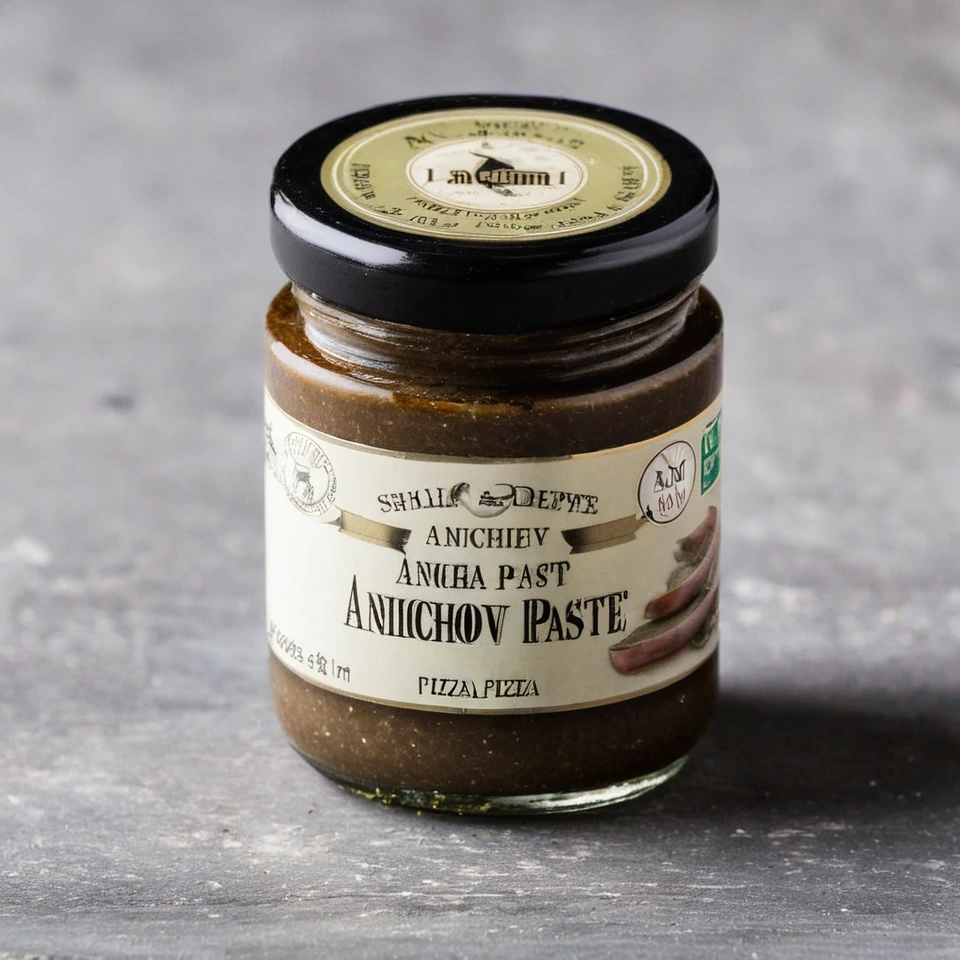
Anchovy Paste
Anchovy paste is a rich, salty spread made from finely ground anchovies, salt, and sometimes olive oil. It offers a deep umami flavor that enhances a variety of dishes.
Recipes to try
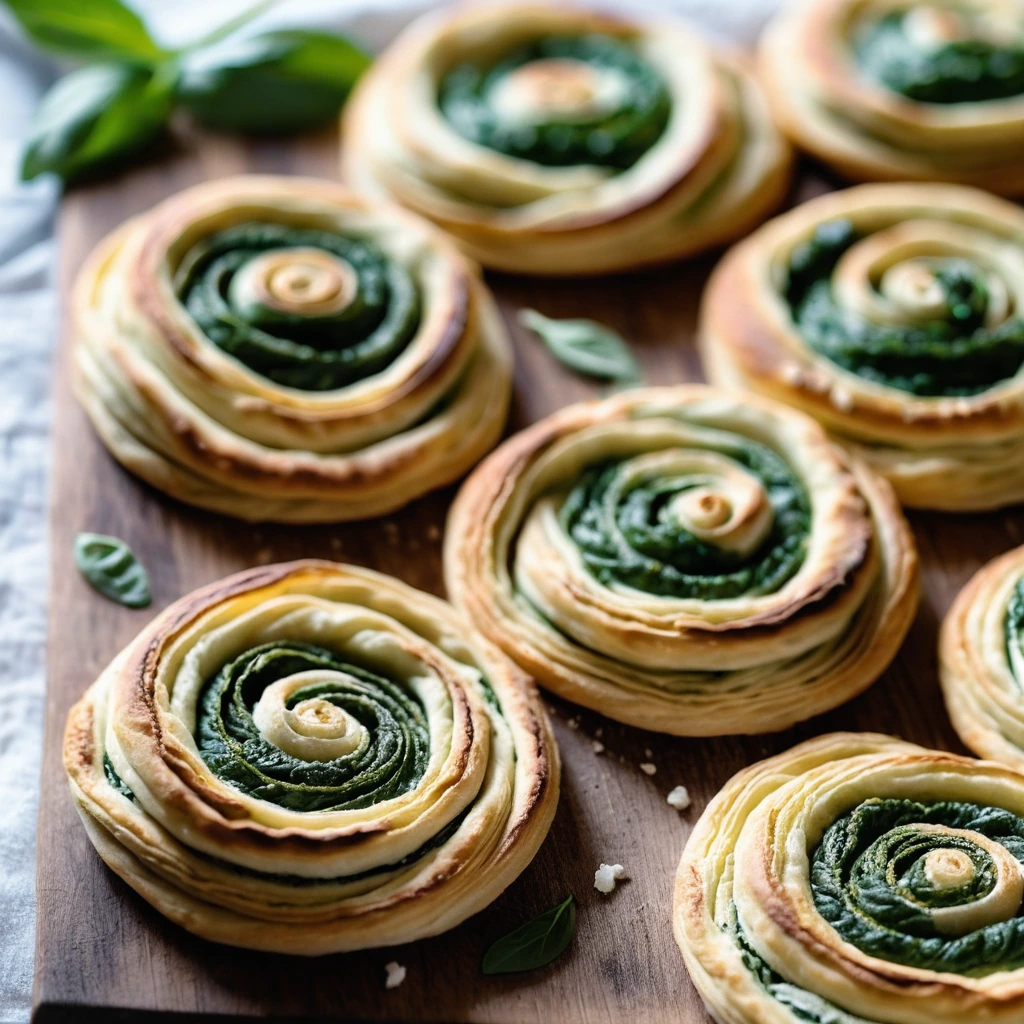
Spinach and Feta Puff Pastry Swirls
Golden, flaky layers of puff pastry embrace a savory mix of spinach and tangy feta in these irresistible swirls.
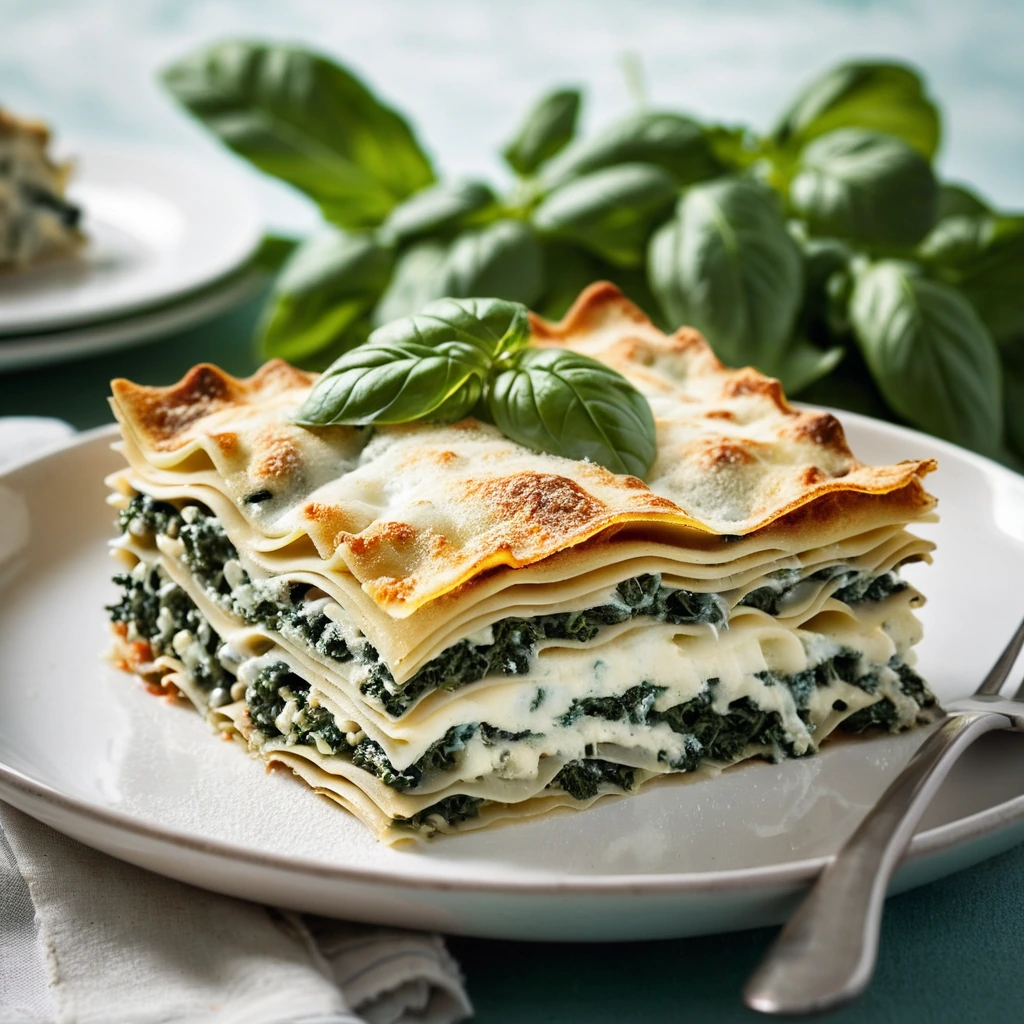
Vegetable Lasagna with Spinach and Ricotta
Layers of tender pasta, creamy ricotta, and a vibrant mix of spinach and veggies come together in a comforting, cheesy casserole.