Entertaining: Garnishing Plates for Restaurant-Style Presentation
Transforming your home-cooked meals into restaurant-worthy dishes is all about the finishing touch: garnishing. Garnishing isn't just about making food look pretty; it's about enhancing the dining experience. A well-placed garnish can elevate both the visual appeal and the flavor of a dish. This technique will guide you through the principles of restaurant-style garnishing, ensuring your plates are not only delicious but also Instagram-ready. We'll cover selecting the right garnishes, understanding color theory, and balancing textures to create a cohesive presentation. Whether you're hosting a dinner party or simply want to impress your family, mastering this technique will make your meals stand out. Start by choosing fresh herbs, edible flowers, or citrus zest for vibrant colors. Consider the natural shapes and textures of your ingredients to create contrast and interest. Remember, less is often more—focus on quality over quantity. Learn how to arrange these elements harmoniously, using techniques like layering, stacking, and scattering. Finally, we'll explore how to incorporate sauces and drizzles to add visual intrigue. With practice, you'll be able to turn any meal into a work of art.
Notes
Garnishing works by engaging both the eyes and the palate, enhancing the overall dining experience. Understanding color theory can help you choose garnishes that make your dish pop. Common mistakes include overcrowding the plate or using wilted herbs, which can detract from the presentation. To avoid this, use fresh ingredients and practice restraint. Safety is generally not a concern with garnishing, but ensure all garnishes are edible and sourced from safe environments. For make-ahead meals, consider adding delicate garnishes just before serving to maintain freshness. Store prepared garnishes in airtight containers in the fridge to keep them crisp.
Steps
- 1 Choose fresh, vibrant garnishes like herbs, microgreens, or edible flowers.
- 2 Consider the color scheme of your dish and select garnishes that complement or contrast.
- 3 Prepare garnishes by washing, drying, and trimming them neatly.
- 4 Decide on a focal point for your plate to guide the eye.
- 5 Start with larger garnishes, placing them first to establish structure.
- 6 Add smaller garnishes like herbs or spices for detail and texture.
- 7 Use a squeeze bottle or spoon to drizzle sauces in artistic patterns.
- 8 Balance the plate by ensuring no single area is too crowded or bare.
- 9 Check the arrangement from different angles to ensure it looks good from any seat.
- 10 Sprinkle a pinch of salt or spice for a final touch of flavor and sparkle.
- 11 Step back and assess the overall presentation before serving.
- 12 Adjust any elements as needed for a polished, professional look.
Ingredients to explore
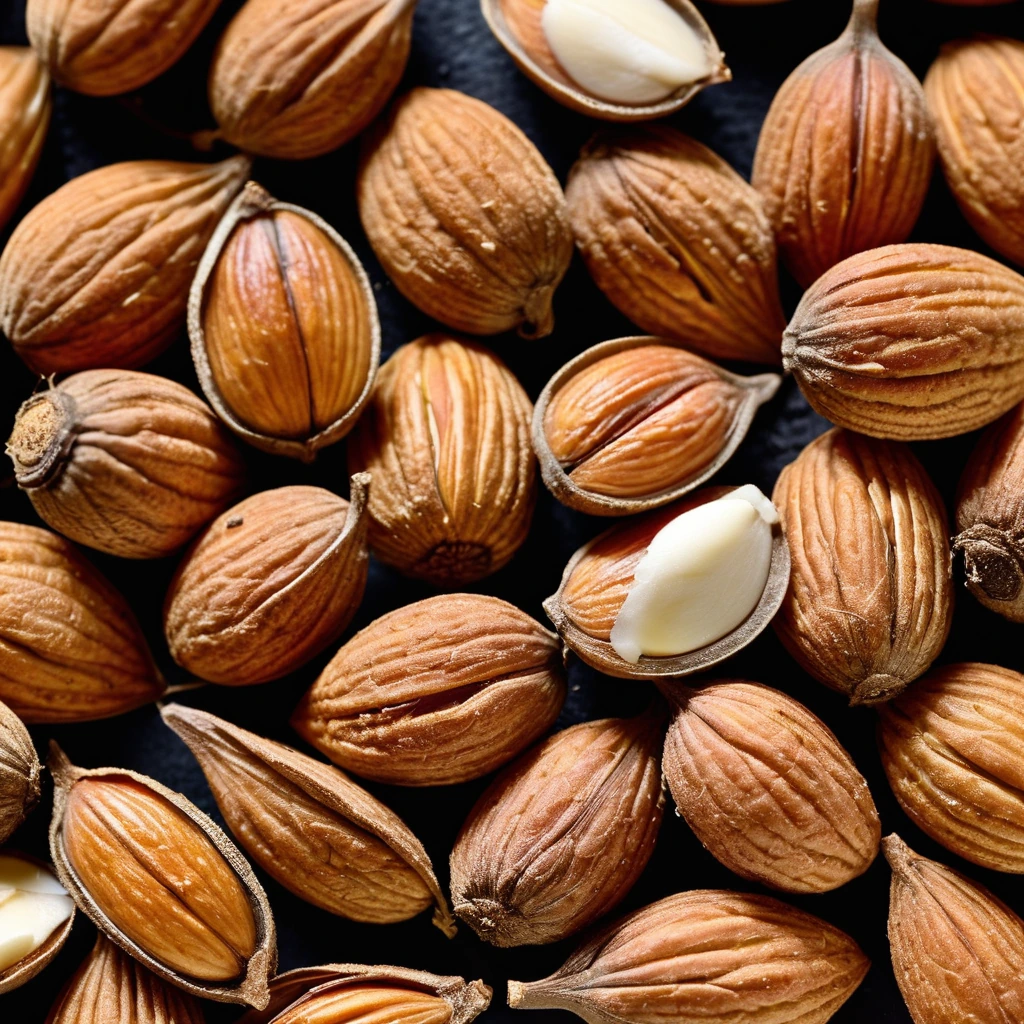
Almond Extract
A fragrant, golden elixir that captures the essence of freshly ground almonds, almond extract is a pantry staple that brings a rich, nutty aroma to your culinary creations.
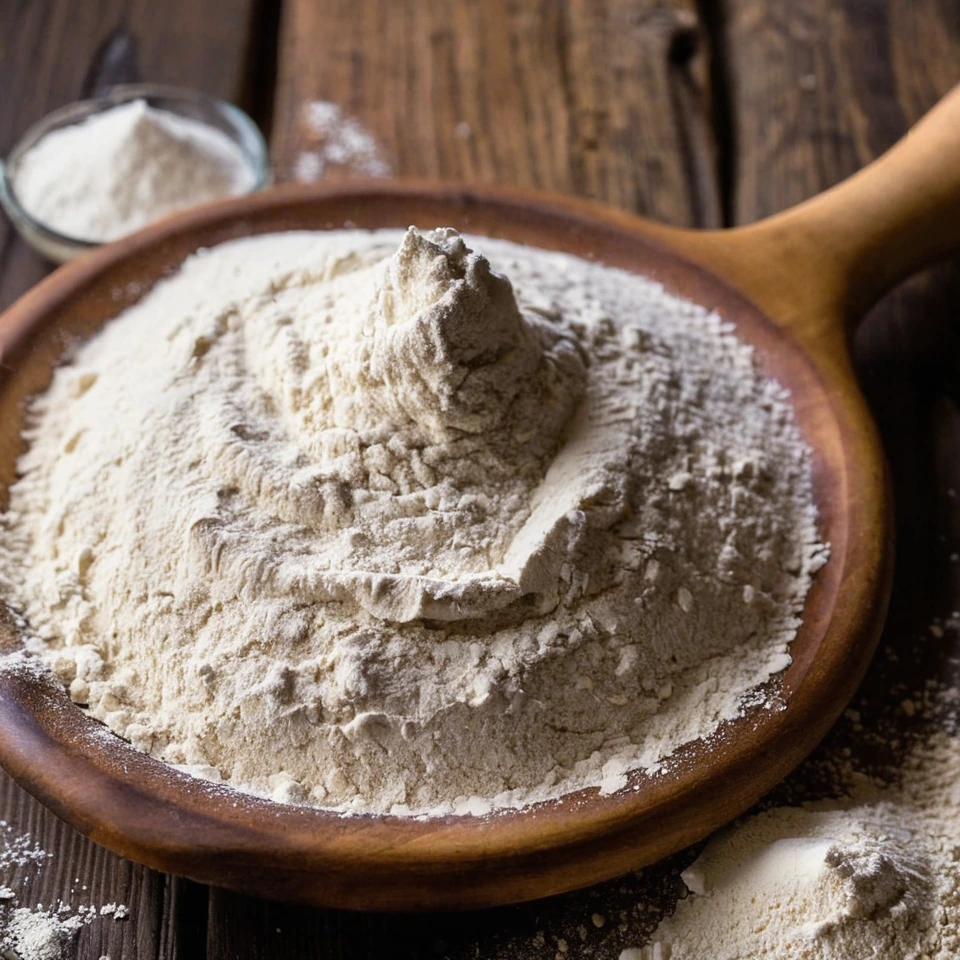
All-Purpose Flour
All-purpose flour is a versatile wheat flour that contains a moderate level of protein and gluten, making it suitable for a wide range of baking and cooking needs.
Recipes to try

Spiced Cauliflower and Potato Street Tacos
Crispy spiced cauliflower and tender potatoes packed into warm tortillas for a veggie-packed taco night.
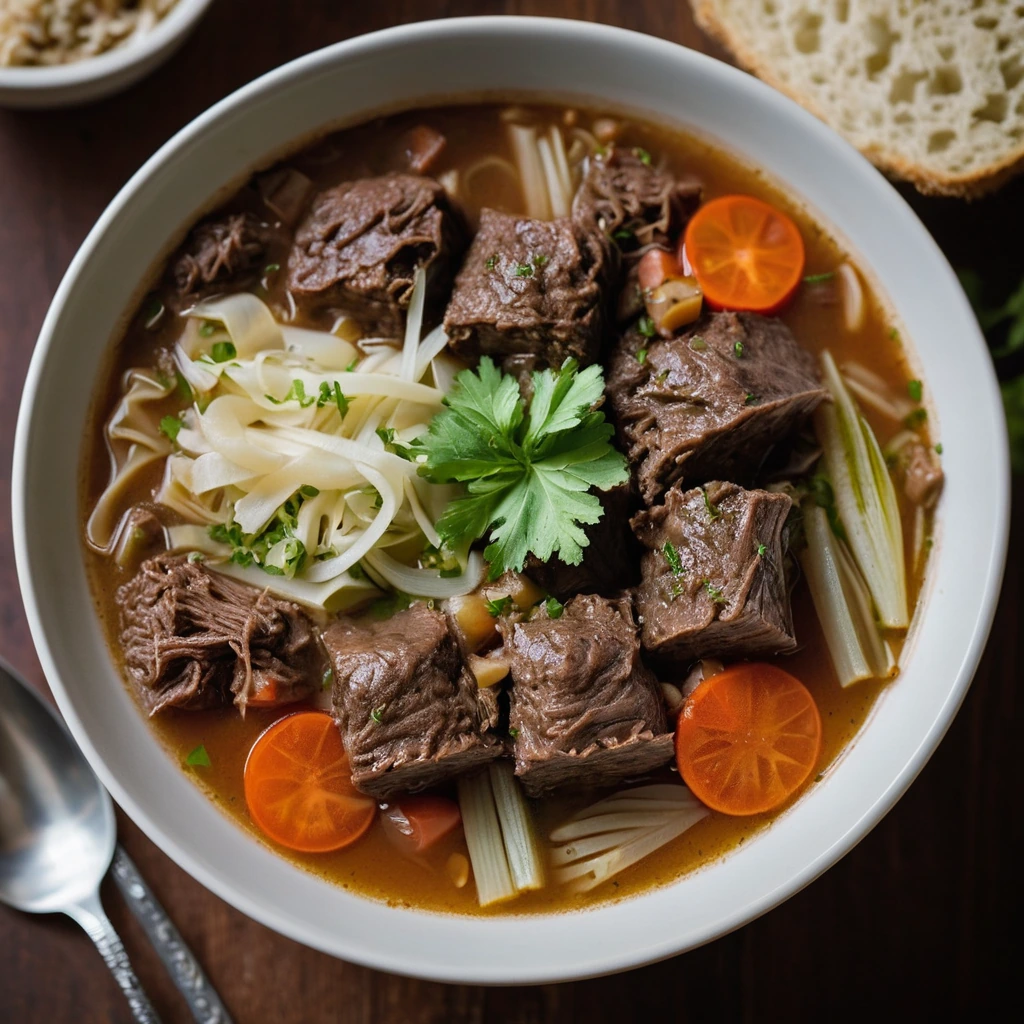
Stuffed Cabbage Roll Inspired Beef Soup
Warm up with this hearty soup that nods to classic stuffed cabbage rolls, brimming with tender beef and savory broth.