Entertaining: Coordinating Oven and Stovetop Space
Hosting a dinner party can be a delightful yet daunting task, especially when it comes to managing your kitchen's oven and stovetop space. Fear not, dear home cook, for with a bit of planning and savvy multitasking, you can orchestrate a culinary symphony that ensures your dishes are ready in harmony. Understanding how to coordinate these two essential cooking zones will not only streamline your cooking process but also minimize stress, allowing you to enjoy the party as much as your guests. From timing and temperature management to strategic planning, we’ll delve into the nuances of juggling multiple dishes without turning your kitchen into a chaotic battlefield. With this technique, you'll learn to embrace your inner chef and tackle any menu with confidence.
Notes
The secret to successful multitasking in your kitchen lies in understanding the science behind heat distribution and cooking times. By preheating your oven first, you ensure it reaches the desired temperature before your dishes need it, preventing delays. Stovetop cooking often requires more immediate attention, so plan dishes that can simmer or cook unattended during peak oven usage. Keep in mind that opening the oven door frequently can cause temperature fluctuations, affecting your dishes' cooking time. As for troubleshooting, always have oven thermometers to verify accuracy and consider using a notebook to jot down your timeline. For storage, plan to assemble dishes just before serving to maintain freshness and quality. Safety is paramount; ensure pot handles are turned inward to prevent accidents and use oven mitts to protect your hands from burns.
Steps
- 1 Review your menu and identify dishes that can be prepared in advance.
- 2 Determine cooking times and temperatures for each dish.
- 3 Create a timeline that outlines when each dish needs to be in the oven or on the stovetop.
- 4 Preheat your oven to the highest required temperature first.
- 5 Begin stovetop dishes that require longer cooking times.
- 6 Use oven-safe dishes to minimize transfers and potential mishaps.
- 7 Stagger oven cooking times by adjusting temperatures as needed for different dishes.
- 8 Keep a close eye on stovetop dishes that require frequent attention.
- 9 Utilize kitchen tools like timers and thermometers to ensure precision.
- 10 Prepare a staging area for dishes to rest before serving.
- 11 Coordinate oven and stovetop tasks to avoid simultaneous high-demand periods.
- 12 Adjust stovetop burners to lower settings when oven is in use to maintain kitchen temperature.
- 13 Have a backup plan for dishes in case of unexpected delays or mishaps.
Ingredients to explore
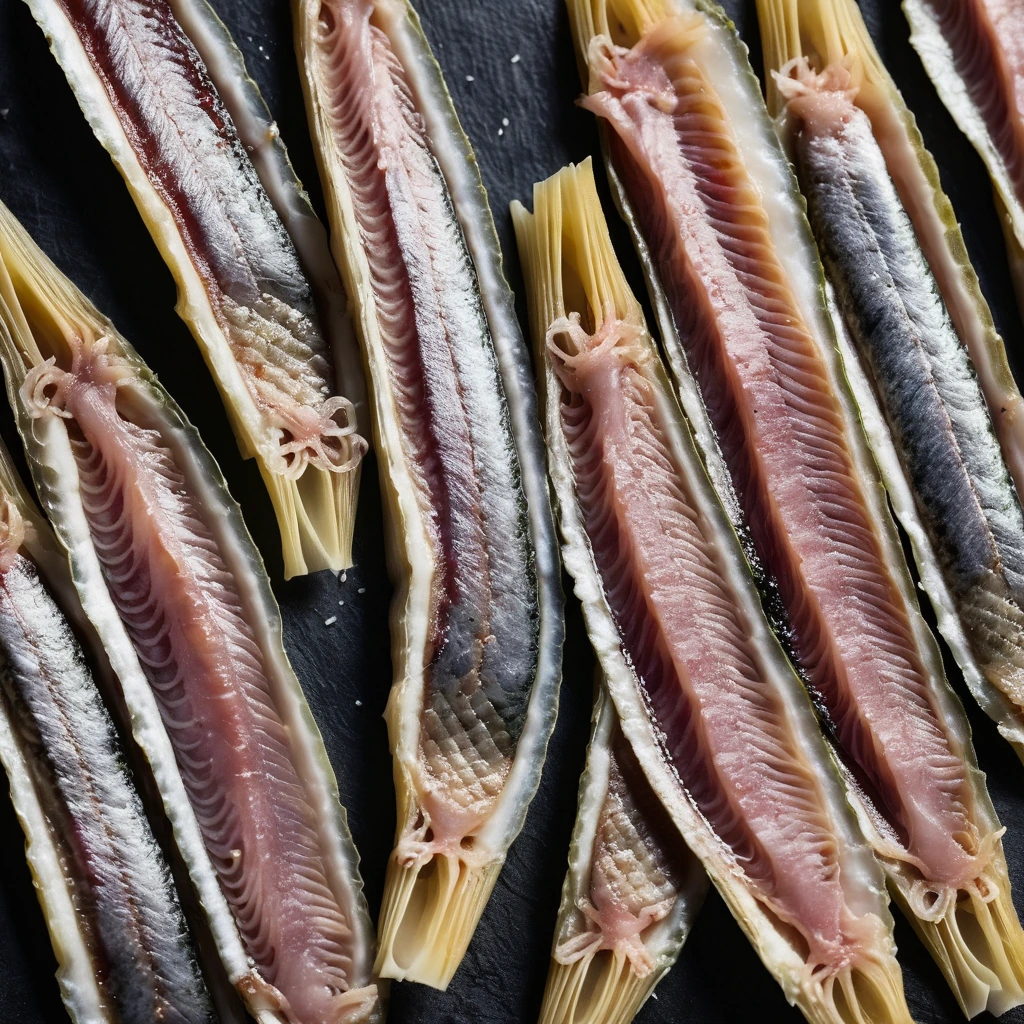
Anchovy Fillets
Silvery and succulent, anchovy fillets are a briny treasure from the sea. Their rich, umami flavor adds depth to dishes, making them a beloved ingredient in kitchens worldwide.
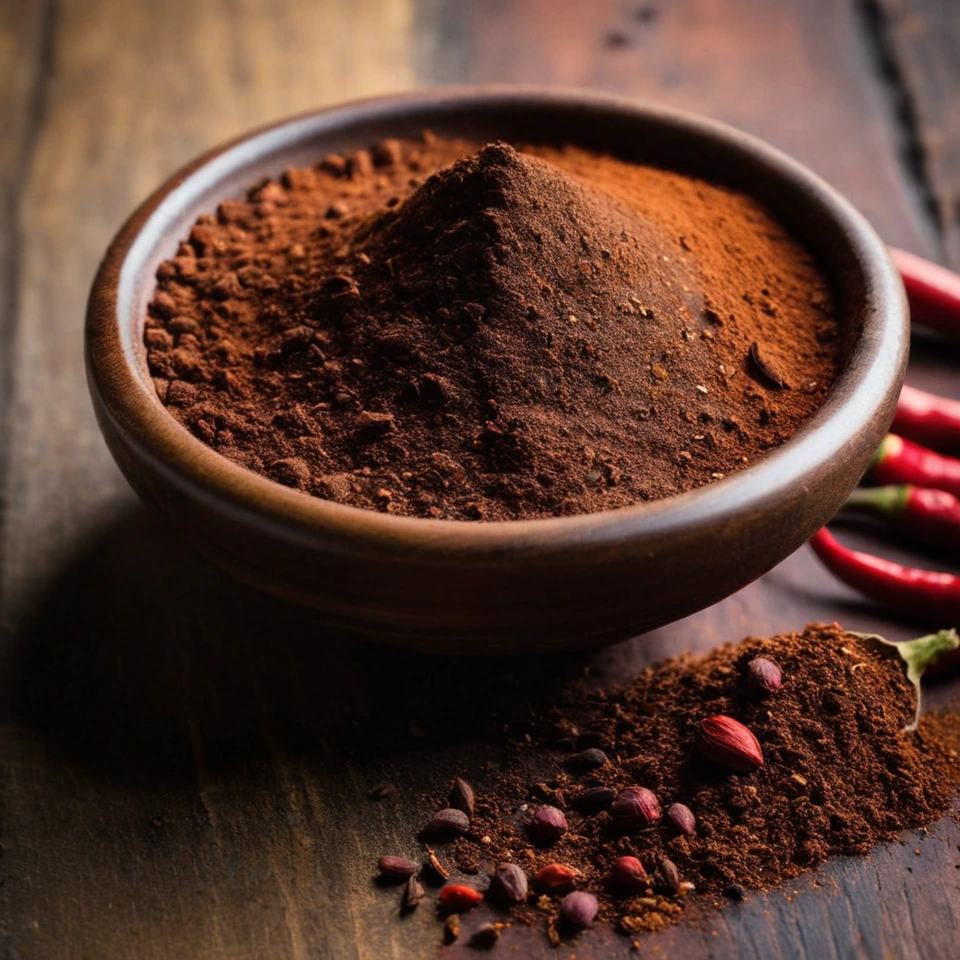
Ancho Chili Powder
Ancho chili powder offers a deep, smoky sweetness with hints of dried fruit and cocoa, reminiscent of its origin as dried poblano peppers from Mexico. Its aroma is warm and inviting, with a mild heat that lingers gently. The texture is fine and velvety, making it easy to incorporate into a variety of dishes. This powder is prized for its ability to add complexity without overwhelming spice, ideal for enriching both traditional Mexican moles and contemporary global cuisines.
Recipes to try
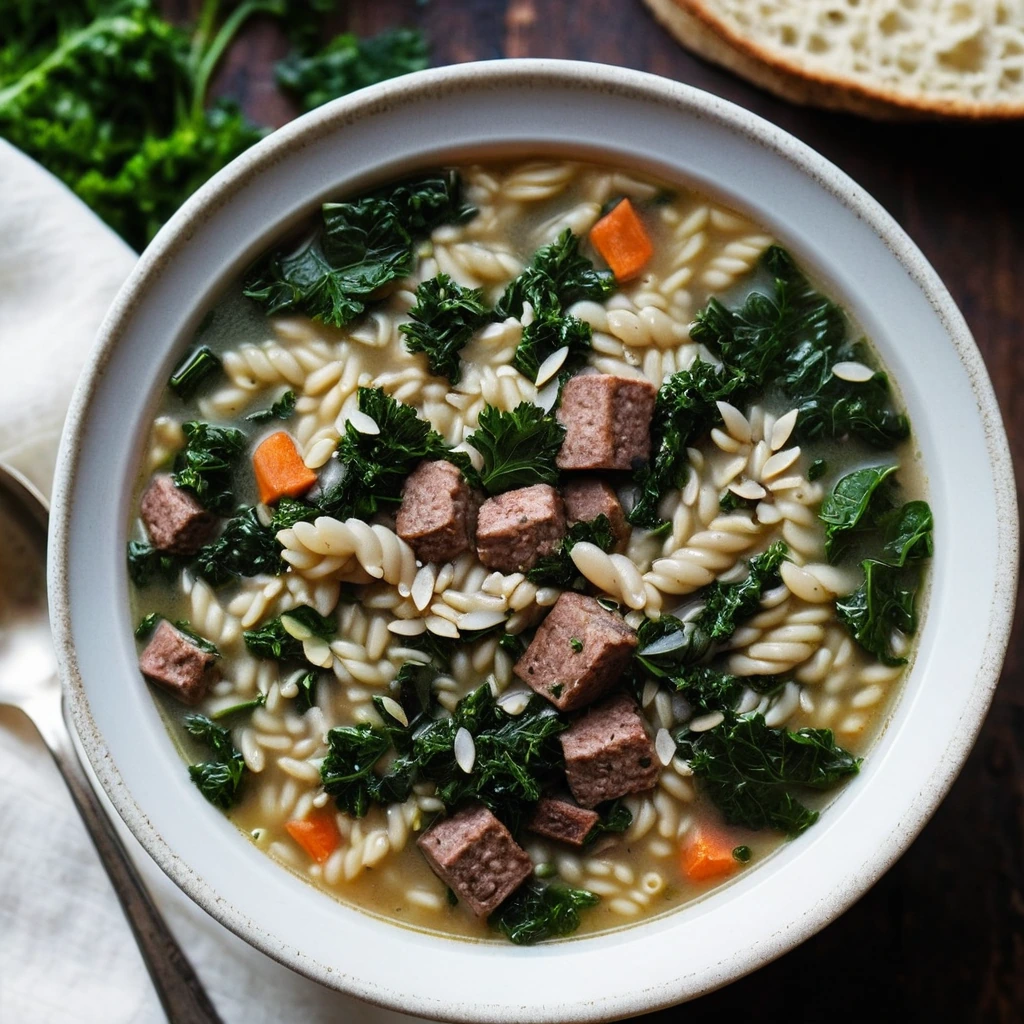
Sausage, Kale, and White Bean Orzo Soup
This hearty soup is a cozy hug in a bowl, brimming with smoky sausage, tender kale, and creamy white beans in a savory broth.
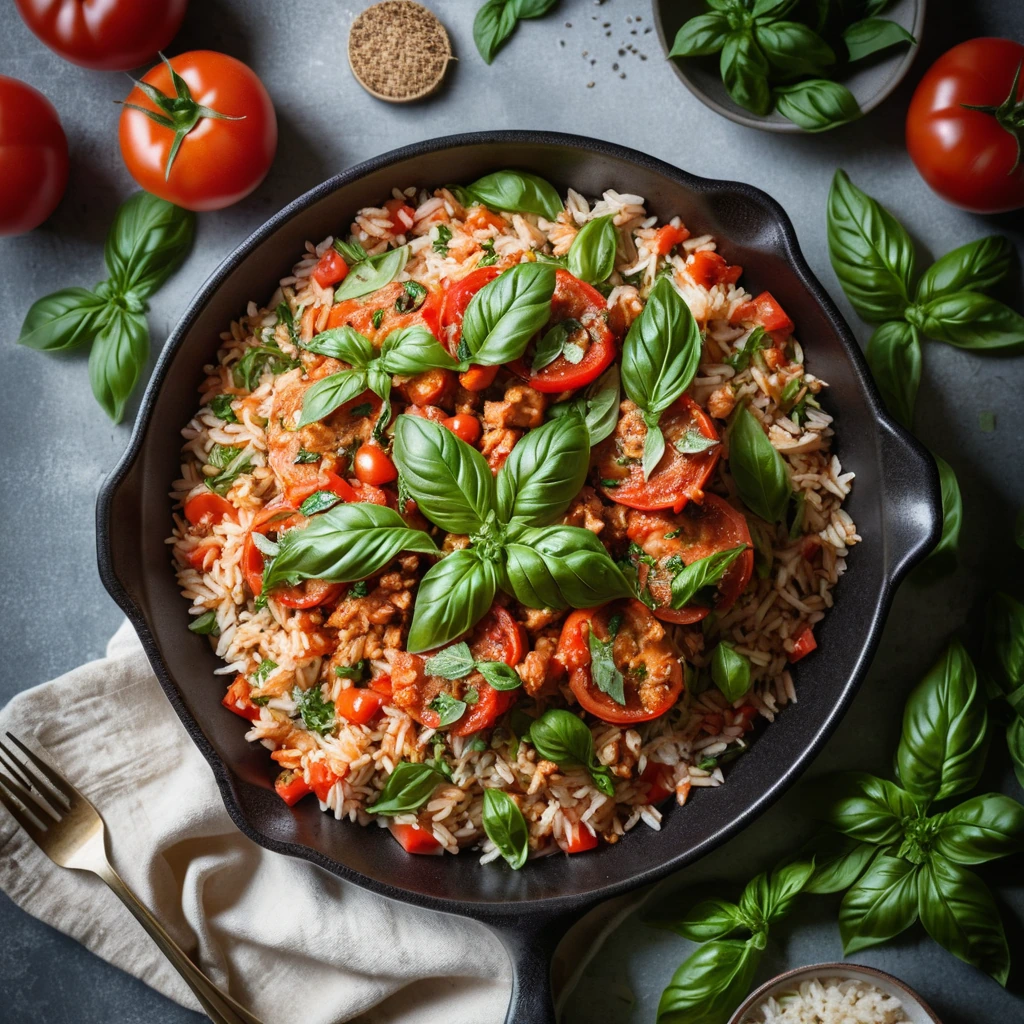
Tomato Basil Chicken and Rice Skillet
Golden chicken and fluffy rice simmered in a vibrant tomato-basil sauce, bursting with fresh garden flavors.