Eggs: Sunny Side Up Without Runny Whites
Achieving the perfect sunny side up egg with a set white and a runny yolk can seem like a culinary alchemy. But fear not, dear home cook! This technique is all about timing, temperature, and a touch of patience. The secret lies in creating a gentle environment for the egg to cook, ensuring the white firms up while the yolk remains lusciously liquid. Start with a cold skillet to prevent the egg from hitting a scorching surface, which can cause the whites to become rubbery. Adding a splash of water to the pan creates steam, gently cooking the top of the egg. This method allows you to enjoy the silky yolk without the risk of a soupy white. Whether you're serving breakfast to your loved ones or enjoying a quiet weekend brunch, mastering this technique will elevate your egg game. Let's dive into the precise steps and the science behind them to ensure your sunny side up eggs are a triumph every time.
Notes
The gentle heat allows the egg white proteins to coagulate slowly, resulting in a tender texture rather than a rubbery one. The steam cooks the top of the egg, eliminating the need to flip it and risk breaking the yolk. A common mistake is using high heat, which can lead to overcooked whites and a less-than-ideal texture. To avoid this, ensure your heat is truly medium-low. For safety, always use clean utensils and surfaces when handling eggs to prevent contamination. These eggs are best enjoyed immediately, but if you need to prepare ahead, cook the eggs just until the whites set and keep them warm in a 200°F oven for up to 10 minutes.
Steps
- 1 Place a 10-inch non-stick skillet over medium-low heat.
- 2 Add 1 tablespoon of unsalted butter to the skillet.
- 3 Crack an egg into a small bowl or ramekin.
- 4 Once the butter has melted and just started to bubble, carefully slide the egg into the skillet.
- 5 Add 1 tablespoon of water to the skillet to create steam.
- 6 Cover the skillet with a lid or a saucer to trap the steam.
- 7 Cook for 3 to 4 minutes, checking occasionally to ensure the whites are setting but the yolk is still runny.
- 8 Gently remove the lid, and if the whites are fully set but the yolk is still jiggly, it's done.
- 9 Slide the egg onto a plate with a spatula, ensuring the yolk remains intact.
- 10 Season with salt and pepper to taste immediately after plating.
- 11 Wipe the skillet clean and repeat with additional eggs as desired.
Ingredients to explore
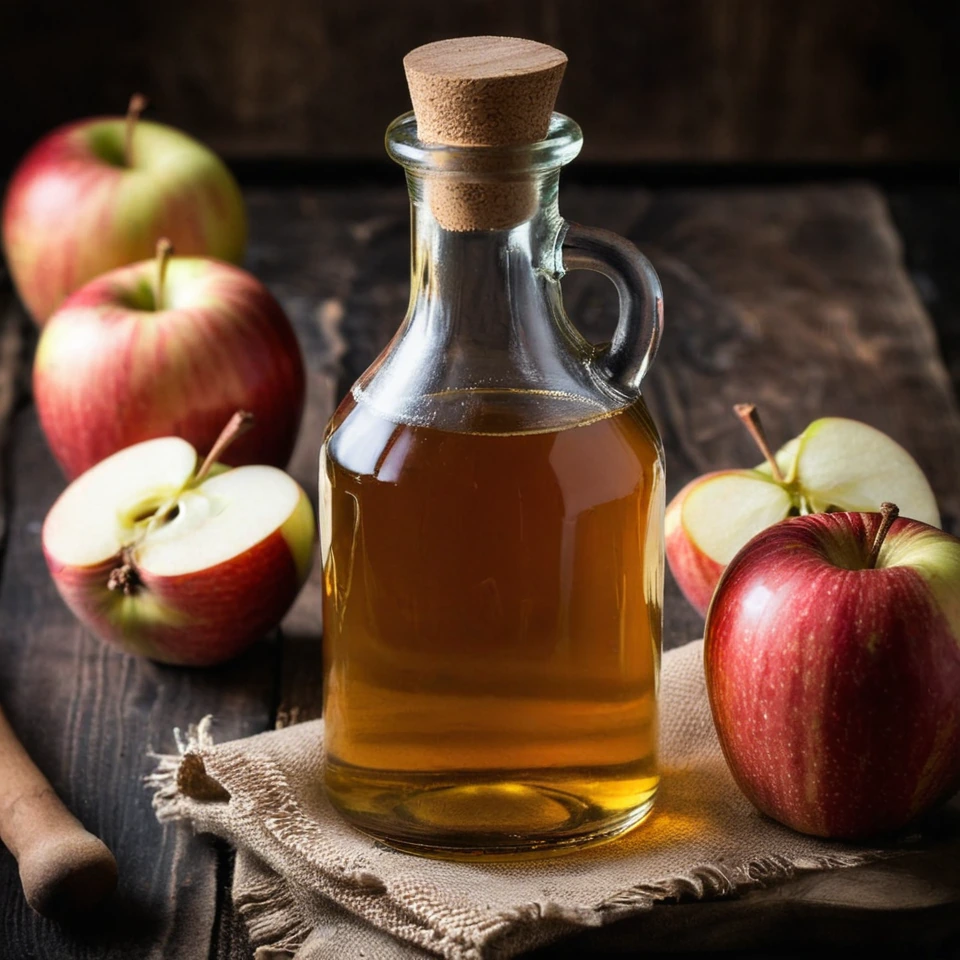
Apple Cider Vinegar
Apple cider vinegar is a type of vinegar made through the fermentation of apple cider, resulting in a tangy, slightly sweet liquid with a pale to medium amber color.
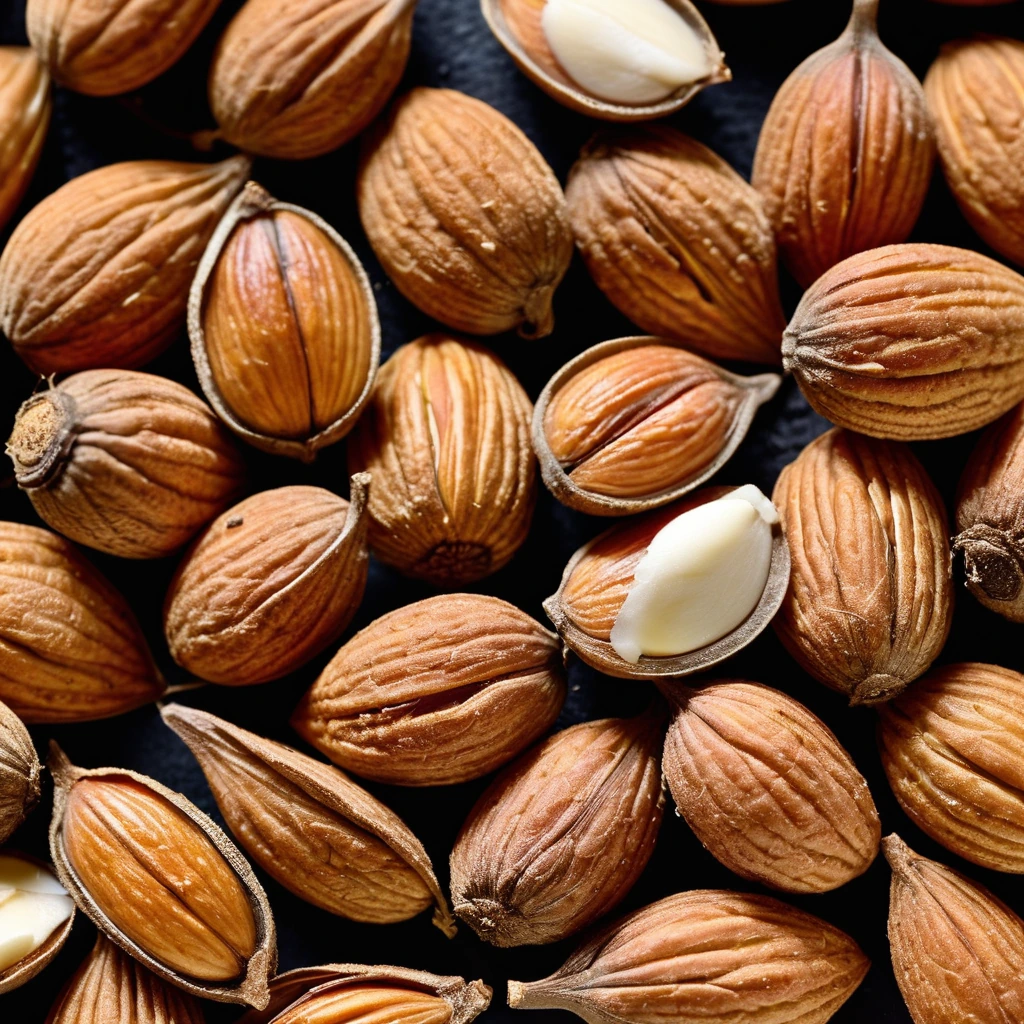
Almond Extract
A fragrant, golden elixir that captures the essence of freshly ground almonds, almond extract is a pantry staple that brings a rich, nutty aroma to your culinary creations.
Recipes to try
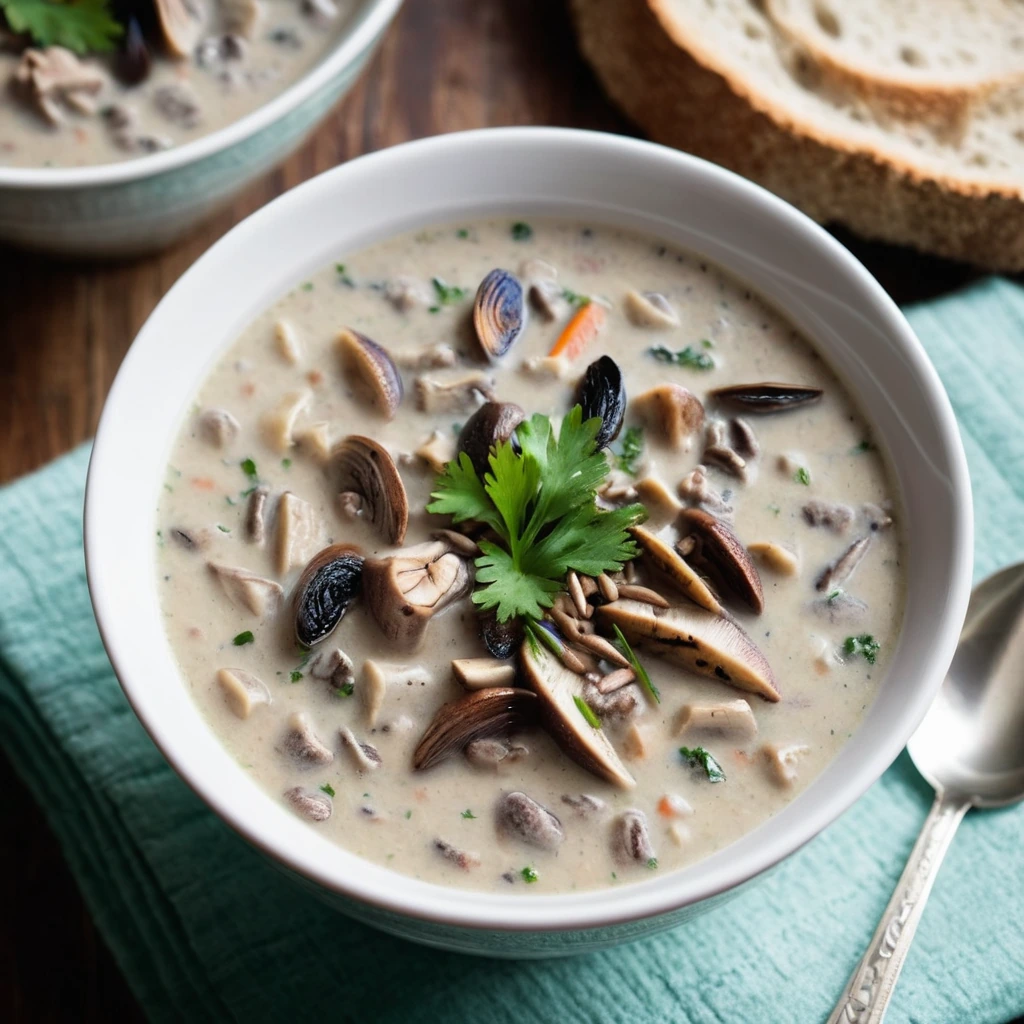
Turkey and Wild Rice Mushroom Soup
Warm up with this hearty soup, brimming with tender turkey, earthy wild rice, and a medley of savory mushrooms in a rich, comforting broth.
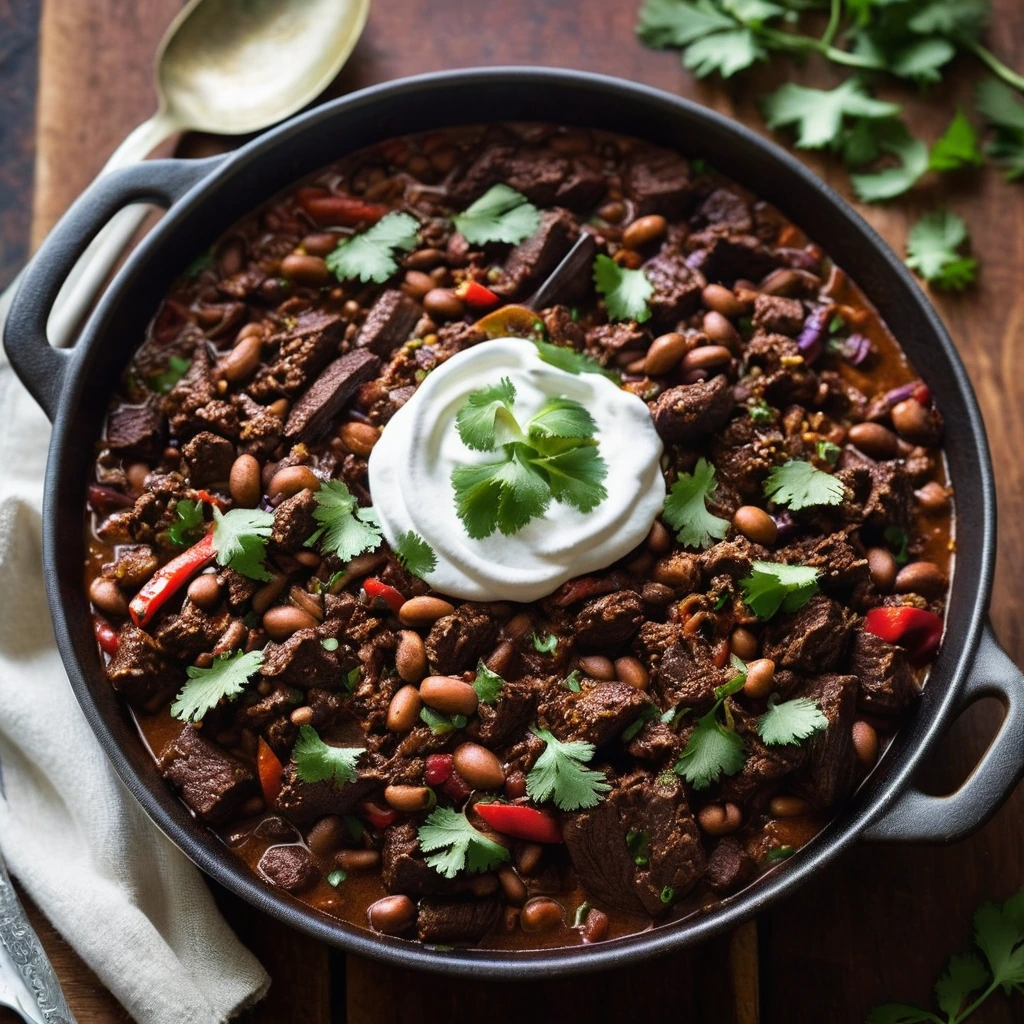
Smoky Ancho Chili Beef and Bean Skillet
Rich, smoky, and deeply satisfying, this skillet dish combines tender beef with hearty beans for a comforting meal.