Egg Technique: Using Whole Eggs as a Binding Agent
Whole eggs are a kitchen MVP when it comes to binding ingredients together. Their unique composition of fat and protein makes them a versatile tool for creating cohesive mixtures that hold their shape. This technique is crucial in everything from meatloaf to veggie burgers, ensuring that your dishes stay intact and delicious. Eggs act as a glue, thanks to the proteins in the egg whites that coagulate when heated, creating a network that traps other ingredients. Meanwhile, the fat from the yolks adds richness and moisture. Understanding how to properly use eggs as a binding agent can elevate your cooking, giving your dishes a professional touch. The key is to know when to use them, how many to use, and how to incorporate them into your recipes effectively. Whether you're a novice or an experienced cook, mastering this technique will unlock new possibilities in your culinary adventures. Let's dive into the whys and hows of using whole eggs as a binding agent, demystifying this essential cooking skill and empowering you to create dishes that are both delicious and structurally sound.
Notes
The science behind eggs as a binding agent lies in their protein structure. When heated, egg proteins coagulate and solidify, creating a mesh that holds ingredients together. For best results, use eggs at room temperature as they blend more smoothly into mixtures. A common mistake is overmixing, which can lead to a tough texture due to excessive gluten development in recipes with flour. For safety, always ensure eggs reach an internal temperature of 160°F to kill any potential bacteria. To make ahead, store your bound mixtures in the refrigerator for up to 24 hours before cooking. They can also be frozen for longer storage, though the texture might change slightly upon thawing.
Steps
- 1 Gather your ingredients, ensuring eggs are at room temperature.
- 2 Crack the eggs into a mixing bowl, one at a time, to avoid shell fragments.
- 3 Whisk the eggs gently until the yolks and whites are fully combined.
- 4 Gradually incorporate the egg mixture into your main ingredients.
- 5 Mix just until combined; avoid overmixing to prevent a dense texture.
- 6 If the mixture seems too wet, add another egg, a tablespoon at a time.
- 7 Shape your mixture into patties, loaves, or balls, depending on your recipe.
- 8 Refrigerate shaped mixtures for 30 minutes to allow eggs to firm up.
- 9 Proceed with cooking as per your recipe, whether baking, frying, or grilling.
- 10 Check internal temperatures to ensure eggs are fully cooked and safe to eat.
Ingredients to explore
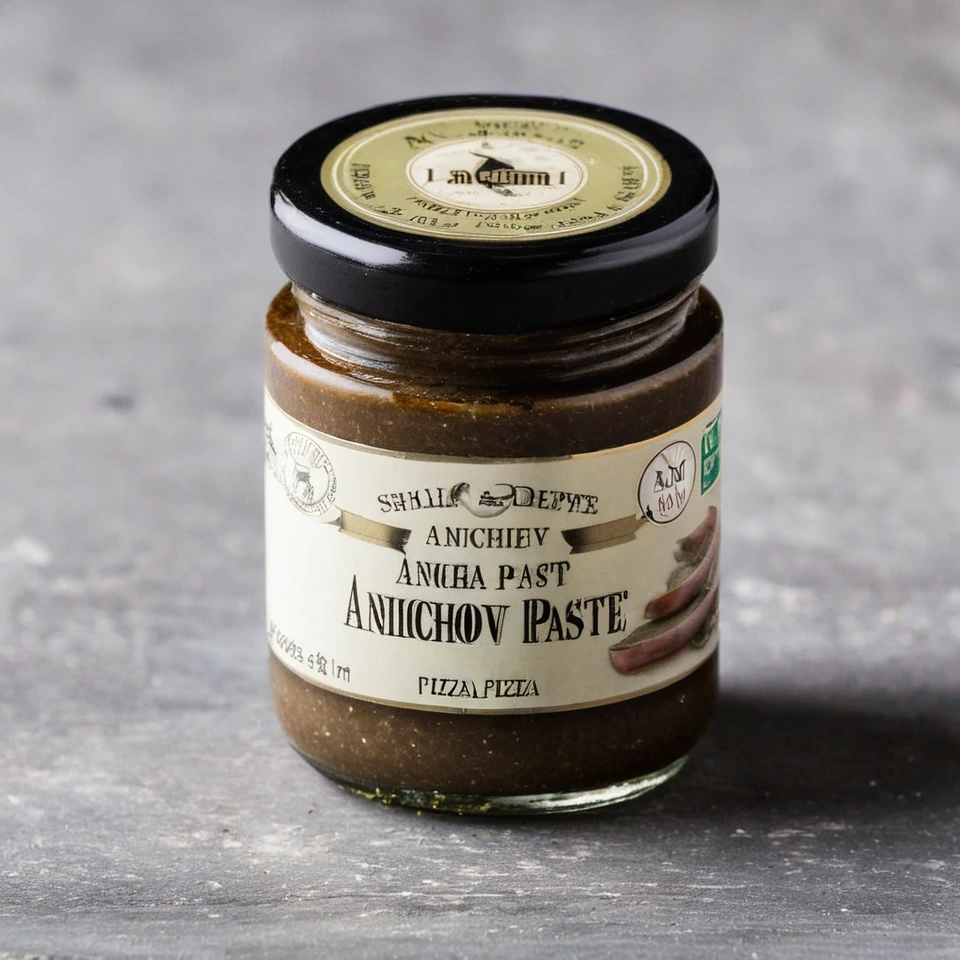
Anchovy Paste
Anchovy paste is a rich, salty spread made from finely ground anchovies, salt, and sometimes olive oil. It offers a deep umami flavor that enhances a variety of dishes.
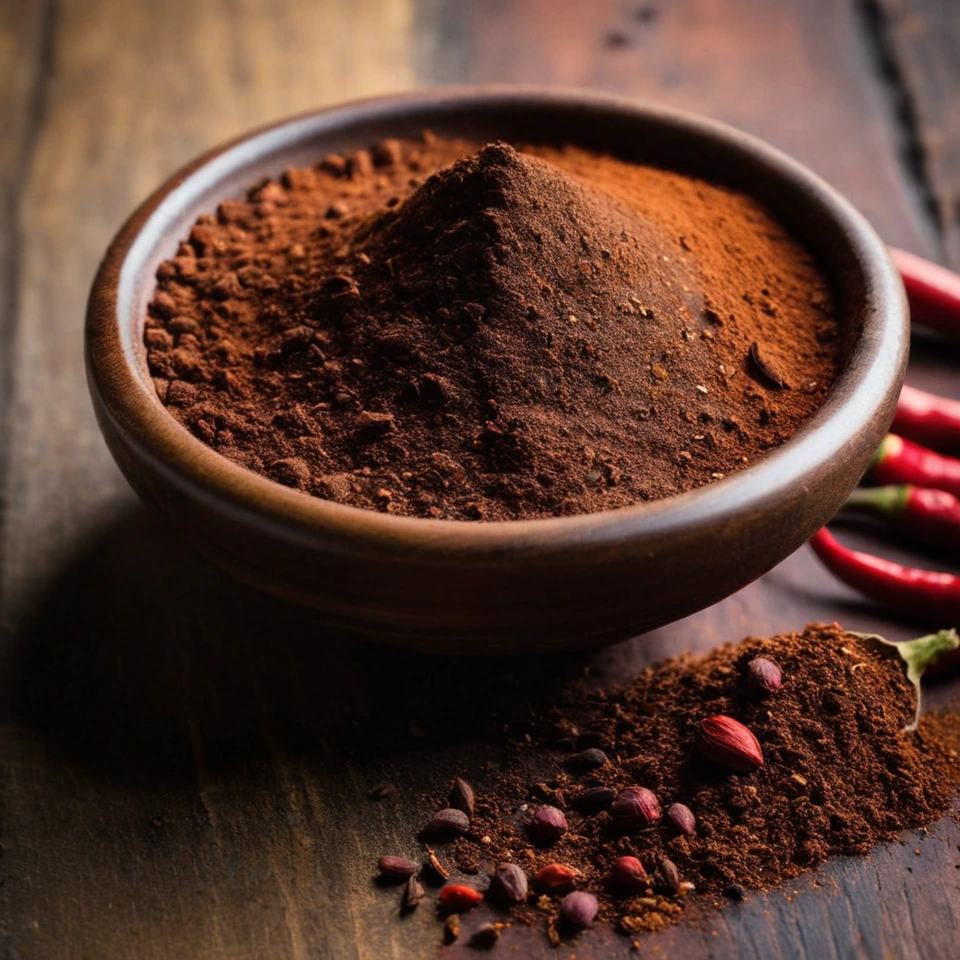
Ancho Chili Powder
Ancho chili powder offers a deep, smoky sweetness with hints of dried fruit and cocoa, reminiscent of its origin as dried poblano peppers from Mexico. Its aroma is warm and inviting, with a mild heat that lingers gently. The texture is fine and velvety, making it easy to incorporate into a variety of dishes. This powder is prized for its ability to add complexity without overwhelming spice, ideal for enriching both traditional Mexican moles and contemporary global cuisines.
Recipes to try
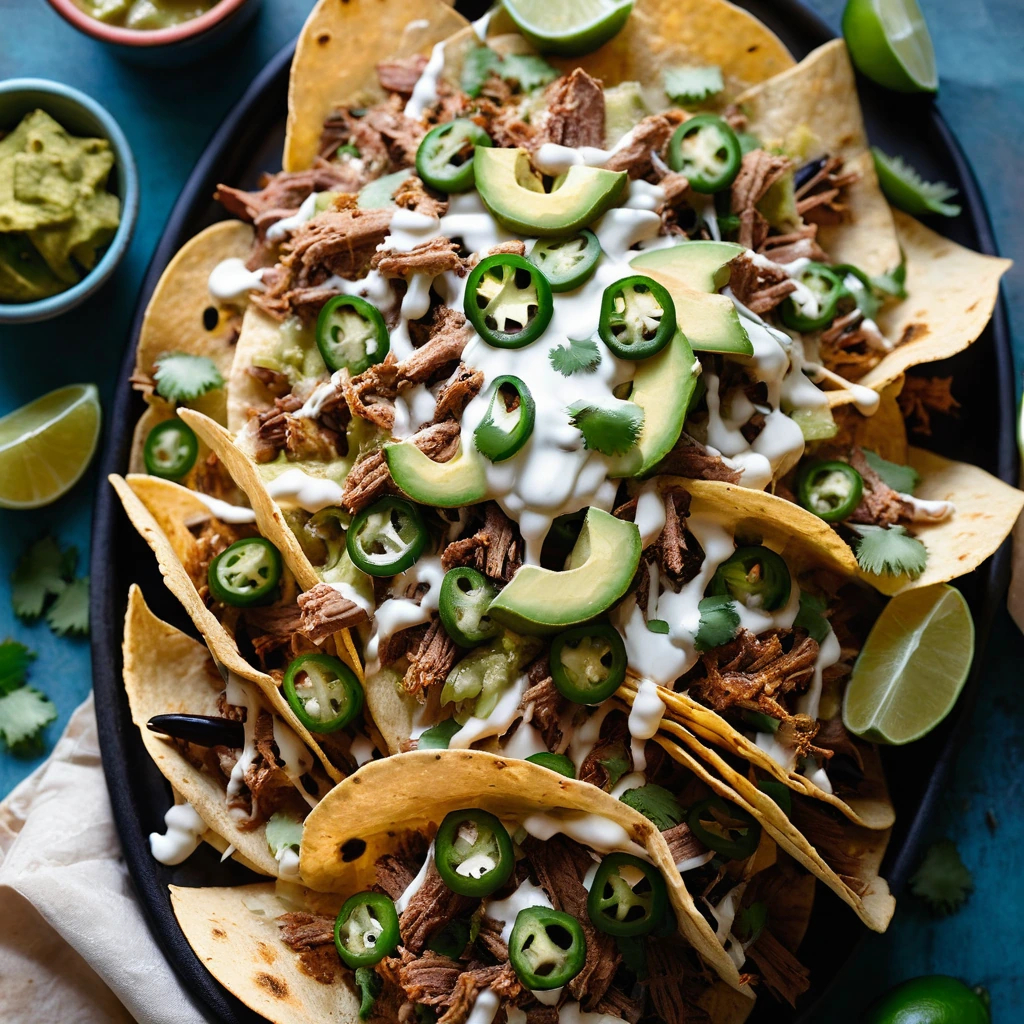
Pork Carnitas Nachos with Queso and Jalapeños
Crispy tortilla chips smothered in tender pork carnitas, melty queso, and zesty jalapeños for a fiesta in your mouth.
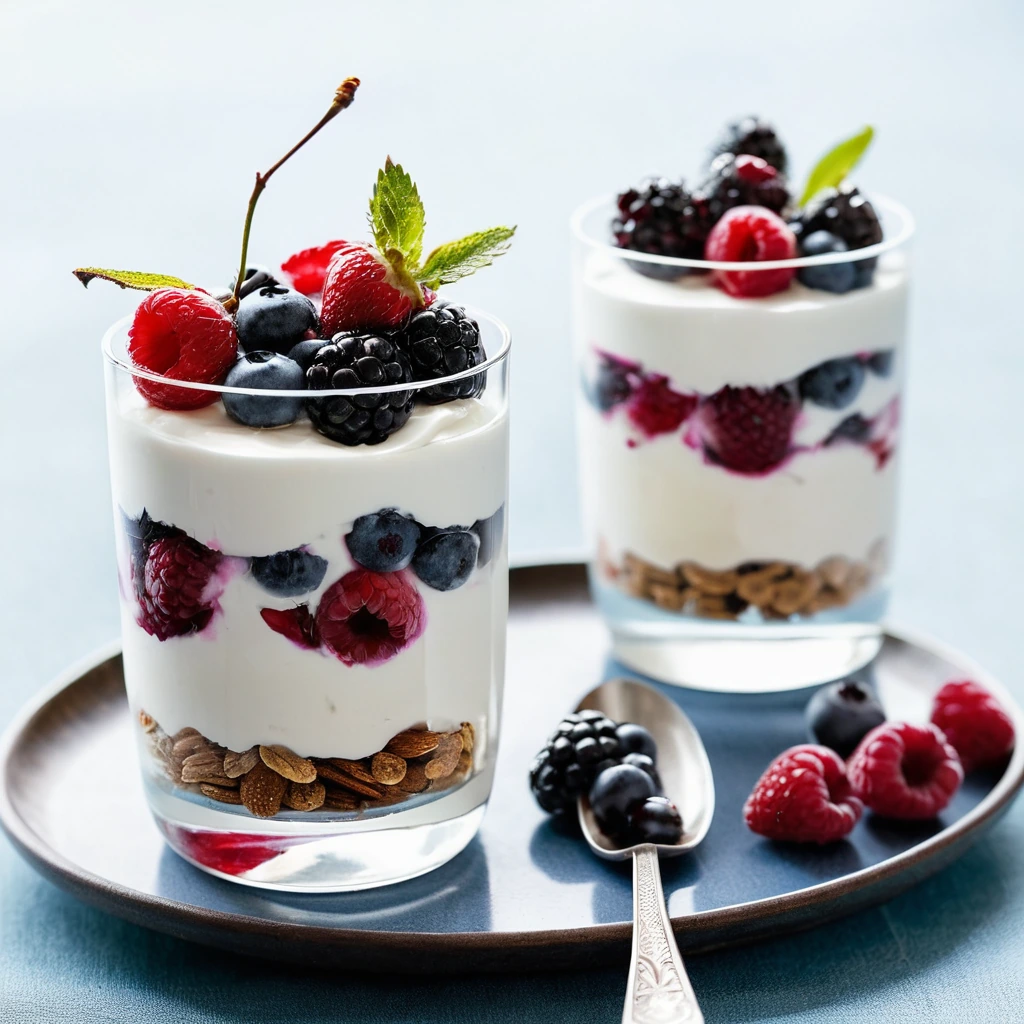
Vanilla Yogurt Parfaits with Roasted Berries
Creamy vanilla yogurt layers kissed by sweet, smoky roasted berries create a parfait that's both comforting and refreshing.