Egg Technique: Soft-Scrambling Eggs Low and Slow
Soft-scrambling eggs low and slow is a gentle approach to egg cookery that yields creamy, tender curds that melt in your mouth. Unlike traditional scrambled eggs, which are often cooked quickly over high heat, this technique requires patience and a low-temperature environment to create a luxurious texture. By cooking the eggs slowly, you allow the proteins to coagulate gradually, resulting in eggs that are velvety rather than rubbery. This method is perfect for brunch or a leisurely weekend breakfast. The key is to maintain a low heat, use gentle stirring, and stop cooking just before the eggs are fully set, as residual heat will finish the job. The end result is a dish that's elegant and comforting, reminiscent of a custard but with the structure of scrambled eggs. This technique is surprisingly simple and requires minimal equipment, making it accessible to any home cook. With a few tips and tricks, you'll master the art of creating soft-scrambled eggs that are sure to impress.
Notes
The science behind soft-scrambling eggs lies in the slow coagulation of egg proteins. At lower temperatures, proteins unravel and bond gently, leading to a tender texture. Common mistakes include using high heat, which can result in dry eggs, or overstirring, which can make them dense. To avoid these pitfalls, keep your heat low and be patient. Safety is straightforward with this technique, but remember to use fresh eggs and clean equipment to prevent foodborne illness. Soft-scrambled eggs are best enjoyed immediately, but if you need to make them ahead, keep them warm in a low oven (no higher than 200°F) for up to 15 minutes. Store leftovers in an airtight container in the refrigerator for up to 2 days, though the texture may change upon reheating.
Steps
- 1 Crack 4 large eggs into a medium mixing bowl.
- 2 Add 2 tablespoons of heavy cream or whole milk to the eggs.
- 3 Season with a pinch of salt and a grind of black pepper.
- 4 Whisk the eggs gently until just combined; avoid overbeating.
- 5 Place a non-stick skillet over low heat and add 1 tablespoon of unsalted butter.
- 6 Allow the butter to melt completely and coat the pan evenly.
- 7 Pour the egg mixture into the skillet and let it sit undisturbed for 15 seconds.
- 8 Gently stir the eggs with a silicone spatula, pushing them from the edges to the center.
- 9 Continue to cook, stirring occasionally, allowing the eggs to form soft curds.
- 10 Maintain a low heat to prevent the eggs from browning or drying out.
- 11 Once the eggs are mostly set but still slightly runny, remove the skillet from the heat.
- 12 Let the residual heat finish cooking the eggs for an additional 30 seconds.
- 13 Transfer the eggs to a plate immediately to stop the cooking process.
- 14 Serve promptly, garnished with fresh herbs or a sprinkle of chives if desired.
Ingredients to explore
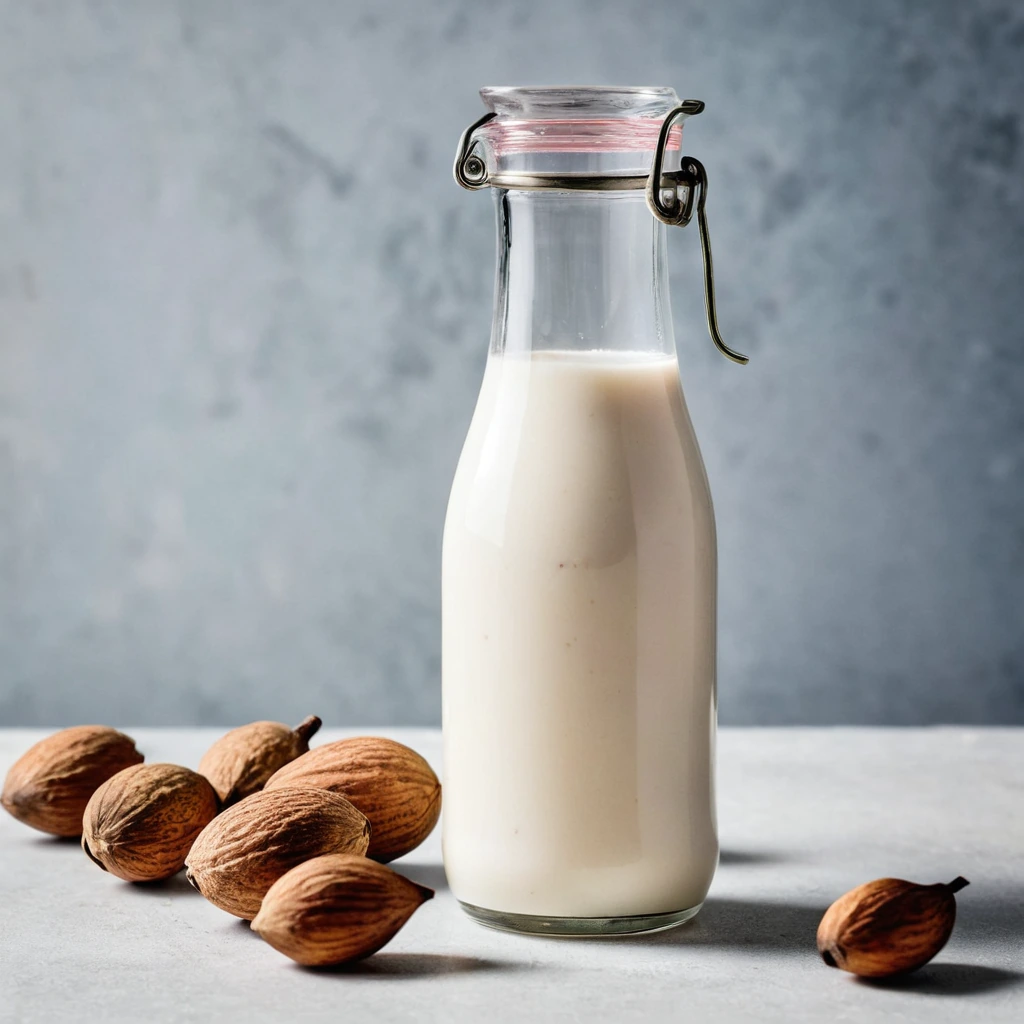
Almond Milk
Almond milk is a plant-based milk alternative made from ground almonds and water. Originating from traditional recipes in medieval Europe and the Middle East, it has gained widespread popularity in modern times as a dairy-free option. Almond milk has a subtly nutty flavor with a mild sweetness, and its aroma is reminiscent of fresh almonds. Its texture is smooth and creamy, though typically lighter than dairy milk. In cooking, almond milk behaves well in both savory and sweet applications, though it does not brown or caramelize like dairy milk. It is often used in cereals, smoothies, and baking, where its delicate flavor complements rather than overpowers other ingredients.
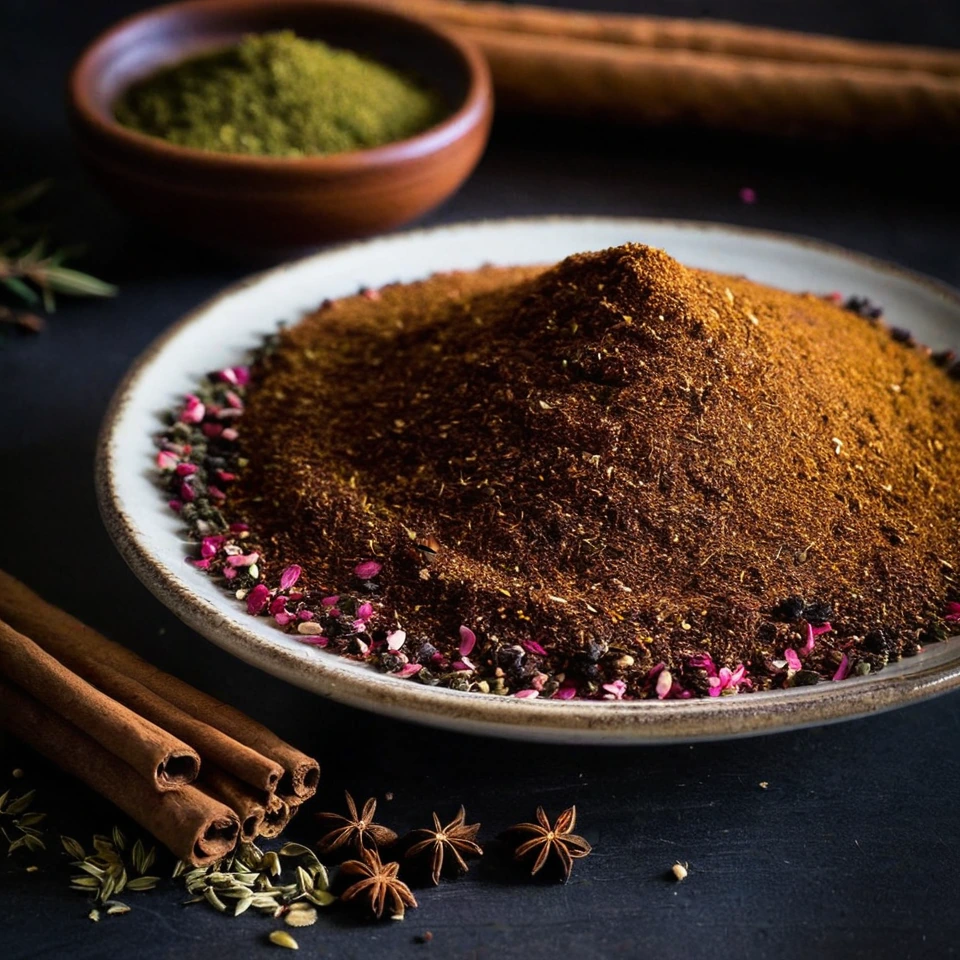
Advieh (Persian Spice Blend)
Advieh is a fragrant Persian spice blend that boasts a complex aroma of warm cinnamon, earthy cumin, and floral hints of rose and saffron. Its texture is finely ground, making it easy to incorporate into dishes. Originating from the rich culinary traditions of Iran, advieh adds depth and sophistication to both savory and sweet recipes. Its unique combination of spices reflects the historical spice trade routes that influenced Persian cuisine.
Recipes to try
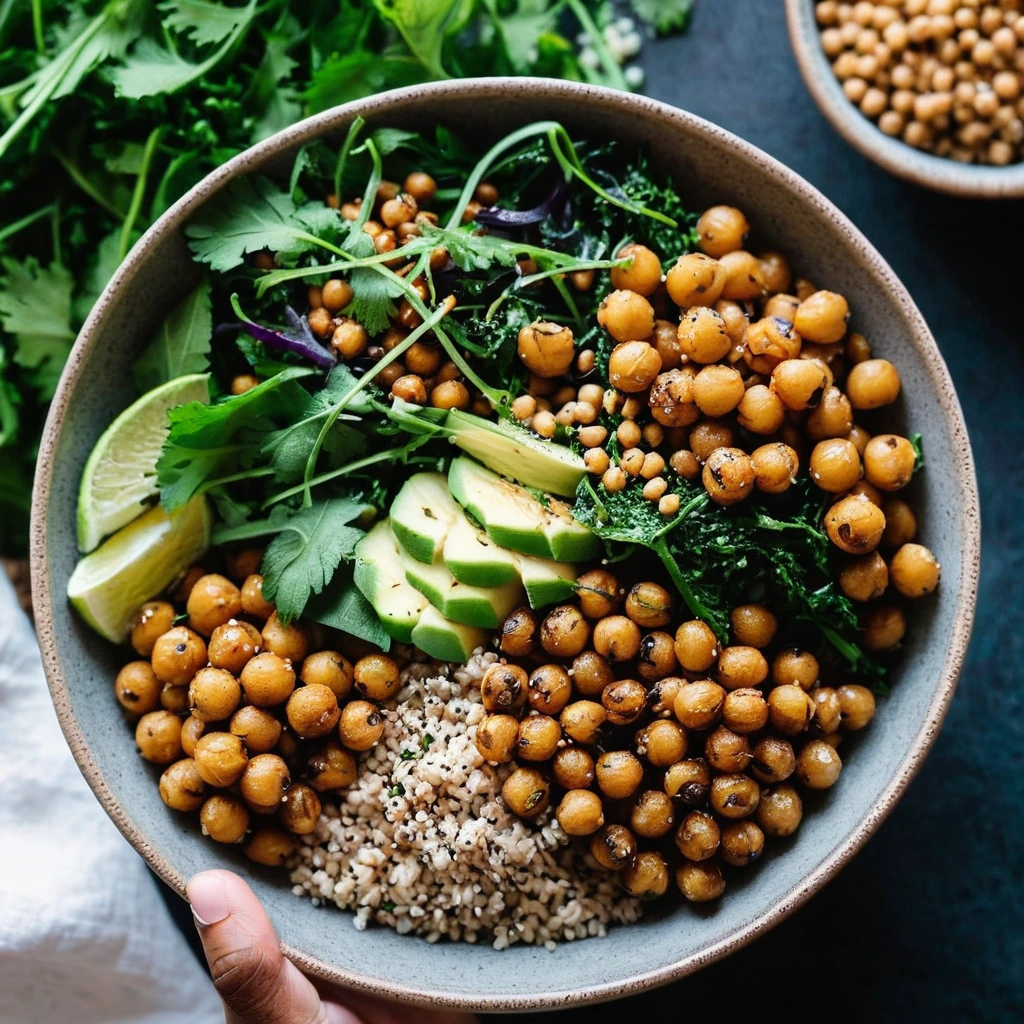
Spicy Sesame Roasted Chickpea Grain Bowls
Crispy, spicy chickpeas meet fluffy grains in a vibrant bowl that'll have your taste buds cheering for more.
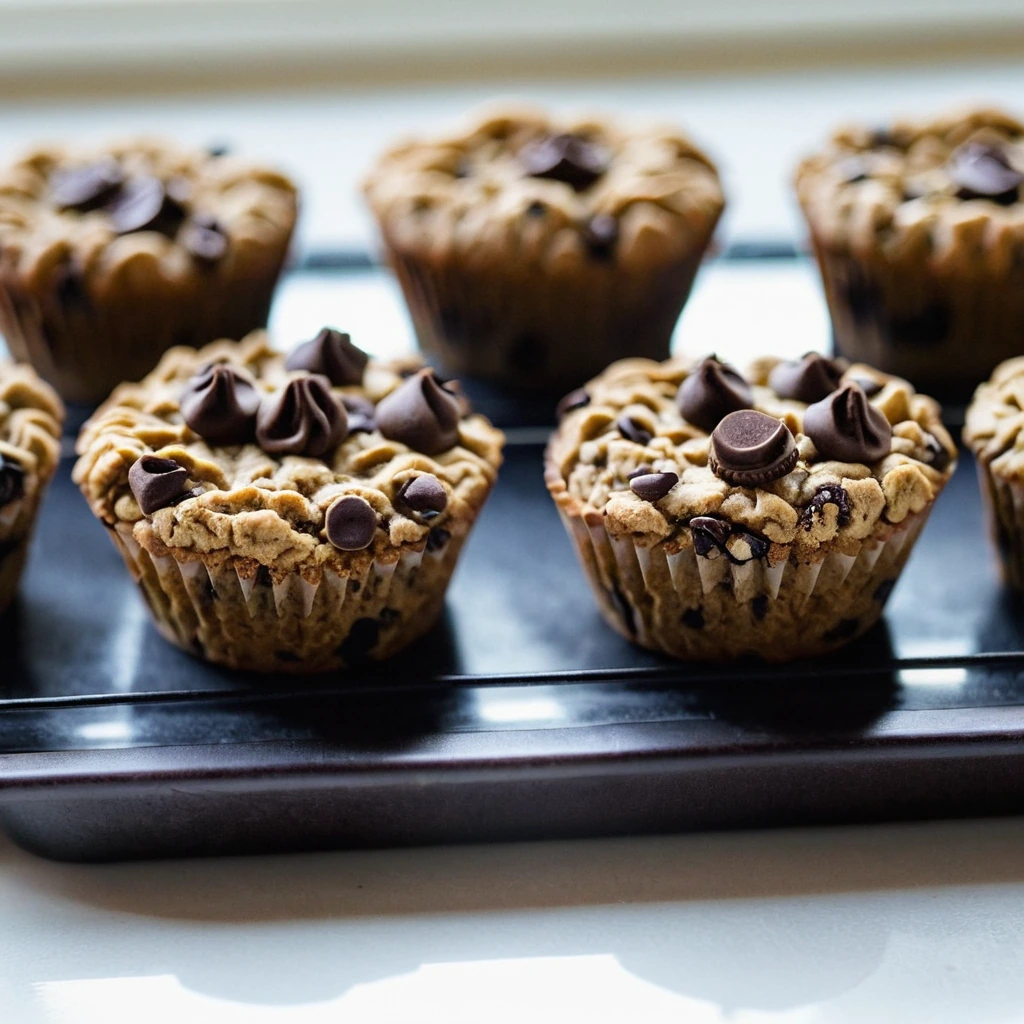
Peanut Butter Chocolate Chip Baked Oat Cups
These oat cups are a cozy hug in every bite, with gooey chocolate chips and a rich peanut butter swirl that makes mornings worth waking up for.