Egg Technique: Handling and Storing Eggs for Safety
Understanding how to handle and store eggs properly is crucial for ensuring their freshness and safety. Eggs are a staple in many kitchens, but their delicate nature requires careful attention. This guide will walk you through the best practices for keeping your eggs in prime condition. From the moment you bring them home to the day you use them, each step is vital in maintaining their quality. Eggs have a natural protective coating called the bloom, which helps keep out bacteria. However, once this coating is compromised, eggs become more susceptible to spoilage. Proper handling techniques, such as gentle washing and drying if needed, can help preserve this barrier. Additionally, understanding the ideal storage conditions—such as keeping eggs in the coldest part of the refrigerator, typically the back of the main compartment—can extend their shelf life. This guide will also delve into why eggs should not be stored in the refrigerator door, where temperature fluctuations are common, and how to identify when eggs are past their prime. By following these guidelines, you'll ensure that every egg you use is safe and of the highest quality.
Notes
The science behind egg storage lies in maintaining the integrity of the egg's natural defenses. The bloom is a protective film that helps prevent bacteria from entering the egg. Washing eggs can strip away this layer, which is why it's crucial to dry them thoroughly if you do. A consistent refrigeration temperature is key to preventing bacterial growth, particularly Salmonella. A common mistake is washing eggs unnecessarily; only do so if they are visibly dirty. For safety, never leave eggs out at room temperature for more than two hours. To extend storage life, consider using eggs before their expiration date, but remember they can last up to five weeks beyond the pack date if properly refrigerated. For make-ahead meals, cook and store egg dishes promptly and consume within a few days.
Steps
- 1 Check eggs for cracks before purchasing.
- 2 Store eggs in their original carton to protect them from absorbing odors.
- 3 Place eggs in the coldest part of your refrigerator, usually the back of the main compartment.
- 4 Avoid storing eggs in the refrigerator door to prevent exposure to temperature fluctuations.
- 5 Keep eggs at a consistent temperature below 40°F to inhibit bacterial growth.
- 6 If washing eggs, use warm water and gently scrub to avoid damaging the bloom.
- 7 Dry eggs thoroughly with a clean towel after washing to remove any remaining bacteria.
- 8 Label hard-boiled eggs and store them in the refrigerator for up to one week.
- 9 Use the float test to check for freshness: fresh eggs sink, while older eggs float.
Ingredients to explore
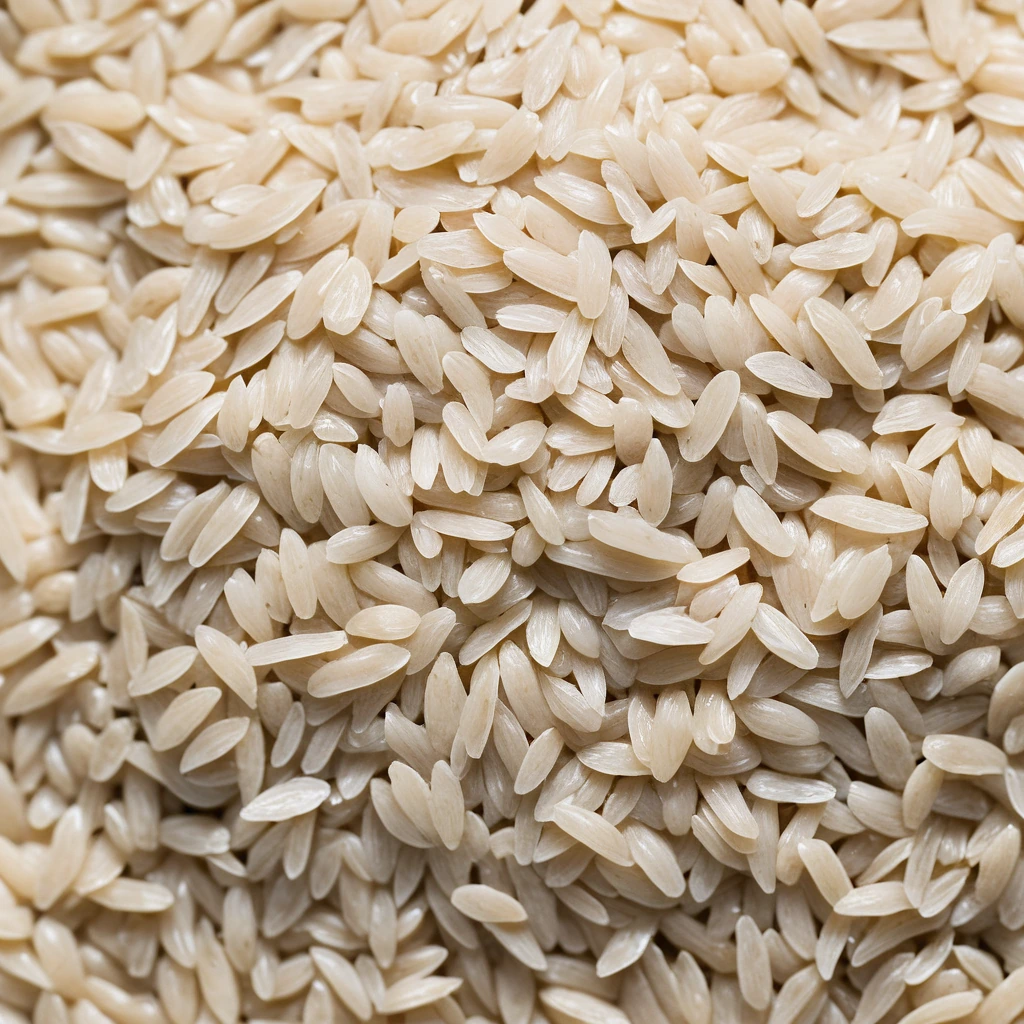
Arborio Rice
Arborio rice is a short-grain Italian rice variety renowned for its use in risotto. Originating from the Po Valley in Northern Italy, it is a staple in Italian cuisine. Its flavor is mild and nutty, with a pleasant creamy texture when cooked due to its high amylopectin content, which releases starch and creates a velvety consistency. The grains remain plump and firm to the bite, offering a satisfying chewiness. In cooking, Arborio rice excels at absorbing flavors from broths and seasonings while maintaining its shape, making it ideal for dishes that require both creaminess and structure.

Anaheim Peppers
Anaheim peppers are a mild chili pepper variety named after Anaheim, California, where they were first cultivated commercially. Originating from the New Mexico region, these peppers are celebrated for their versatility and gentle heat. They possess a flavor that is mildly sweet with a subtle tang, and a pleasant vegetal note reminiscent of green bell peppers, but with a hint of spice. Their texture is firm and crisp when fresh, becoming tender and slightly smoky when roasted or cooked. In cooking, Anaheim peppers behave well across a range of techniques, from grilling and roasting to stuffing and sautéing, contributing a nuanced depth without overwhelming other ingredients with heat.