Egg Technique: Flipping Omelets Without Tearing
Mastering the art of flipping an omelet without tearing is a skill that can elevate your breakfast game to chef-level standards. This technique requires patience, practice, and precision. The key is to ensure your omelet is cooked just enough to hold its shape while still being pliable enough to flip smoothly. Start with a well-seasoned, non-stick skillet to prevent sticking. Whisk your eggs with a pinch of salt and pepper to create a uniform mixture, allowing for even cooking. Heat your skillet over medium heat and add a small amount of butter or oil to coat the surface. The ideal temperature is when the butter stops foaming but isn’t yet browning. This is crucial as too high heat can cause the eggs to cook too quickly and become fragile. Once your egg mixture is poured into the skillet, let it rest undisturbed for a moment, allowing the edges to set. As the eggs begin to cook, gently lift the edges with a spatula to let uncooked egg flow underneath. The omelet should be mostly set but still slightly runny on top before attempting to flip. Timing is everything—wait too long and your omelet will tear; flip too soon and it will collapse. When you’re ready, use a swift and confident motion to flip the omelet, either with a spatula or by deftly tossing it in the air. Practice with a spatula first to build confidence. Fold the omelet in half or thirds, depending on your preference, and slide it onto a plate. Achieving this technique flawlessly might take several tries, but each attempt will bring you closer to omelet perfection.
Notes
The science behind this technique lies in understanding protein coagulation. Eggs cook between 144°F and 158°F, and controlling the heat ensures the proteins set gently without becoming rubbery. A common mistake is using too high heat, which can lead to overcooking and tearing. Ensure your skillet is well-seasoned and non-stick to prevent sticking. Safety is crucial when flipping; make sure your hands are dry and your wrist is steady. For make-ahead options, cook the omelet fully and store in an airtight container in the fridge for up to 2 days. Reheat gently to maintain texture.
Steps
- 1 Whisk 2-3 eggs in a bowl with a pinch of salt and pepper until uniform.
- 2 Heat an 8-inch non-stick skillet over medium heat.
- 3 Add 1 teaspoon butter or oil to the skillet, ensuring it coats the surface evenly.
- 4 Wait until the butter stops foaming but isn’t browning before adding eggs.
- 5 Pour the egg mixture into the skillet, tilting it to spread evenly.
- 6 Let the eggs rest undisturbed for 20-30 seconds until edges start to set.
- 7 Gently lift the edges with a spatula, tilting the skillet to allow uncooked egg to flow underneath.
- 8 Continue cooking until the top surface is slightly runny but the bottom is set, about 1-2 minutes.
- 9 Prepare your fillings, if using, to add at this stage.
- 10 Place one hand on the handle and use a swift motion to flip the omelet with a spatula.
- 11 Alternatively, practice flipping by tossing the omelet in the air if confident.
- 12 Fold the omelet in half or into thirds immediately after flipping.
- 13 Slide the folded omelet onto a plate and serve immediately.
Ingredients to explore
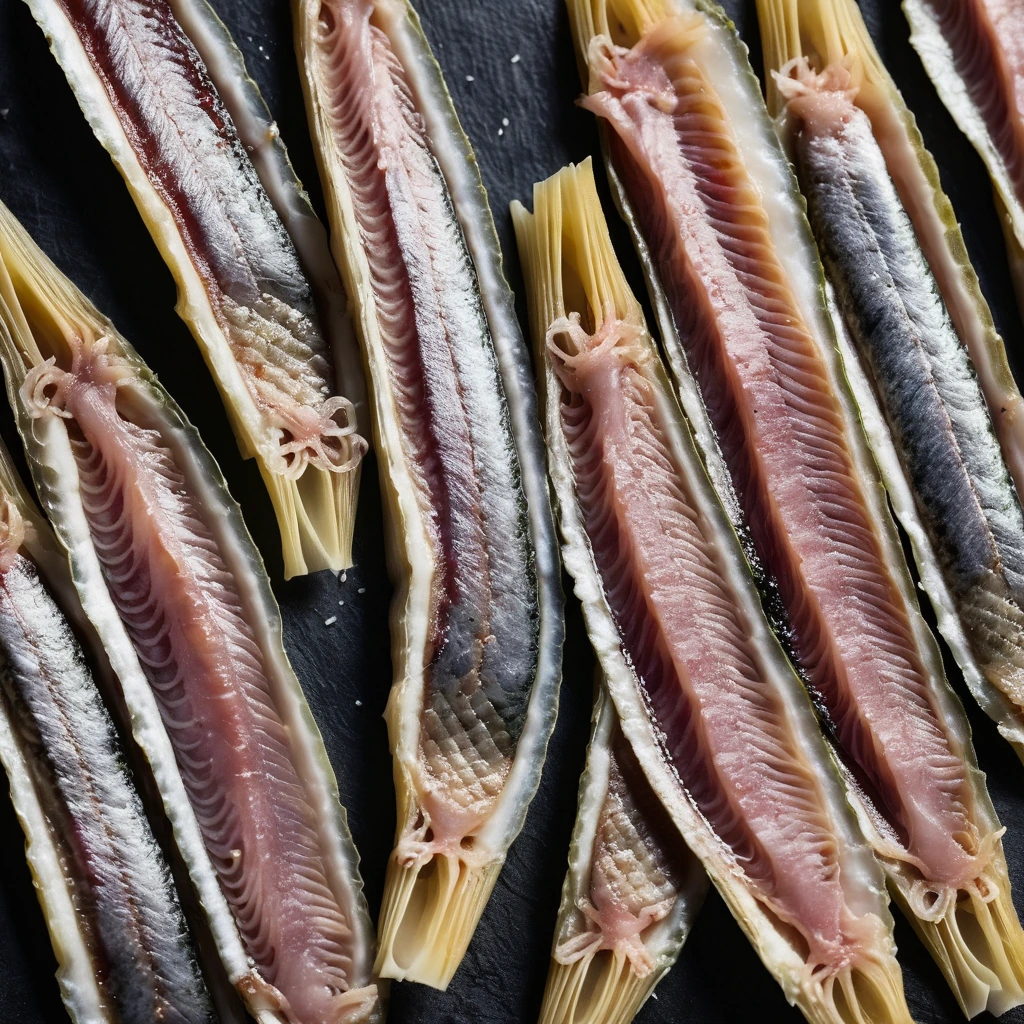
Anchovy Fillets
Silvery and succulent, anchovy fillets are a briny treasure from the sea. Their rich, umami flavor adds depth to dishes, making them a beloved ingredient in kitchens worldwide.
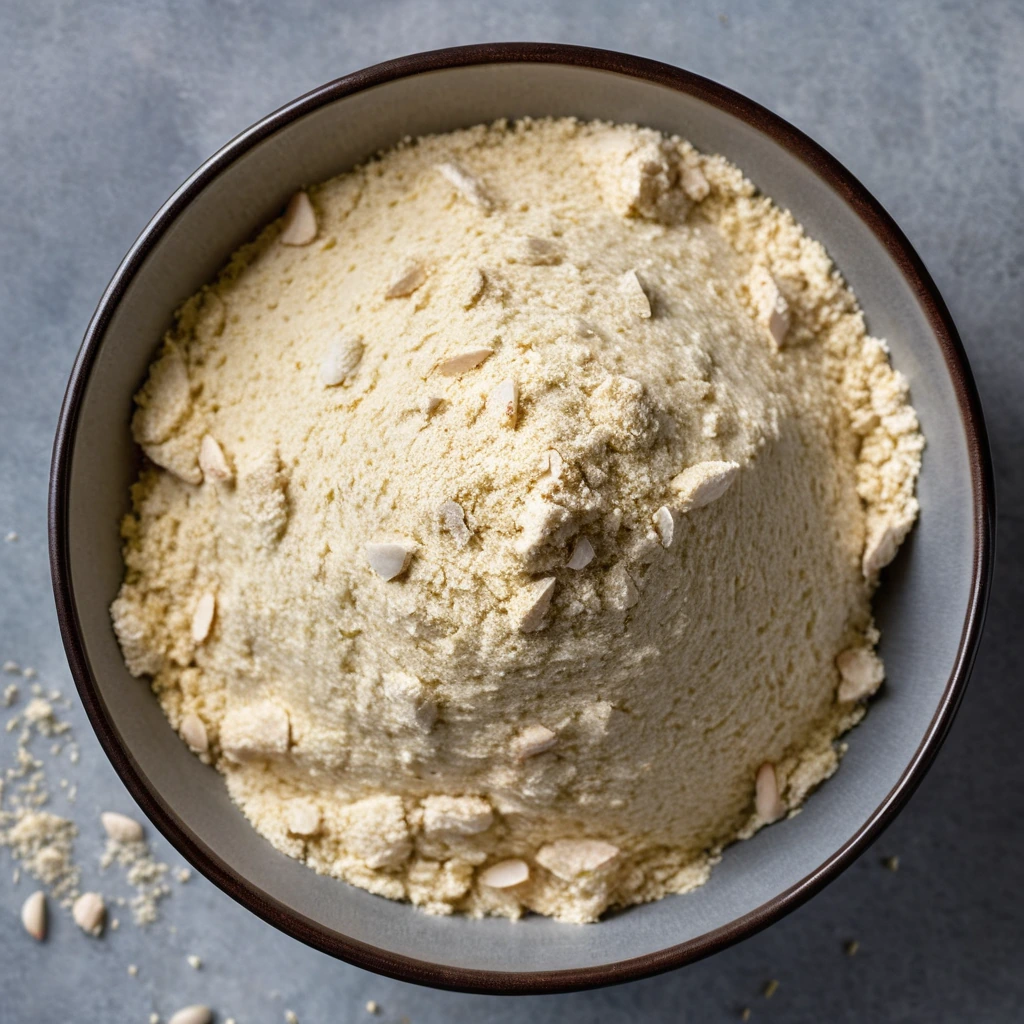
Almond Flour
A finely ground flour made from blanched almonds, offering a delicate nutty aroma and a tender crumb to your baked goods.
Recipes to try
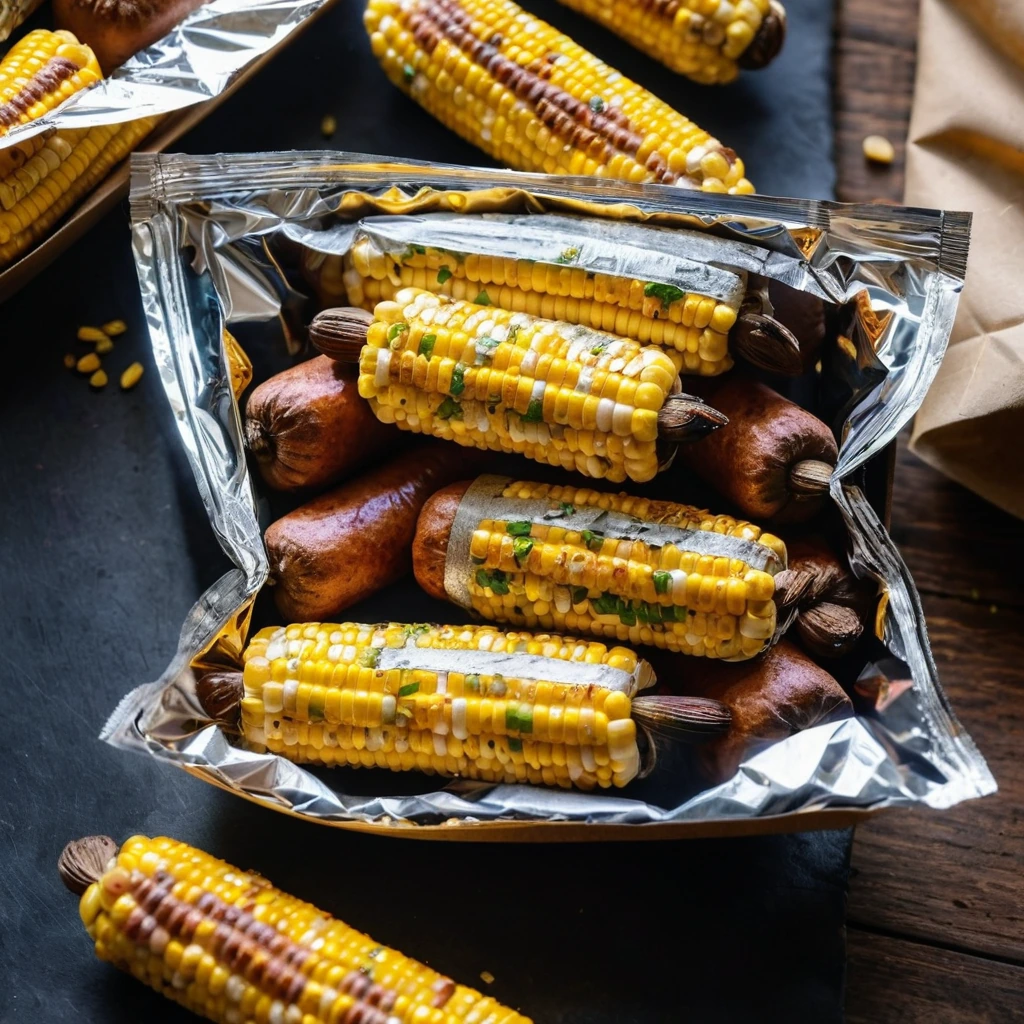
Smoky Sausage, Corn, and Potato Foil Packets
Imagine the smoky aroma of grilled sausage mingling with sweet corn and tender potatoes, all wrapped up in a neat foil packet.
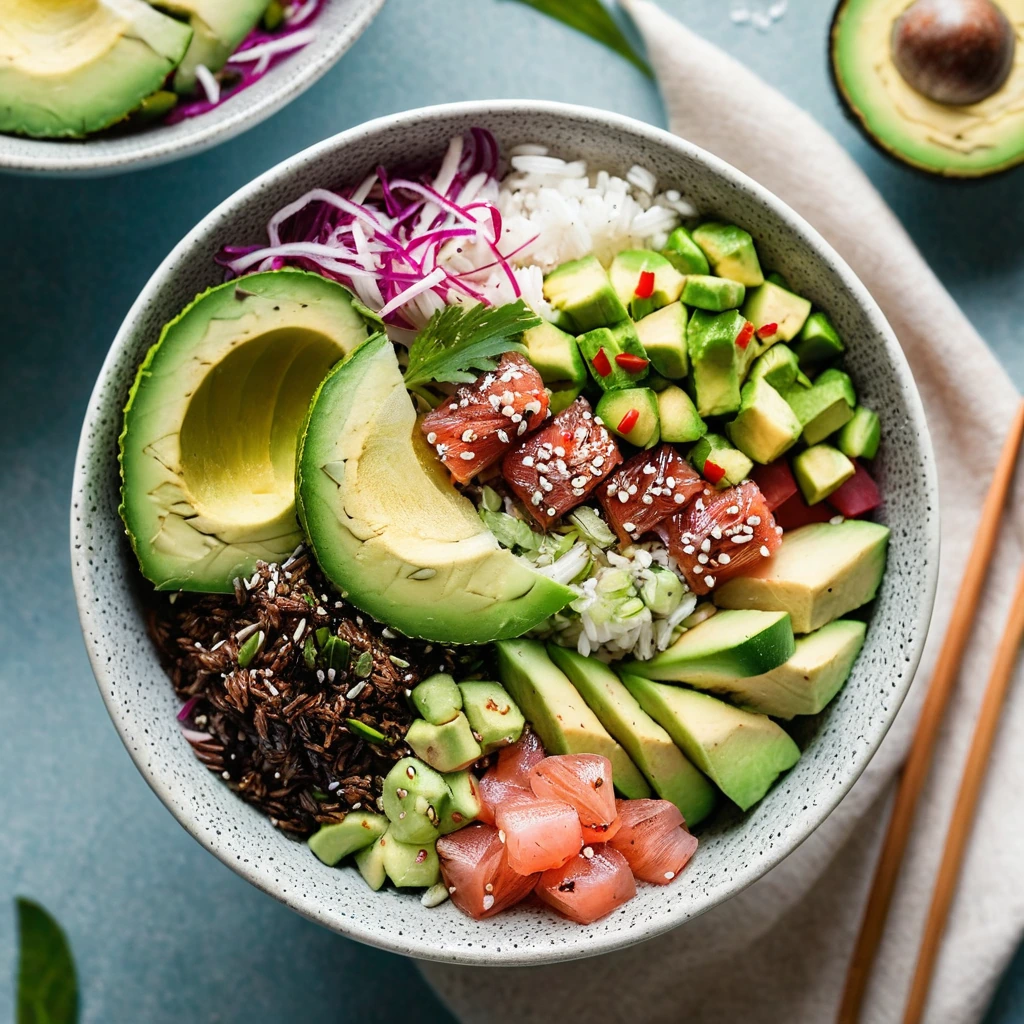
Spicy Tuna and Avocado Poke Bowls
Bright and zesty, these poke bowls are a fiesta of flavors with spicy tuna and creamy avocado.