Egg Technique: Building Egg-Based Sauces for Pasta
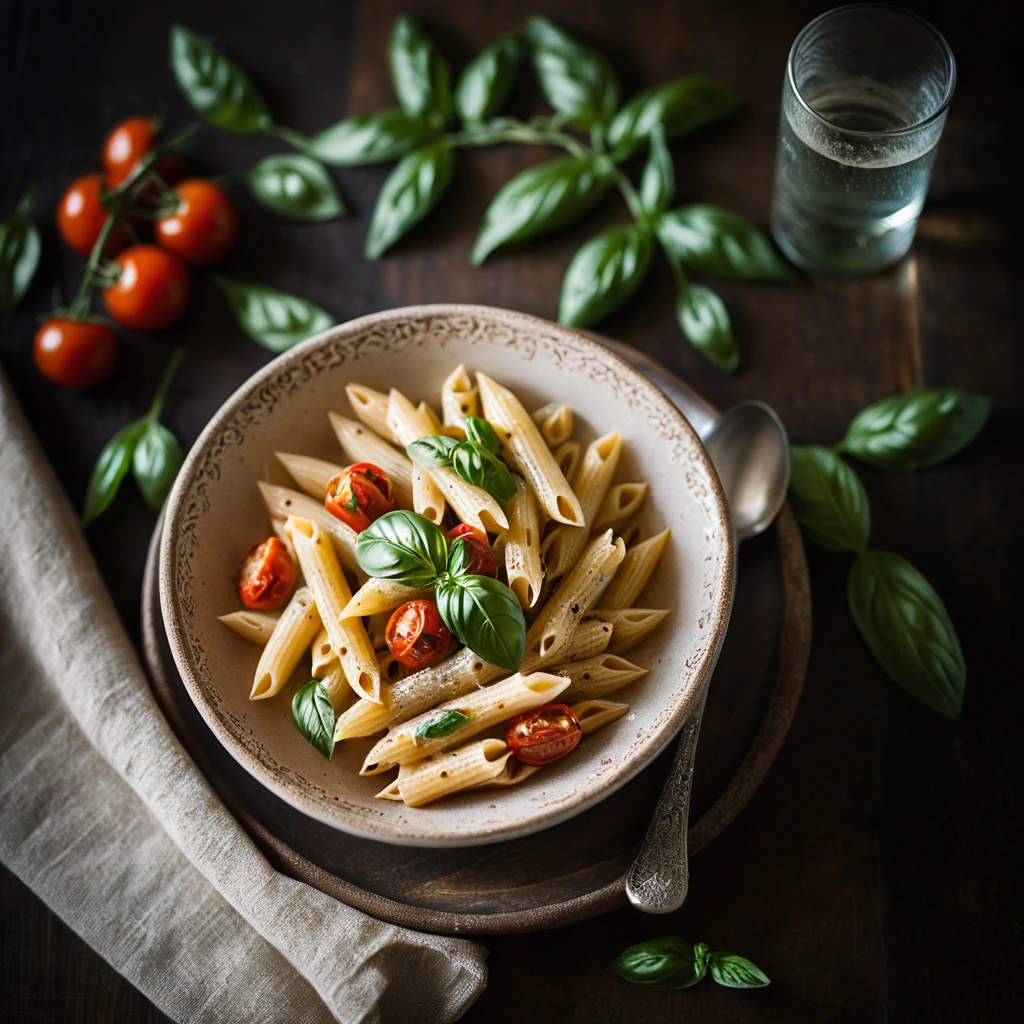
Creating rich, velvety egg-based sauces for pasta is an art that can transform a simple meal into a luxurious dining experience. The technique hinges on gently cooking eggs to thicken the sauce without scrambling them, creating a silky texture that clings beautifully to pasta. This method is used in classic dishes like carbonara and cacio e pepe. The key is to understand the delicate balance of heat, timing, and ingredient ratios. Eggs act as an emulsifier, binding fat and liquid to form a cohesive sauce. Achieving this requires patience and precision. First, choose fresh eggs for their superior emulsifying properties. Freshness ensures that the proteins will coagulate properly when gently heated. Next, consider the type of cheese and fat used, as they contribute to the sauce's richness and flavor profile. Parmigiano-Reggiano, with its granular texture, is often preferred for its ability to melt smoothly into the sauce. The pasta water, often underappreciated, is crucial here. Its starchiness helps to emulsify the sauce and create that perfect cling. Timing is everything – you want to work quickly once the pasta is drained to capture residual heat without cooking the eggs too fast. Finally, allow the sauce to rest briefly, letting it thicken slightly before serving. This technique is versatile and, once mastered, can elevate countless pasta dishes with minimal ingredients but maximum impact.
Notes
The science behind egg-based sauces lies in the proteins within the eggs. When gently heated, these proteins unravel and link together, thickening the sauce without breaking into curds. To avoid scrambling, never introduce raw eggs to direct heat – always temper them first. A common mistake is adding the egg mixture too quickly to the hot pan, which can cause it to cook too fast and result in scrambled eggs in your sauce. Keep your heat low and work swiftly. For make-ahead considerations, egg-based sauces are best served immediately but can be gently reheated over low heat, stirring constantly, with a splash of pasta water to revive the sauce's consistency. Store leftovers in an airtight container in the refrigerator for up to 2 days.
Steps
- 1 Bring a large pot of salted water to a boil.
- 2 Cook pasta according to package instructions until al dente.
- 3 Reserve 1 cup of pasta cooking water before draining.
- 4 Crack eggs into a mixing bowl and whisk until just combined.
- 5 Grate your chosen cheese finely for easy melting.
- 6 Heat a pan over low heat and add a splash of reserved pasta water.
- 7 Add grated cheese to the pan, stirring constantly until melted.
- 8 Slowly pour a ladleful of hot pasta water into the eggs while whisking briskly.
- 9 Continue tempering the eggs by gradually adding more pasta water.
- 10 Once the egg mixture is warm but not scrambled, pour it into the pan with cheese.
- 11 Add drained pasta to the pan and toss quickly to coat.
- 12 Season with freshly ground black pepper and additional cheese if desired.
- 13 Remove from heat and let the sauce rest for 1-2 minutes before serving.
Ingredients to explore
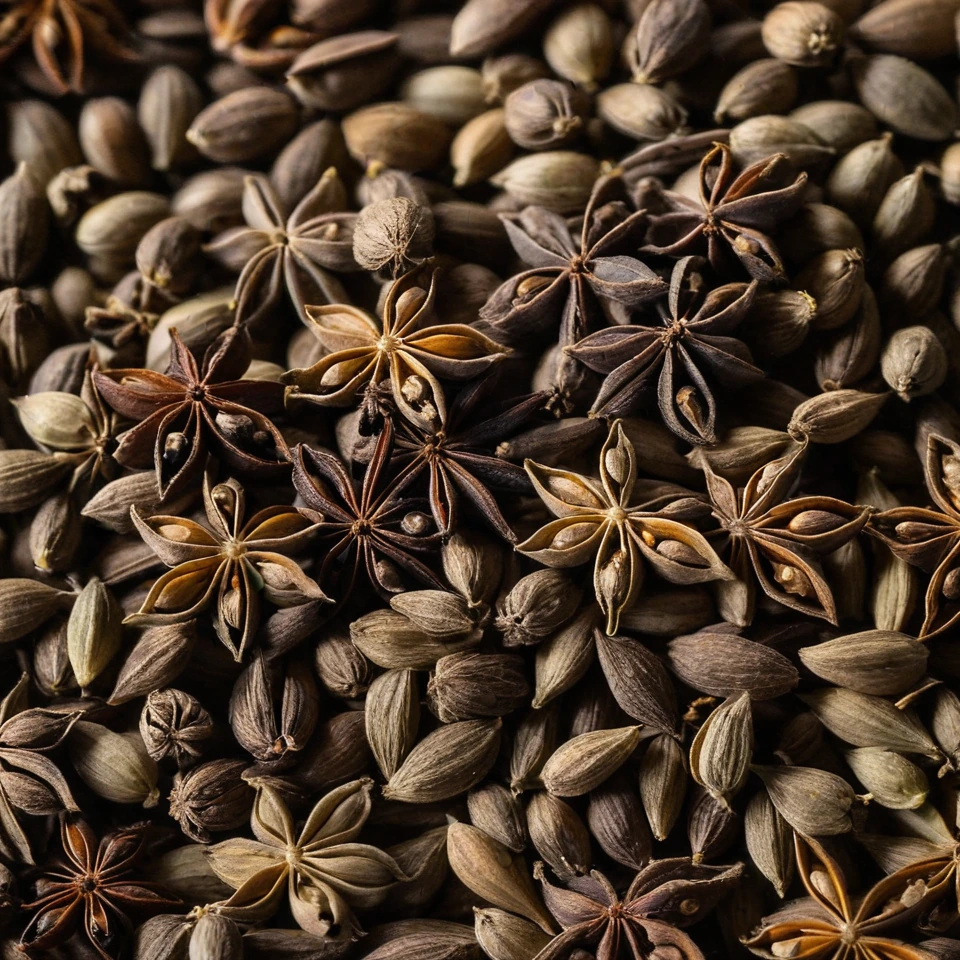
Anise Seeds
Anise seeds are small, oval seeds with a sweet, licorice-like flavor. They are commonly used in both sweet and savory dishes, offering a warm, aromatic taste.
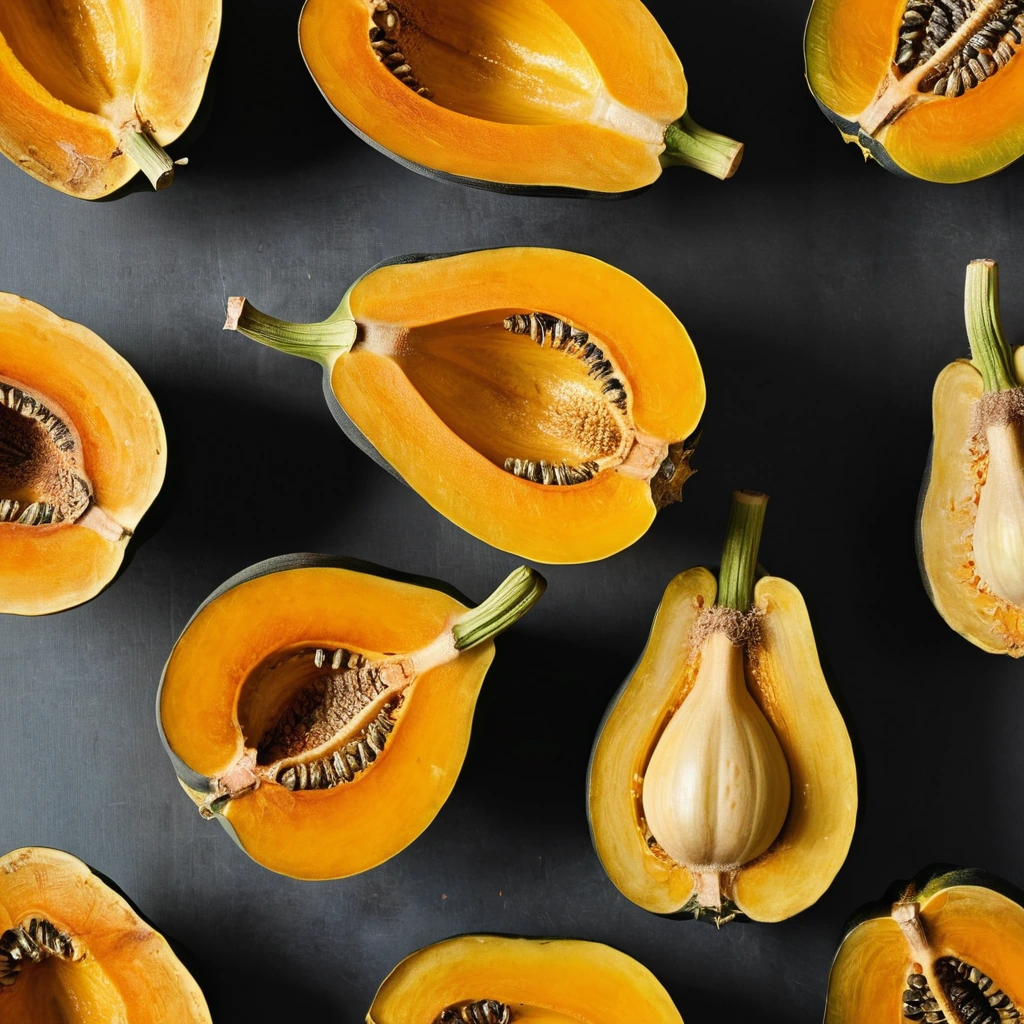
Acorn Squash
Acorn squash is a winter squash variety known for its distinctive teardrop shape and deep ridges resembling the texture of an acorn shell. Originating in the Americas, it has been cultivated for centuries and is a staple in autumn cuisine. The flesh is sweet and nutty with a hint of earthiness, offering a delightful contrast to savory dishes. Its texture is dense yet tender when cooked, making it ideal for roasting or pureeing. In cooking, acorn squash holds its shape well and absorbs flavors from herbs and spices, enhancing both its taste and versatility in recipes.