Egg & Dairy Technique: Using Ice Baths to Stop Egg Cooking Instantly
The ice bath technique is a culinary lifesaver when dealing with eggs and dairy, offering precision and control over the cooking process. By halting the cooking process immediately, it prevents eggs from overcooking, ensuring they remain tender and creamy. This technique is invaluable in recipes requiring perfectly poached eggs, soft-boiled eggs, or even when making custards and sauces like hollandaise. The rapid cooling works due to a simple scientific principle: heat transfer. When eggs are plunged into an ice bath, the temperature drops quickly, stopping the proteins from coagulating further. Without this method, residual heat would continue to cook the egg, leading to a rubbery texture. Mastering the ice bath technique is straightforward yet requires attention to detail. It's a skill that elevates your cooking, making your dishes restaurant-worthy. The key is preparation and timing, ensuring the ice bath is ready before the eggs finish cooking. This technique is not limited to eggs; it can also be applied to delicate dairy-based sauces that require precise temperature control. Achieving perfection with this technique is about understanding the timing and the science behind it, allowing home cooks to replicate professional results with confidence.
Notes
The ice bath technique works by rapidly lowering the temperature of the eggs or dairy, preventing further cooking. This is due to the high thermal conductivity of water combined with the cooling effect of ice. A common mistake is not having the ice bath ready before the eggs are done cooking, leading to overcooking. To avoid this, prepare the ice bath in advance. Safety-wise, ensure the ice bath is in a stable location to prevent spills. For storage, cooled eggs can be refrigerated for up to one week, while dairy sauces should be covered and used within two days for best quality. Make-ahead tip: prepare your ice bath while your eggs are cooking to save time and ensure immediate cooling.
Steps
- 1 Prepare a large bowl with ice cubes and water.
- 2 Ensure the ice-water mixture is sufficient to fully submerge the eggs or dairy.
- 3 Boil or cook the eggs or dairy-based mixture according to your recipe instructions.
- 4 Once the eggs or mixture reaches the desired doneness, immediately transfer them to the ice bath.
- 5 Gently stir the eggs in the ice bath to ensure even cooling.
- 6 Let the eggs or mixture sit in the ice bath for at least 5 minutes.
- 7 Check the eggs by gently pressing them to ensure they are no longer warm to the touch.
- 8 Remove the eggs or mixture from the ice bath when fully cooled.
- 9 Dry the eggs with a clean kitchen towel before peeling or serving.
- 10 For dairy-based sauces, strain if necessary after cooling to achieve a smooth texture.
Ingredients to explore
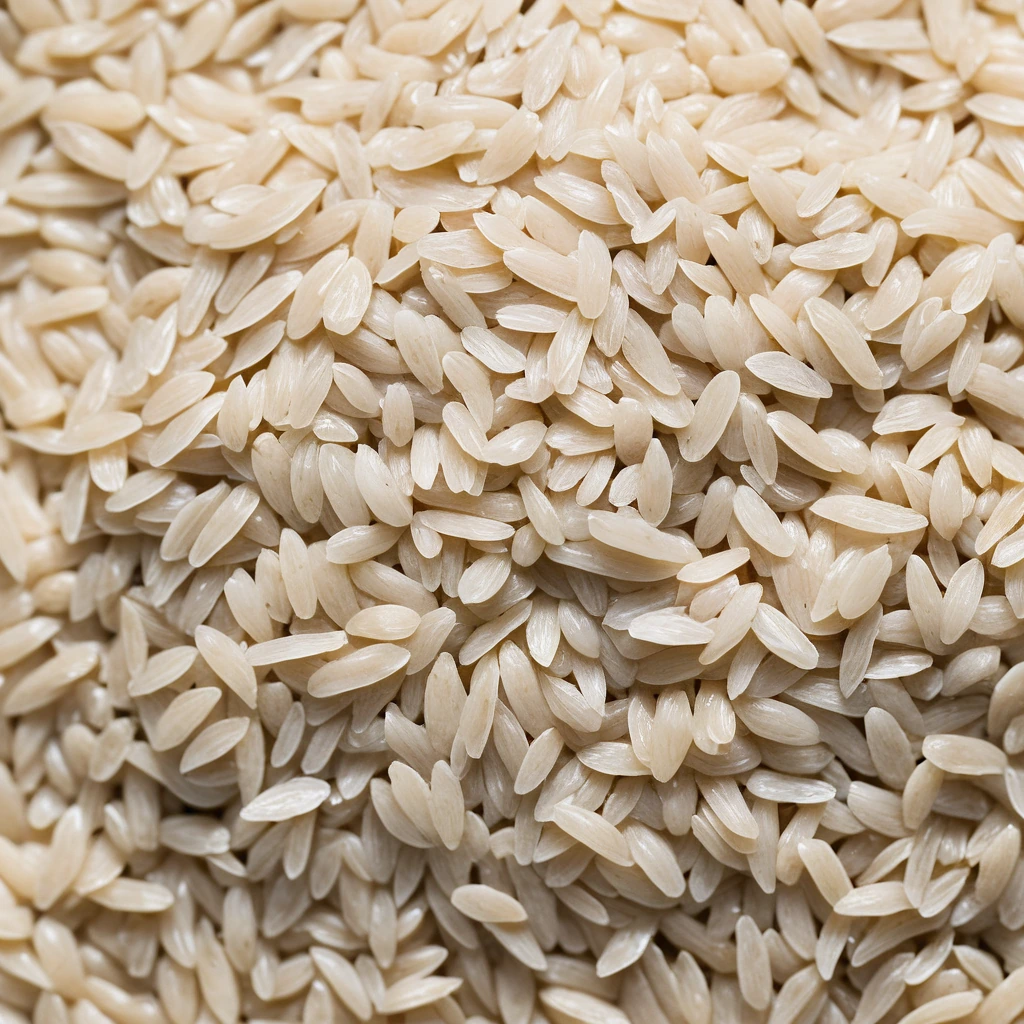
Arborio Rice
Arborio rice is a short-grain Italian rice variety renowned for its use in risotto. Originating from the Po Valley in Northern Italy, it is a staple in Italian cuisine. Its flavor is mild and nutty, with a pleasant creamy texture when cooked due to its high amylopectin content, which releases starch and creates a velvety consistency. The grains remain plump and firm to the bite, offering a satisfying chewiness. In cooking, Arborio rice excels at absorbing flavors from broths and seasonings while maintaining its shape, making it ideal for dishes that require both creaminess and structure.
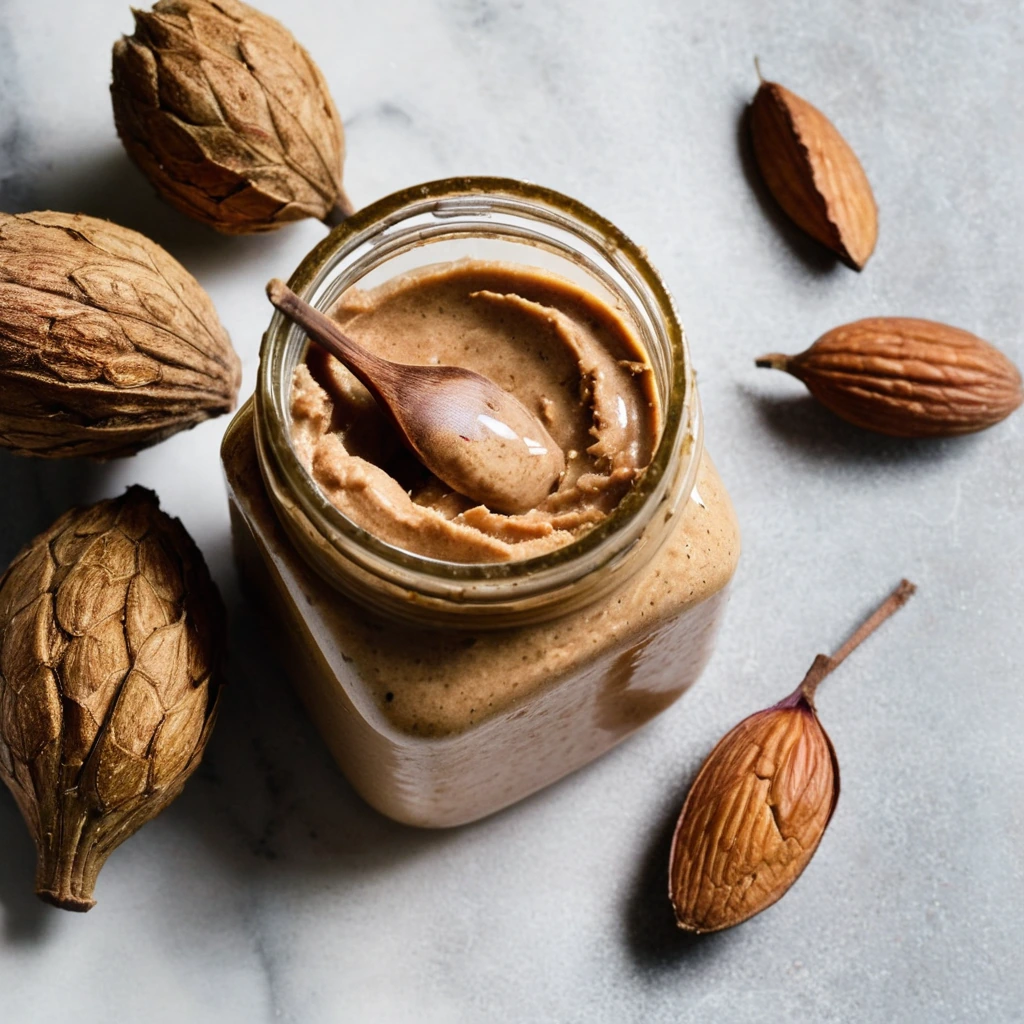
Almond Butter
A velvety, nutty spread crafted from finely ground almonds, offering a rich and satisfying flavor that's both comforting and indulgent.
Recipes to try
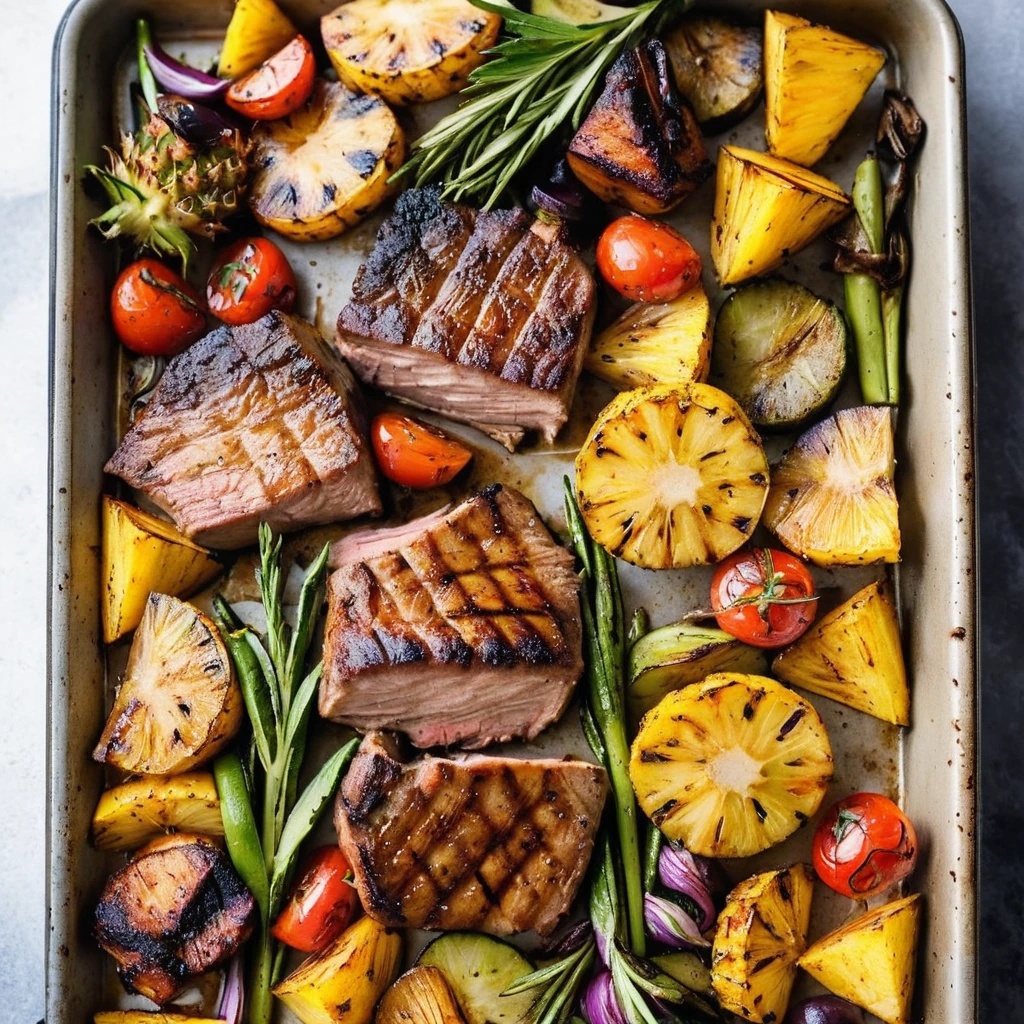
Pork and Pineapple BBQ Sheet Pan Supper
Sweet, tangy, and smoky flavors mingle in this fuss-free sheet pan supper that'll have you licking your plate clean.
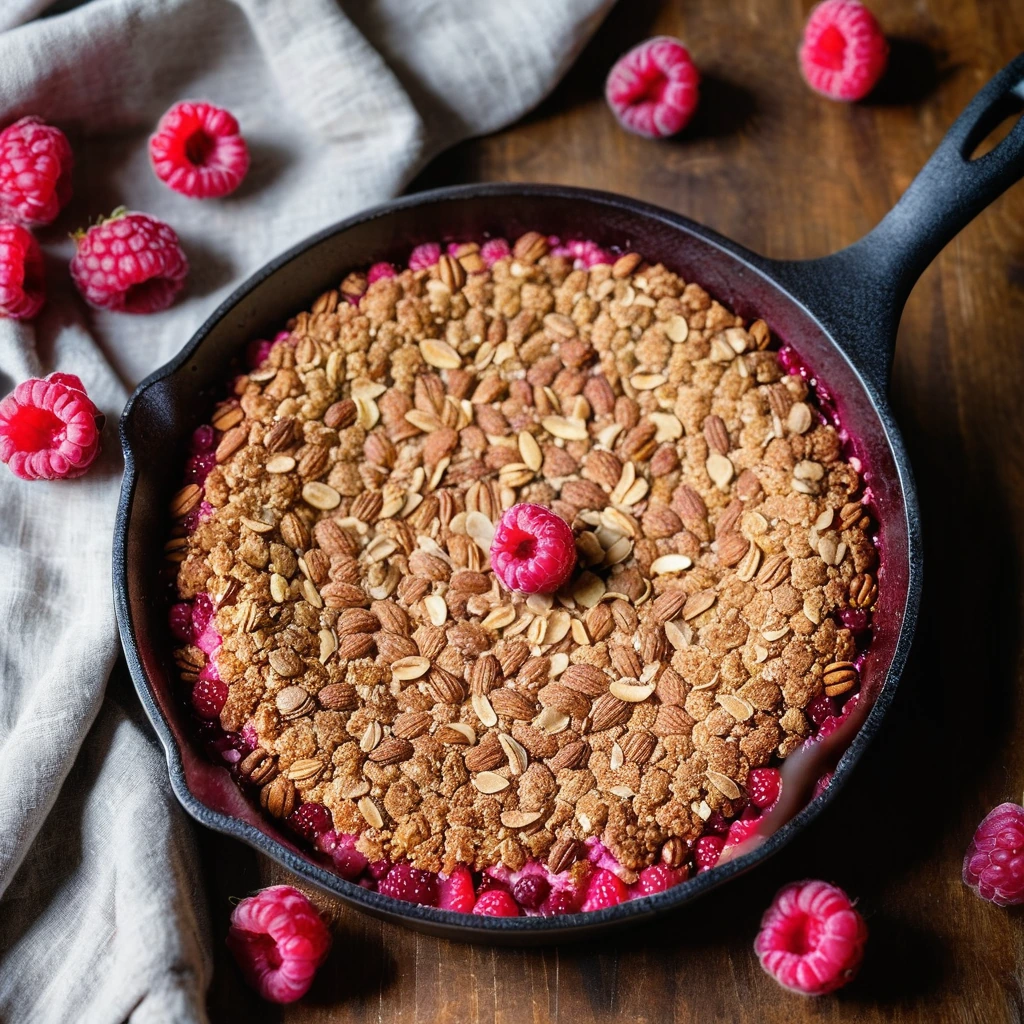
Raspberry Almond Crumble Skillet
A symphony of sweet raspberries nestled under a golden, almond-studded crumble, perfect for cozy evenings and brunch spreads.