Egg & Dairy Technique: Using Evaporated Milk for Silky Sauces
Creating silky, smooth sauces is an art that combines science and technique. One of the unsung heroes in achieving this texture is evaporated milk. This canned milk has had about 60% of its water content removed, giving it a concentrated richness that can transform your sauces. Unlike cream, which can be heavy and overpowering, evaporated milk offers a lighter yet equally luxurious texture. It's perfect for béchamel, Alfredo, or even a creamy tomato sauce. Understanding how to use evaporated milk involves knowing its unique properties and how it interacts with heat and other ingredients. First, its concentrated nature means you use less to achieve the same richness as fresh milk or cream. Second, it contains natural stabilizers that help prevent curdling, making it ideal for sauces that require prolonged cooking or are prone to breaking. When combined with eggs, it creates an emulsion that’s both smooth and velvety. However, care must be taken to temper the eggs properly to avoid scrambling. This technique is not only about achieving a superior texture but also about understanding how to balance flavors. Evaporated milk's slight caramelization during processing adds a subtle sweetness that can complement a wide range of dishes. Whether you’re making a classic white sauce, a creamy pasta dish, or even a decadent dessert sauce, using evaporated milk can elevate your cooking to new heights.
Notes
The science behind using evaporated milk lies in its reduced water content, which allows for quicker thickening and a more stable emulsion compared to regular milk. Its natural stabilizers, like proteins and phosphates, help maintain the sauce's integrity under heat. A common mistake is heating the sauce too quickly or to too high a temperature, which can cause the proteins to coagulate and curdle. To troubleshoot, always use low to medium heat and consider using a double boiler for delicate sauces. For safety, ensure your evaporated milk is stored properly and check the expiration date before use. This technique allows for make-ahead convenience; store your sauce in an airtight container in the refrigerator for up to five days. Reheat gently to preserve its silky texture.
Steps
- 1 Measure out the required amount of evaporated milk for your sauce recipe.
- 2 In a separate bowl, whisk together egg yolks if the recipe calls for them.
- 3 Heat a saucepan over medium-low heat and add your base ingredients (e.g., butter, flour for roux).
- 4 Once the base is ready, gradually pour in the evaporated milk, whisking constantly to avoid lumps.
- 5 Continue to cook the mixture, stirring frequently, until it thickens slightly.
- 6 Slowly temper the egg yolks by whisking a small amount of the warm milk mixture into them.
- 7 Pour the tempered egg yolk mixture back into the saucepan, whisking continuously.
- 8 Cook until the sauce thickens to your desired consistency, ensuring it does not exceed 180°F to avoid curdling.
- 9 Season with salt, pepper, or other desired seasonings, adjusting to taste.
- 10 Remove from heat and stir in any additional ingredients like cheese or herbs.
Ingredients to explore
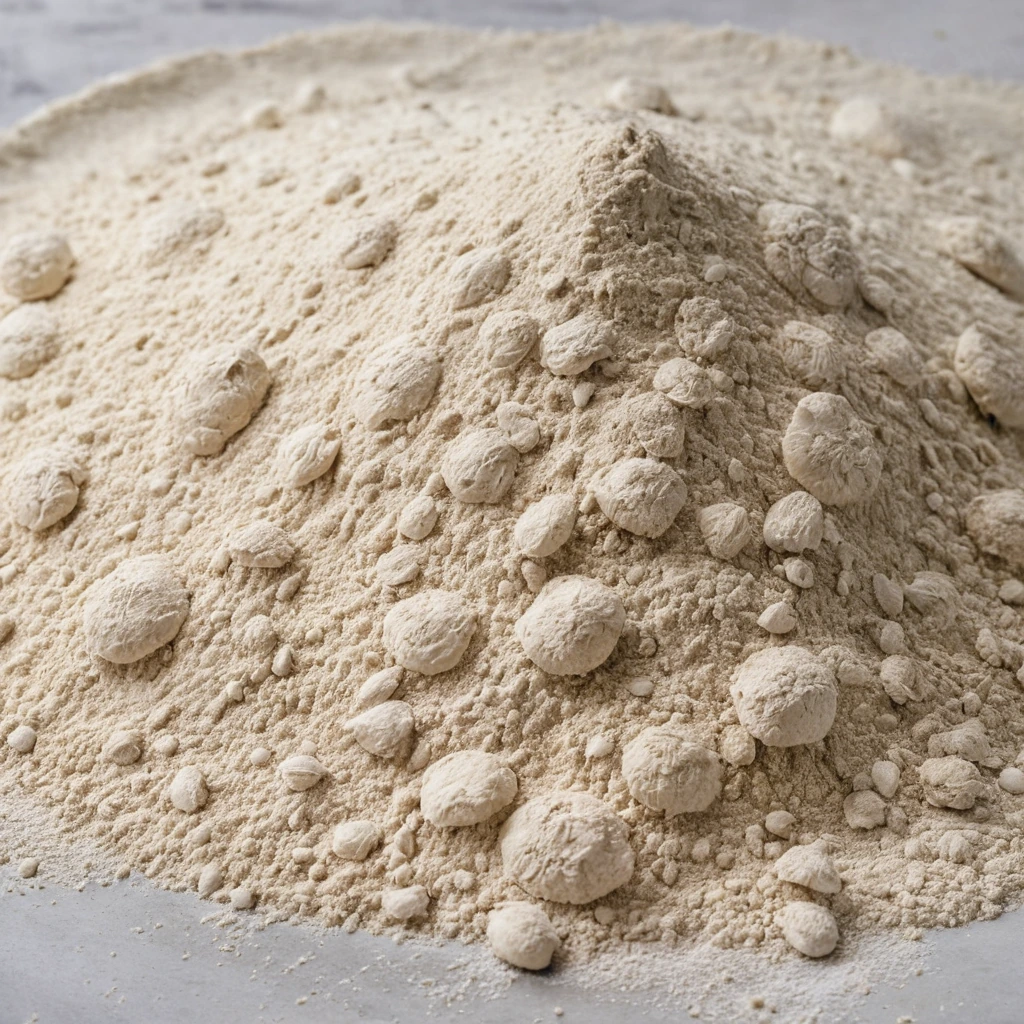
00 Pizza Flour
00 pizza flour is a finely milled Italian flour prized for its versatility in creating authentic Neapolitan-style pizza crusts. Originating from Italy, it is milled to a very fine consistency, which is reflected in its name, 'doppio zero,' indicating its fine grind. This flour has a balanced flavor profile, offering a mild, slightly sweet taste with a subtle nuttiness. Its texture is silky and smooth, contributing to a tender yet chewy crust when used in pizza making. In cooking, 00 pizza flour is known for its ability to hydrate quickly and develop a desirable gluten structure, resulting in a light and airy crust that can withstand high-heat cooking without becoming overly crispy or hard.
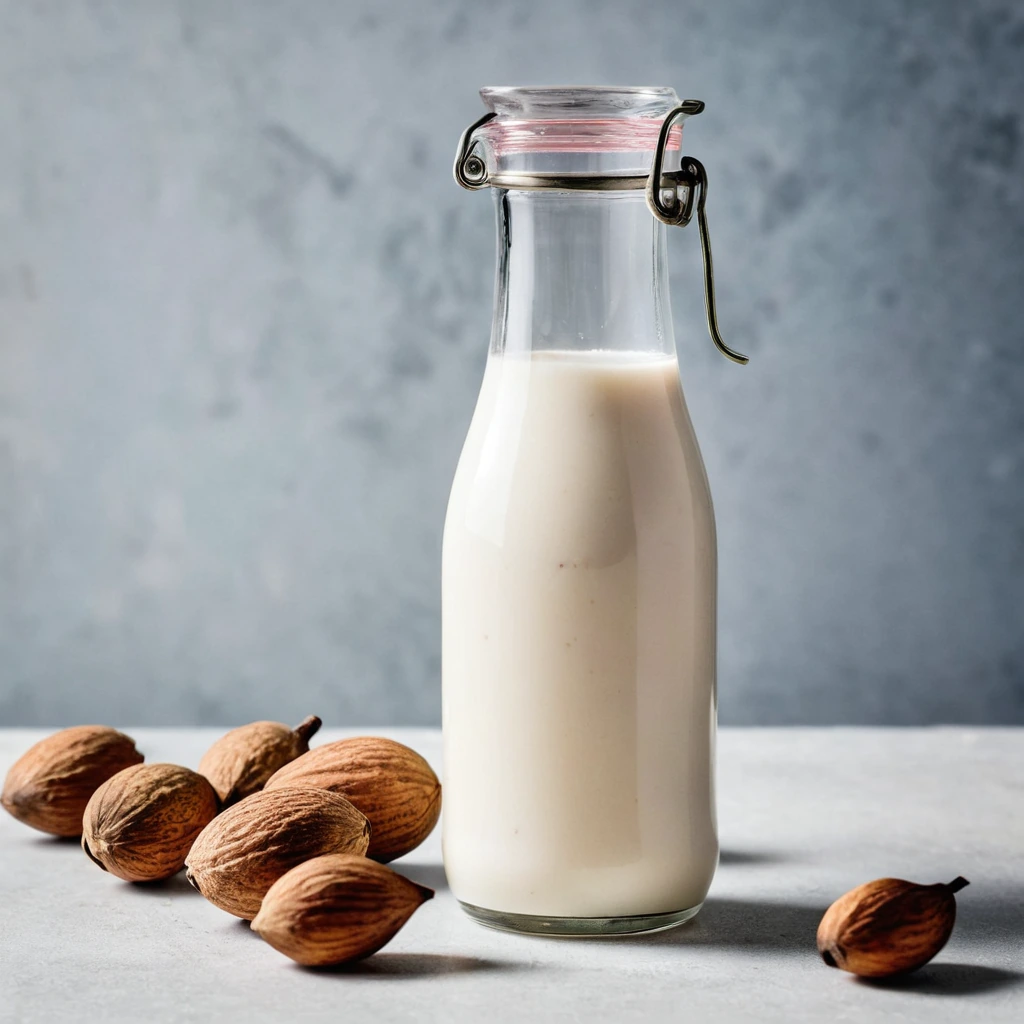
Almond Milk
Almond milk is a plant-based milk alternative made from ground almonds and water. Originating from traditional recipes in medieval Europe and the Middle East, it has gained widespread popularity in modern times as a dairy-free option. Almond milk has a subtly nutty flavor with a mild sweetness, and its aroma is reminiscent of fresh almonds. Its texture is smooth and creamy, though typically lighter than dairy milk. In cooking, almond milk behaves well in both savory and sweet applications, though it does not brown or caramelize like dairy milk. It is often used in cereals, smoothies, and baking, where its delicate flavor complements rather than overpowers other ingredients.
Recipes to try
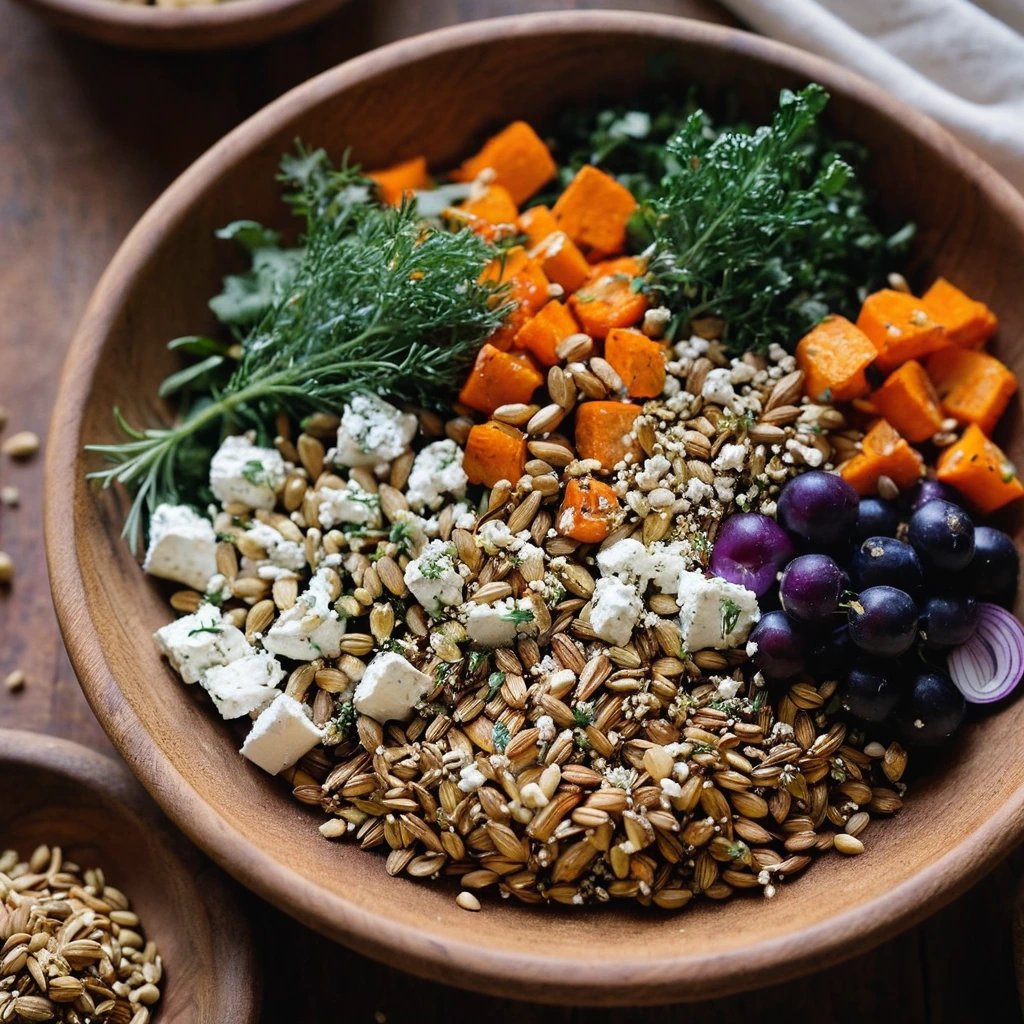
Roasted Vegetable and Goat Cheese Grain Bowls
Warm, roasted veggies mingle with creamy goat cheese over a bed of nutty grains for a comforting yet vibrant meal.

Shrimp and Sausage Gumbo Style Stew
A hearty, soul-warming stew packed with plump shrimp, spicy sausage, and a rich, dark roux-based broth.