Dry Heat: Using Convection vs Conventional Oven Settings
Understanding the nuances of dry heat cooking in your oven can elevate your culinary game. When faced with the choice between convection and conventional oven settings, it's crucial to know how each impacts your dishes. Convection ovens circulate hot air with a fan, ensuring even cooking and often reducing cooking times. Conventional ovens rely on natural heat convection, which can lead to more varied results. This technique dives into the science behind these settings, helping you decide when to use each for roasting vegetables, baking pastries, or crisping up a golden-brown pie crust. Learn how to harness the power of air circulation for perfectly cooked meals every time, and discover the subtle adjustments needed to make the most out of your oven's capabilities.
Notes
The fan in a convection oven creates a more uniform heat environment, ideal for roasting, baking, and crisping. However, delicate pastries might benefit from conventional settings to avoid drying out. A common mistake is forgetting to adjust temperatures or times when switching between oven types. Always consult your oven manual for specific guidance. For safety, never leave your oven unattended for prolonged periods. Dishes can often be prepared ahead and stored in the refrigerator until ready to cook, but always ensure they reach a safe internal temperature.
Steps
- 1 Preheat your oven to the desired temperature.
- 2 For convection, reduce the temperature by 25°F to account for faster cooking.
- 3 Position oven racks in the middle for even heat distribution.
- 4 Use shallow pans to maximize air circulation in a convection oven.
- 5 Avoid overcrowding the oven to ensure proper airflow.
- 6 Check dishes 10-15 minutes early when using convection to prevent overcooking.
- 7 Rotate pans halfway through cooking in a conventional oven for even browning.
- 8 Keep oven door closed as much as possible to maintain consistent temperature.
- 9 Adjust cooking times based on your oven’s idiosyncrasies and recipe requirements.
- 10 Experiment with both settings to understand their impact on different dishes.
Ingredients to explore
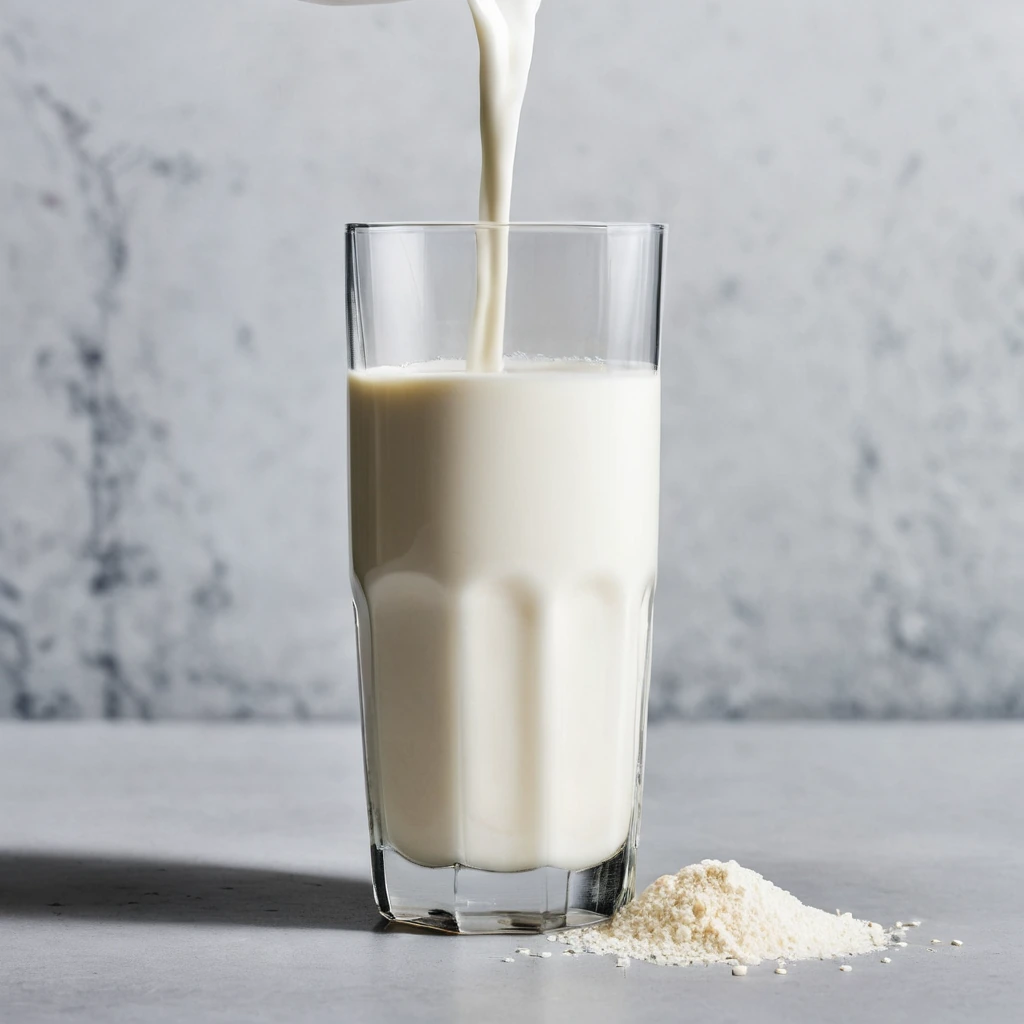
2% Milk
Creamy and just a touch lighter than whole milk, 2% milk offers a perfect balance of richness and reduced fat. Its smooth texture and subtle sweetness make it a delightful choice for sipping or cooking.
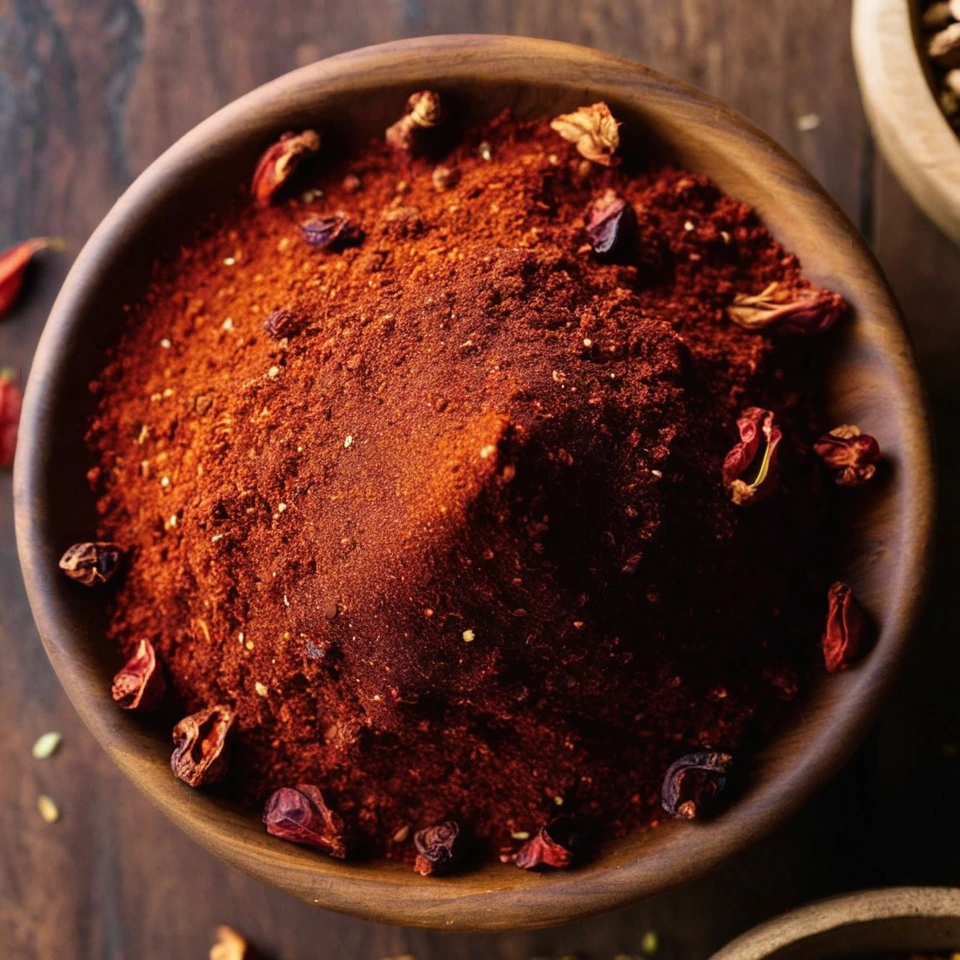
Aleppo Pepper
Aleppo pepper offers a harmonious balance of heat and sweetness, with a subtle fruity aroma reminiscent of sun-dried tomatoes and currants. Originating from the region around Aleppo, Syria, it has a fine, slightly coarse texture that shatters easily between fingers. Its mild yet complex flavor profile makes it a prized seasoning for enhancing dishes without overwhelming them. Valued for its versatility, it bridges the gap between spice and seasoning, bringing a touch of warmth and depth to a variety of cuisines.
Recipes to try

S’mores Cookie Bars with Marshmallow Swirl
Chocolatey, gooey, and utterly irresistible – these S’mores Cookie Bars are a campfire classic reimagined into a decadent dessert.

Roasted Corn and Zucchini Chowder
Creamy, comforting chowder with a roasted sweetness from corn and zucchini, finished with a sprinkle of fresh herbs.