Dry Heat: Sheet Pan Dinners Without Soggy Vegetables
Creating a delicious sheet pan dinner is all about balancing flavors and textures, especially when it comes to vegetables. The key to avoiding soggy vegetables lies in understanding how dry heat works its magic in your oven. When vegetables are roasted at high temperatures, the moisture on their surfaces evaporates quickly, leading to caramelization and a delightful crunch. This technique not only enhances the natural sweetness of vegetables but also ensures they remain vibrant and full of flavor. To achieve this, it's crucial to prep your vegetables properly, choose the right pan, and manage oven space effectively. Crowding vegetables can lead to steaming rather than roasting, resulting in that undesirable sogginess. Additionally, tossing your veggies in a bit of oil and seasoning helps them crisp up beautifully. This method works wonders for a variety of vegetables, from hearty root vegetables like carrots and parsnips to delicate greens like asparagus and green beans. By mastering this technique, you can elevate your sheet pan dinners to chef-level quality, ensuring every component is perfectly cooked and bursting with flavor.
Notes
The science behind this technique is simple: high heat encourages the Maillard reaction, creating complex flavors and browning. To troubleshoot common mistakes, ensure your pan isn’t overcrowded, as this can lead to steaming rather than roasting. If vegetables seem to be browning too quickly, lower the oven temperature slightly or cover them loosely with foil until they are tender. For safety, always use oven mitts when handling hot pans. To make ahead, roast vegetables and store them in an airtight container in the fridge for up to 3 days. Reheat in a warm oven to maintain crispness.
Steps
- 1 Preheat oven to 425°F.
- 2 Chop vegetables into uniform sizes for even cooking.
- 3 Toss vegetables with 2 tablespoons olive oil and season with salt and pepper.
- 4 Arrange vegetables in a single layer on a rimmed sheet pan.
- 5 Leave space between pieces to promote air circulation.
- 6 Roast vegetables for 15 minutes, then flip them for even browning.
- 7 Continue roasting until vegetables are tender and edges are caramelized, about 10-15 minutes more.
- 8 If adding protein, place it on the pan during the last 20-25 minutes of roasting.
- 9 Check vegetables halfway through cooking to ensure even browning.
- 10 Remove pan from oven and let rest for 5 minutes before serving.
Ingredients to explore

Anaheim Peppers
Anaheim peppers are a mild chili pepper variety named after Anaheim, California, where they were first cultivated commercially. Originating from the New Mexico region, these peppers are celebrated for their versatility and gentle heat. They possess a flavor that is mildly sweet with a subtle tang, and a pleasant vegetal note reminiscent of green bell peppers, but with a hint of spice. Their texture is firm and crisp when fresh, becoming tender and slightly smoky when roasted or cooked. In cooking, Anaheim peppers behave well across a range of techniques, from grilling and roasting to stuffing and sautéing, contributing a nuanced depth without overwhelming other ingredients with heat.
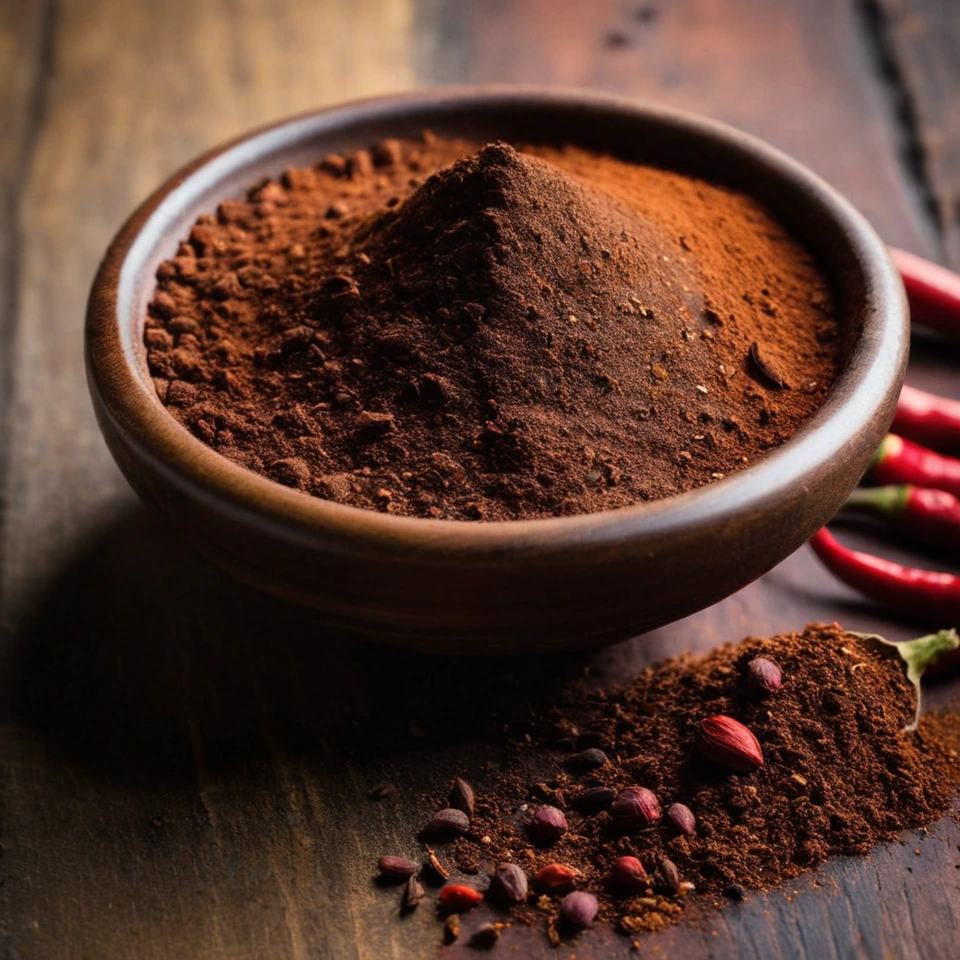
Ancho Chili Powder
Ancho chili powder offers a deep, smoky sweetness with hints of dried fruit and cocoa, reminiscent of its origin as dried poblano peppers from Mexico. Its aroma is warm and inviting, with a mild heat that lingers gently. The texture is fine and velvety, making it easy to incorporate into a variety of dishes. This powder is prized for its ability to add complexity without overwhelming spice, ideal for enriching both traditional Mexican moles and contemporary global cuisines.
Recipes to try
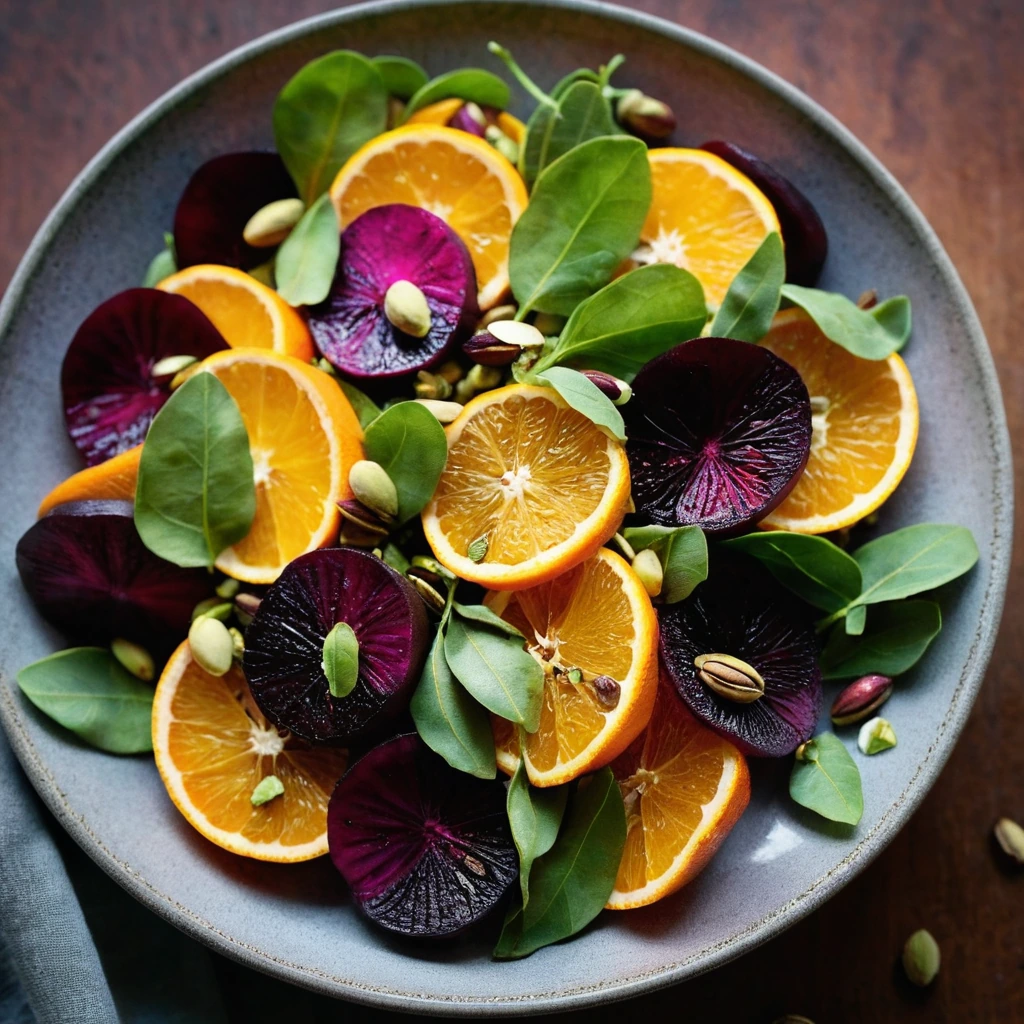
Roasted Beet, Orange, and Pistachio Salad
Warm roasted beets mingle with citrusy orange segments and crunchy pistachios for a vibrant, refreshing salad that sings with color and flavor.
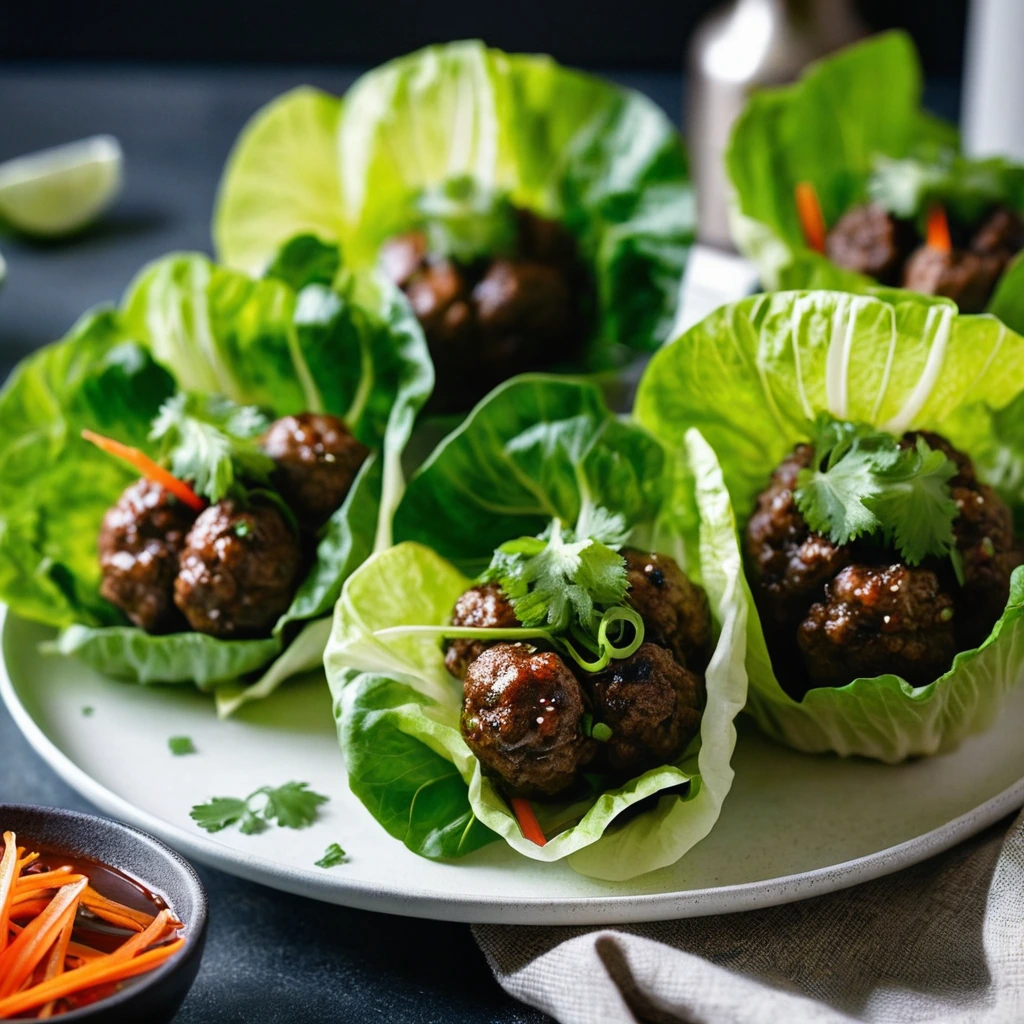
Sweet Chili Glazed Meatball Lettuce Wraps
Juicy meatballs cloaked in a sticky-sweet chili glaze, nestled in crisp lettuce cups for a flavor explosion with every bite.