Desserts: Whipping Egg Whites to Stiff Peaks
Whipping egg whites to stiff peaks is a foundational technique in dessert making, essential for creating airy delights like meringues, soufflés, and angel food cake. Achieving the perfect stiff peaks requires precision, patience, and a gentle touch. The process begins with selecting the right tools and ingredients. Room temperature egg whites are crucial as they incorporate air more readily than cold ones. Additionally, ensure that your mixing bowl and beaters are spotlessly clean and free from any traces of grease or yolk, as these can inhibit the whites from reaching their full volume. The science behind whipping egg whites lies in the protein structure within the whites. As you whisk, these proteins unravel and bond with air molecules, forming a stable foam. Sugar is often added gradually to stabilize the foam, creating a glossy, sturdy structure that holds its shape beautifully. Achieving stiff peaks means the egg whites can stand up straight when the beaters are lifted. This technique not only adds volume but also lightness to your desserts, transforming ordinary recipes into extraordinary treats. Understanding the nuances of this technique will elevate your baking game and give you the confidence to tackle more ambitious dessert recipes. Let’s dive into the detailed steps to ensure your egg whites reach that perfect, lofty texture.
Notes
The science behind whipping egg whites lies in the proteins albumin and ovotransferrin, which unfold and bond with air when whipped, forming a stable foam. Room temperature egg whites whip up faster and hold more air than cold ones, so always take this into consideration. A common mistake is adding sugar too quickly, which can deflate the egg whites; it's essential to add it gradually to stabilize the foam. Avoid using plastic bowls, as they can retain odors that might affect the flavor. For safety, ensure your eggs are fresh to minimize the risk of salmonella. While you can make egg whites ahead of time, they are at their best when freshly whipped for optimal volume and stability.
Steps
- 1 Gather your ingredients and equipment: egg whites, granulated sugar, a clean metal or glass mixing bowl, and a hand or stand mixer with a whisk attachment.
- 2 Allow the egg whites to reach room temperature if they are cold.
- 3 Ensure your mixing bowl and beaters are completely grease-free by washing them with hot water and drying them thoroughly.
- 4 Pour the egg whites into the clean, dry mixing bowl.
- 5 Begin whisking the egg whites on medium speed until frothy.
- 6 Gradually increase the speed to high and continue whisking until soft peaks form.
- 7 Add granulated sugar a tablespoon at a time, whisking well after each addition.
- 8 Continue whisking until the egg whites reach stiff peaks, where the peaks stand straight when the beaters are lifted.
- 9 Check for proper consistency: when you lift the beaters, the peaks should hold their shape without collapsing.
- 10 Avoid over-whisking, which can cause the egg whites to become grainy or dry.
- 11 Once stiff peaks are achieved, immediately proceed to use them in your recipe.
- 12 Clean your beaters and bowl promptly to prevent dried egg whites from becoming difficult to remove.
- 13 Store any unused egg whites in an airtight container in the refrigerator for up to two days, though freshly whipped egg whites are best used immediately.
Ingredients to explore
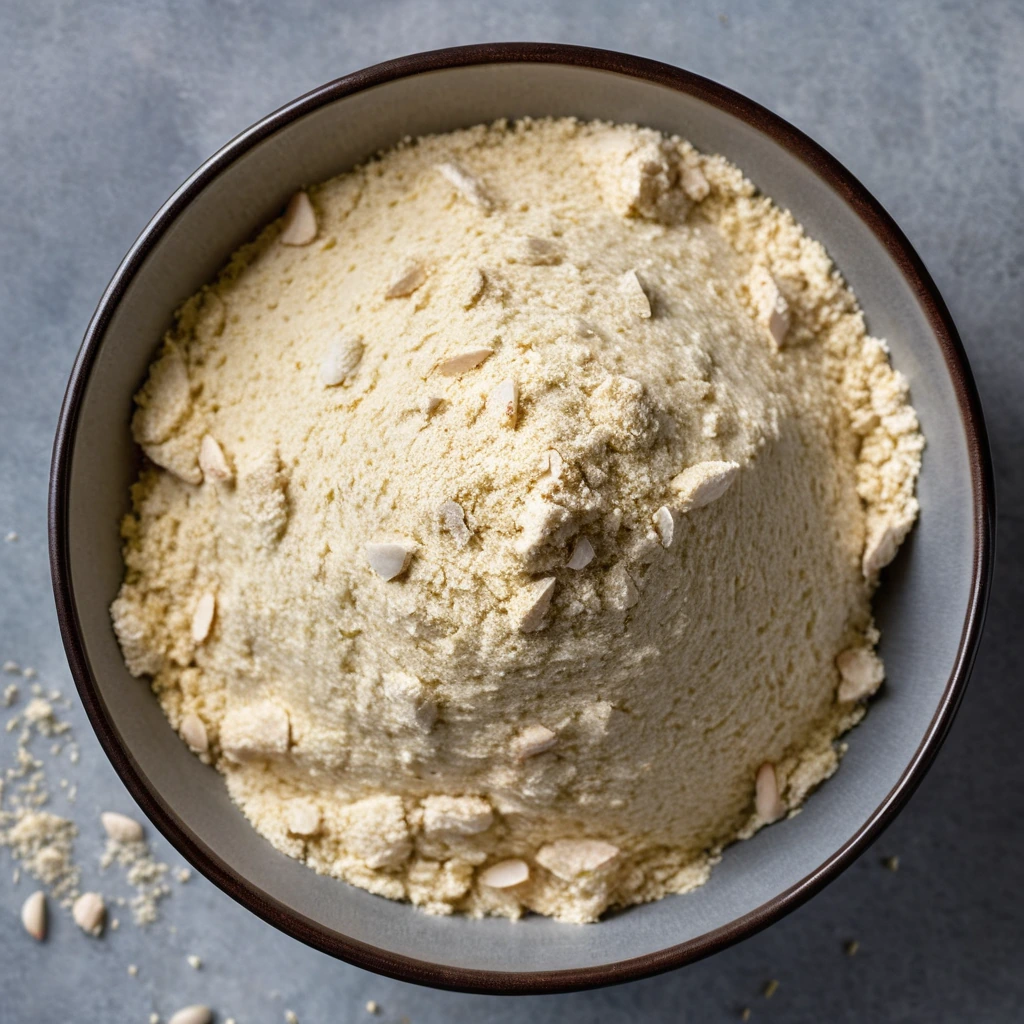
Almond Flour
A finely ground flour made from blanched almonds, offering a delicate nutty aroma and a tender crumb to your baked goods.
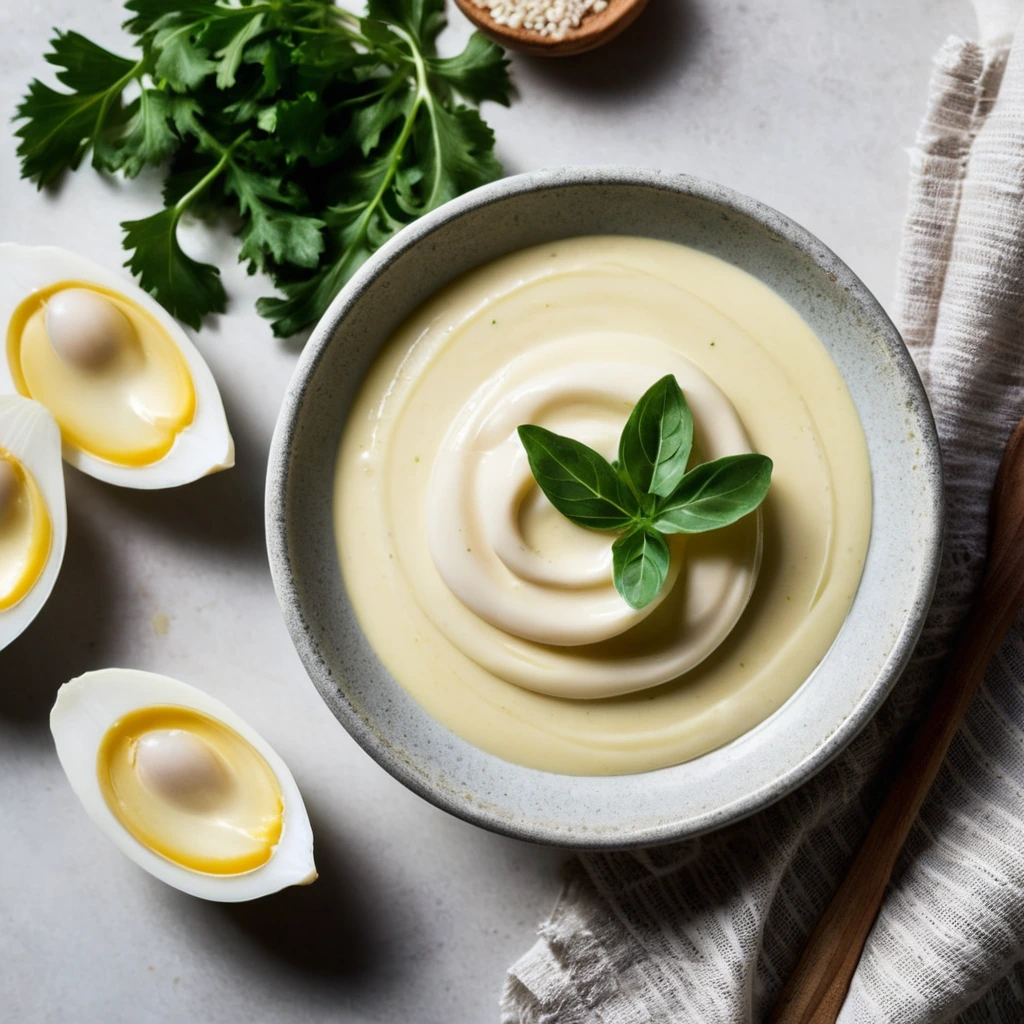
Aioli
A luscious, velvety emulsion of garlic and olive oil, aioli is a rich and aromatic sauce that dances on the palate with its creamy texture and bold, pungent flavor.
Recipes to try
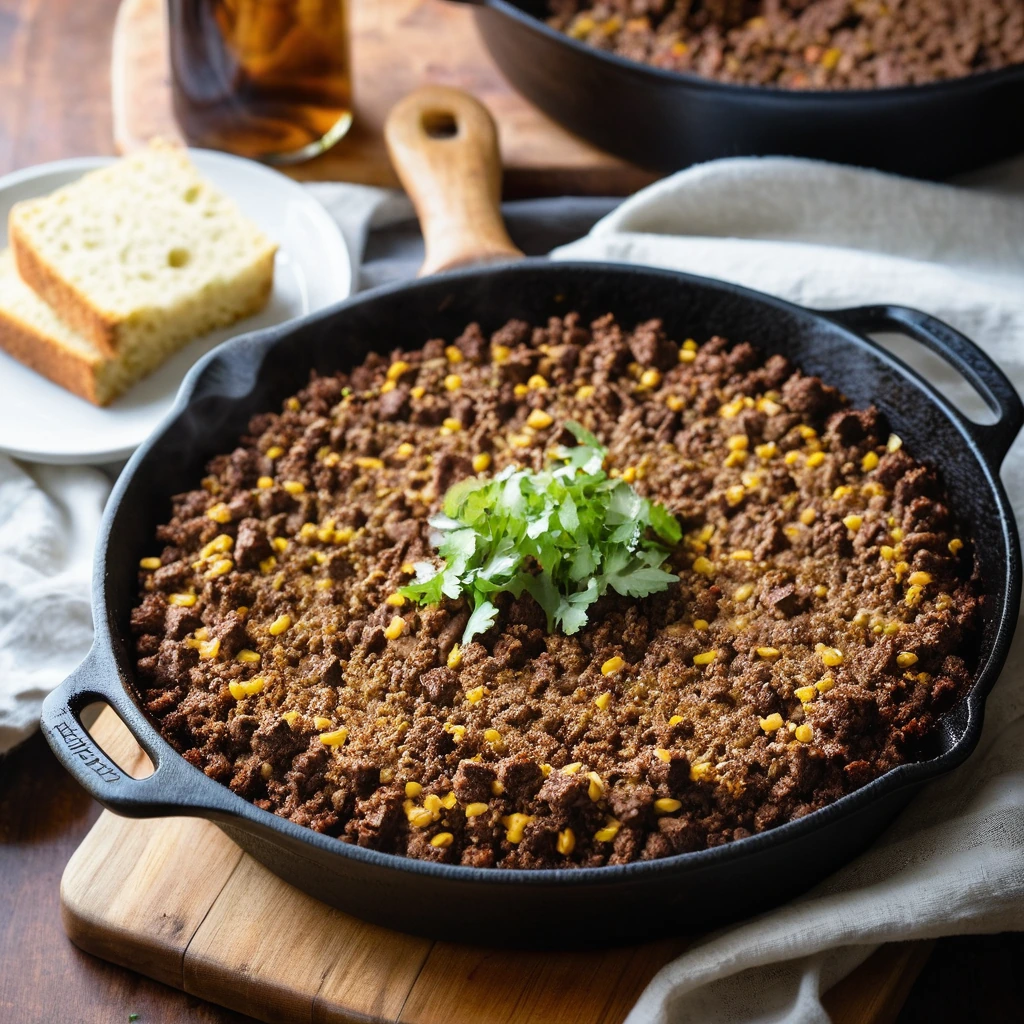
Smoky BBQ Ground Beef and Cornbread Skillet
Imagine the rich smokiness of BBQ sauce mingling with tender ground beef atop golden, crumbly cornbread in a skillet.
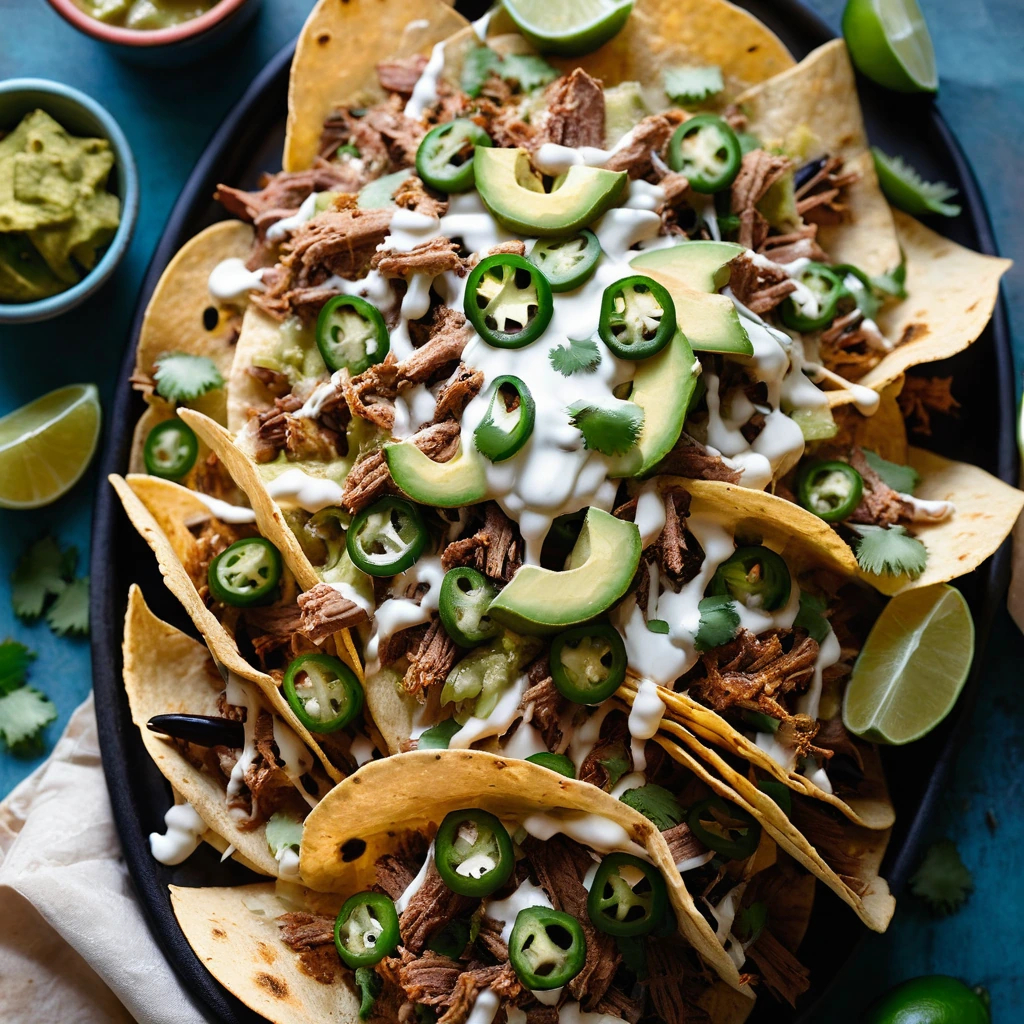
Pork Carnitas Nachos with Queso and Jalapeños
Crispy tortilla chips smothered in tender pork carnitas, melty queso, and zesty jalapeños for a fiesta in your mouth.