Desserts: Softening Ice Cream for Easy Scooping
Softening ice cream is an art that transforms your dessert experience from a frustrating struggle to a smooth, creamy delight. Whether you're serving up scoops at a summer barbecue or indulging in a pint after dinner, nobody wants to wrestle with a rock-solid tub of ice cream. The secret to perfect scoops lies in finding the sweet spot where ice cream is firm enough to hold its shape yet soft enough to scoop effortlessly. Achieving this balance requires understanding the science of freezing points and the behavior of fats and sugars in ice cream. It also involves knowing how to manage your time effectively, as over-softening can lead to a soupy mess. This technique covers the essentials of softening ice cream properly, ensuring that each scoop is a delightful, creamy experience. We'll explore various methods, from the quick microwave zap to the patient refrigerator approach, and discuss how to avoid common pitfalls that can ruin your dessert dreams.
Notes
The science behind softening ice cream lies in its composition of fats, sugars, and air. These ingredients lower the freezing point, meaning ice cream needs to be colder than 32°F to remain solid. Softening allows these components to return to a scoopable state without fully melting. A common mistake is microwaving for too long, which can turn ice cream into a slushy mess. To troubleshoot, always check the consistency early and often. For safety, avoid using metal scoops directly from hot water to prevent thermal shock. For storage, refreeze any leftover ice cream promptly to maintain its quality.
Steps
- 1 Take the ice cream out of the freezer.
- 2 Place it in the refrigerator for 10 to 15 minutes.
- 3 Check the consistency by gently pressing the ice cream with your finger.
- 4 If still too hard, return it to the fridge for another 5 minutes.
- 5 Alternatively, use a microwave-safe bowl and microwave in 5-second intervals.
- 6 Stir the ice cream after each interval to ensure even softening.
- 7 Stop microwaving once the ice cream is malleable but not melty.
- 8 For a quicker method, use an ice cream scoop dipped in warm water.
- 9 Wipe the scoop clean between each scoop to prevent sticking.
- 10 Serve immediately after softening for the best texture.
Ingredients to explore
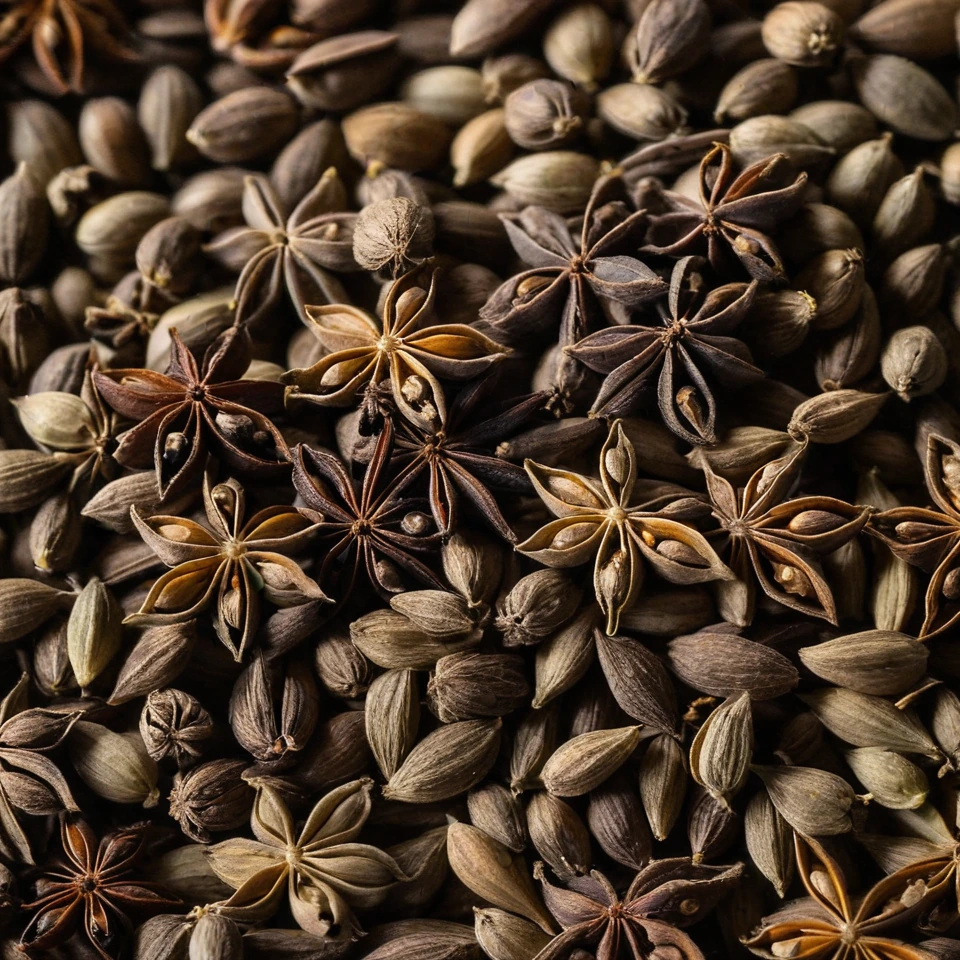
Anise Seeds
Anise seeds are small, oval seeds with a sweet, licorice-like flavor. They are commonly used in both sweet and savory dishes, offering a warm, aromatic taste.

Anchovy Fillets
Silvery and succulent, anchovy fillets are a briny treasure from the sea. Their rich, umami flavor adds depth to dishes, making them a beloved ingredient in kitchens worldwide.
Recipes to try
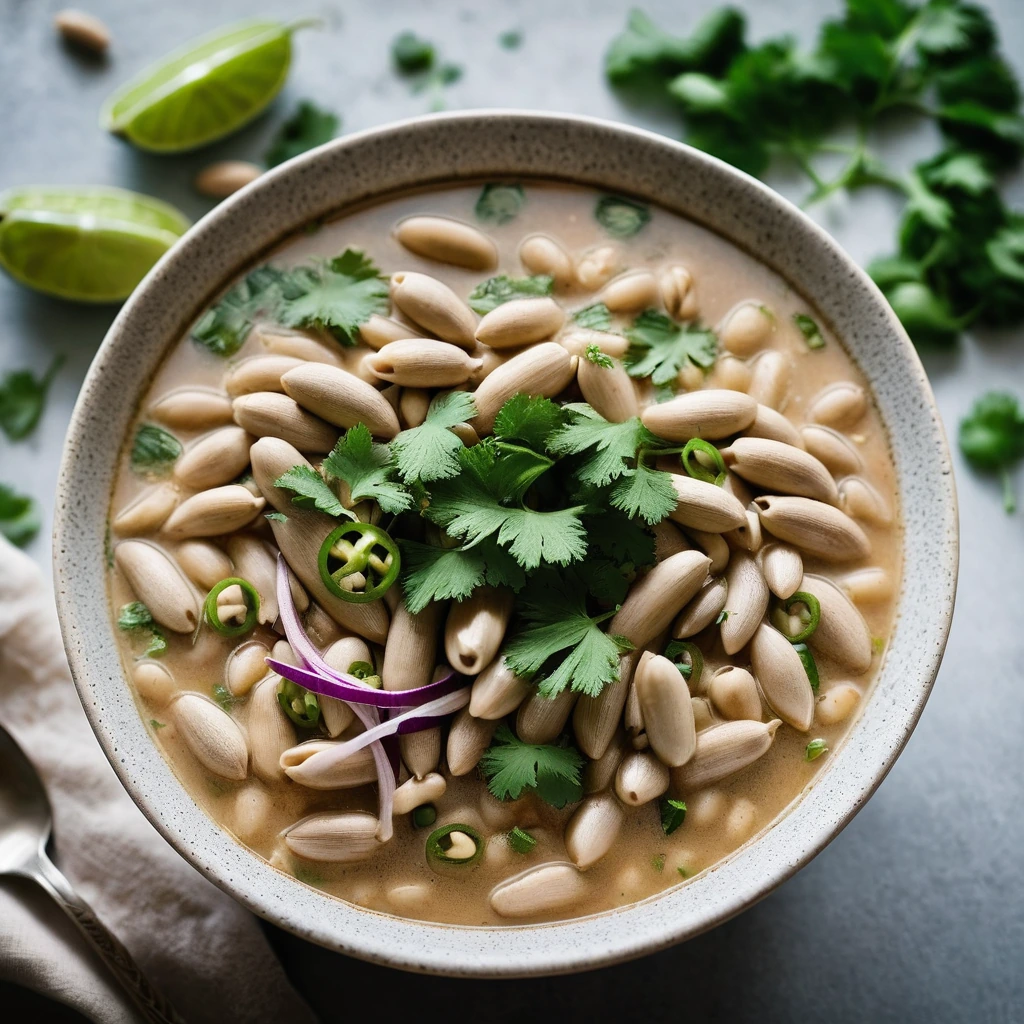
White Bean Chicken Chili with Green Chiles
A hearty, creamy chili brimming with tender chicken, buttery white beans, and a kick of smoky green chiles.

Spicy Peanut Chicken Noodle Bowls
Creamy peanut sauce clings to tender chicken and chewy noodles in a vibrant, fiery bowl that's comfort food on steroids.