Desserts: Folding Egg Whites into Batter
Folding egg whites into batter is a delicate yet crucial technique in dessert making, ensuring a light and airy texture in your finished product. Whether you're crafting a classic angel food cake or a silky mousse, mastering this method can elevate your baking game. The goal is to incorporate airy egg whites into a denser batter without deflating their volume, which provides structure and lift. Start by preparing your egg whites properly—beat them to stiff peaks, ensuring they hold their shape when the whisk is lifted. Meanwhile, your base batter should be ready and at room temperature to prevent shocking the egg whites. When folding, use a spatula and move with finesse, employing a gentle figure-eight motion or cutting through the mixture to maintain airiness. Achieving the right balance requires patience and attention to detail. Too vigorous and you risk deflating the egg whites; too timid and you may end up with unblended streaks of whites. The ideal result is a homogenous mixture that retains as much air as possible. Understanding the science behind this technique helps ensure success. Egg whites act as a natural leavening agent, expanding when heated and providing lift to the batter. The proteins in egg whites uncurl and bond when whipped, creating a stable foam. When folded into a batter, they gently expand during baking, resulting in a tender and lofty dessert. Troubleshooting common mistakes includes ensuring all utensils are grease-free (as grease can inhibit egg whites from forming stiff peaks), folding in two batches (adding half the whites first to lighten the batter), and checking for streaks of unmixed whites, which indicate incomplete incorporation. Safety is generally straightforward with this technique, but always ensure eggs are fresh to avoid any risk of foodborne illness. For make-ahead tips, fold the egg whites just before baking, though batters can often rest in the refrigerator for a short period before cooking, provided they are covered to prevent drying out.
Notes
This technique works because egg whites, when whipped, create a stable foam that traps air. This foam provides lift and structure when baked. Common mistakes include using a bowl or utensils with any trace of grease, which can prevent egg whites from reaching stiff peaks. Another mistake is overmixing the batter after folding, which can deflate the egg whites and result in a dense dessert. Always fold gently and quickly to maintain airiness. For safety, use pasteurized eggs if you're concerned about raw egg consumption. If preparing ahead, fold egg whites into the batter just before baking, though some batters can rest in the fridge for up to an hour if covered properly to prevent drying out.
Steps
- 1 Prepare your egg whites by beating them to stiff peaks in a clean, dry bowl.
- 2 Ensure your base batter is at room temperature to facilitate smooth incorporation.
- 3 Add a spoonful of the base batter to the egg whites to lighten them slightly.
- 4 Gently fold a portion of the egg whites into the base batter using a spatula.
- 5 Continue folding with a figure-eight motion, or cut through the mixture to blend.
- 6 Add the remaining egg whites and repeat the folding process until just combined.
- 7 Check for any streaks of egg white and gently fold them into the batter if necessary.
- 8 Avoid overmixing to preserve the air incorporated in the egg whites.
- 9 Transfer the batter to your prepared pan immediately to maintain volume.
Ingredients to explore
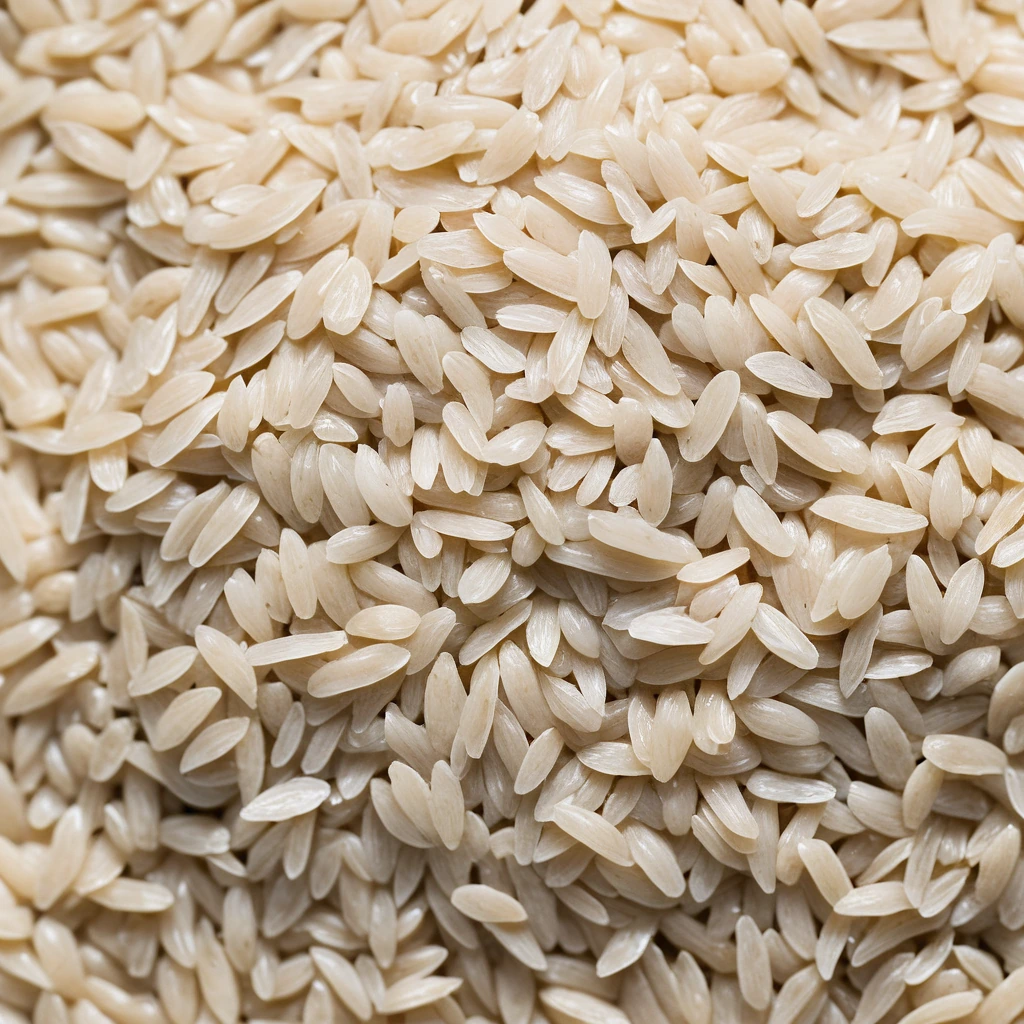
Arborio Rice
Arborio rice is a short-grain Italian rice variety renowned for its use in risotto. Originating from the Po Valley in Northern Italy, it is a staple in Italian cuisine. Its flavor is mild and nutty, with a pleasant creamy texture when cooked due to its high amylopectin content, which releases starch and creates a velvety consistency. The grains remain plump and firm to the bite, offering a satisfying chewiness. In cooking, Arborio rice excels at absorbing flavors from broths and seasonings while maintaining its shape, making it ideal for dishes that require both creaminess and structure.
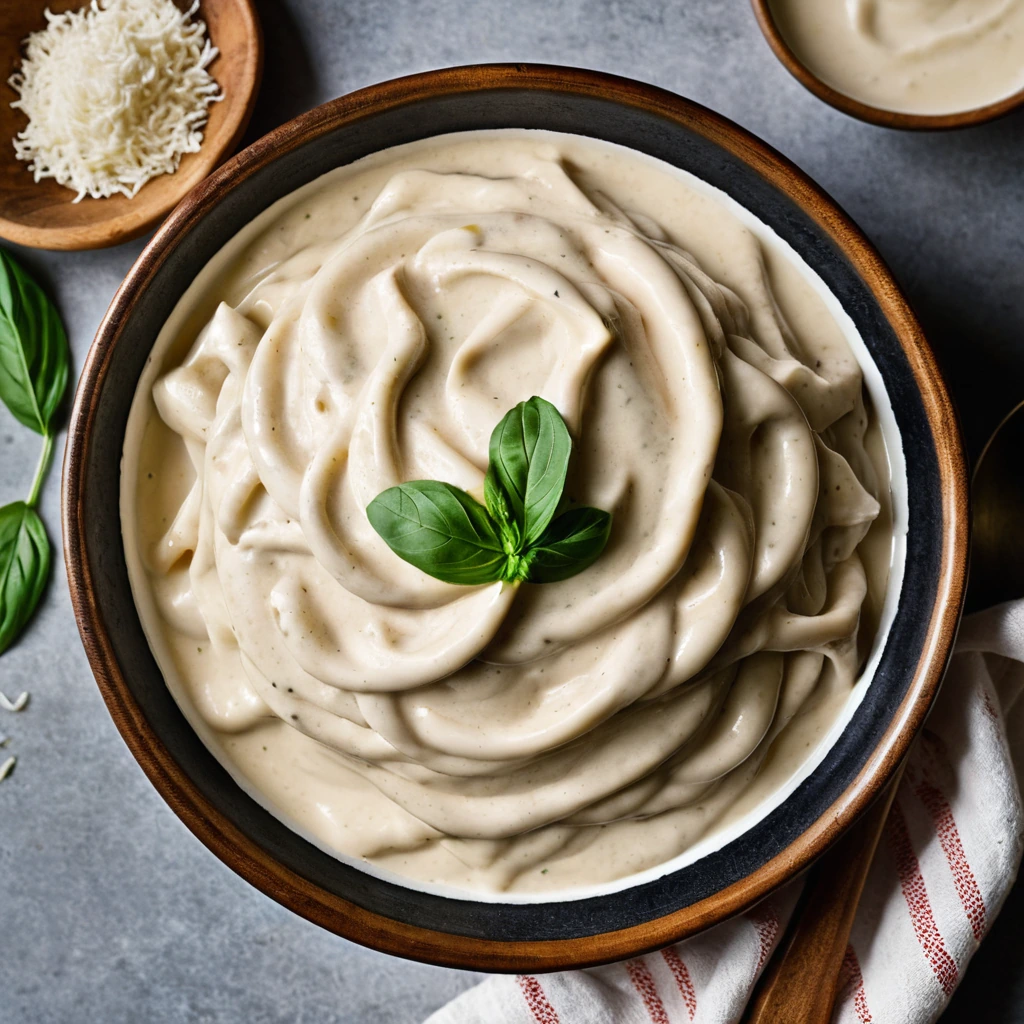
Alfredo Sauce
Creamy, rich, and utterly indulgent, Alfredo sauce is a dreamy blend of butter, heavy cream, and Parmesan cheese. Its velvety texture and savory depth make it a beloved staple in Italian-American cuisine.
Recipes to try
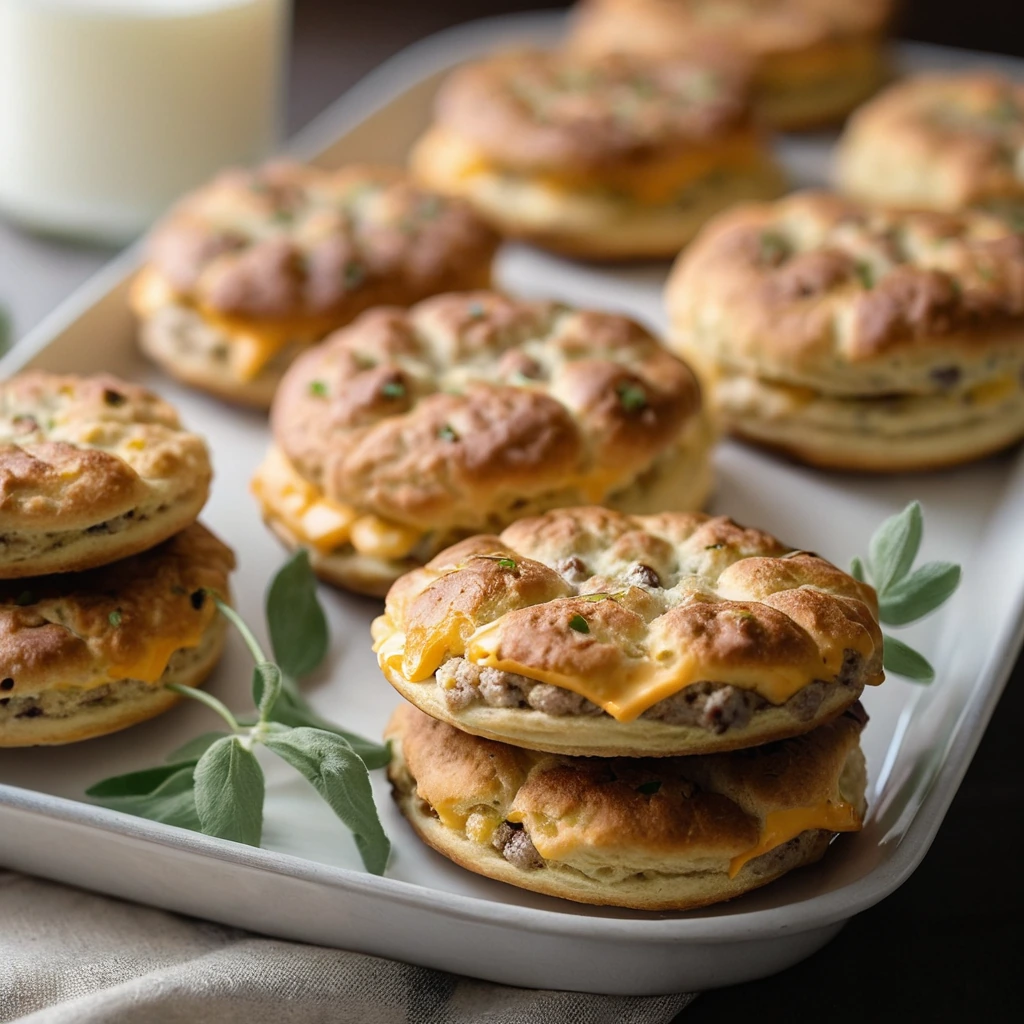
Maple Sausage and Cheddar Breakfast Biscuits
Golden, flaky biscuits stuffed with savory maple sausage and melted sharp cheddar—it's a hearty breakfast hug in every bite.
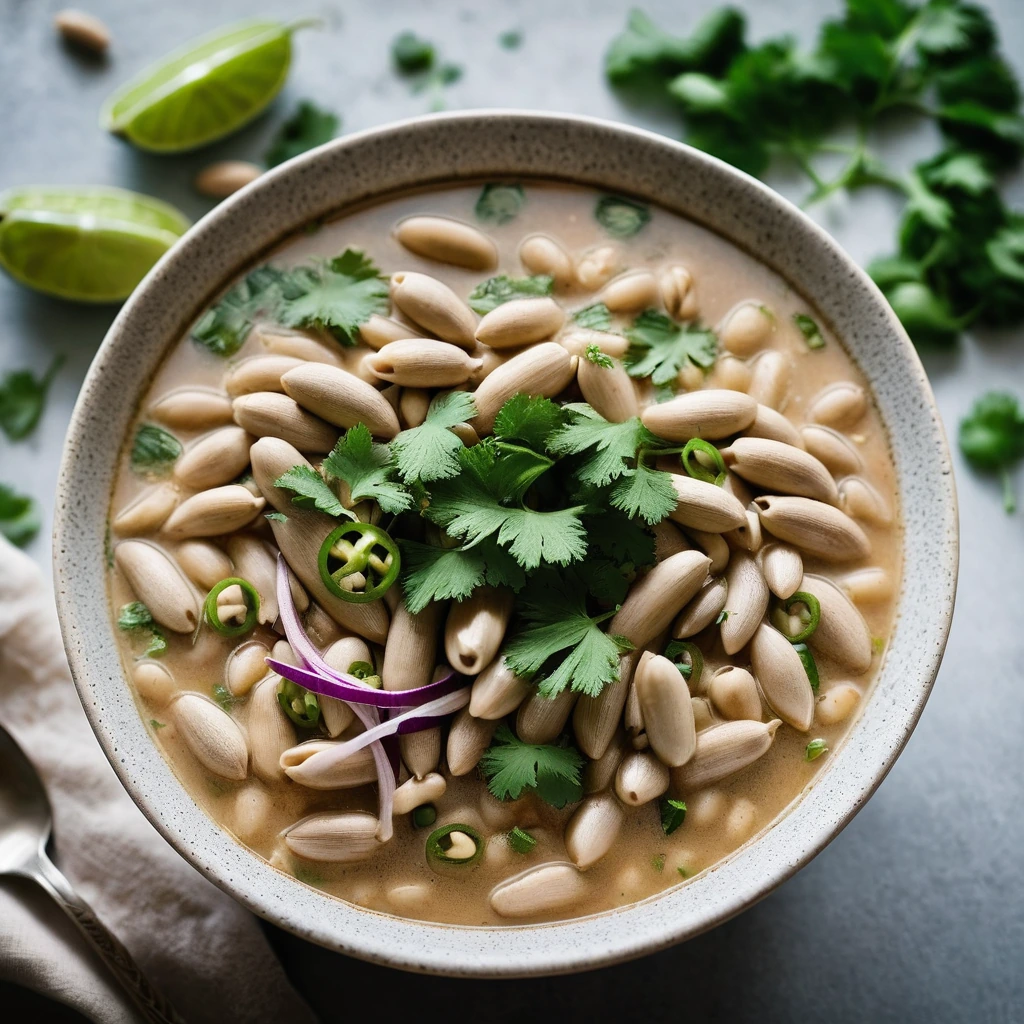
White Bean Chicken Chili with Green Chiles
A hearty, creamy chili brimming with tender chicken, buttery white beans, and a kick of smoky green chiles.