Desserts: Cooling Cheesecake Without Cracks
Achieving a smooth, crack-free cheesecake is a dream for many home bakers, but it's entirely attainable with the right cooling technique. The journey from oven to table is crucial, as improper cooling can lead to unsightly cracks marring your creamy masterpiece. Understanding the science and method behind cooling your cheesecake properly ensures that your dessert will not only taste divine but also look like it came straight from a professional bakery. When you pull your cheesecake out of the oven, it's still quite fragile. Sudden temperature changes can cause the surface to contract rapidly, leading to cracks. The ideal approach is gradual cooling, allowing the cake to set slowly and evenly. This method gives the proteins in the cream cheese time to relax and prevents them from seizing up and pulling apart. It also allows the structure to stabilize as it cools, reducing stress on the surface. First, let the cheesecake rest in the oven with the door ajar. This gentle transition helps equalize the temperature and prevents shocking the cake. After this, move it to a cooling rack at room temperature, where it can continue to set undisturbed. Finally, refrigerating it properly is essential for firming up the texture and ensuring the flavors meld beautifully. Patience is key—rushing the process can lead to disappointment. Follow these steps to ensure your cheesecake emerges from its cooling period unscathed and ready to impress your guests.
Notes
The science behind gradual cooling is straightforward: slow temperature changes prevent structural stress in the cheesecake. When proteins in the cream cheese cool too quickly, they contract unevenly, leading to cracks. By cooling slowly, you allow the proteins to relax and maintain their structure. A common mistake is removing the cheesecake directly from the oven to a cold environment, which can cause it to sink or crack. Always ensure your oven is turned off and the door is open to start the cooling process correctly. For storage, keep your cheesecake covered in the refrigerator for up to 5 days. To prevent condensation from forming under the plastic wrap, which can lead to a soggy crust, ensure the wrap doesn't touch the surface of the cheesecake directly.
Steps
- 1 Turn off the oven and prop the door open with a wooden spoon.
- 2 Leave the cheesecake in the warm oven for 1 hour.
- 3 After 1 hour, remove the cheesecake from the oven.
- 4 Place the cheesecake on a wire rack at room temperature.
- 5 Allow it to cool for 2 hours at room temperature.
- 6 Cover the cheesecake loosely with plastic wrap.
- 7 Refrigerate the cheesecake for at least 4 hours, ideally overnight.
- 8 Before serving, let the cheesecake sit at room temperature for 30 minutes.
Ingredients to explore

Anaheim Peppers
Anaheim peppers are a mild chili pepper variety named after Anaheim, California, where they were first cultivated commercially. Originating from the New Mexico region, these peppers are celebrated for their versatility and gentle heat. They possess a flavor that is mildly sweet with a subtle tang, and a pleasant vegetal note reminiscent of green bell peppers, but with a hint of spice. Their texture is firm and crisp when fresh, becoming tender and slightly smoky when roasted or cooked. In cooking, Anaheim peppers behave well across a range of techniques, from grilling and roasting to stuffing and sautéing, contributing a nuanced depth without overwhelming other ingredients with heat.
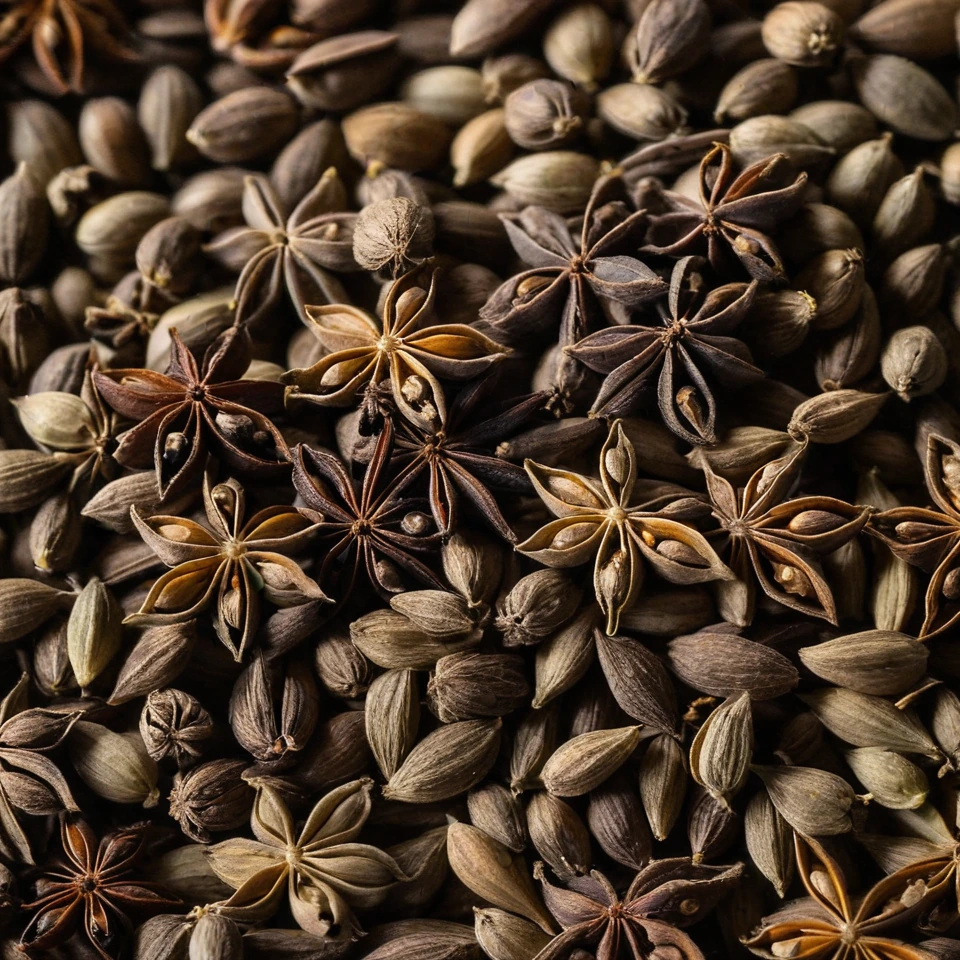
Anise Seeds
Anise seeds are small, oval seeds with a sweet, licorice-like flavor. They are commonly used in both sweet and savory dishes, offering a warm, aromatic taste.