Dessert Finishes: Using a Water Bath for Silky Custards
Creating silky custards is an art that requires precision and patience. A water bath, also known as a bain-marie, is a classic technique used by pastry chefs to achieve custards with a smooth, velvety texture. The gentle, even heat provided by a water bath ensures that the delicate proteins in the custard set without scrambling. This method is ideal for dishes like crème brûlée, flan, and pots de crème. Understanding how to properly use a water bath will elevate your custard-making skills to professional levels. First, it's crucial to assemble all your ingredients and equipment before you begin. This preparation ensures you can maintain consistent heat and avoid interruptions. The water bath acts as a buffer against direct heat, reducing the risk of curdling. Secondly, the right pan is essential. A roasting pan or baking dish that fits your custard cups snugly is ideal. The water should come halfway up the sides of the cups, providing a gentle, enveloping warmth. As you pour the custard mixture into the cups, do so carefully to prevent air bubbles, which can disrupt the smooth texture. Once the custards are in the oven, the water bath will work its magic, ensuring even cooking and a creamy finish. This technique is especially beneficial for custard recipes with varying densities, as it allows for uniform setting. Keep an eye on the water level during baking, adding more hot water if necessary to maintain consistent heat. Finally, the patience required for this technique is rewarded with custards that boast a luxurious mouthfeel and a flawless appearance. Whether you're a novice or an experienced home cook, mastering the water bath will transform your dessert game.
Notes
The science behind using a water bath lies in its ability to maintain a consistent temperature, preventing the custard from overcooking and curdling. The gentle heat allows the proteins to coagulate slowly, resulting in a silky texture. A common mistake is not preheating the water, which can lower the oven temperature and extend cooking time. Always ensure the water is hot when you start. Safety is important; be cautious when handling hot water and pans. For make-ahead convenience, custards can be stored in the refrigerator for up to 5 days, covered with plastic wrap pressed directly onto the surface to prevent a skin from forming.
Steps
- 1 Preheat oven to 325°F.
- 2 Prepare custard mixture according to your recipe.
- 3 Place custard cups in a roasting pan.
- 4 Carefully pour the mixture into each cup, leaving space at the top.
- 5 Fill the roasting pan with enough hot water to come halfway up the sides of the cups.
- 6 Bake in the preheated oven for 30-45 minutes, checking occasionally.
- 7 If water level drops, add more hot water to maintain consistency.
- 8 Custards are done when they are set around the edges but slightly jiggly in the center.
- 9 Remove cups from the water bath and let them cool on a wire rack.
- 10 Refrigerate custards for at least 2 hours before serving.
Ingredients to explore

Agave Nectar
A golden, velvety sweetener derived from the agave plant, offering a subtly sweet flavor with a smooth, syrup-like texture.

Andouille Sausage
Andouille sausage is a coarse-grained, smoked pork sausage with a rich history rooted in French cuisine, particularly from the Alsace region. It was adapted in Louisiana, where it became a staple in Cajun and Creole cooking. The sausage is known for its robust, smoky flavor with hints of garlic, pepper, and other spices, creating a spicy and savory profile. Its texture is firm yet slightly chewy, making it a hearty addition to dishes. When cooked, andouille sausage maintains its shape well and infuses dishes with its distinctive smoky essence, enhancing stews, soups, and rice dishes.
Recipes to try
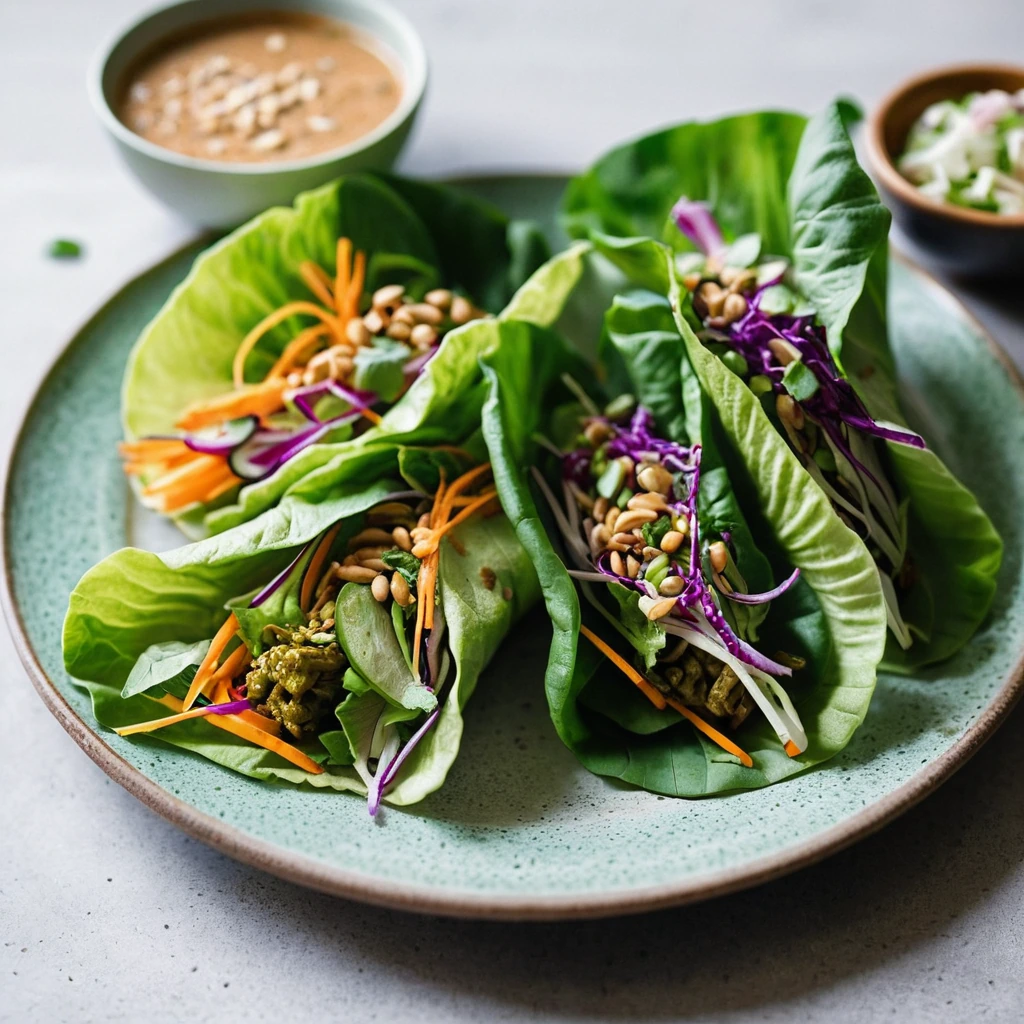
Thai Peanut Veggie Lettuce Wraps
Crispy, fresh veggies hugged by buttery lettuce leaves, drizzled with a creamy, tangy peanut sauce that'll make your taste buds do the tango.
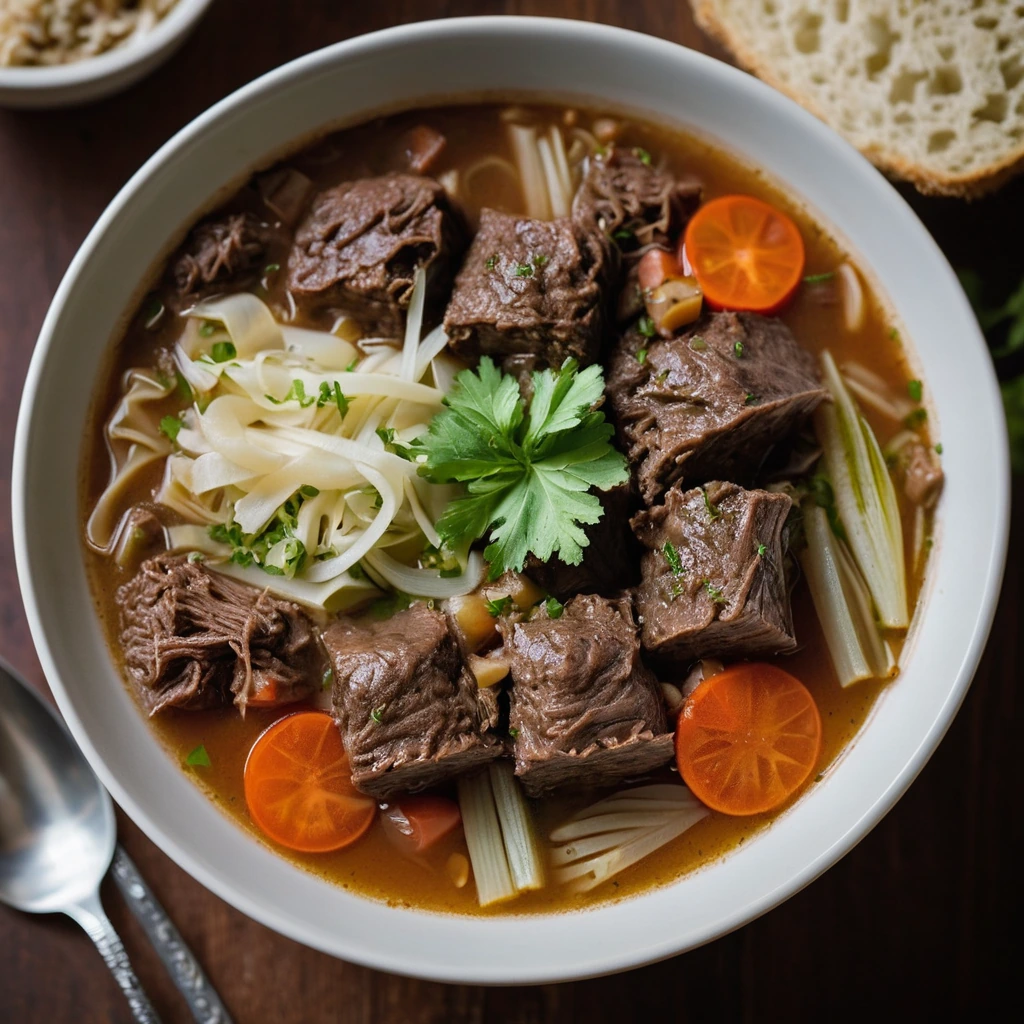
Stuffed Cabbage Roll Inspired Beef Soup
Warm up with this hearty soup that nods to classic stuffed cabbage rolls, brimming with tender beef and savory broth.