Dessert Finishes: Dusting Cakes with Powdered Sugar Cleanly
Dusting cakes with powdered sugar is a simple yet elegant way to finish a dessert. This technique not only adds a touch of sweetness but also enhances the visual appeal with a pristine, snowy finish. Achieving a clean dusting requires attention to detail and the right tools. The key is to ensure that the powdered sugar is evenly distributed without clumping or creating a gritty texture. Understanding the correct consistency of powdered sugar, the ideal tools for application, and the best timing for dusting can transform an ordinary cake into a professional-looking treat. First, sift the powdered sugar to remove any lumps and ensure a smooth texture. This step is crucial as it prevents unsightly clumps from spoiling the cake's appearance. A fine-mesh sieve or a specialized sugar shaker works best for this task. The technique is particularly effective when used on cooled cakes to avoid melting or dissolving the sugar. Additionally, consider the environment in which you dust; humidity can affect the sugar's behavior, so aim for a dry workspace. Mastering this technique will impress your guests and elevate your dessert presentation to new heights.
Notes
Dusting cakes with powdered sugar works because the fine particles adhere to the surface, creating a delicate, even layer. The science is simple: powdered sugar contains cornstarch, which helps prevent clumping and allows it to spread easily. To troubleshoot, always sift your sugar to ensure a smooth texture. Common mistakes include dusting too heavily or using unsifted sugar, leading to an uneven finish. Keep in mind that humidity can cause sugar to clump, so work quickly in a dry environment. For storage, dust the cake just before serving, as the sugar can absorb moisture over time. This technique is best executed fresh for optimal presentation.
Steps
- 1 Ensure your cake is completely cooled to room temperature.
- 2 Sift powdered sugar through a fine-mesh sieve to remove any lumps.
- 3 Hold the sieve about 6 to 8 inches above the cake.
- 4 Gently tap the side of the sieve with your fingers or use a sifter with a crank.
- 5 Rotate the cake or sieve to ensure even coverage.
- 6 Apply a light dusting first; you can always add more if needed.
- 7 Avoid shaking the sieve too hard to prevent clumps.
- 8 Dust the cake just before serving to maintain freshness and appearance.
- 9 Clean any excess sugar from the serving plate with a small brush or dry cloth.
Ingredients to explore
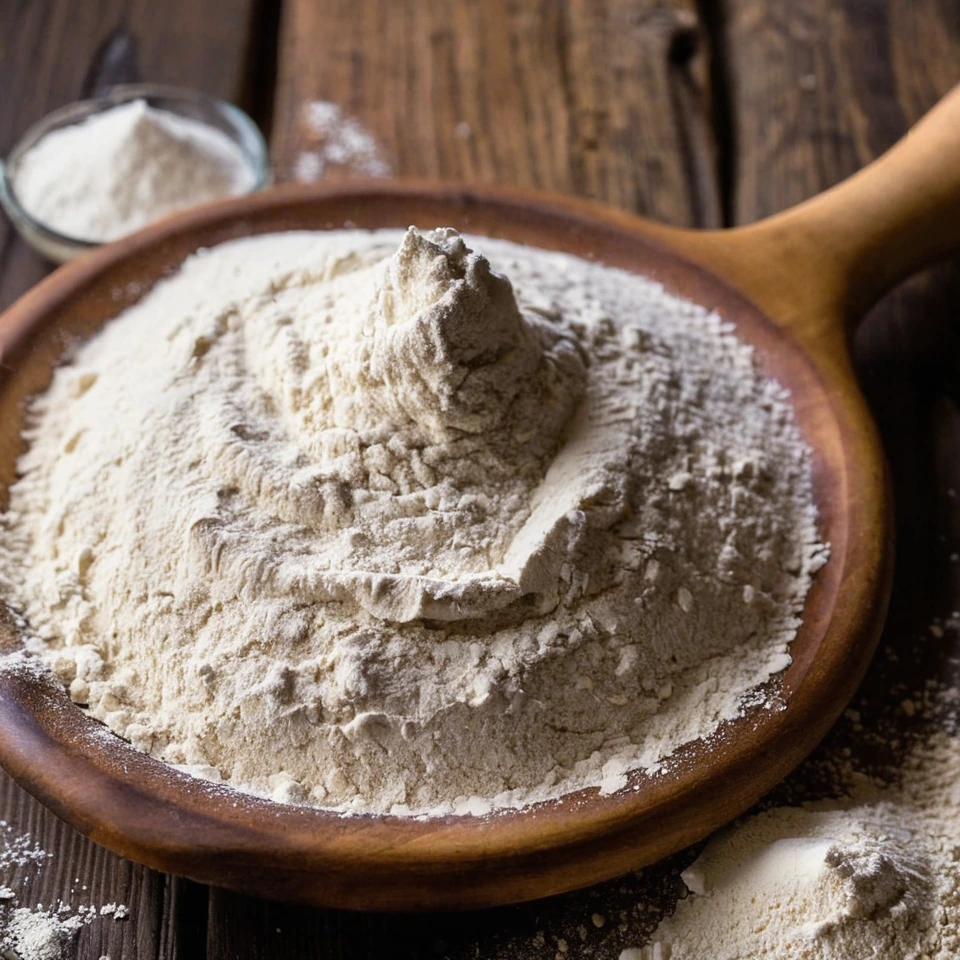
All-Purpose Flour
All-purpose flour is a versatile wheat flour that contains a moderate level of protein and gluten, making it suitable for a wide range of baking and cooking needs.
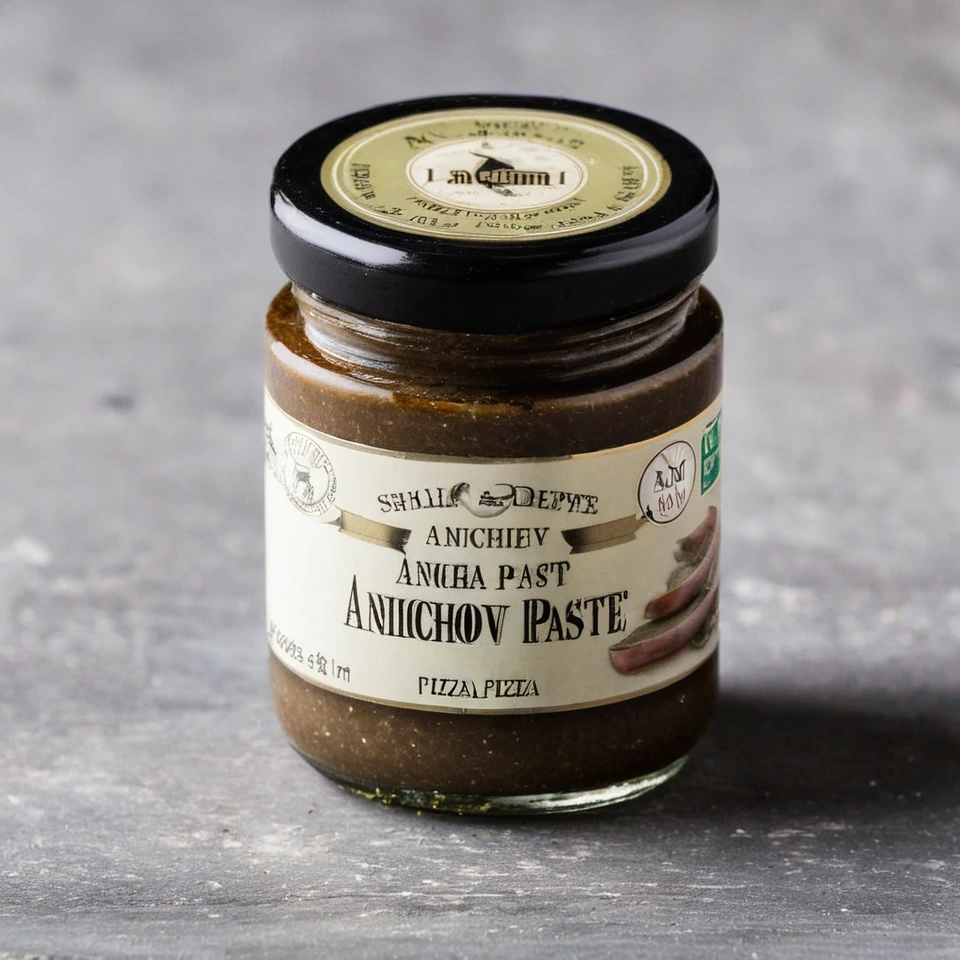
Anchovy Paste
Anchovy paste is a rich, salty spread made from finely ground anchovies, salt, and sometimes olive oil. It offers a deep umami flavor that enhances a variety of dishes.
Recipes to try
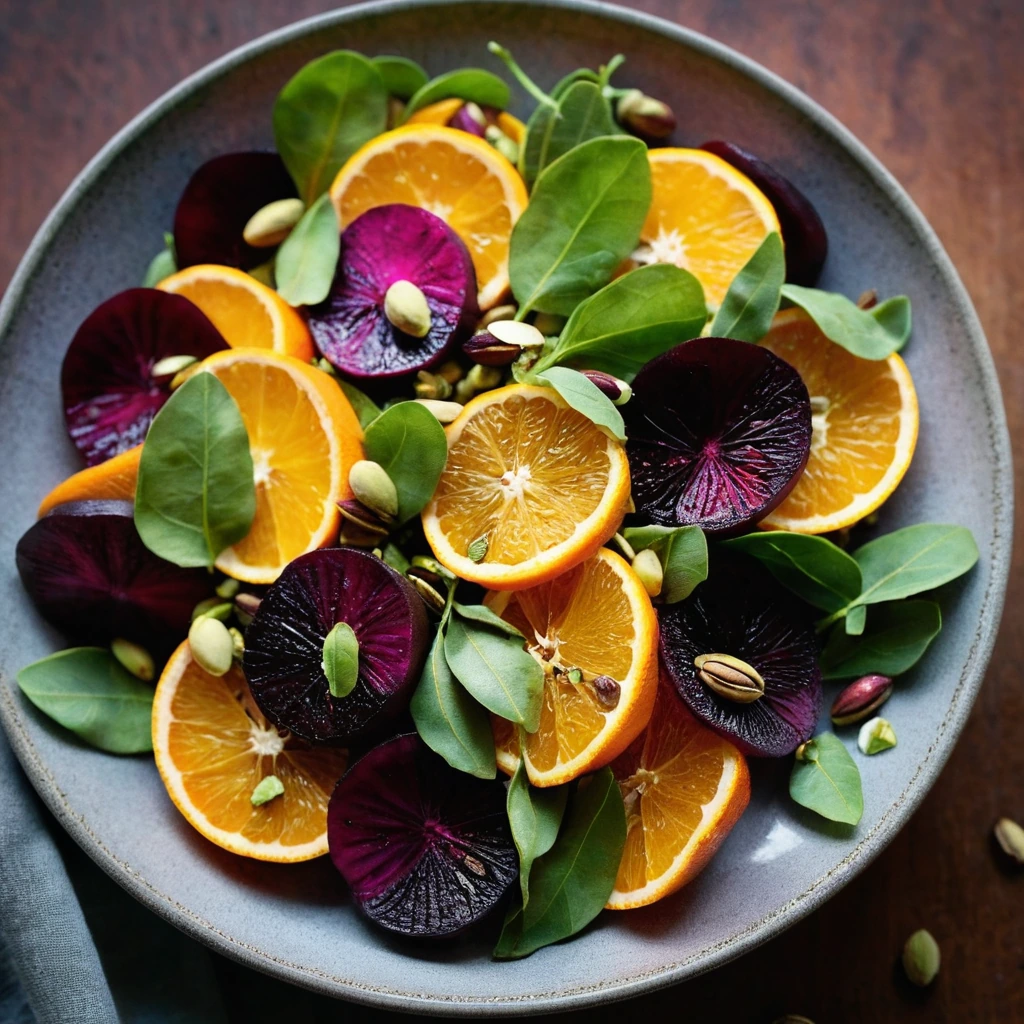
Roasted Beet, Orange, and Pistachio Salad
Warm roasted beets mingle with citrusy orange segments and crunchy pistachios for a vibrant, refreshing salad that sings with color and flavor.
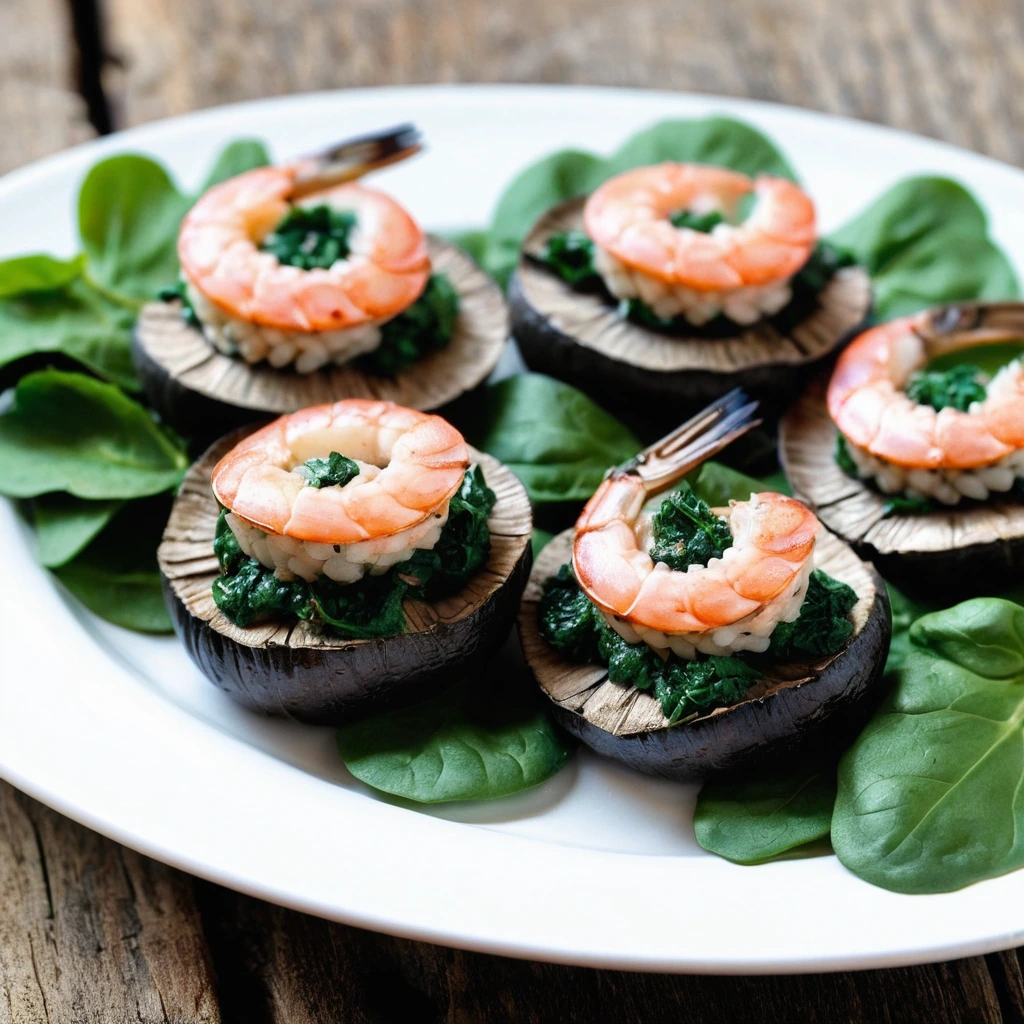
Shrimp and Spinach Stuffed Portobellos
Tender shrimp mingles with sautéed spinach in a savory filling, nestled inside roasted portobello mushrooms for a satisfying vegetarian-friendly main.