Dessert Finishes: Drizzling Glazes for Showcase Desserts
Drizzling glazes is an artful technique that can elevate your desserts from ordinary to extraordinary. Achieving a flawless drizzle requires understanding the glaze's consistency, temperature, and the angle at which you apply it. Whether you're creating delicate lines on a plated dessert or adding a glossy finish to a cake, mastering this technique will ensure your desserts look as good as they taste. First, let's talk about glaze consistency. You want a glaze that flows smoothly but not too quickly; think of honey at room temperature. If it's too thick, gently warm it in a microwave or over a double boiler, checking frequently to avoid overheating. Next, consider the temperature. Glazes should be warm enough to flow but not so hot that they melt delicate frostings or toppings. Achieving this balance is crucial. When it comes to the angle, a consistent 45-degree angle to your surface is ideal for controlled, elegant lines. Practice makes perfect, so don't be discouraged if your first attempts aren't flawless. As you drizzle, move your hand in a steady motion, allowing the glaze to fall freely without interruption. Experiment with different patterns – zigzags, spirals, or parallel lines – to find what suits your dessert best. Remember, the goal is not just to add flavor but to create visual interest. A well-executed drizzle can transform a simple dessert into a work of art. Finally, timing is key. Apply the glaze just before serving to maintain its shine and prevent it from setting or getting absorbed into the dessert. With patience and practice, you'll soon be drizzling like a pro, adding that final touch of elegance to your showcase desserts.
Notes
The science behind a successful drizzle lies in the glaze's viscosity and surface tension. Too thick, and it won't flow properly; too thin, and it'll spread uncontrollably. Troubleshooting common mistakes involves adjusting the glaze's temperature or consistency if your drizzle isn't behaving as expected. Safety is important; always test the glaze's temperature before drizzling to avoid burns. For make-ahead and storage, prepare your glaze in advance and store it in an airtight container. Warm it gently before use, but always apply fresh for the best results.
Steps
- 1 Prepare your glaze to the correct consistency, similar to honey at room temperature.
- 2 Gently warm the glaze if it's too thick, using a microwave in 10-second intervals or a double boiler.
- 3 Check the glaze temperature; it should be warm but not hot to the touch.
- 4 Hold the squeeze bottle or ladle at a 45-degree angle above your dessert.
- 5 Begin drizzling in a smooth, steady motion, starting from one edge of the dessert.
- 6 Experiment with patterns like zigzags, spirals, or parallel lines.
- 7 Adjust the distance from the dessert to control the thickness of the drizzle.
- 8 Move at a consistent pace to ensure even distribution and avoid pooling.
- 9 If needed, use a toothpick to guide the glaze for precise placement.
- 10 Apply the glaze just before serving to maintain its shine and appeal.
Ingredients to explore
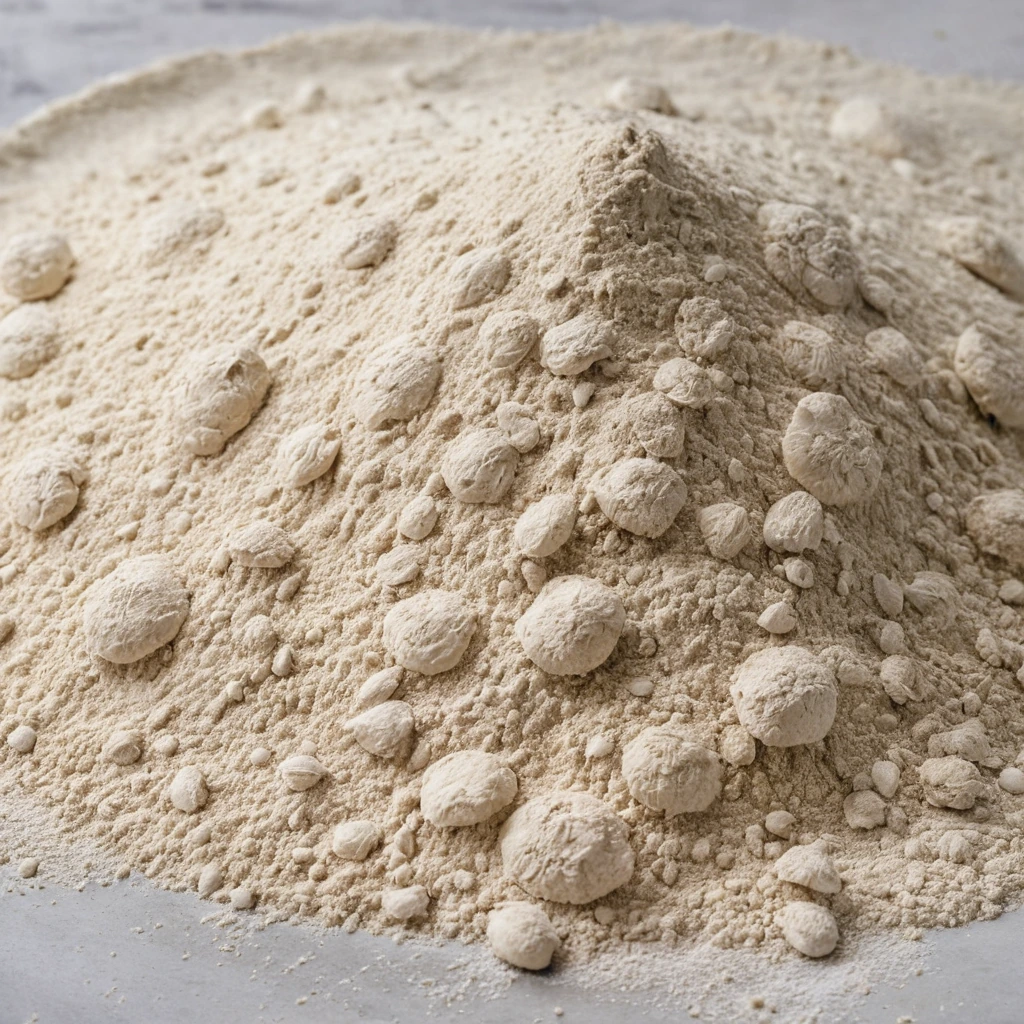
00 Pizza Flour
00 pizza flour is a finely milled Italian flour prized for its versatility in creating authentic Neapolitan-style pizza crusts. Originating from Italy, it is milled to a very fine consistency, which is reflected in its name, 'doppio zero,' indicating its fine grind. This flour has a balanced flavor profile, offering a mild, slightly sweet taste with a subtle nuttiness. Its texture is silky and smooth, contributing to a tender yet chewy crust when used in pizza making. In cooking, 00 pizza flour is known for its ability to hydrate quickly and develop a desirable gluten structure, resulting in a light and airy crust that can withstand high-heat cooking without becoming overly crispy or hard.
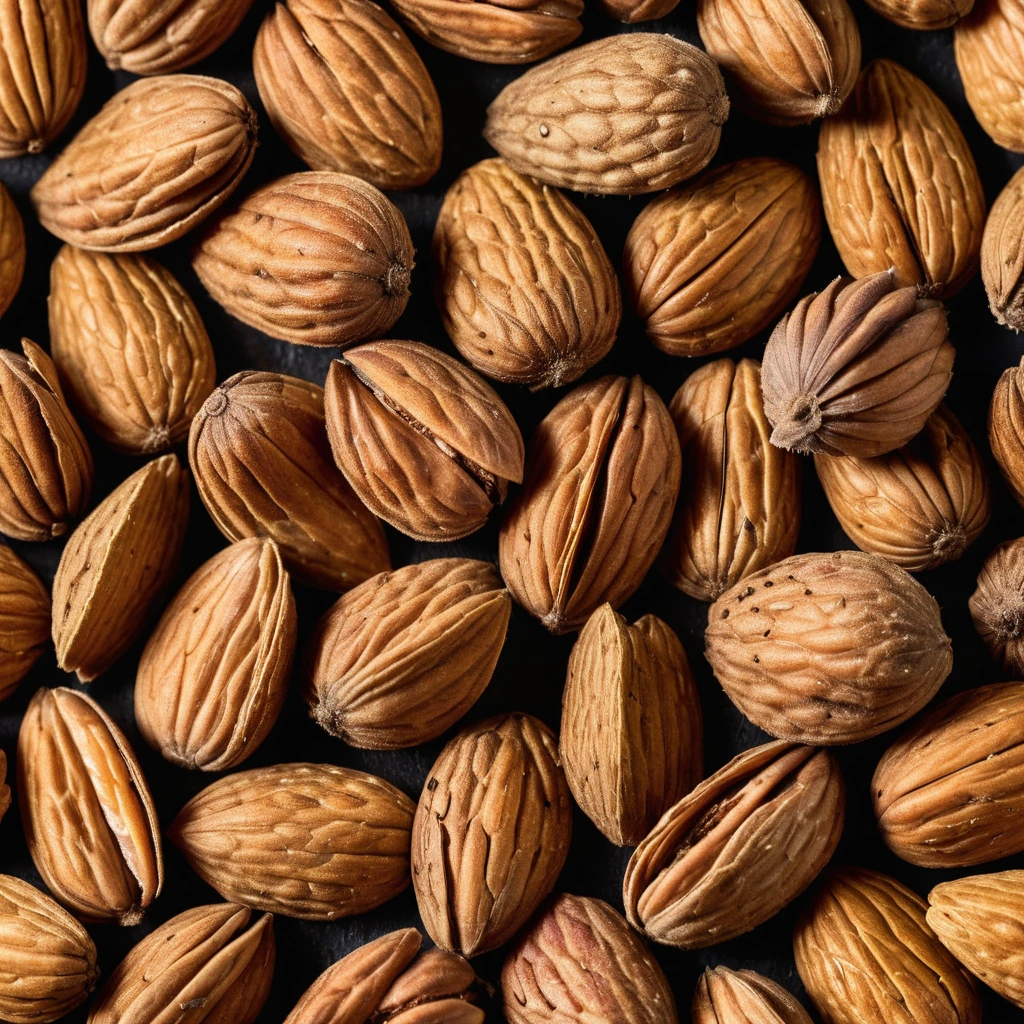
Almonds
With their golden-brown hue and delicate, edible skin, almonds are a crunchy delight. These versatile nuts boast a rich, buttery flavor that adds depth to both sweet and savory dishes.
Recipes to try
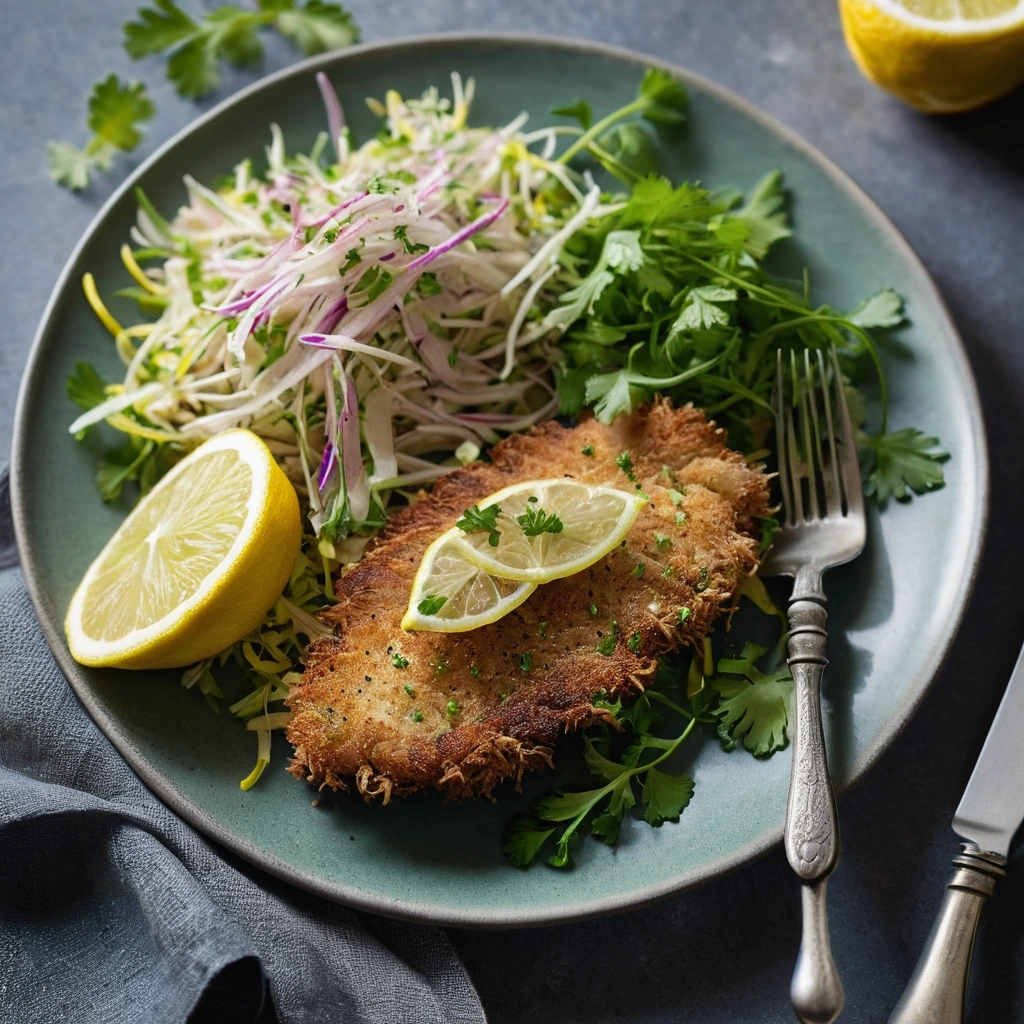
Pork Schnitzel with Lemon and Parsley Slaw
Golden, crispy pork schnitzel served with a refreshing, zesty lemon and parsley slaw that'll brighten your dinner table.
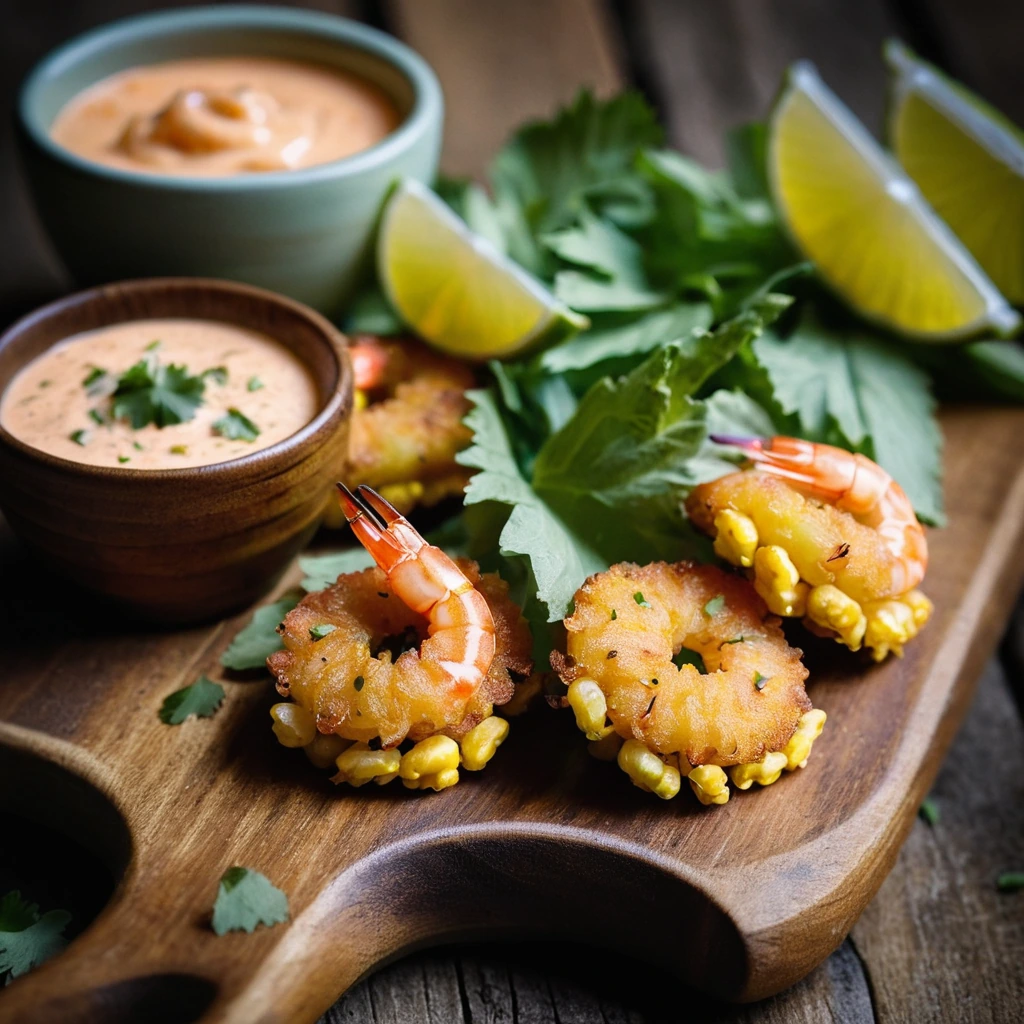
Shrimp and Corn Fritters with Chili Aioli
Crispy on the outside, tender on the inside, these golden fritters pack a punch with juicy shrimp and sweet corn, all topped with a zesty chili aioli.