Dairy: Tempering Chocolate for a Glossy Finish
Tempering chocolate is the process of carefully heating and cooling chocolate to stabilize its cocoa butter crystals, resulting in a shiny, smooth finish and a satisfying snap. When working with dairy, such as in making truffles or ganache, it’s essential to temper your chocolate properly to ensure it sets beautifully. This technique might seem daunting, but with a bit of patience and precision, you can achieve professional results in your home kitchen. The key is to control the temperature meticulously, ensuring the chocolate doesn’t seize or become dull. Let’s dive into the science and art of tempering chocolate, especially when dairy is involved, so you can create confections that look and taste divine.
Notes
Tempering works by manipulating cocoa butter crystals into a stable form, giving chocolate its desirable texture and appearance. A common mistake is overheating the chocolate, which can ruin the temper. Use a reliable thermometer to avoid this. If your chocolate seizes due to moisture, gently reheat it to salvage the batch, though it won’t be tempered. For safety, keep chocolate away from water or steam at all times. Tempered chocolate can be stored at room temperature for up to two weeks, provided it’s in an airtight container away from direct sunlight.
Steps
- 1 Chop chocolate into uniform pieces to ensure even melting.
- 2 Weigh out ¾ of the chocolate and set aside the remaining ¼ for seeding.
- 3 Melt the larger portion gently in a heatproof bowl over a pot of simmering water, ensuring the bowl doesn’t touch the water.
- 4 Heat the chocolate to 110°F to 115°F for dark chocolate, 105°F to 110°F for milk or white chocolate.
- 5 Remove the bowl from heat and add the reserved chocolate, stirring constantly until fully melted.
- 6 Continue stirring until the temperature drops to 82°F for dark chocolate, 80°F for milk or white chocolate.
- 7 Reheat the chocolate gently to 88°F to 90°F for dark chocolate, 86°F to 88°F for milk or white chocolate.
- 8 Test the temper by spreading a thin layer on parchment paper; if it sets glossy and firm, you’ve succeeded.
- 9 Proceed with your recipe, incorporating dairy elements like cream or butter after the chocolate is tempered.
Ingredients to explore
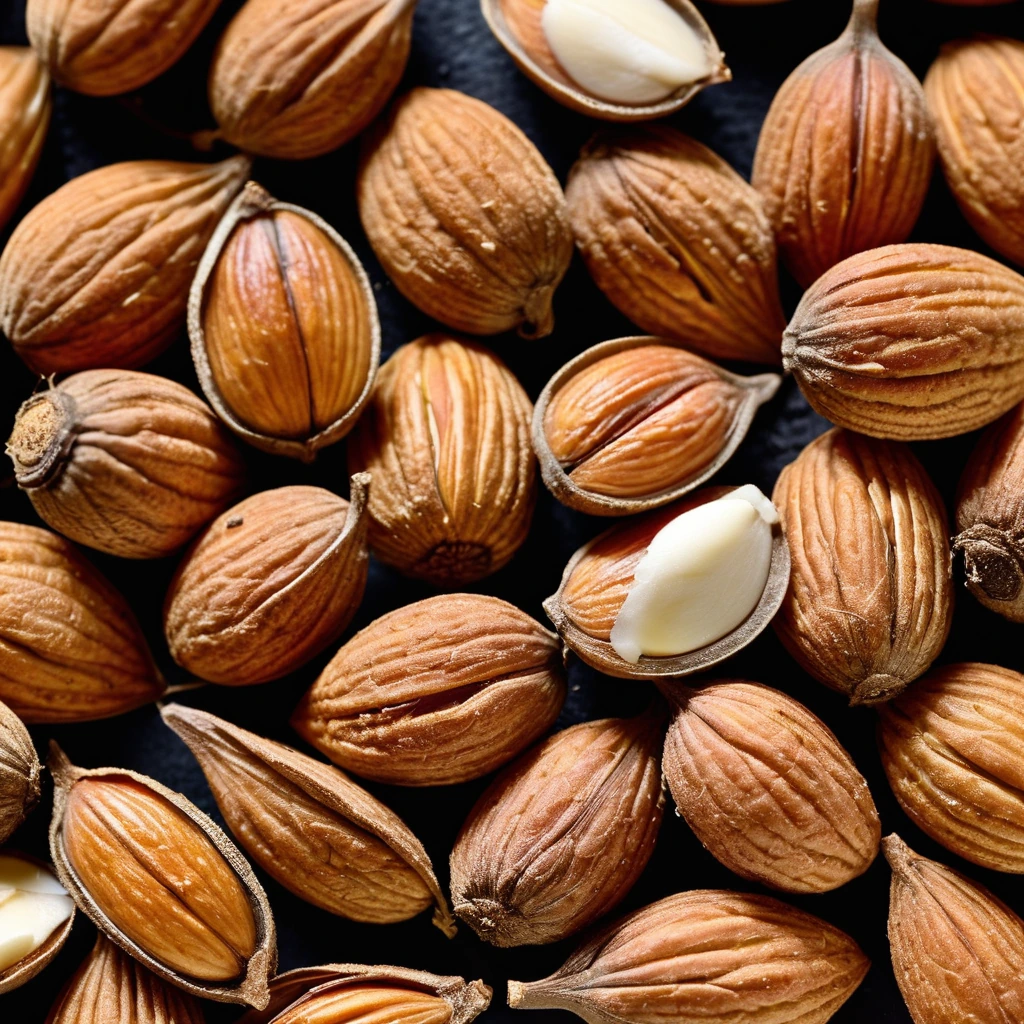
Almond Extract
A fragrant, golden elixir that captures the essence of freshly ground almonds, almond extract is a pantry staple that brings a rich, nutty aroma to your culinary creations.
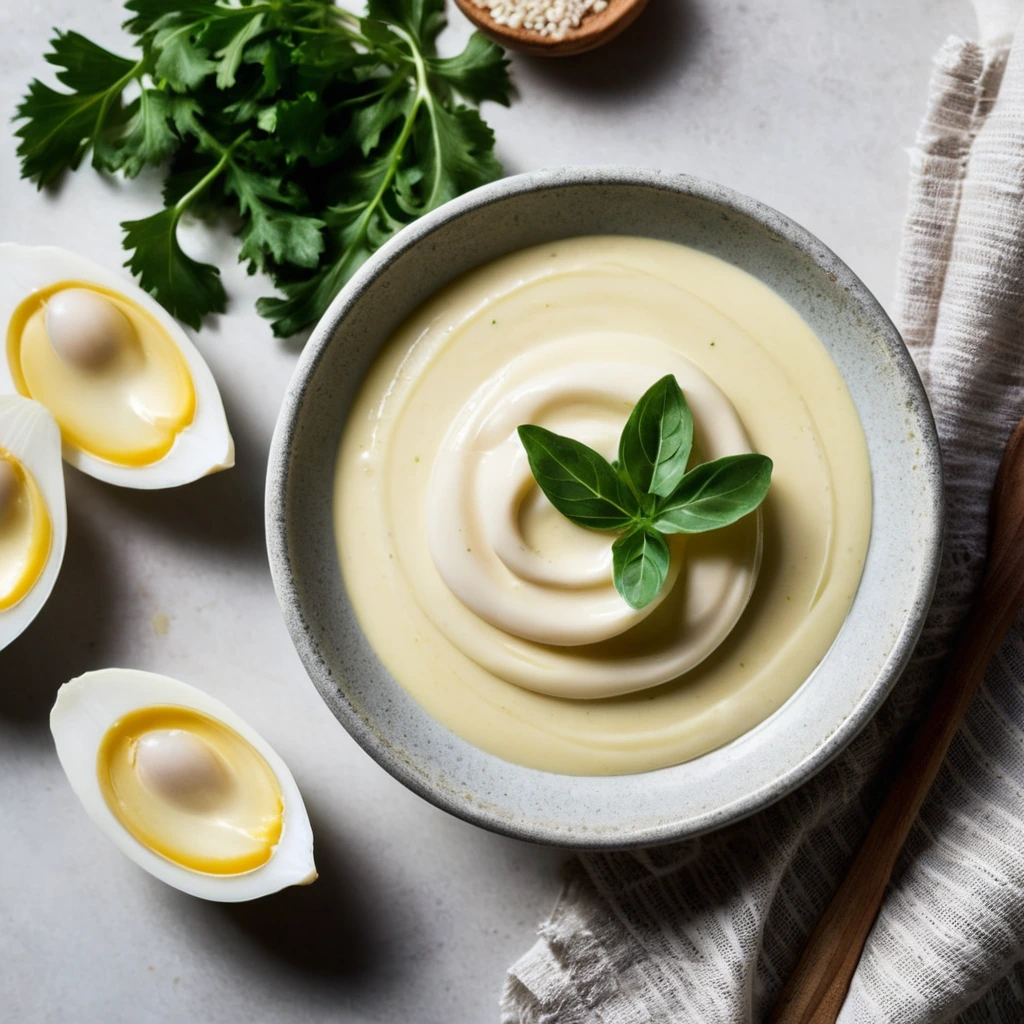
Aioli
A luscious, velvety emulsion of garlic and olive oil, aioli is a rich and aromatic sauce that dances on the palate with its creamy texture and bold, pungent flavor.
Recipes to try

Sweet and Sour Pork with Pineapple and Peppers
Tangy, sweet, and a touch sour, this pork dish is a carnival of flavors with juicy pineapple chunks and crisp bell peppers.

Shrimp and Corn Fritters with Chili Aioli
Crispy on the outside, tender on the inside, these golden fritters pack a punch with juicy shrimp and sweet corn, all topped with a zesty chili aioli.