Dairy: Melting Cheese Without Breaking
Melting cheese without breaking it down into a greasy, separated mess is an art that can elevate your dishes from ordinary to extraordinary. Whether you're crafting the perfect grilled cheese or topping off a decadent macaroni and cheese, understanding how to melt cheese properly is key. Cheese is an emulsion of fat and protein, and when heated, it can easily lose its structure, leading to a less-than-desirable outcome. The secret lies in controlling the heat and understanding the role of different cheese types. Hard cheeses like cheddar have lower moisture content and melt differently compared to softer cheeses like brie. In this technique, we'll explore how to harness gentle heat and proper stirring to keep your cheese smooth and creamy. We'll also discuss how acidity and certain additives can stabilize the melt, preventing that dreaded separation. Armed with patience and a watchful eye, you can achieve a velvety, luscious melt that will have your taste buds singing praises.
Notes
The science behind melting cheese lies in its structure: fat globules suspended in a protein matrix. When heated too quickly, the proteins can tighten and squeeze out fat, leading to separation. By using low heat and stirring gently, you encourage the proteins to unwind slowly, maintaining the emulsion. Adding a small amount of acid helps cut the surface tension of the fat, while a thickening agent like cornstarch can stabilize the mixture. Common mistakes include using high heat or stirring too vigorously, both of which can cause the cheese to break. For make-ahead purposes, melted cheese can be stored in an airtight container in the fridge for up to 3 days, though reheating can be tricky and may lead to separation. Always reheat gently and stir constantly.
Steps
- 1 Grate your cheese into uniform pieces to ensure even melting.
- 2 Choose a heavy-bottomed saucepan to distribute heat evenly.
- 3 Add a small amount of unsalted butter to the pan and melt it over low heat.
- 4 Add one-third of the cheese to the pan and let it sit undisturbed for 30 seconds.
- 5 Gently stir the cheese with a spatula until melted.
- 6 Add another third of the cheese, wait 30 seconds, and stir gently again.
- 7 Repeat with the remaining cheese, being patient and avoiding high heat.
- 8 If the recipe calls for it, add a small amount of an acid like lemon juice or vinegar to stabilize the emulsion.
- 9 Optionally, stir in a teaspoon of cornstarch mixed with water to thicken and stabilize the melt.
- 10 Remove the pan from heat just before the cheese is fully melted; residual heat will finish the job.
- 11 Keep stirring off the heat until the cheese is completely smooth and creamy.
- 12 Taste and adjust seasoning with salt if necessary.
- 13 Use immediately for best texture and flavor.
Ingredients to explore
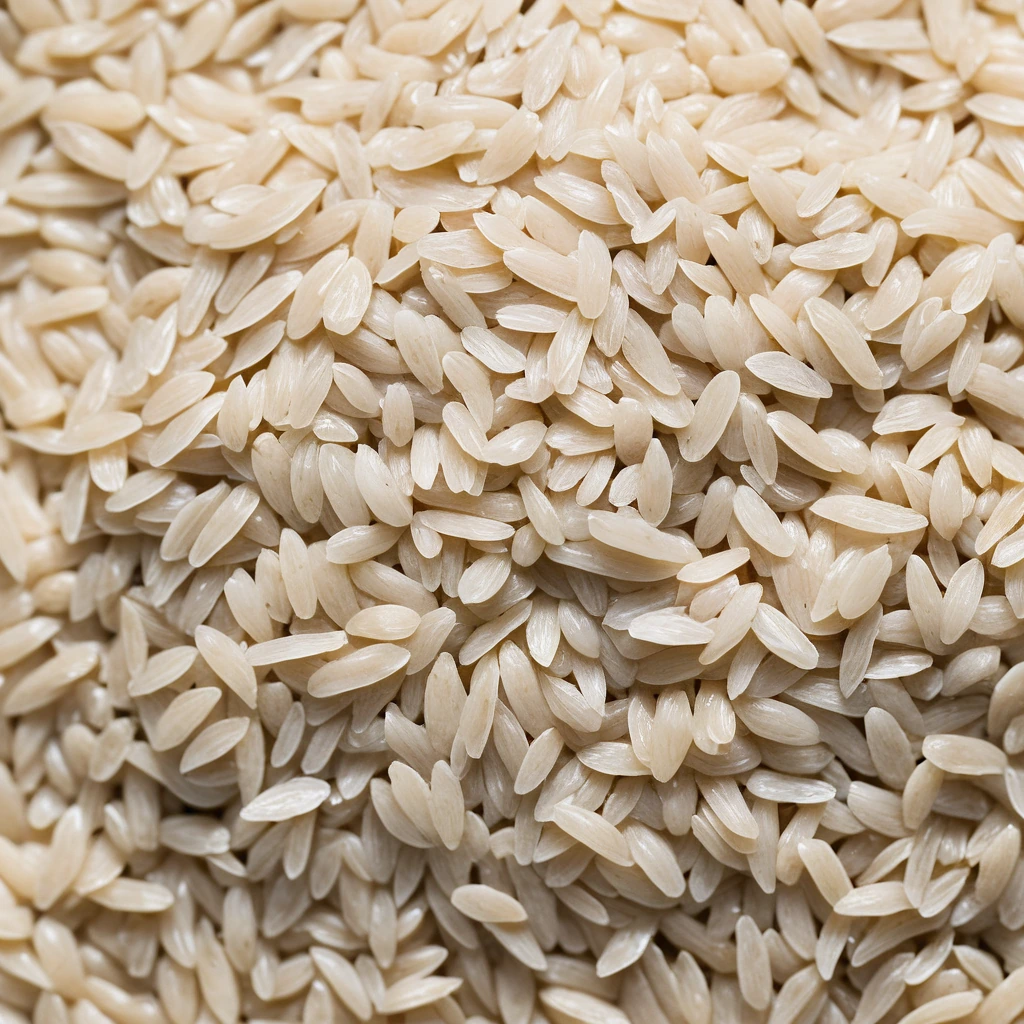
Arborio Rice
Arborio rice is a short-grain Italian rice variety renowned for its use in risotto. Originating from the Po Valley in Northern Italy, it is a staple in Italian cuisine. Its flavor is mild and nutty, with a pleasant creamy texture when cooked due to its high amylopectin content, which releases starch and creates a velvety consistency. The grains remain plump and firm to the bite, offering a satisfying chewiness. In cooking, Arborio rice excels at absorbing flavors from broths and seasonings while maintaining its shape, making it ideal for dishes that require both creaminess and structure.
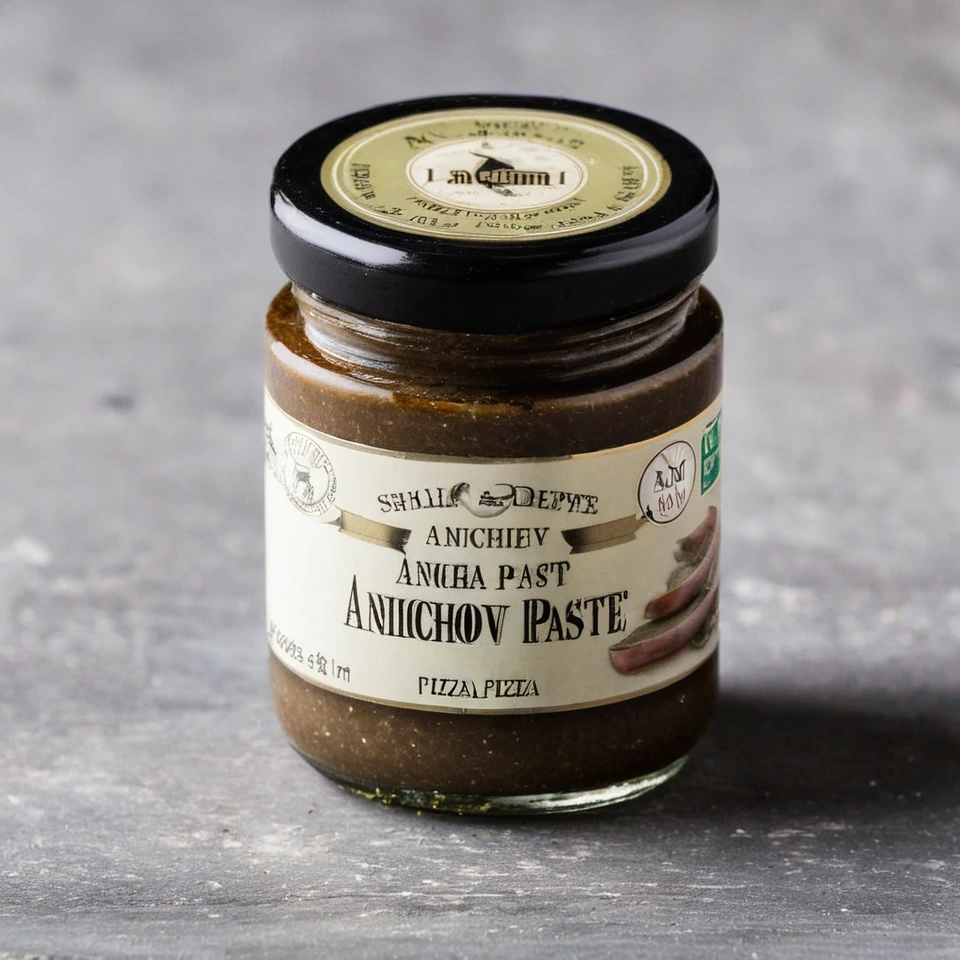
Anchovy Paste
Anchovy paste is a rich, salty spread made from finely ground anchovies, salt, and sometimes olive oil. It offers a deep umami flavor that enhances a variety of dishes.
Recipes to try

Roasted Vegetable and Goat Cheese Grain Bowls
Warm, roasted veggies mingle with creamy goat cheese over a bed of nutty grains for a comforting yet vibrant meal.

Roasted Cauliflower Tikka with Basmati Rice
Golden roasted cauliflower bites with a smoky, spicy kick served alongside fragrant basmati rice.