Condiments: Making a Simple Aioli at Home
Aioli, the garlicky, creamy sauce hailing from the Mediterranean, is a versatile condiment that can elevate any dish. Traditionally made with olive oil, garlic, egg yolk, and lemon juice, aioli is an emulsion that brings a burst of flavor to everything from roasted vegetables to grilled meats. The key to a successful aioli lies in its emulsification—a process where oil and water-based ingredients are combined to create a smooth, stable sauce. While store-bought versions are convenient, homemade aioli offers a depth of flavor and customization that’s hard to beat. Plus, making it at home is easier than you might think! This guide will walk you through the essentials of creating a simple aioli, breaking down the technique into manageable steps. Whether you're a seasoned cook or a curious home chef, mastering aioli is a rewarding skill that will impress your family and friends. Let’s dive into the art of making aioli, exploring the science behind the emulsion, and learning how to troubleshoot common issues for a sauce that’s always smooth and delicious.
Notes
The science behind aioli lies in the emulsification process, where egg yolk acts as an emulsifier to bind oil and water-based ingredients. The lecithin in the yolk helps stabilize the mixture. Common mistakes include adding oil too quickly, which can cause the sauce to break—if this happens, start again with a fresh yolk and slowly whisk in the broken mixture. For safety, use pasteurized eggs if concerned about raw egg consumption. Aioli can be made ahead and stored in the refrigerator for up to 5 days. Keep it covered to prevent absorbing other flavors.
Steps
- 1 Gather 1 large egg yolk, 2 cloves garlic (minced), 1 teaspoon lemon juice, 1 cup neutral oil (like canola), and salt to taste.
- 2 Place the egg yolk in a medium bowl and whisk until it’s pale and slightly thickened.
- 3 Add the minced garlic and lemon juice to the yolk, whisking to combine.
- 4 Slowly drizzle in the oil, a few drops at a time, while whisking constantly to start the emulsion.
- 5 Once the mixture begins to thicken, you can add the oil in a thin, steady stream, whisking vigorously.
- 6 Continue whisking until all the oil is incorporated and the aioli is thick and creamy.
- 7 Season with salt to taste and adjust the lemon juice if needed for brightness.
- 8 Transfer the aioli to a clean jar or container for serving or storage.
- 9 Optional: For a smoother texture, blend the aioli with an immersion blender for a few seconds.
Ingredients to explore
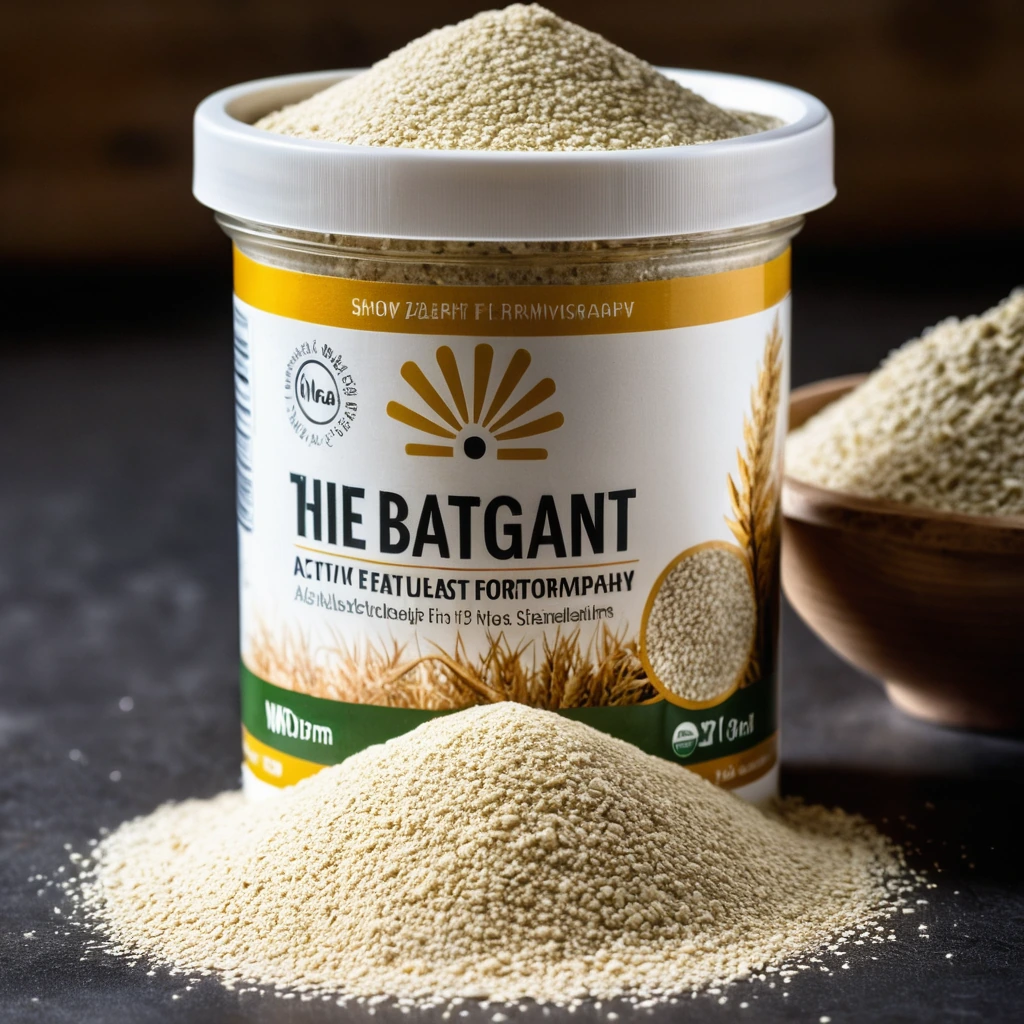
Active Dry Yeast
A fine, granulated leavening agent that brings baked goods to life with its gentle fermentation magic.
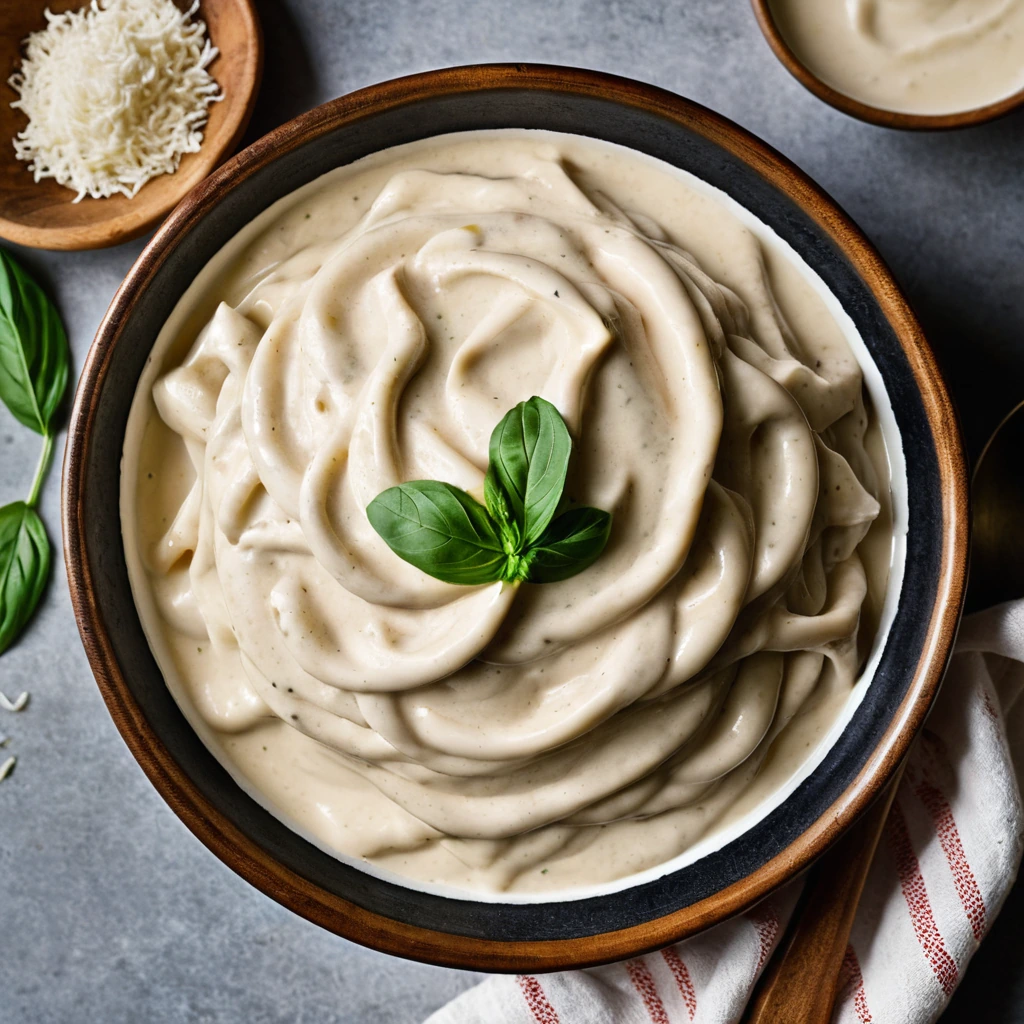
Alfredo Sauce
Creamy, rich, and utterly indulgent, Alfredo sauce is a dreamy blend of butter, heavy cream, and Parmesan cheese. Its velvety texture and savory depth make it a beloved staple in Italian-American cuisine.