Condiment Technique: Whisking Mustard and Honey into a Simple Glaze
Creating a simple glaze with mustard and honey is a delightful technique that adds a touch of sweetness and tang to your dishes. This versatile glaze can elevate roasted meats, grilled vegetables, or even cheese platters. The key to a successful glaze lies in balancing the flavors and achieving the perfect consistency. Mustard acts as an emulsifier, binding the honey with any additional liquids like vinegar or citrus juice, ensuring a smooth and glossy finish. This technique is straightforward and requires just a few ingredients and minimal equipment. The resulting glaze is not only delicious but also visually appealing, with a rich amber hue that tempts the palate. Whether you're drizzling it over a succulent ham or using it as a dip for crusty bread, mastering this technique will arm you with a crowd-pleasing condiment that's sure to become a staple in your culinary repertoire. The process is quick, allowing you to whip up a batch in just minutes, making it ideal for both planned meals and last-minute gatherings. Dive into the world of flavor with this simple yet sophisticated condiment technique.
Notes
The science behind this technique is simple yet effective. Mustard contains proteins and mucilage that act as natural emulsifiers, allowing the honey and vinegar to blend seamlessly. This creates a stable mixture that won't easily separate. Common mistakes include adding too much liquid at once, which can dilute the glaze, or not whisking vigorously enough to incorporate air and ensure smoothness. For storage, keep the glaze in an airtight container in the refrigerator for up to two weeks. Bring it to room temperature before using to restore its silky texture. Always taste and adjust seasoning to suit your palate and the dish you're serving.
Steps
- 1 Gather 1/4 cup Dijon mustard, 1/4 cup honey, 2 tablespoons apple cider vinegar, and a pinch of salt.
- 2 Place the mustard in a medium-sized bowl.
- 3 Add the honey to the bowl with the mustard.
- 4 Pour in the apple cider vinegar.
- 5 Sprinkle a pinch of salt over the mixture.
- 6 Whisk the ingredients together vigorously until fully combined and smooth.
- 7 Taste the glaze and adjust seasoning if necessary, adding more salt, mustard, or honey to your preference.
- 8 If the glaze is too thick, thin it with a teaspoon of water or additional vinegar, whisking until desired consistency is achieved.
- 9 Transfer the glaze to a squeeze bottle or airtight container for easy use.
Ingredients to explore
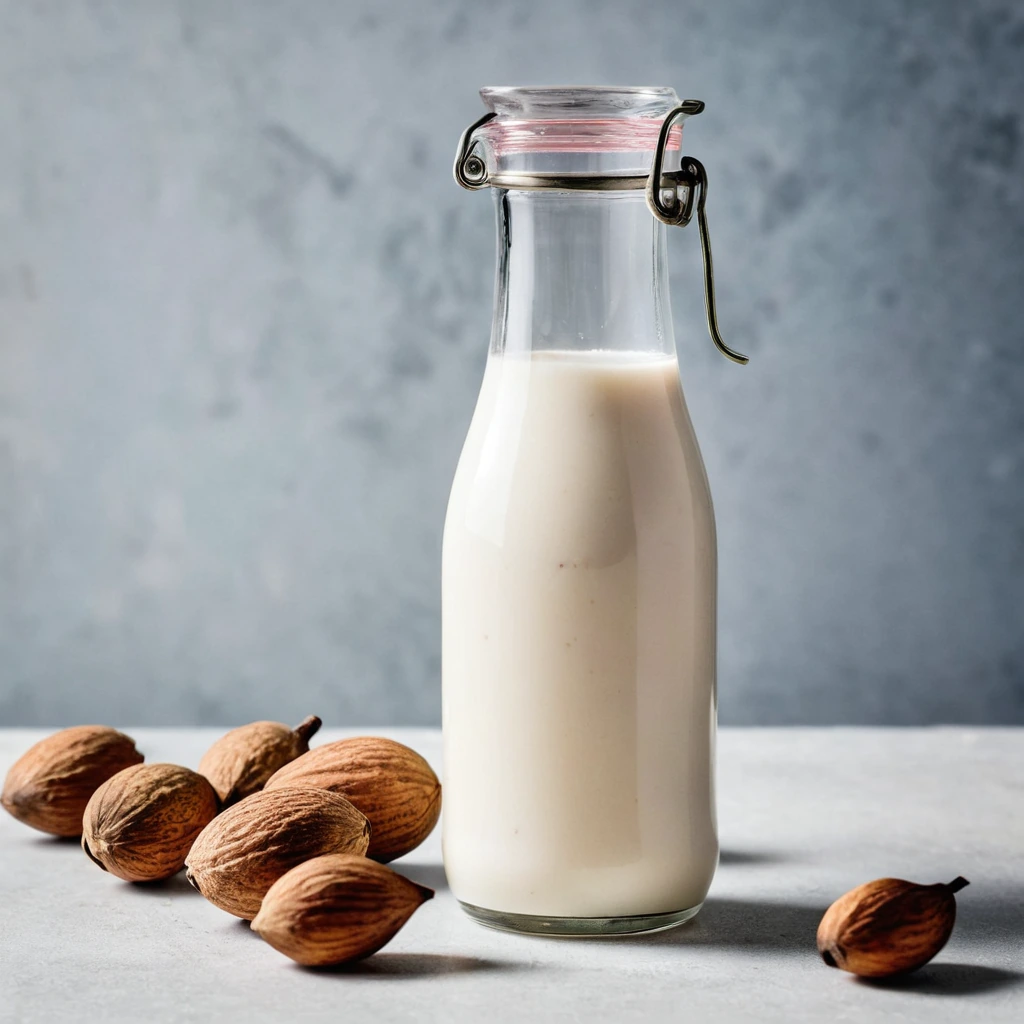
Almond Milk
Almond milk is a plant-based milk alternative made from ground almonds and water. Originating from traditional recipes in medieval Europe and the Middle East, it has gained widespread popularity in modern times as a dairy-free option. Almond milk has a subtly nutty flavor with a mild sweetness, and its aroma is reminiscent of fresh almonds. Its texture is smooth and creamy, though typically lighter than dairy milk. In cooking, almond milk behaves well in both savory and sweet applications, though it does not brown or caramelize like dairy milk. It is often used in cereals, smoothies, and baking, where its delicate flavor complements rather than overpowers other ingredients.
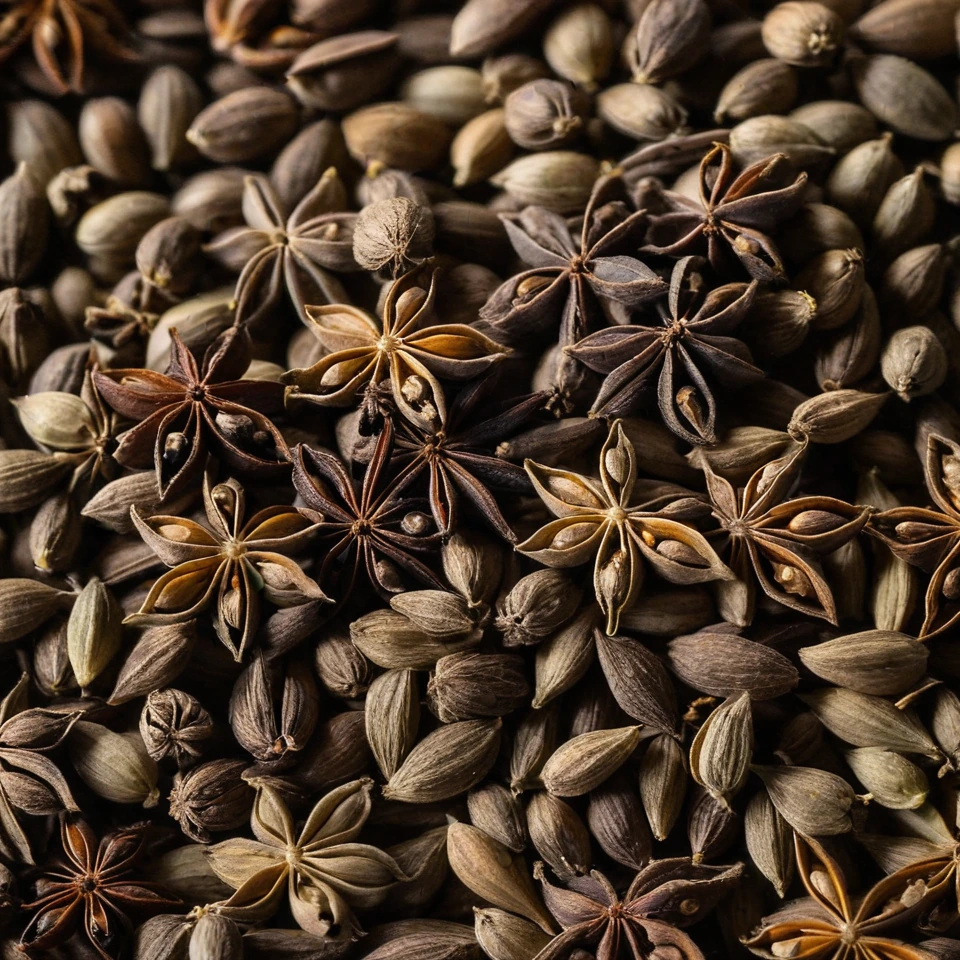
Anise Seeds
Anise seeds are small, oval seeds with a sweet, licorice-like flavor. They are commonly used in both sweet and savory dishes, offering a warm, aromatic taste.
Recipes to try

Shrimp and Chorizo Rice Skillet
A zesty, one-pan wonder where plump shrimp and smoky chorizo mingle with fragrant rice, creating a fiesta in every bite.
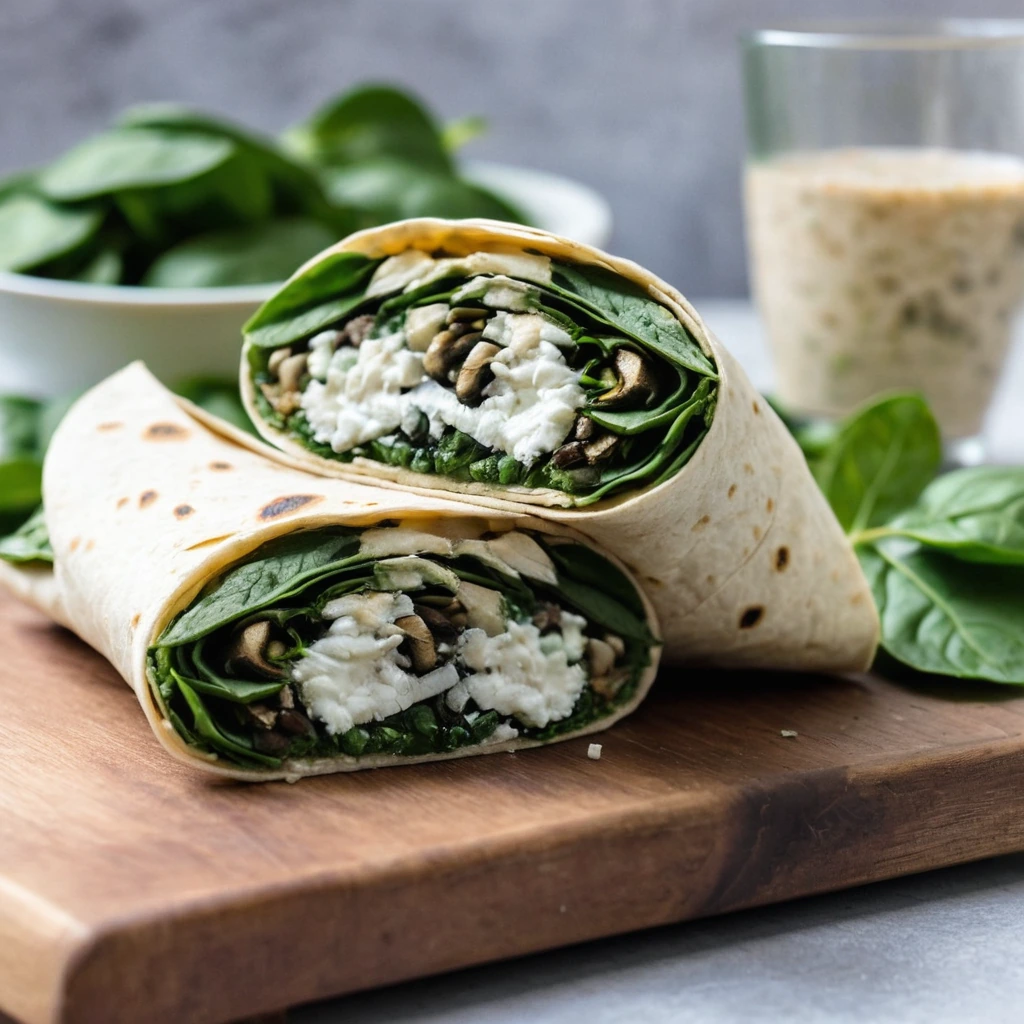
Spinach, Mushroom, and Feta Breakfast Wraps
These wraps are a cozy morning hug in a tortilla—creamy feta, earthy mushrooms, and vibrant spinach meld into a hearty breakfast.