Condiment Technique: Reducing Fruit for Savory Pan Glazes
Creating a savory pan glaze using reduced fruit is a delightful way to elevate your dishes with a burst of sweet and tangy flavor. This technique transforms ordinary fruits into a luxurious condiment that clings beautifully to meats, fish, or vegetables. The process involves simmering fruit until it breaks down and thickens into a glossy, concentrated syrup that enhances the natural umami of your meal. By carefully selecting the right fruit and balancing its inherent sweetness with savory elements, you can craft a glaze that's both versatile and gourmet. Whether you're looking to add a touch of elegance to a Sunday roast or seeking a unique twist for weeknight dinners, mastering this technique will surely impress. The key lies in understanding how reduction works: as the liquid evaporates, the sugars and flavors become more intense, resulting in a rich, flavorful glaze. This method is not just about combining ingredients but about orchestrating a symphony of tastes that culminate in a harmonious finish. Let’s dive into the art of creating a fruit reduction for savory pan glazes, where patience and precision yield extraordinary results.
Notes
This technique works because reduction concentrates flavors and sugars, creating a glaze that adheres well to foods. The addition of savory elements cuts through the sweetness, making the glaze suitable for a variety of dishes. Common mistakes include cooking the fruit at too high a heat, which can lead to burning, or not tasting and adjusting the seasoning. To prevent burning, keep the heat low and stir occasionally. For storage, allow the glaze to cool completely before refrigerating to prevent condensation from diluting its consistency. While fresh fruit is ideal, you can use frozen fruit in a pinch, though you may need to adjust the cooking time. This glaze is a versatile finishing touch that brings a professional flair to any meal.
Steps
- 1 Select 2 cups of fresh fruit, such as apples, pears, or berries.
- 2 Wash and chop the fruit into small, uniform pieces.
- 3 Place the fruit in a medium saucepan and add 1/4 cup of water.
- 4 Add 1 tablespoon of sugar, honey, or maple syrup to balance tartness, if desired.
- 5 Include 1 teaspoon of a savory element like soy sauce, balsamic vinegar, or mustard.
- 6 Bring the mixture to a gentle simmer over medium heat.
- 7 Reduce heat to low and cook, stirring occasionally, until the fruit breaks down and the mixture thickens, about 20-30 minutes.
- 8 Use a potato masher or immersion blender to achieve a smoother consistency, if preferred.
- 9 Continue to simmer until the glaze coats the back of a spoon and reaches your desired thickness.
- 10 Taste and adjust seasoning with salt, pepper, or additional sweeteners as needed.
- 11 Remove from heat and let cool slightly before using.
- 12 Strain the glaze through a fine-mesh sieve for a seedless, smooth finish, if necessary.
- 13 Brush or drizzle the glaze over your cooked proteins or vegetables just before serving.
- 14 Store any leftovers in an airtight container in the refrigerator for up to one week.
Ingredients to explore
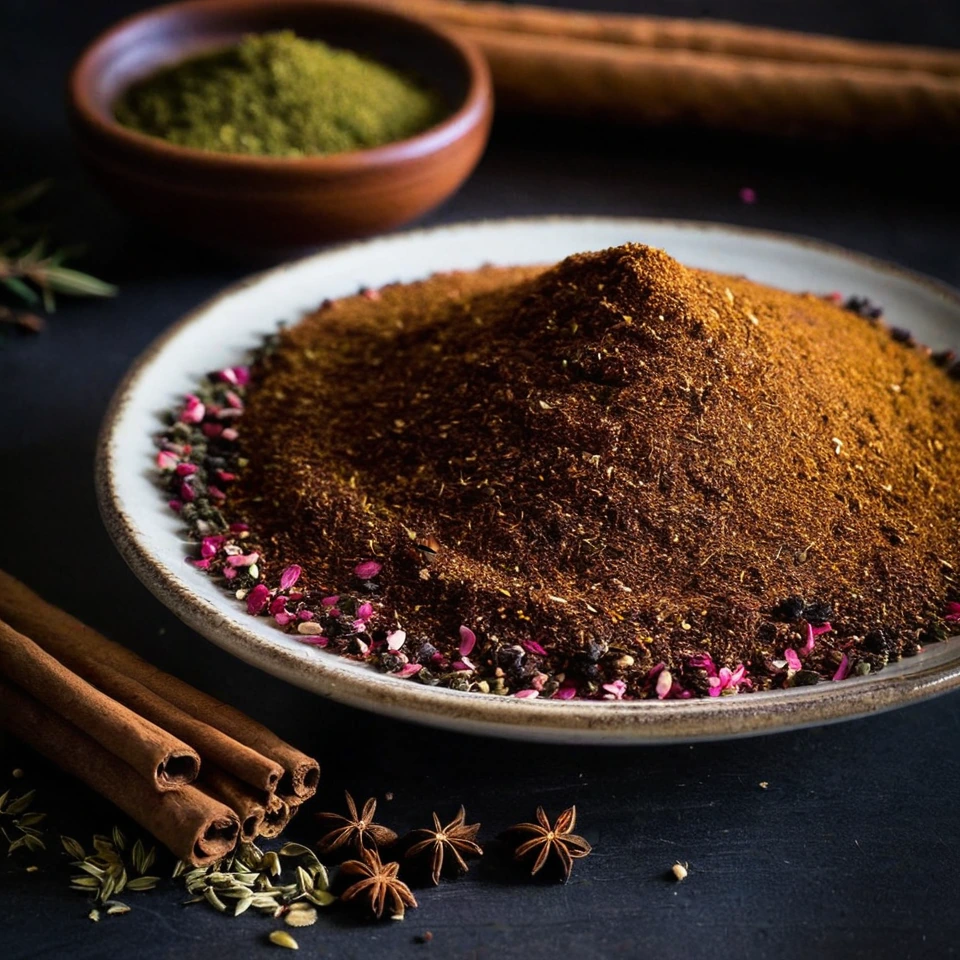
Advieh (Persian Spice Blend)
Advieh is a fragrant Persian spice blend that boasts a complex aroma of warm cinnamon, earthy cumin, and floral hints of rose and saffron. Its texture is finely ground, making it easy to incorporate into dishes. Originating from the rich culinary traditions of Iran, advieh adds depth and sophistication to both savory and sweet recipes. Its unique combination of spices reflects the historical spice trade routes that influenced Persian cuisine.
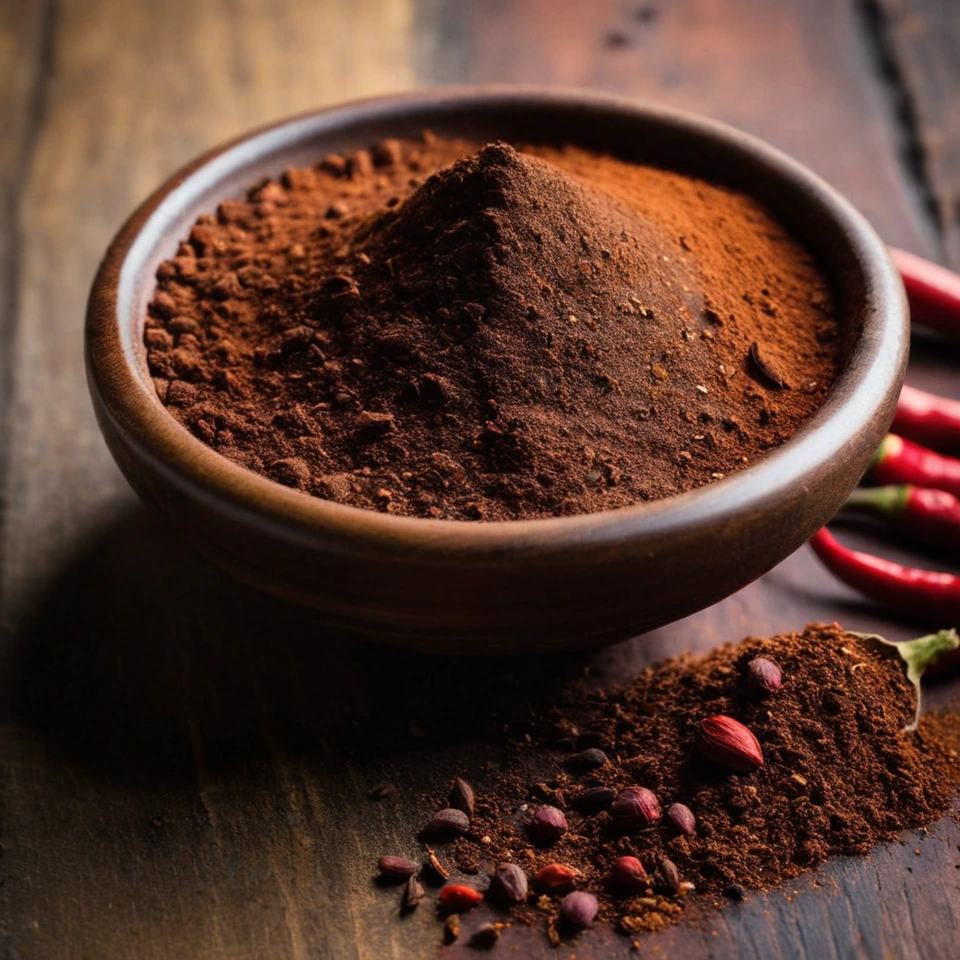
Ancho Chili Powder
Ancho chili powder offers a deep, smoky sweetness with hints of dried fruit and cocoa, reminiscent of its origin as dried poblano peppers from Mexico. Its aroma is warm and inviting, with a mild heat that lingers gently. The texture is fine and velvety, making it easy to incorporate into a variety of dishes. This powder is prized for its ability to add complexity without overwhelming spice, ideal for enriching both traditional Mexican moles and contemporary global cuisines.