Candy: Cooking Sugar to Soft Ball Stage
Creating candy at the soft ball stage is a foundational skill for any home cook looking to elevate their dessert game. This technique is crucial for making fudges, caramels, and divinity. Understanding how sugar transforms from a simple granulated form into a smooth, creamy confection is both an art and a science. The soft ball stage is reached when sugar syrup is heated to approximately 234°F to 240°F. At this temperature, the syrup forms a soft, pliable ball when dropped into cold water. Achieving this stage requires precision and patience. First, let's dive into the chemistry behind this transformation. Sugar, when heated with water, forms a solution that becomes increasingly saturated as water evaporates. The concentration of sugar in the syrup is what dictates the final texture of your candy. As the syrup reaches higher temperatures, the sugar molecules begin to link together, forming longer chains that give the candy its structure. However, reaching the correct temperature is only part of the equation. The rate at which the syrup heats, the purity of the sugar, and even the humidity in your kitchen can influence the outcome. This guide will walk you through mastering the soft ball stage, ensuring your candy comes out perfectly every time. We'll discuss the necessary equipment, how to monitor temperature accurately, and what visual cues to look for. Troubleshooting common issues, like grainy texture or syrup that won't set, will also be covered. Finally, we'll touch on safety precautions to avoid burns and how to store your finished candy for maximum freshness.
Notes
The science behind the soft ball stage lies in the balance between sugar concentration and moisture content. Too little heat and you'll end up with a runny mess; too much and you risk a hard, brittle candy. To troubleshoot, ensure your thermometer is accurate and positioned correctly in the syrup. If your candy is grainy, it likely crystallized during cooking—avoid stirring once the sugar has dissolved to prevent this. Safety is paramount when working with hot sugar syrup; use oven mitts and keep children and pets away. For storage, keep your candy in a cool, dry place to preserve its texture. If you notice stickiness, a brief stint in the fridge can help, but avoid condensation forming on the candy.
Steps
- 1 Combine 1 cup granulated sugar and 1/2 cup water in a heavy-bottomed saucepan.
- 2 Heat over medium heat, stirring constantly until sugar dissolves completely.
- 3 Once sugar is dissolved, stop stirring and attach a candy thermometer to the side of the pan.
- 4 Continue to cook, without stirring, until the thermometer reaches 234°F to 240°F.
- 5 Brush down the sides of the saucepan with a wet pastry brush to prevent crystallization.
- 6 As the syrup approaches the target temperature, watch for it to become clear and slightly amber in color.
- 7 Once the correct temperature is reached, immediately remove the pan from the heat.
- 8 If your recipe requires it, beat the syrup with a wooden spoon or mixer as instructed.
- 9 For testing, drop a small amount of syrup into a bowl of cold water, then shape with your fingers.
- 10 The syrup should form a soft, pliable ball that flattens when removed from water.
- 11 Pour the syrup into a prepared pan or mold as per your recipe's directions.
- 12 Allow the candy to cool completely before handling or cutting.
- 13 Once set, break or cut into desired shapes and enjoy.
- 14 Store in an airtight container to maintain texture.
Ingredients to explore
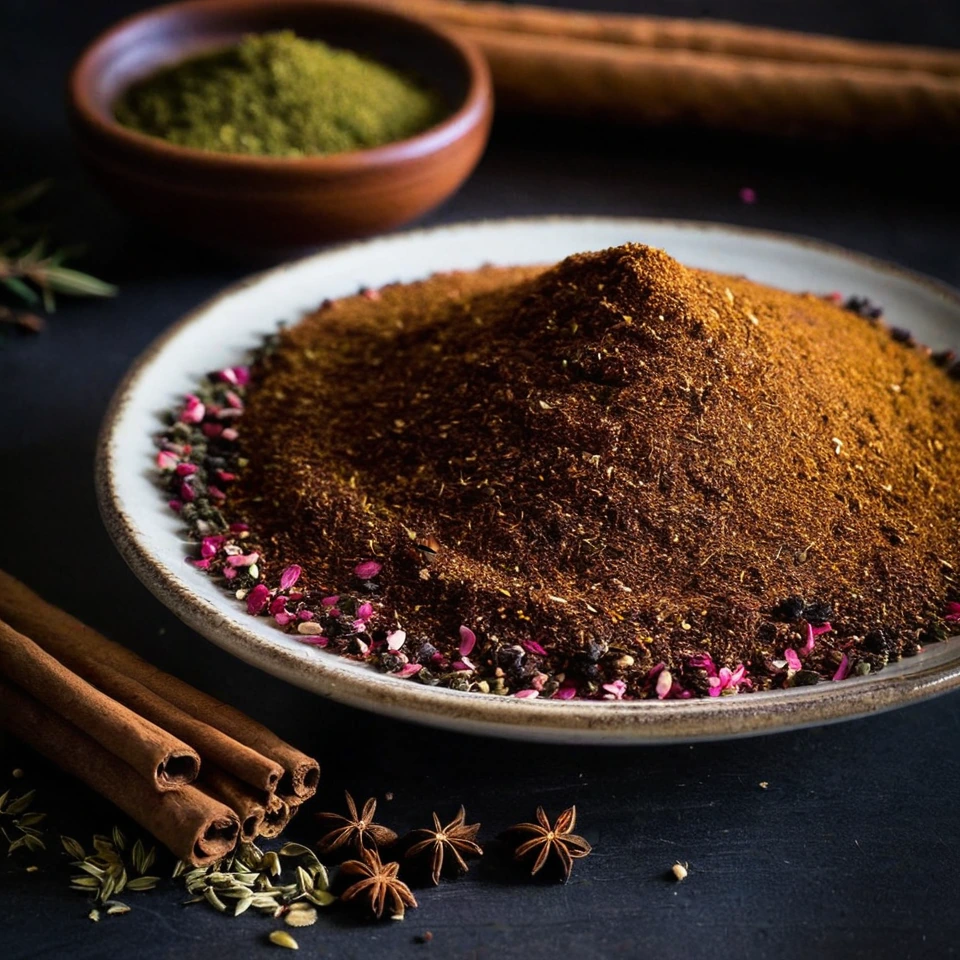
Advieh (Persian Spice Blend)
Advieh is a fragrant Persian spice blend that boasts a complex aroma of warm cinnamon, earthy cumin, and floral hints of rose and saffron. Its texture is finely ground, making it easy to incorporate into dishes. Originating from the rich culinary traditions of Iran, advieh adds depth and sophistication to both savory and sweet recipes. Its unique combination of spices reflects the historical spice trade routes that influenced Persian cuisine.
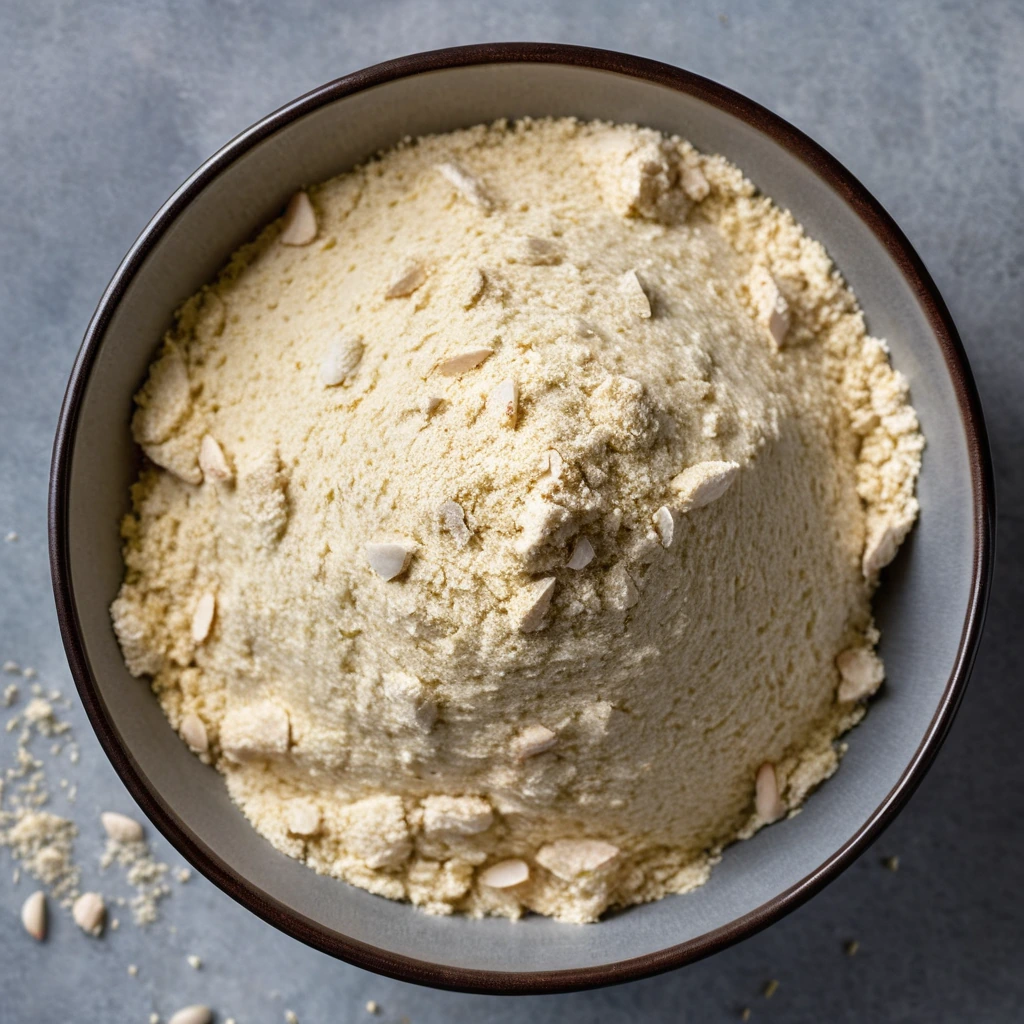
Almond Flour
A finely ground flour made from blanched almonds, offering a delicate nutty aroma and a tender crumb to your baked goods.