Broths: Brodo and Dashi Differences
Understanding the differences between brodo and dashi can elevate your culinary creations. Brodo, an Italian staple, is a flavorful broth typically made from simmering meat, bones, vegetables, and aromatics like onions, carrots, and celery. It's a versatile base for soups, risottos, and sauces. Dashi, on the other hand, is a Japanese broth known for its umami richness. Traditionally made from kombu (kelp) and kezuribushi (shaved dried bonito flakes), it serves as the backbone for many Japanese dishes like miso soup and noodle broths. While brodo is hearty and robust, dashi is delicate yet deeply savory. This guide dives into the nuances of these two broth-making techniques, helping you choose the right one for your recipe needs. We'll explore the ingredients, cooking processes, and the unique flavor profiles each broth brings to the table. Whether you're simmering a Sunday soup or preparing a quick Japanese meal, mastering these broths is a game-changer.
Notes
The science behind brodo lies in the breakdown of collagen in bones, which yields gelatin and creates a rich, velvety texture. For dashi, kombu provides glutamates, while bonito flakes contribute inosinates, both of which combine to create a potent umami flavor. Common mistakes in making brodo include boiling too vigorously, which can cloud the broth, and not skimming impurities. For dashi, avoid boiling the kombu to prevent bitterness. Both broths can be made ahead and stored in the refrigerator for up to 5 days or frozen for longer storage. Always ensure your stockpot is clean to prevent off-flavors in your broth.
Steps
- 1 For Brodo: Select meaty bones like beef marrow or chicken carcasses.
- 2 Rinse bones under cold water and place in a large stockpot.
- 3 Add aromatics: roughly chopped onions, carrots, and celery.
- 4 Cover bones and vegetables with cold water by about 2 inches.
- 5 Bring to a gentle simmer over medium heat, skimming off any foam.
- 6 Simmer uncovered for 4 to 6 hours, occasionally skimming impurities.
- 7 For Dashi: Soak a 4-inch piece of kombu in 4 cups of cold water for 30 minutes.
- 8 Heat kombu water just until small bubbles form around the edges, then remove kombu.
Ingredients to explore
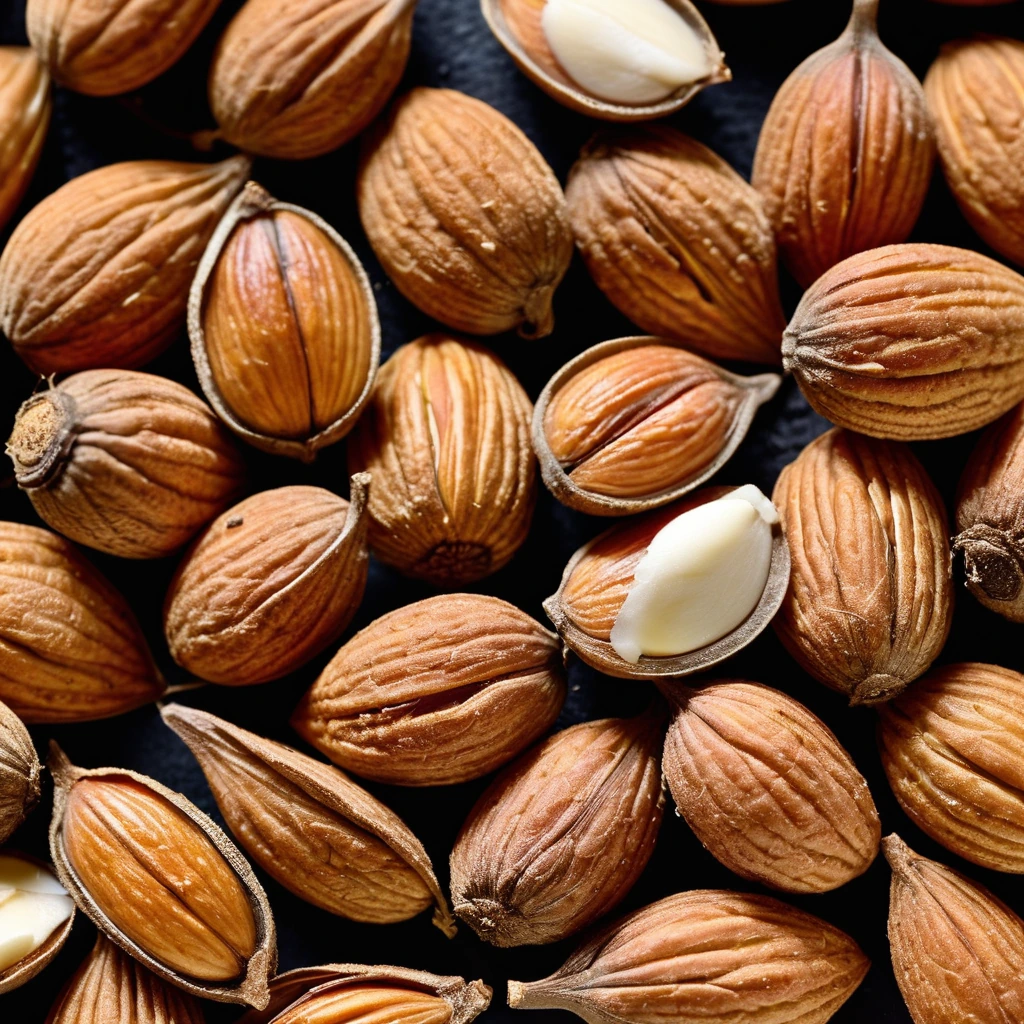
Almond Extract
A fragrant, golden elixir that captures the essence of freshly ground almonds, almond extract is a pantry staple that brings a rich, nutty aroma to your culinary creations.
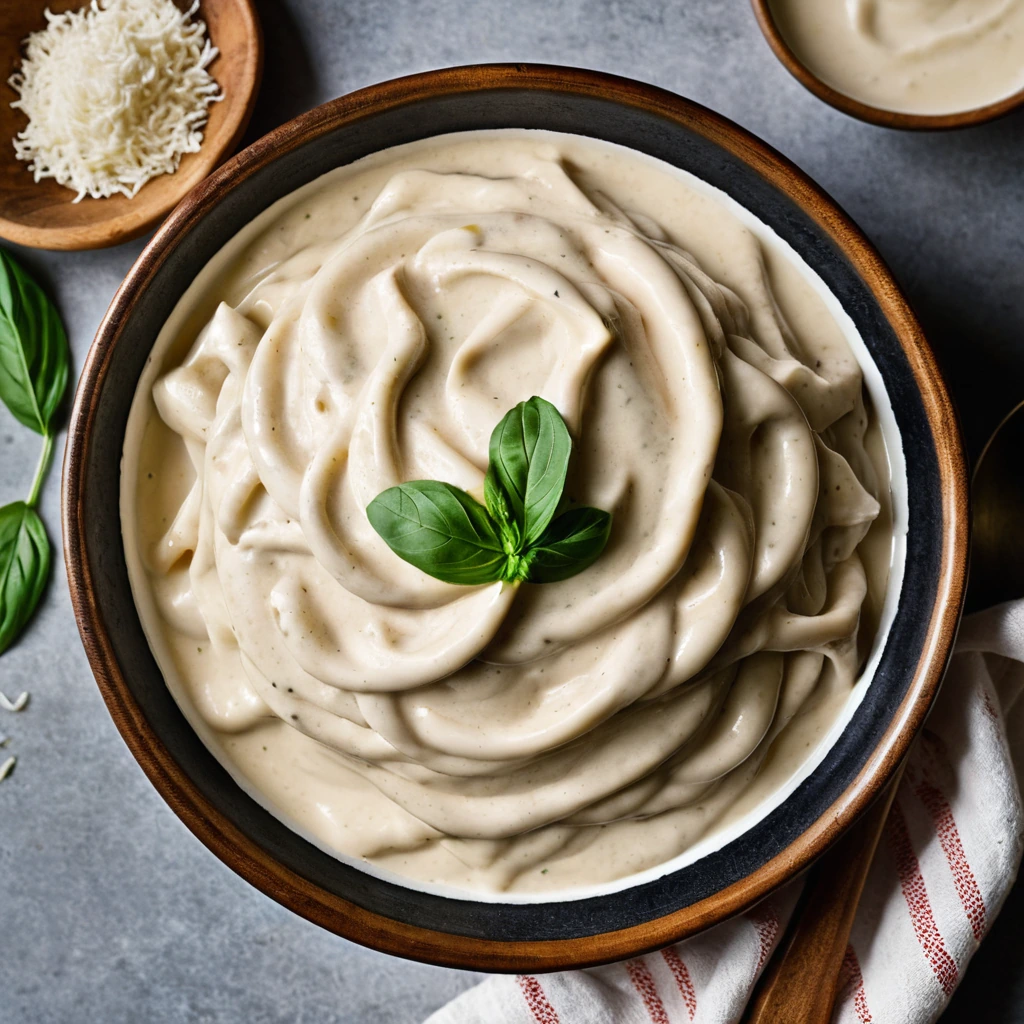
Alfredo Sauce
Creamy, rich, and utterly indulgent, Alfredo sauce is a dreamy blend of butter, heavy cream, and Parmesan cheese. Its velvety texture and savory depth make it a beloved staple in Italian-American cuisine.
Recipes to try
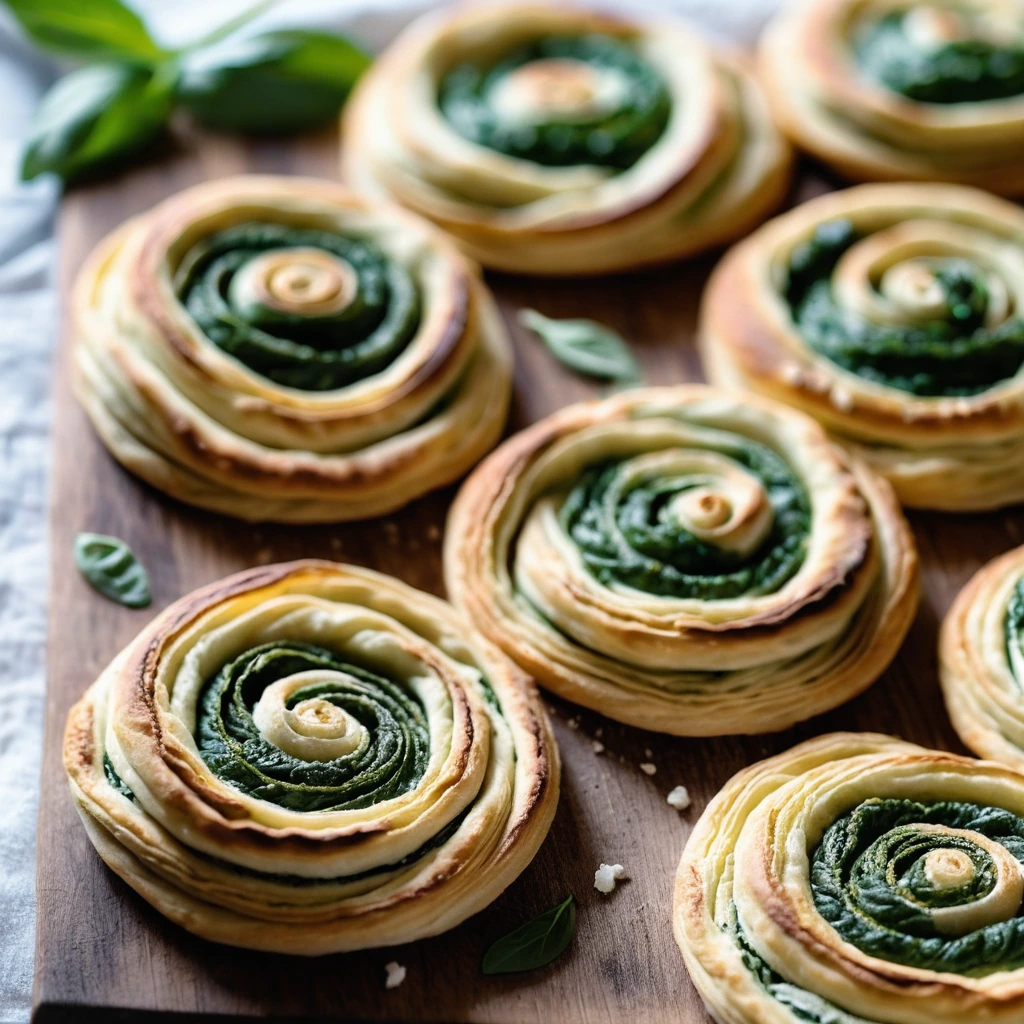
Spinach and Feta Puff Pastry Swirls
Golden, flaky layers of puff pastry embrace a savory mix of spinach and tangy feta in these irresistible swirls.

Sweet Potato, Sausage, and Egg Breakfast Hash
Rustic and hearty, this breakfast hash is a symphony of smoky sausage, tender sweet potatoes, and perfectly cooked eggs.