Breakfast Techniques: Oatmeal with Better Texture and Flavor
Achieving the perfect bowl of oatmeal is an art that balances texture and flavor. Too often, oatmeal can end up as a bland, mushy mess, but with the right techniques, it can be transformed into a creamy, satisfying breakfast. The key lies in the cooking method, ingredient selection, and the final touches that elevate its flavor profile. Understanding the nuances of cooking oatmeal can turn a routine meal into a delightful experience. First, choosing the right oats is crucial. Steel-cut oats offer a chewier texture, while old-fashioned rolled oats cook faster and result in a creamier consistency. Avoid instant oats if you're seeking texture, as they're pre-cooked and can become overly soft. Next, the water-to-oat ratio is vital; too much water and you'll end up with a soupy mess, too little and your oatmeal will be dry. The ideal ratio is generally 1 cup of oats to 2 cups of liquid. Using a mix of water and milk (dairy or non-dairy) can add richness and creaminess. Seasonings and flavorings can be added during cooking or after. Spices like cinnamon or nutmeg, a touch of vanilla extract, or even a pinch of salt can enhance the oatmeal's flavor. Finally, toppings like fresh fruits, nuts, seeds, and sweeteners like honey or maple syrup can transform plain oatmeal into a gourmet breakfast. Mastering these techniques will ensure your oatmeal is anything but ordinary.
Notes
The science behind perfectly textured oatmeal lies in starch gelatinization. When oats are cooked in liquid, their starches absorb the moisture and swell, creating a creamy texture. Overcooking can lead to a mushy result due to excessive starch breakdown. Common mistakes include using too high of heat, which can scorch the oats, or stirring too vigorously, which can break down the oats into a paste. For safety, ensure the oatmeal reaches an internal temperature of 160°F to kill any potential bacteria. Oatmeal can be made ahead and stored in the refrigerator for up to 3 days. Reheat with a splash of milk or water to restore creaminess. Experimenting with different liquids like almond milk or coconut milk can introduce unique flavor profiles to your oatmeal.
Steps
- 1 Measure 1 cup of old-fashioned rolled oats or steel-cut oats.
- 2 Combine 2 cups of liquid (water, milk, or a mix) in a medium saucepan.
- 3 Bring the liquid to a gentle boil over medium heat.
- 4 Add a pinch of salt to enhance the oatmeal's flavor.
- 5 Stir in the oats, reducing the heat to low.
- 6 Cook steel-cut oats for 20-25 minutes, stirring occasionally; cook rolled oats for 5-7 minutes until thickened.
- 7 If desired, add spices or vanilla extract during the last few minutes of cooking.
- 8 Remove from heat and let sit, covered, for 2-3 minutes to allow oats to absorb remaining liquid.
- 9 Transfer oatmeal to a bowl, leaving space for toppings.
- 10 Customize with your choice of toppings like fresh fruit, nuts, seeds, or sweeteners.
- 11 Serve immediately for the best texture and flavor.
- 12 Optional: For an even creamier texture, blend a ripe banana into the cooking liquid before adding oats.
Ingredients to explore
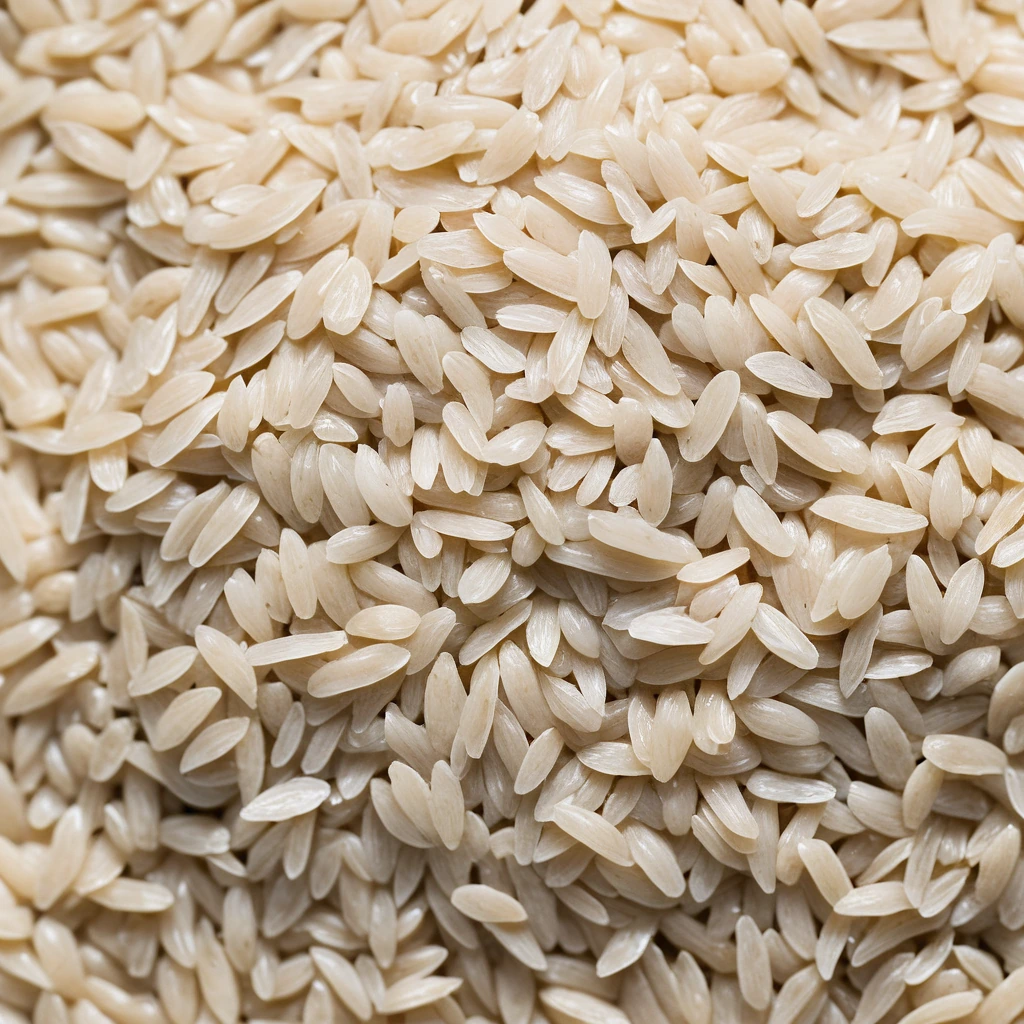
Arborio Rice
Arborio rice is a short-grain Italian rice variety renowned for its use in risotto. Originating from the Po Valley in Northern Italy, it is a staple in Italian cuisine. Its flavor is mild and nutty, with a pleasant creamy texture when cooked due to its high amylopectin content, which releases starch and creates a velvety consistency. The grains remain plump and firm to the bite, offering a satisfying chewiness. In cooking, Arborio rice excels at absorbing flavors from broths and seasonings while maintaining its shape, making it ideal for dishes that require both creaminess and structure.

Anchovy Fillets
Silvery and succulent, anchovy fillets are a briny treasure from the sea. Their rich, umami flavor adds depth to dishes, making them a beloved ingredient in kitchens worldwide.
Recipes to try
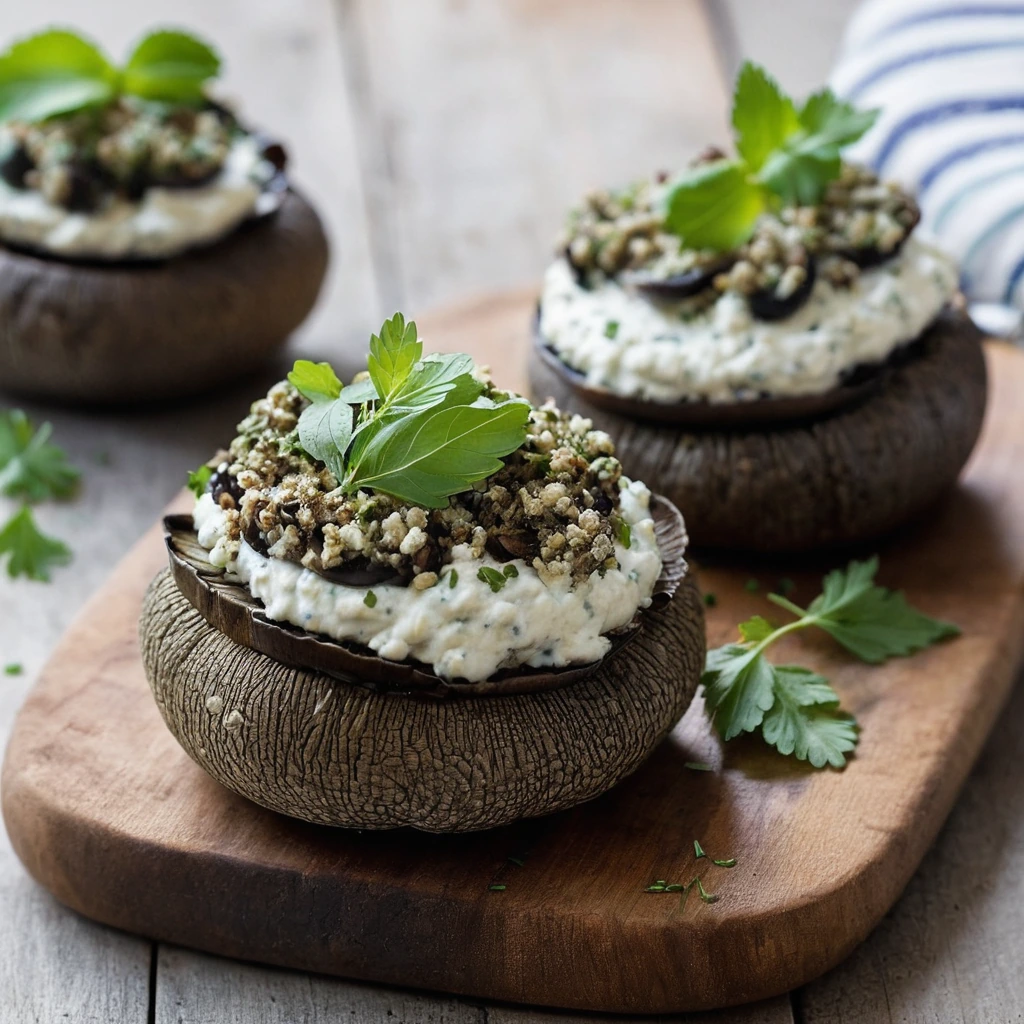
Stuffed Portobello Mushrooms with Herbed Ricotta
These earthy portobello mushrooms are stuffed with a creamy, herbed ricotta mixture, offering a satisfying vegetarian delight that's both elegant and easy.

S’mores Cookie Bars with Marshmallow Swirl
Chocolatey, gooey, and utterly irresistible – these S’mores Cookie Bars are a campfire classic reimagined into a decadent dessert.