Breakfast Techniques: Hash Browns that Don’t Stick
Creating perfectly crispy hash browns at home can be a daunting task, especially when they stick to the pan. The secret to achieving that golden, crispy exterior without the frustration of stuck-on potatoes lies in technique. First, selecting the right potato is crucial. Russet potatoes, with their high starch content, are ideal for hash browns due to their ability to crisp up beautifully. Next, understanding the importance of moisture control is key. Properly grating and squeezing out excess moisture ensures a crispy texture. Seasoning is also vital; don’t skimp on salt and pepper to enhance flavor. The cooking surface plays a significant role; a well-seasoned cast iron skillet is your best bet for even heat distribution and natural non-stick properties. Preheating the pan and oil to the correct temperature is essential to prevent sticking and achieve a deep golden color. The technique also involves minimal movement once cooking begins, allowing the potatoes to form a crispy crust. Finally, mastering the flip is crucial for even cooking on both sides. This technique is all about patience, preparation, and precise execution to ensure your hash browns are crispy, flavorful, and stick-free.
Notes
The science behind this technique lies in moisture control and heat management. Removing excess moisture from the potatoes allows them to crisp up rather than steam. A well-preheated skillet ensures immediate browning upon contact, creating a barrier that prevents sticking. Troubleshooting common mistakes includes ensuring the skillet is hot enough before adding the potatoes and not overcrowding the pan, which can lead to steaming rather than frying. Safety is paramount; use oven mitts when handling the hot skillet and be cautious when flipping to avoid burns. For make-ahead, cook the hash browns fully, cool completely, and store in an airtight container in the fridge for up to 3 days. Reheat in a hot oven to maintain crispiness.
Steps
- 1 Select 4 large russet potatoes for optimal starch content.
- 2 Peel the potatoes and grate them using the large holes of a box grater.
- 3 Place the grated potatoes in a clean kitchen towel and squeeze out as much moisture as possible.
- 4 Season generously with 1 teaspoon of salt and 1/2 teaspoon of black pepper.
- 5 Heat a well-seasoned cast iron skillet over medium-high heat.
- 6 Add 1/4 cup of vegetable oil to the skillet and ensure it is evenly spread.
- 7 Once the oil shimmers, carefully spread the potatoes in an even layer.
- 8 Press down gently with a spatula to ensure even contact with the skillet.
- 9 Cook undisturbed for 8-10 minutes until the bottom is golden brown.
- 10 Gently loosen the edges with a spatula and carefully flip the hash browns.
- 11 Cook for another 8-10 minutes until the second side is golden and crispy.
- 12 Transfer the hash browns to a paper towel-lined plate to drain excess oil.
- 13 Cut into squares or wedges and serve immediately.
Ingredients to explore
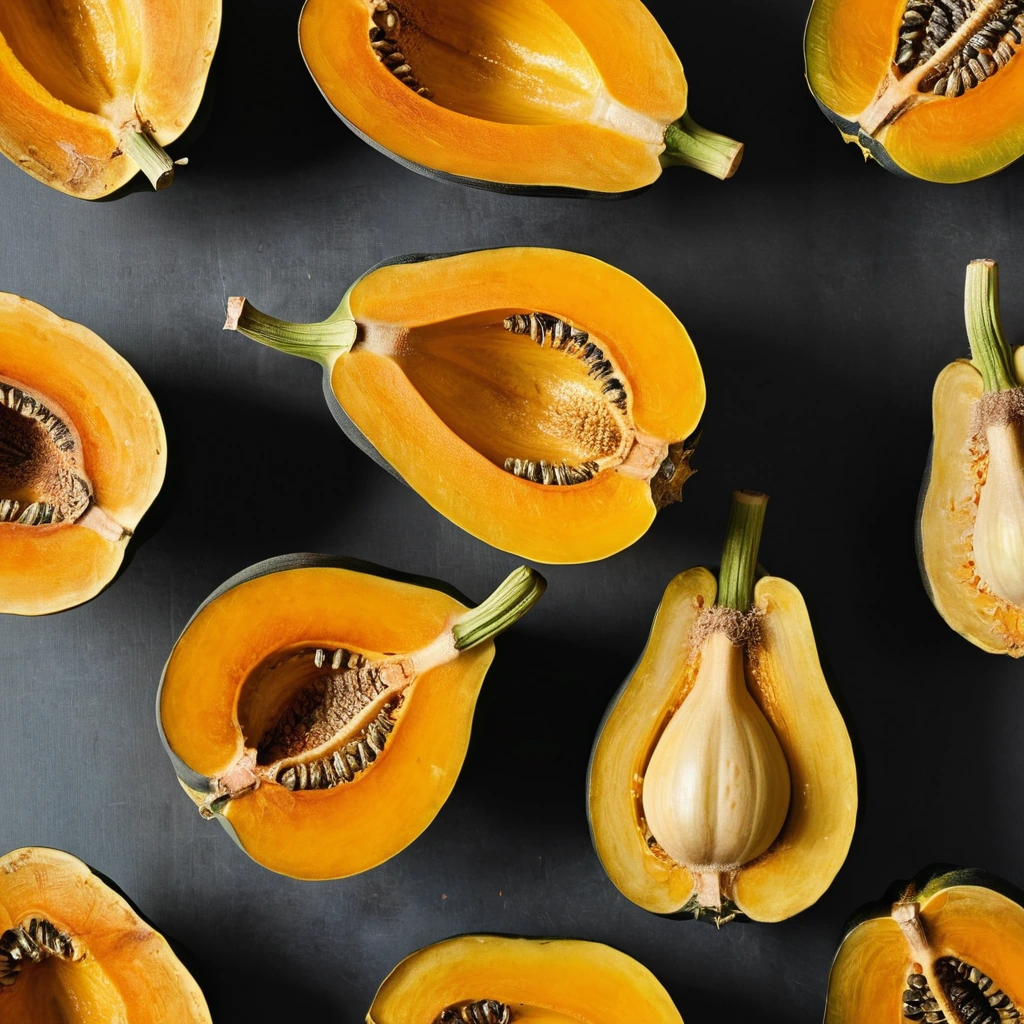
Acorn Squash
Acorn squash is a winter squash variety known for its distinctive teardrop shape and deep ridges resembling the texture of an acorn shell. Originating in the Americas, it has been cultivated for centuries and is a staple in autumn cuisine. The flesh is sweet and nutty with a hint of earthiness, offering a delightful contrast to savory dishes. Its texture is dense yet tender when cooked, making it ideal for roasting or pureeing. In cooking, acorn squash holds its shape well and absorbs flavors from herbs and spices, enhancing both its taste and versatility in recipes.
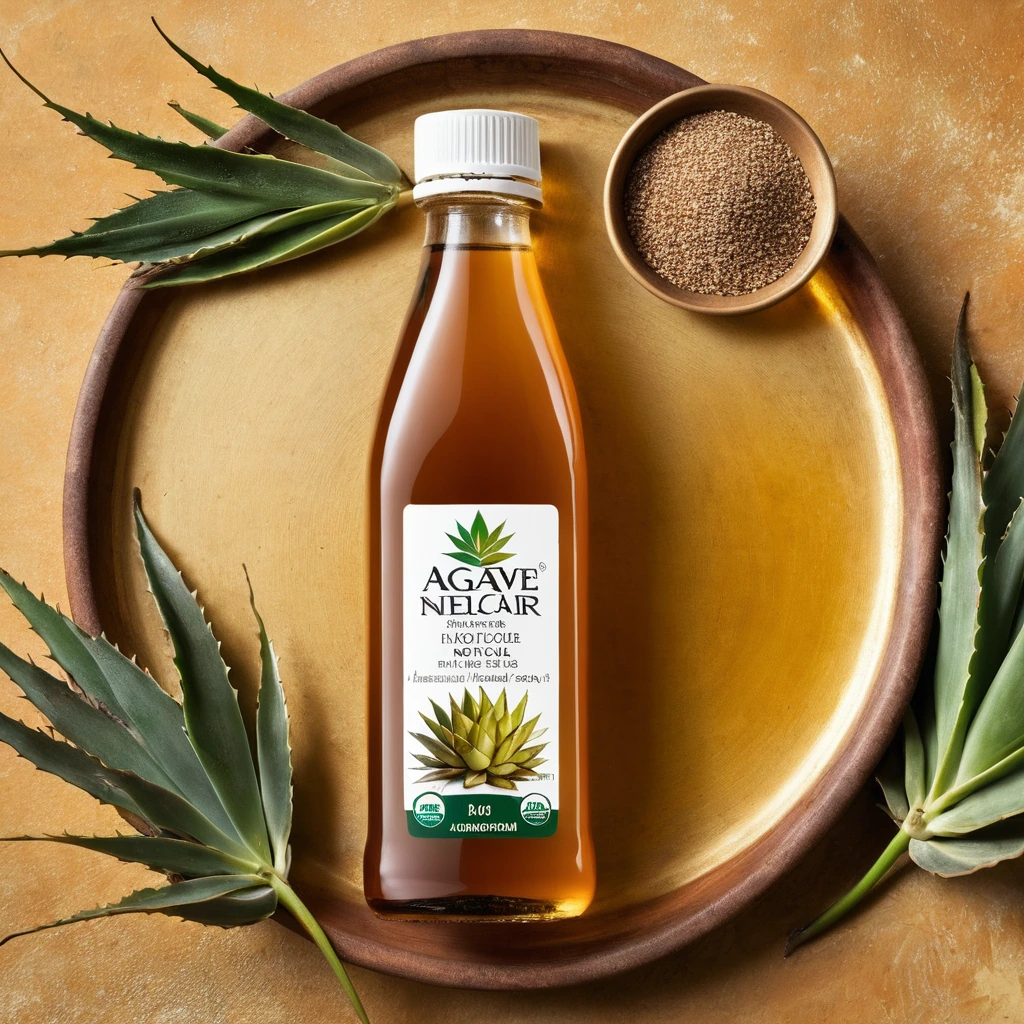
Agave Nectar
A golden, velvety sweetener derived from the agave plant, offering a subtly sweet flavor with a smooth, syrup-like texture.
Recipes to try
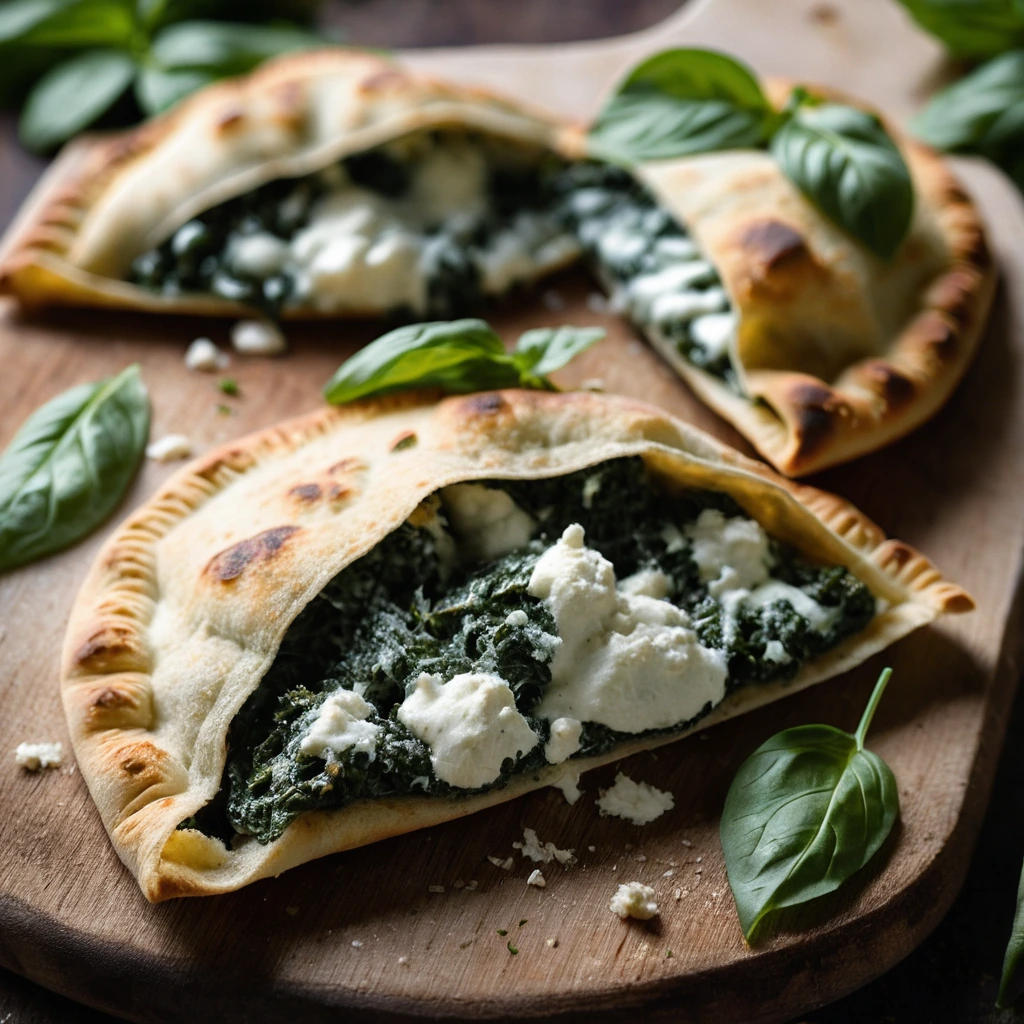
Spinach and Ricotta Stuffed Pizza Pockets
Golden, crispy pockets filled with a creamy ricotta and spinach blend that'll have you reaching for seconds.
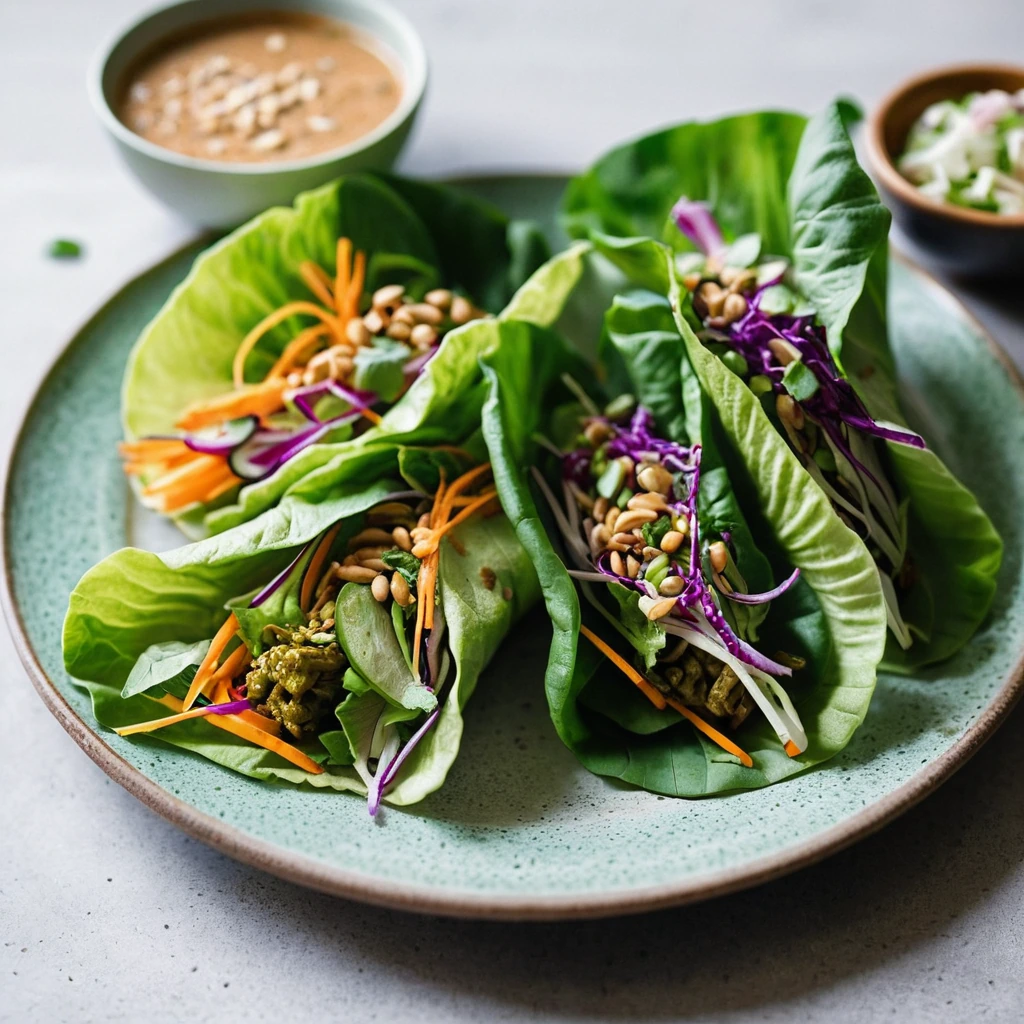
Thai Peanut Veggie Lettuce Wraps
Crispy, fresh veggies hugged by buttery lettuce leaves, drizzled with a creamy, tangy peanut sauce that'll make your taste buds do the tango.