Breakfast: Poaching Eggs for Eggs Benedict
Poaching eggs might seem daunting, but with the right technique, you can achieve perfectly silky, chef-worthy eggs every time—perfect for crowning your Eggs Benedict. Poaching is a gentle cooking method that involves simmering eggs in water, allowing them to maintain their delicate texture and vibrant color. The key is creating the ideal environment for the egg whites to coagulate around the yolk without dispersing. This technique requires precision and attention to detail, but with practice, you'll master the art of poaching eggs. Start by selecting very fresh eggs; they have a lower pH and tighter whites, making them ideal for poaching. Freshness helps the egg whites stay compact and form a neat shape. Additionally, using vinegar can help the whites set faster and prevent feathering into the water. Achieving the correct water temperature is crucial—too hot, and you’ll have rubbery eggs; too cool, and the whites won't set properly. Poached eggs are delicate, so handling them with care is essential to preserve their shape and integrity. Poaching eggs for Eggs Benedict is not only about the end result but also about understanding the nuances of timing and temperature. With patience and practice, you'll be serving up restaurant-quality Eggs Benedict at home. This technique is straightforward once you grasp the fundamentals, making it a rewarding skill for any home cook to have in their repertoire.
Notes
The science behind poaching eggs is all about protein coagulation. Egg whites begin to set at around 144°F, while yolks need to reach 158°F to thicken but not solidify completely. The addition of vinegar lowers the water's pH, helping the proteins bond more quickly. A common mistake is using water that's too vigorously boiling, which can break up the egg whites. To avoid this, maintain a gentle simmer. For make-ahead convenience, poached eggs can be cooked, cooled, and stored in ice water for up to 30 minutes before reheating gently in simmering water. Always handle eggs with care to prevent breakage and ensure food safety by using fresh, clean ingredients.
Steps
- 1 Fill a medium saucepan with 2 to 3 inches of water and add 1 tablespoon of white vinegar.
- 2 Bring the water to a gentle simmer, maintaining a temperature between 180°F and 190°F.
- 3 Crack an egg into a small bowl or ramekin, ensuring no shell fragments are present.
- 4 Use a slotted spoon to stir the water in a circular motion to create a gentle whirlpool.
- 5 Gently slide the egg from the bowl into the center of the whirlpool.
- 6 Allow the egg to cook undisturbed for 3 to 4 minutes for a runny yolk.
- 7 Use a slotted spoon to carefully remove the egg, letting excess water drain off.
- 8 Transfer the egg to a paper towel-lined plate to absorb any remaining moisture.
- 9 Repeat the process for each additional egg, ensuring the water returns to a simmer between uses.
Ingredients to explore

Apple Cider Vinegar
Apple cider vinegar is a type of vinegar made through the fermentation of apple cider, resulting in a tangy, slightly sweet liquid with a pale to medium amber color.
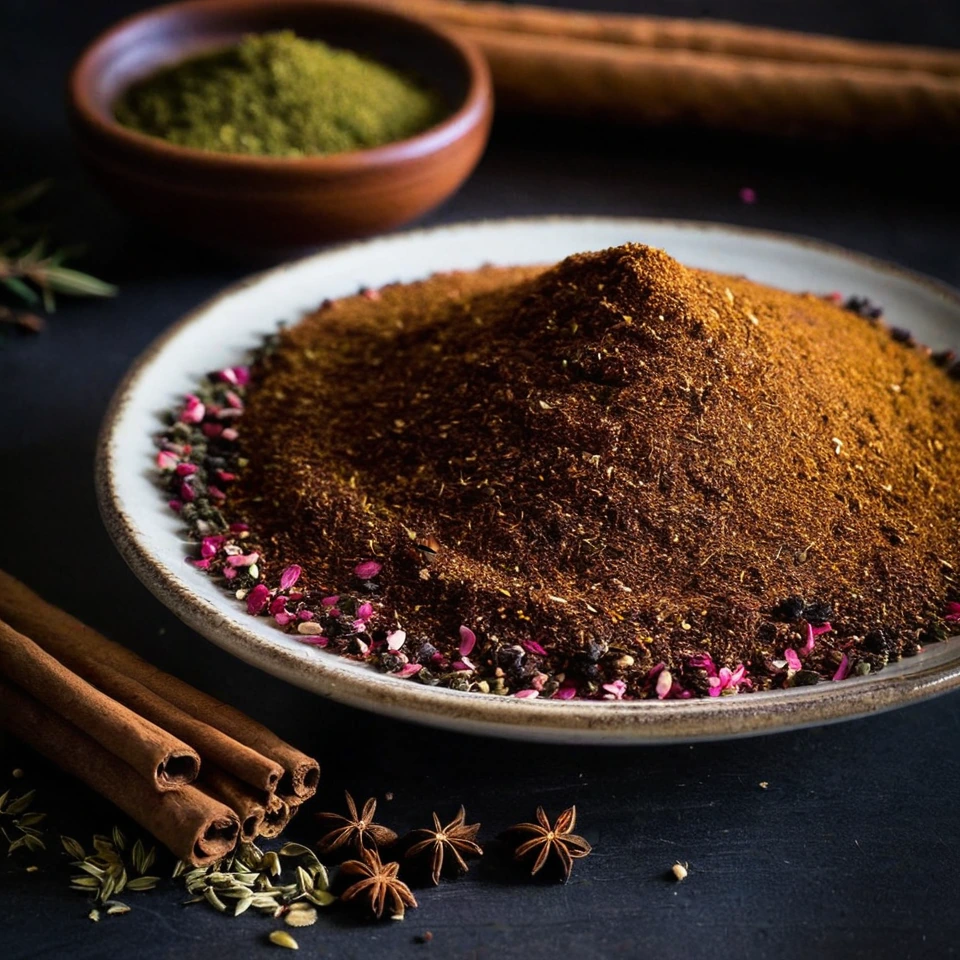
Advieh (Persian Spice Blend)
Advieh is a fragrant Persian spice blend that boasts a complex aroma of warm cinnamon, earthy cumin, and floral hints of rose and saffron. Its texture is finely ground, making it easy to incorporate into dishes. Originating from the rich culinary traditions of Iran, advieh adds depth and sophistication to both savory and sweet recipes. Its unique combination of spices reflects the historical spice trade routes that influenced Persian cuisine.
Recipes to try
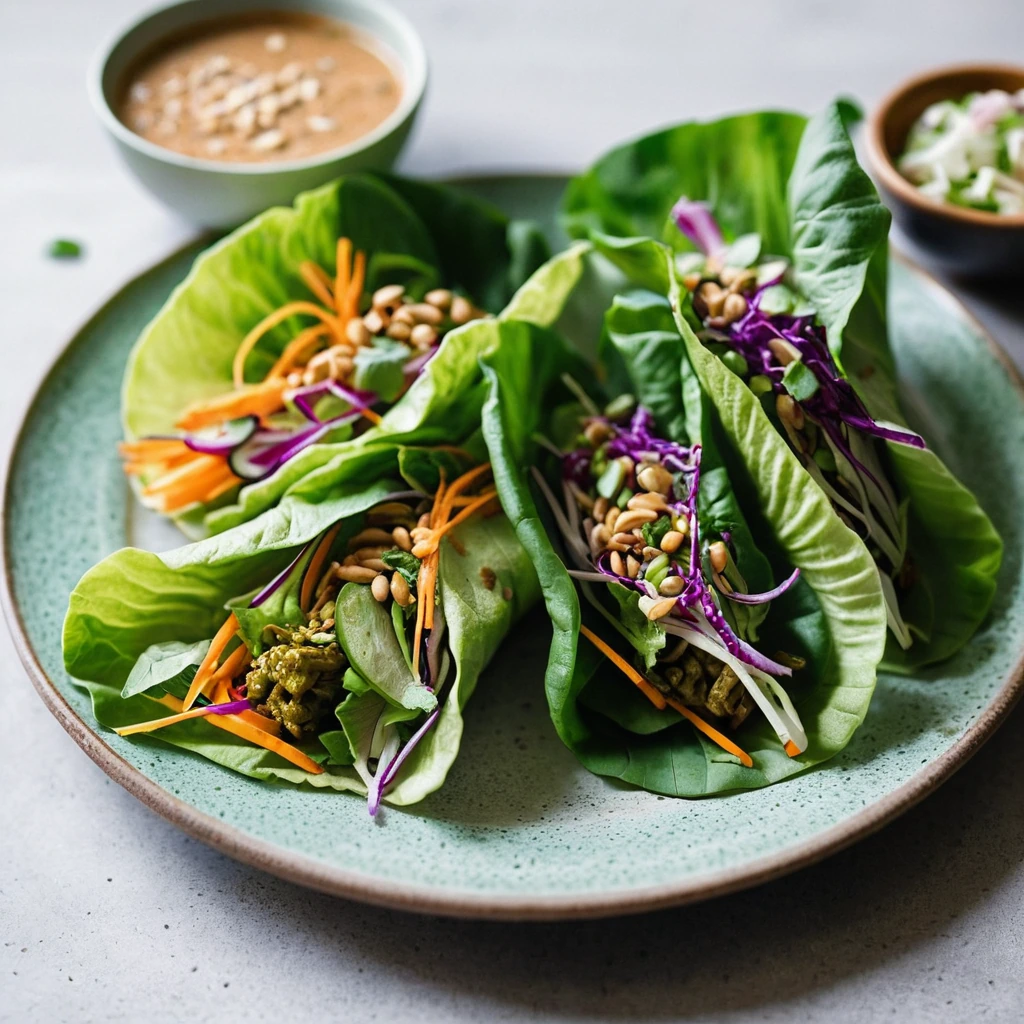
Thai Peanut Veggie Lettuce Wraps
Crispy, fresh veggies hugged by buttery lettuce leaves, drizzled with a creamy, tangy peanut sauce that'll make your taste buds do the tango.
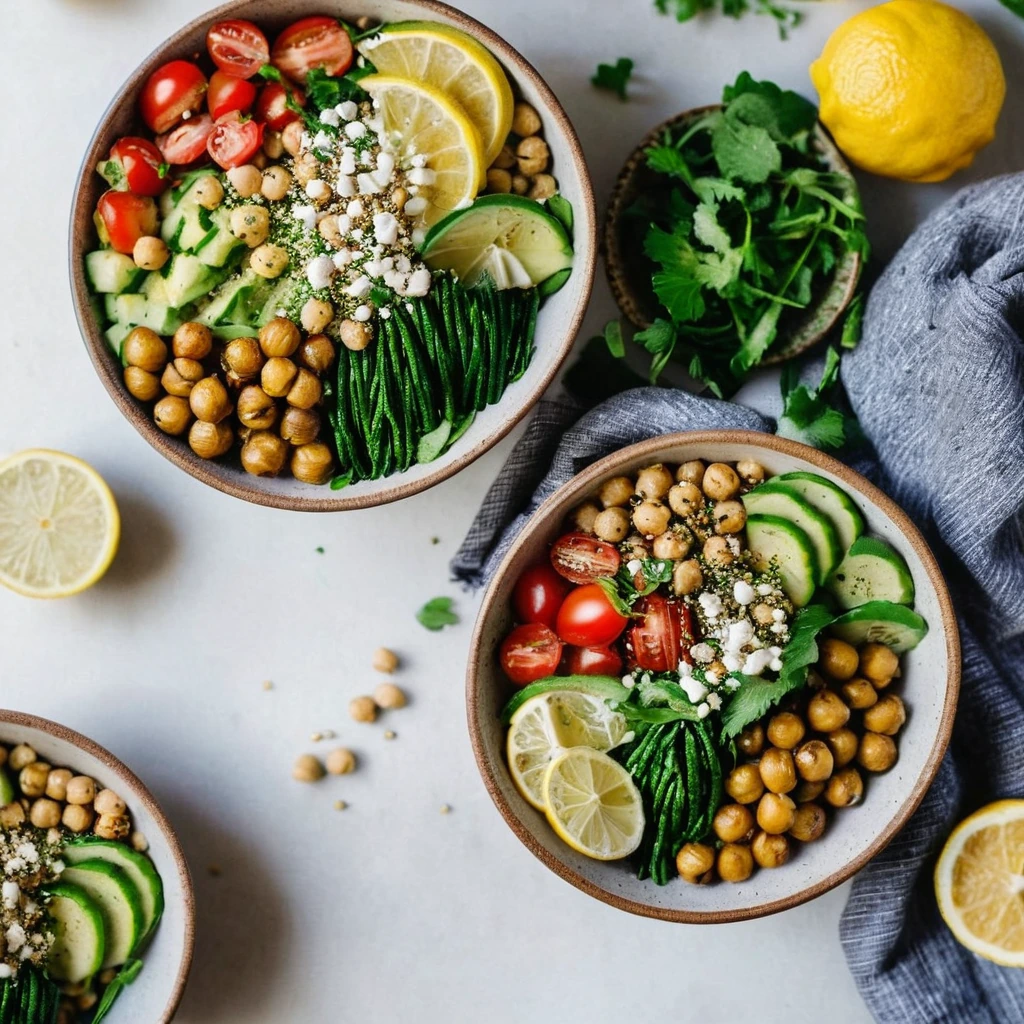
Mediterranean Chickpea Bowls with Lemon Tahini
A vibrant medley of textures and flavors, these bowls are packed with lemony tahini drizzle and fresh Mediterranean herbs.