Breading & Coating: Double Dredging for Thicker Crust
Double dredging is a technique that takes your breaded dishes from ordinary to extraordinary by creating a thick, crispy crust that holds up beautifully in the oven or fryer. This method involves coating your protein or vegetable in flour, dipping it into an egg wash, and then coating it again with breadcrumbs or another coating, repeating the process to build layers. The result is a crust that's not only thicker but also more flavorful and satisfyingly crunchy. Whether you're making chicken tenders, eggplant Parmesan, or onion rings, mastering double dredging can elevate your cooking to new heights. This technique works by ensuring each layer adheres well, creating a barrier that keeps moisture in and flavor out. The key is patience and attention to detail to prevent the layers from falling apart. Let's dive into the nitty-gritty of how to achieve this delightful crust.
Notes
The science behind double dredging lies in the layers of coating acting as a shield, locking in moisture while creating a textural contrast. The initial flour layer helps the egg wash adhere better, while the egg acts as a 'glue' for the breadcrumbs. Refrigerating before cooking firms up the coating, ensuring it doesn't fall apart during cooking. Common mistakes include not patting the item dry before coating, which can lead to a soggy crust, and overcrowding during frying, which lowers oil temperature and results in greasy food. To store leftovers, keep them in an airtight container in the fridge for up to 24 hours, reheating in a low oven to maintain crispness.
Steps
- 1 Prepare three separate shallow dishes: one with flour seasoned with salt and pepper, one with beaten eggs, and one with breadcrumbs seasoned to taste.
- 2 Pat your protein or vegetable dry with paper towels to ensure proper adhesion of the coatings.
- 3 Dredge the item in the flour, coating it evenly and shaking off any excess.
- 4 Dip it into the beaten eggs, ensuring it's fully coated and allowing any excess to drip off.
- 5 Coat the item in breadcrumbs, pressing gently to adhere the crumbs to all surfaces.
- 6 Repeat steps 3 to 5 for a second layer, ensuring a thick, even coating.
- 7 Place the coated item on a wire rack set over a baking sheet to allow excess coating to fall away and prevent sogginess.
- 8 Refrigerate for at least 30 minutes to allow the coating to set and adhere firmly.
- 9 Preheat your oven or fryer to the required temperature based on your recipe.
- 10 Cook the item according to your recipe's instructions, monitoring closely for even browning.
- 11 For oven cooking, use a preheated oven at 425°F and flip halfway through for even browning.
- 12 For frying, maintain oil temperature at 350°F to 375°F to achieve a golden, crispy crust without overcooking the interior.
- 13 Drain on a wire rack over paper towels to remove excess oil after frying.
- 14 Serve immediately for the best texture and flavor.
Ingredients to explore
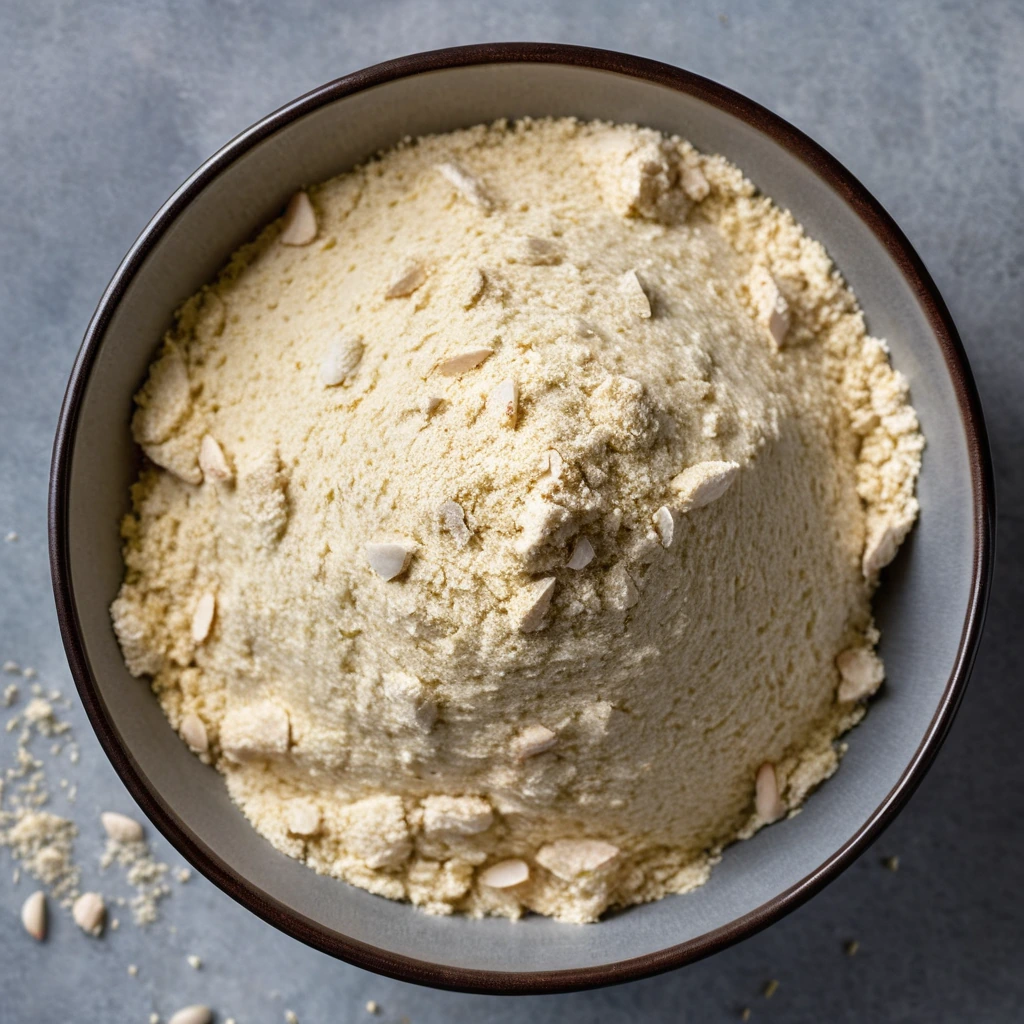
Recipes to try
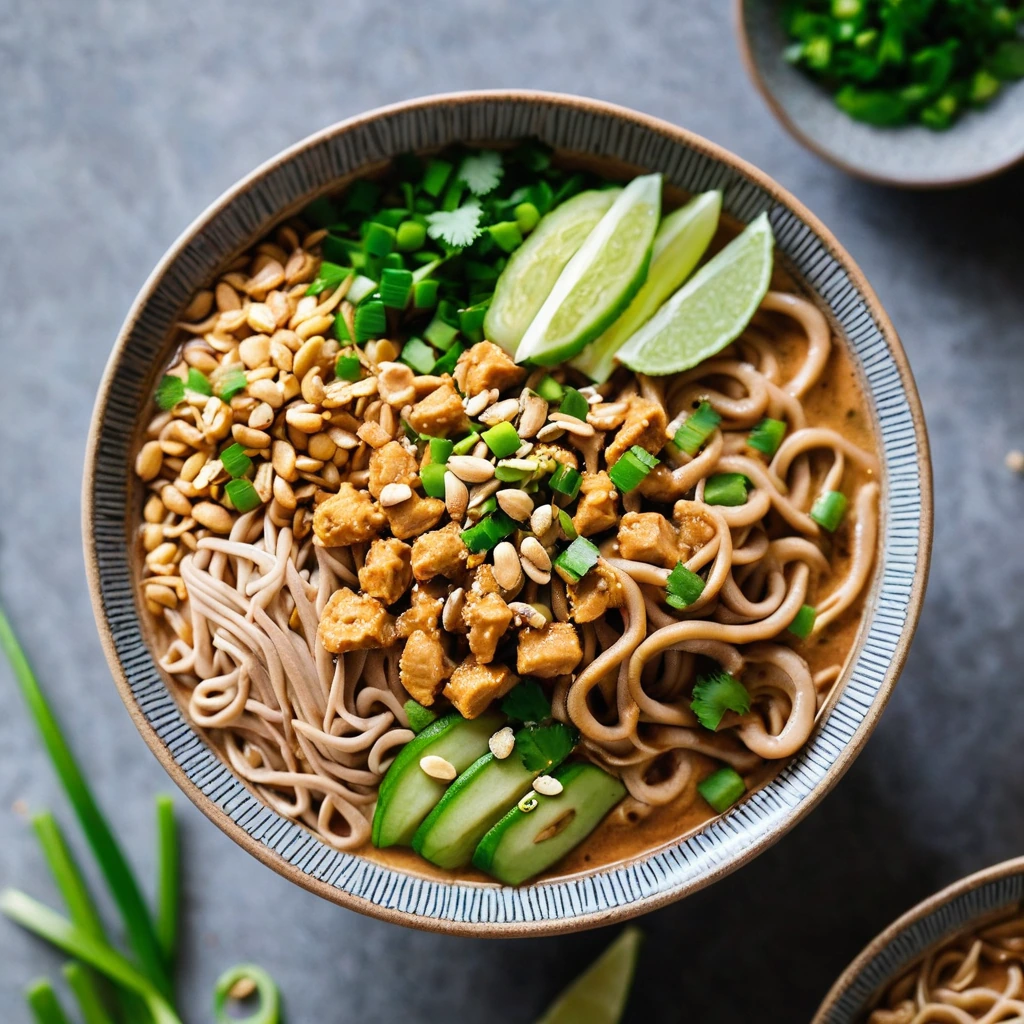
Spicy Peanut Chicken Noodle Bowls
Creamy peanut sauce clings to tender chicken and chewy noodles in a vibrant, fiery bowl that's comfort food on steroids.
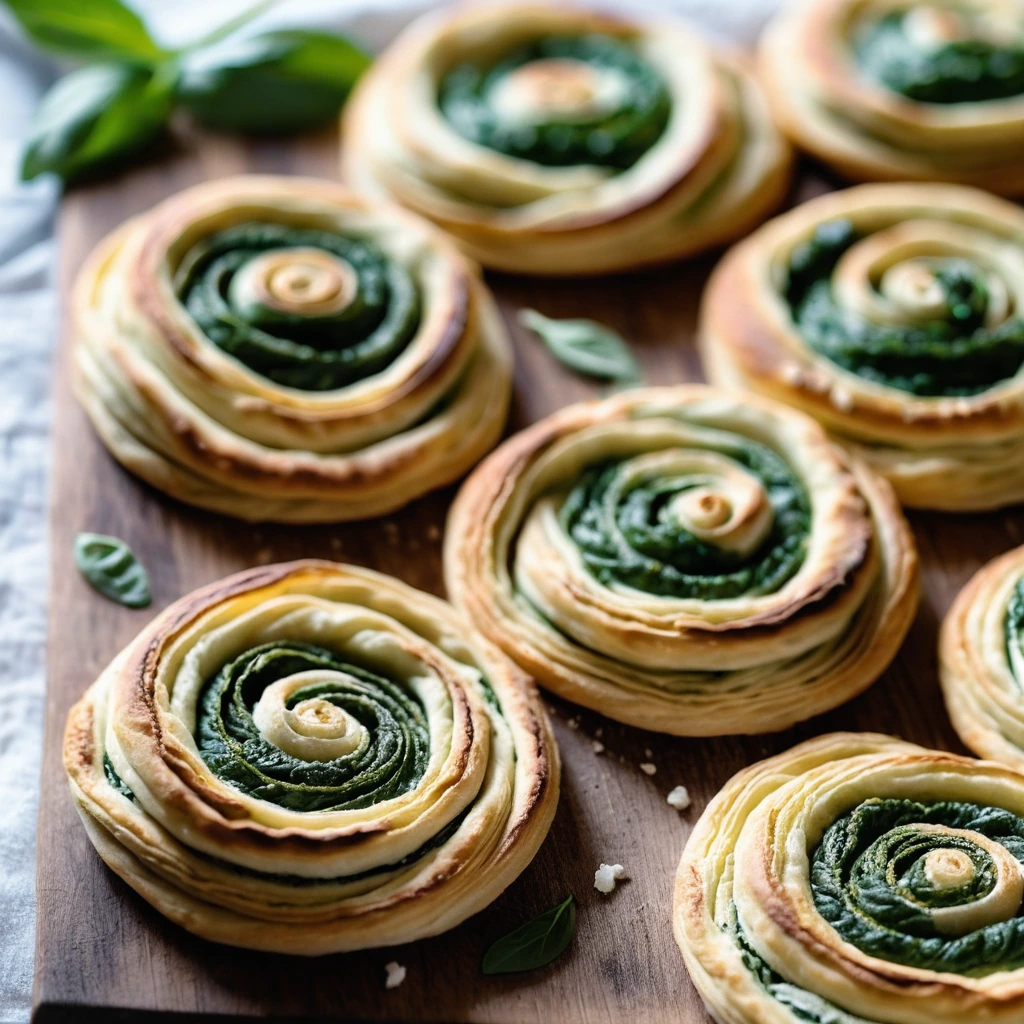
Spinach and Feta Puff Pastry Swirls
Golden, flaky layers of puff pastry embrace a savory mix of spinach and tangy feta in these irresistible swirls.